This site is supported by our readers. We may earn a commission, at no cost to you, if you purchase through links.

Picture a robin on a January morning, hopping around a frozen puddle, unable to get a single sip. That’s the scene playing out in yards across the country every winter, and it’s why so many folks plug in a heated bath the moment temperatures drop. But do heated bird baths really work, or are you just paying to warm up your yard?
Here’s the truth: these baths aren’t meant to serve warm water like a hot tub. A thermostatically controlled unit simply keeps water from turning solid, usually holding steady between 40°F and 50°F. That small difference means the birds visiting your yard get a lifeline when every other water source has iced over.
Table Of Contents
- Key Takeaways
- Do Heated Bird Baths Work?
- How Heated Bird Baths Function
- Winter Benefits for Backyard Birds
- Heated Bird Bath Safety Myths
- Top 7 Heated Bath Options
- Using Heated Baths Effectively
- Frequently Asked Questions (FAQs)
- Is a heated bird bath a good idea?
- Why put a tennis ball in a bird bath?
- Do heated bird baths use a lot of electricity?
- How to attract birds to a heated bird bath?
- What material lasts longest for winter bird baths?
- How often should you replace an aging bird bath?
- Do heated bird baths work during power outages?
- How close can a heated bath be to outlets?
- Conclusion
Key Takeaways
- Heated bird baths don’t warm water like a hot tub—they use a thermostat to hold water between 40°F and 50°F, just enough to keep it from freezing solid.
- Low wattage (50-150 watts) is usually enough to prevent ice, so you don’t need a power-hungry unit to keep your yard’s water source reliable.
- Unfrozen water helps birds beyond just drinking—it supports feather preening for insulation and saves them the energy cost of eating snow to hydrate.
- Safe setup matters most: use a GFCI-protected outlet and outdoor-rated cord, keep the bath at least 6 feet from dense cover to avoid predator ambushes, and clean the basin every two weeks.
Do Heated Bird Baths Work?

Short answer: yes, but let’s clear up what that actually means. Heated bird baths won’t turn your yard into a hot tub for cardinals—they just keep the water from turning to a solid block of ice. Here’s what’s really going on under the surface.
Most models rely on a built-in thermostat that clicks on only when temperatures dip near freezing, and this guide to safe bird bath heating solutions breaks down how to pick one that keeps water safely liquid without ever overheating.
Myth Versus Reality
Ever pictured a bird bath as a mini hot tub steaming away in January? That’s the myth, and reality looks different.
Water stays cool, not warm, just ice-free. Baths don’t need high wattage to work, either—50 watts often does the job. Predators aren’t drawn in by placement done right, and wet rims can be slippery, so skip the "unlimited warm water" fantasy.
What “work” Really Means
So what does "work" actually mean here? Simple: preventing ice buildup, not brewing hot water.
- Purposeful effort: keeping water liquid
- Measuring output: ice-free basin, daily
- Energy-efficient heating: low wattage, steady results
- Personal identity: you become the reliable water source
- Social expectations: birds count on consistency
Fresh unfrozen water in winter defines success. Water temperature regulation, not warmth, is the real job.
Ice Prevention, Not Warm Water
Here’s a myth worth busting: heated bird baths don’t boil water like a kettle. They just stop preventing ice formation from taking hold, using gentle warmth to offset wind chill impact and heat loss.
Think surface agitation, not sauna. Some units warm water just enough to dodge water stratification, keeping the whole basin—not just the top—liquid and drinkable for your feathered visitors.
Best Results in Freezing Weather
Cold snaps below freezing are where heated bird baths earn their keep. A few smart tweaks boost performance:
- Shallow water depth (1.5–2 inches) resists freezing
- Dark basins absorb heat, slowing ice adhesion
- Insulated stands cut thermal heat loss
Pair these with subzero-rated units, and you’ve got reliable winter bird baths that keep bird safety front and center, even when temperatures plummet.
How Heated Bird Baths Function
So how does a heated bird bath actually keep ice away? It comes down to a few simple parts working together: a heating element, a thermostat, and the right wattage for your setup. Let’s break down what’s really happening under the water.
Built-in Heating Elements

Some heated bird baths hide their magic below the surface, built right into the basin itself. These built-in heating elements often use nichrome wire, prized for durability, or Kanthal alloy for corrosion resistance in wet conditions. Others rely on quartz infrared warmth or self-regulating PTC polymer designs. Cartridge-style elements add insulation for safer, direct heat transfer, keeping winter bird baths ice-free without constant fuss.
Engineers must carefully calculate the watt density to make sure efficient and safe heat distribution.
Add-on Bath Deicers
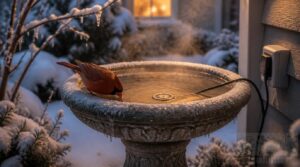
Already have a bath but no heat source? Drop in an immersion deicer instead of buying new. Match wattage to size—50 watts for baths under 5 gallons, 200-250 watts for basins up to 15 gallons. Look for stainless steel safety guard designs and cast aluminum housing for durability.
- Ice-free water when birds need it most
- Fewer cracked basins from freeze damage
- Peace of mind through brutal cold snaps
Thermostatic Temperature Control

Why doesn’t your bath just run 24/7? A thermostatically controlled unit switches on near freezing and off once warmed, using hysteresis deadband to avoid rapid cycling.
| Feature | Function | Bird Benefit |
|---|---|---|
| Sensor placement | Reads actual water temp | Accuracy |
| Dual setpoints | Adjusts by time of day | Efficiency |
| Automatic controls | Prevents freezing | Reliability |
Wattage and Efficiency

More watts doesn’t always mean better performance. A 50-watt K&H Ice Eliminator and a 150-watt Allied Precision unit both stop ice, but the smaller one costs less to run.
If you’re weighing efficiency against reliability, this roundup of portable bird bath heater reviews breaks down which low-wattage models actually hold up in deep freezes.
Insulation and heat transfer design matter more than raw power. Monthly costs land between $3 and $9. Good insulation cuts energy loss, so a low-wattage heating element often works just as well.
Safe Winter Water Levels

Keeping the basin filled matters just as much as keeping it warm. A dry or low unit can overheat and burn out fast.
Full basins also mimic shoreline stability you’d expect on a pond, resisting the freeze-thaw swings that come with snowmelt runoff. Check levels daily. Steady water provides reliable avian hydration all winter, no ice thickness monitoring required for your backyard setup.
Winter Benefits for Backyard Birds

Keeping ice out of the water is only half the story. The real payoff shows up in how your backyard birds actually live through winter. Here’s what that unfrozen water is doing for them.
Reliable Drinking Water
Picture snow everywhere but not one drop to drink—that’s winter for birds without a heated bath. Ice locks up ponds and puddles fast, so avian hydration depends on you.
When ice locks up every pond and puddle, a heated bird bath becomes winter’s only reliable drink
Unlike municipal systems with contaminant limits and microbe testing protocols, your bath just needs to stay liquid. No watershed protection plans required—just electricity, keeping water flowing when birds need it most.
Better Feather Preening
Liquid water lets birds keep working their uropygial gland oil into every feather, not just their beaks on dry fluff. That oil job matters for waterproofing feather barbs and flexibility.
Frozen water means skipped preening, which weakens insulation and lets parasites linger. A working bath aids real preening support, helping birds maintain feather health right through the coldest stretch.
Less Snow Consumption
Eating snow costs birds real energy — their bodies have to melt it before absorbing it, which drops body temperature fast. Winter bird baths skip that tax entirely.
- Saves metabolic energy for warmth
- Avoids body temperature drops
- Reduces winter moisture reserve strain
- Offers instant hydration, no melting
- Provides subzero temperature solutions
That’s a real edge when every calorie counts.
More Winter Bird Diversity
Ever wonder why some winters your yard hosts five species and others fifteen? Water access is often the answer. A reliable water source acts like a magnet, pulling in species richness drivers you wouldn’t expect from feeders alone.
| Habitat Feature | Species Attracted | Winter Benefit |
|---|---|---|
| Heated bath | Robins, bluebirds | Hydration |
| Native shrubs | Waxwings | Berries |
| Mixed cover | Chickadees | Insects |
Help for Non-seed Eaters
Robins and bluebirds can’t crack sunflower seeds, so they lean on other food entirely. Protein-rich mealworms and fat-dense suet fill that gap fast. Native berries add fruit hydration benefits too.
Pair these wildlife garden accessories with heated bird baths, and you’ve covered both nutrition and essential hydration—true winter bird care that prevents nutrient gaps when natural water sources freeze solid.
Heated Bird Bath Safety Myths

Heated bird baths sound simple, but they still spark a lot of worry among backyard bird lovers. You’ve probably heard rumors about scalding water, shocked birds, or predators showing up for an easy meal. Let’s sort out what’s actually true, one myth at a time.
Do They Overheat Water?
Rarely, and only when something breaks. A properly thermostatically controlled unit stays safe for birds, but thermostat failure or sensor malfunction can push water too warm.
Watch for:
- Water depth changes
- Faster evaporation
- Warping near the base
- A low-wattage heating element running nonstop
- Ice-free water that feels warm to touch
Energy-efficient heating rarely overheats—just check occasionally.
Can Birds Get Burned?
Can birds actually get burned by these baths? Almost never, thanks to thermostatically controlled units that stay between 40°F and 50°F—never boiling.
| Risk | Cause | Prevention |
|---|---|---|
| Foot burns | Overheated water | Low-wattage heating element |
| Singed feathers | Direct contact | Weekly temp checks |
| Skin irritation | Sensor failure | GFCI-protected setup |
Thermal burns stay rare when units are safe for birds and properly maintained.
Are Cords Dangerous?
Cords only turn dangerous when you skip the basics. Always plug into a GFCI-protected outlet—it cuts power instantly if a fault occurs, preventing shock. Use an outdoor-rated extension cord built for wet conditions, never an indoor one.
Check insulation weekly for nicks or cracks, store cords coiled and dry, and unplug immediately if anything feels hot. Simple habits, real protection.
Do Baths Attract Predators?
Cats and hawks notice activity, not water itself, so busy baths near dense cover create predator ambush zones.
The fix? Keep baths 10 feet from shrubs, put them on a stand for a clear escape route, and rotate locations occasionally. Motion sprinklers help too.
A little placement smarts protects your visitors and keeps backyard birdwatching safe, worry-free fun.
Can Birds Freeze After Bathing?
Can birds actually turn into feathered popsicles? Not likely. Preen oil repels water fast, so quick splashes rarely freeze on plumage.
- Short baths minimize icing risk
- Preening restores waterproofing after bathing
- Extended soaking increases hypothermia risk
- Sunlit, wind-sheltered spots aid recovery
Long, cold-weather baths risk wing lift impairment and wasted metabolic energy—so keep water shallow and safe for birds.
Top 7 Heated Bath Options
Ready to shop? You’ve got options ranging from full basin units to simple drop-in de-icers, and picking the right one depends on your setup and budget. Here are seven solid picks worth your attention.
1. Red Window Hummingbird Feeder
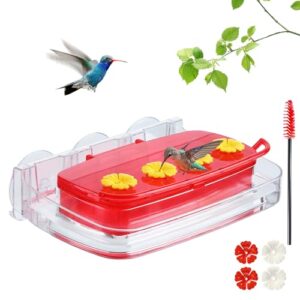
Not technically heated, but it earns its spot here for winter-curious birders. Three suction cups hold the clear reservoir steady against your window, giving you a front-row seat as hummingbirds sip. The bright red lid draws them in, and four flower-shaped ports keep multiple birds fed at once.
With a 10oz capacity and an ant moat built into the base, it’s low-fuss. Just mix nectar at 4 parts water to 1 part sugar—no honey, ever.
| Best For | Window-mounted bird watchers who want an up-close view of hummingbirds visiting their home. |
|---|---|
| Power Source | None (suction mount) |
| Material | PC Plastic |
| Weight | Not specified |
| Mounting Style | Suction cups |
| Primary Use | Nectar feeding |
| Maintenance | Detachable/cleaning brush |
| Additional Features |
|
- Transparent design and suction-cup mounting offer a close-up, front-row view of feeding birds
- Built-in ant moat and four feeding ports keep nectar clean and support multiple birds at once
- Detachable container and included cleaning brush make refilling and maintenance simple
- Suction cups only work well on smooth surfaces, limiting placement options
- 10oz capacity may require frequent refilling during high-traffic feeding periods
- Nectar must be prepared precisely (4:1 water-to-sugar ratio) with no honey or additives, adding a bit of upkeep
2. Heated terracotta outdoor birdbath
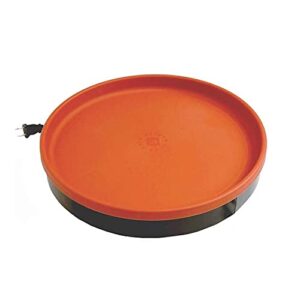
Once your window feeder’s put away for the season, a heated terracotta bath keeps the backyard buzzing all winter. Its 75-watt element kicks on around 35°F, and the thick ceramic holds heat evenly across the basin.
You get three mounting options—ground stand, deck clamp, or post—plus a hidden cord for tidiness. At roughly 14 inches wide and 1.25 to 2 inches deep, it’s shallow enough for safe perching, holding about a quart of water for thirsty, cold-weary birds.
| Best For | Homeowners and bird lovers who want to keep birds visiting their yard through freezing winter months without birdbaths icing over. |
|---|---|
| Power Source | Electric 75W |
| Material | Powder-coated Resin |
| Weight | 3.5 lbs |
| Mounting Style | Deck/clamp/ground |
| Primary Use | Winter water heating |
| Maintenance | Low maintenance finish |
| Additional Features |
|
- Thermostat-controlled 75-watt heater keeps water ice-free automatically, with no manual monitoring needed
- Flexible mounting options (ground legs, deck clamp, or post) make it easy to fit into almost any outdoor space
- Weather-resistant, powder-coated terracotta finish resists rust and holds up well to long-term outdoor use
- Requires a nearby electrical outlet, limiting placement options
- Only rated effective down to 20°F, so it may struggle in more extreme cold snaps
- Backed by just a one-year warranty, which is on the shorter side for an outdoor appliance
3. Heated Bird Bath with Mounting Bracket
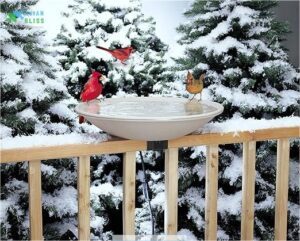
If clamping onto a deck rail sounds easier than hauling a stand around, this model’s built for you. The quick-release bracket fits rails up to two inches thick, or mounts to a fence post if you don’t have a deck.
The concealed 60- to 75-watt element hides beneath a 20-inch basin, running on thermostatic control so it only kicks on near freezing. Cord routes through the bracket itself, keeping it out of birds’ flight paths—a small touch that makes a real difference.
| Best For | Bird lovers who want to keep their birdbath ice-free all winter without lugging around a heavy stand, thanks to its easy clamp-on mounting bracket for deck rails. |
|---|---|
| Power Source | Electric 150W |
| Material | Aluminum/Plastic |
| Weight | 1 lb |
| Mounting Style | Deck rail or stand |
| Primary Use | Winter water heating |
| Maintenance | Tilt bracket cleaning |
| Additional Features |
|
- Fully enclosed, non-stick aluminum heating element with multiple thermostats for reliable temperature control
- EZ-Tilt clamp-on bracket makes mounting and cleaning simple, with a 10-foot anti-rub cord and built-in storage compartment
- Silent operation keeps water ice-free and reduces stagnant water risks like West Nile Virus, without disturbing birds
- Requires two D-cell batteries (not included) for certain functions
- Power cord needs to be manually stored under the basin during hot weather
- Plastic components require regular weather-resistant upkeep to prevent wear
4. Heated Bird Bath with Metal Stand
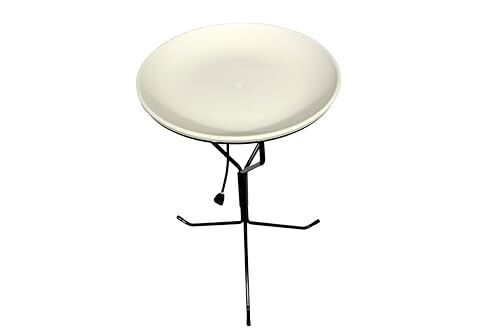
If a permanent setup on solid ground suits your yard better than rail mounting, this one delivers. A powder-coated steel stand lifts the 20-inch basin to about 30 inches, with rubber-footed base plates keeping it steady on grass or gravel.
The basin lifts free from the top ring for easy cleaning, and quick-release fasteners let you break the whole thing down for winter storage. The hidden element runs 100 to 150 watts, cycling on near freezing to keep water ice-free without wobble or wasted energy.
| Best For | Bird lovers who want a permanent, ground-mounted setup that keeps water ice-free through winter without constant upkeep. |
|---|---|
| Power Source | Electric (batteries) |
| Material | Weather-resistant Plastic |
| Weight | Not specified |
| Mounting Style | Deck rail or stand |
| Primary Use | Winter water heating |
| Maintenance | Easy install cleaning |
| Additional Features |
|
- Fully enclosed heating element with built-in thermostat keeps water safely ice-free all winter
- Corrosion-resistant metal stand and non-stick basin make cleaning and outdoor exposure a non-issue
- CSA and UL listed for safety, with silent operation that won’t disturb your yard or your birds
- Requires a power source and D-cell batteries, which aren’t included
- Plastic basin construction remains exposed to weather over time
- Only a 2-inch water depth, which may limit use for larger bird species
5. Heated stone look bird bath
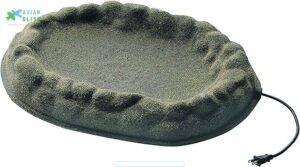
Not every yard suits a metal stand or rail clamp, and that’s where the stone look design earns its spot. The textured, resin-based basin mimics natural rock but stays lightweight enough to set anywhere—patio, garden bed, or ground level.
A hidden 50 to 100-watt element and recessed base keep things stable in wind while resisting fading and freeze-thaw cracking. It’s a solid pick if you want heated water without the "obvious appliance" look.
| Best For | Bird lovers who want heated water in a naturalistic, decorative design that blends into gardens or patios without looking like a typical appliance. |
|---|---|
| Power Source | Electric 70W |
| Material | Sand-coated Resin |
| Weight | 3.5 units |
| Mounting Style | Ground placement |
| Primary Use | Winter water heating |
| Maintenance | Removable cord storage |
| Additional Features |
|
- Realistic decorative rock design with a sand coating that mimics natural stone pond habitats
- Thermostatic control keeps water ice-free efficiently, with low daily operating costs
- Removable power cord makes seasonal storage and all-weather use simple
- Requires access to an electrical outlet, limiting placement options
- Only backed by a one-year limited warranty
- Built for outdoor use only, so seasonal cord management is necessary
6. API bird bath deicer heater
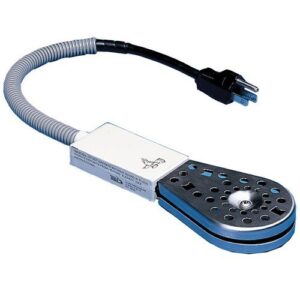
If you already have a bath you love, the API bird bath deicer heater lets you keep it. This drop-in unit runs at 250 watts with a built-in thermostat, so it only kicks on when water nears freezing.
An aluminum base spreads heat evenly and stays cool to the touch, while a stainless guard keeps curious beaks safe. It works in plastic, concrete, or ceramic basins up to 15 gallons—it’s incredibly adaptable.
The 10-foot anti-rub cord gives you real placement flexibility, too.
| Best For | This deicer is best for backyard bird enthusiasts who want to keep their existing pottery, plastic, or concrete bird bath functional through freezing weather. |
|---|---|
| Power Source | Electric 50W |
| Material | Enamel Coating |
| Weight | 1.3 oz |
| Mounting Style | In-basin placement |
| Primary Use | Winter water heating |
| Maintenance | Rust/stain resistant |
| Additional Features |
|
- Built-in thermostat conserves energy by only running when needed
- Stainless steel guard protects birds from the heating element
- Auto shutoff prevents overheating if the water runs dry
- Cord length is limited to just 15 inches, which restricts placement options
- Requires an existing water source to work effectively
- Fairly low wattage (250 watts) may struggle in extreme cold
7. Cast Aluminum Decorative Heated Rock DeIcer
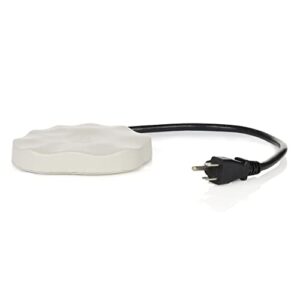
Want something that hides in plain sight? This 75-watt deicer looks like an ordinary garden rock but hides a cast aluminum heating element underneath, at 1.2 lbs it’s easy to tuck into any flower bed or rock garden. The thermostat kicks on only near freezing, and auto shut-off guards against overheating.
Its beige finish blends into landscaping better than a metal stand ever could. Model 338595 works with basins of any size, so it’s a solid pick for anyone wanting function without the eyesore.
| Best For | Bird lovers in cold climates who want to keep their birdbath ice-free without ruining their yard’s look. |
|---|---|
| Power Source | Electric 250W |
| Material | Stainless Steel |
| Weight | 13.6 oz |
| Mounting Style | In-basin placement |
| Primary Use | Winter water heating |
| Maintenance | Anti-rub cord |
| Additional Features |
|
- Blends seamlessly into landscaping with its realistic beige rock design
- Thermostatic control and auto shut-off keep it safe and efficient
- Lightweight and compatible with birdbaths of any size
- Requires access to an electrical outlet to operate
- Only useful during winter months, so it sits idle the rest of the year
- Decorative finish may still stand out against non-rock landscaping styles
Using Heated Baths Effectively

Picking a good heated bath is only half the job. How you set it up and maintain it matters just as much for keeping birds safe and the water clean. Here are five simple habits that make all the difference.
Choose GFCI Outlets
Mixing electricity and water outdoors is asking for trouble unless you’ve got the right protection. That’s why every heated bath needs a ground fault circuit interrupter, plain and simple.
Circuit breaker GFCIs cover your whole outdoor circuit, while portable GFCI units and cord connected protection work well for existing setups. Look for weather resistant ratings too—ground fault detection saves lives, and staying GFCI protected meets basic electrical safety standards while avoiding serious electrical hazards.
Use Outdoor-rated Cords
Not any old extension cord will do out there in the snow. Your GFCI protection only works as well as the cord carrying it, so grab an outdoor-rated extension cord with UL safety marks.
- Check for a W rating and IP44+ protection
- Confirm weatherproof connector seals
- Match cord gauge to your unit’s wattage
UV jacket durability keeps insulation flexible, avoiding electrical hazards all winter.
Place Away From Cover
Where you put that bath matters as much as the heater inside it. Predator ambush zones hide in dense shrubs, so keep baths 6+ feet from cover with open sky exposure and a clear approach path.
| Distance | Risk | Fix |
|---|---|---|
| 0-3 ft | High ambush | Move bath |
| 6+ ft | Safer | Trim brush |
| Open sky | Best visibility | Keep clear |
Clean Basins Regularly
A dirty basin is basically a bacteria buffet, and heated water only speeds up the growth. Scrub every two weeks with a 10% bleach solution, or every three to four days using just water and a brush if you skip chemicals.
Ditch bargain ceramic baths under $30, they crack fast in freezing weather. Choose a birdsafe cleaner, rinse thoroughly, and your birds stay healthier all winter long.
Check Water Daily
Give your bath a once-a-day glance, it’s your best defense against surprises. Even a great heater can fail, and daily checks catch trouble before birds go thirsty.
- Water level tracking – top off if it drops over an inch
- Detecting heater malfunctions – watch for ice film or thermostat issues
- Monitoring water clarity – skim debris keeping water quality high
Frequently Asked Questions (FAQs)
Is a heated bird bath a good idea?
Yes—heated bird baths support winter survival strategies by preventing water freezing, cutting winter mortality rates, boosting species diversity gains, and letting birds prioritize hydration vs snow for metabolic energy conservation and better preening oil distribution.
Why put a tennis ball in a bird bath?
Old-school as a wind-up toy, a floating tennis ball uses wind-driven movement and buoyancy to disrupt ice formation—cheap, low-cost prevention that also gives birds a bright visual cue toward open water in dull winter light.
Do heated bird baths use a lot of electricity?
Not much, honestly. Most units draw 50 to 150 watts, thanks to thermostatic efficiency and low-wattage heating elements. A 100W deicer runs roughly $3 to $5 monthly.
Sunny placement and rim insulation trim costs further, making these energy-efficient outdoor heating solutions cheaper than you’d guess.
How to attract birds to a heated bird bath?
Think of your heated bath as the anchor of a backyard wildlife habitat: add landing perches, morning sun exposure, and nearby feeder activity nearby. Strategic placement near cover, but not too close, draws bluebirds, robins, and other non-seed eaters during tough winter birding months.
What material lasts longest for winter bird baths?
Cast aluminum and stone win here, thanks to strong material thermal stability. Resin and compression molded plastic hold up well too, resisting cracks better than budget ceramic, which cracks easily once temperatures drop below freezing repeatedly.
How often should you replace an aging bird bath?
Retiring your birdbath isn’t defeat, it’s basic bird triage: plastic wears out in 3-5 years, concrete or ceramic lasts 5- Check yearly for mineral buildup and cracks—leaks or wobbly footing mean replace now, no exceptions, for bird safety.
Do heated bird baths work during power outages?
No, they don’t—power outages stop the heating element, and water can freeze within minutes. Solar backup or battery-powered options help some, but manual refilling remains your best outage survival plan for keeping birds hydrated during extreme cold.
How close can a heated bath be to outlets?
Give your outlet some "watt" room to breathe—at least 3 feet away from the basin. This outlet clearance minimizes splash risk. Use a GFCI-protected, weatherproof outlet with an outdoor-rated extension cord for safe, energy-efficient heating.
Conclusion
When push comes to shove, that frozen puddle problem has a simple fix.
So, do heated bird baths really work? Yes—choose the right wattage, plug into a GFCI outlet, and keep the basin clean, and you’ll see chickadees, robins, and cardinals lining up all winter.
It’s a small investment for a steady lifeline. Your backyard becomes a warm little oasis in a frozen world, and that’s a gift worth giving.