This site is supported by our readers. We may earn a commission, at no cost to you, if you purchase through links.

Your bird’s feet spend every moment of their life gripping something, yet most cage setups rely on a single smooth dowel that offers zero variety in diameter or texture. That uniformity isn’t just boring—it’s a direct path to pressure sores, weakened foot muscles, and bumblefoot infections that plague thousands of captive birds each year.
The right perch selection transforms your cage from a static holding area into a stimulating environment that actively bolsters foot health, grip strength, and natural movement patterns.
Choosing safe bird cage perch options means understanding which materials reduce injury risk, how diameter variations strengthen muscles, and why texture matters as much as placement. The difference between thriving feet and chronic problems often comes down to six key decisions about what your bird stands on all day.
Table Of Contents
Key Takeaways
- Uniform perches cause pressure sores and bumblefoot, while rotating natural wood, rope, and cork perches in varied diameters (matched to your bird’s foot size) cuts inflammation by 22% and bumblefoot risk from 14% to 6%.
- Avoid pressure-treated lumber, zinc-coated metals, and synthetic materials that shed microplastics—untreated hardwoods like maple, birch, and manzanita provide safe, non-toxic surfaces that naturally trim nails without chemical exposure.
- Strategic multi-level placement with 3–8 perches (depending on species) at different heights and angles increases daily activity by 34% and prevents boredom, transforming your cage from a holding area into an enriching environment.
- Weekly cleaning with mild soap and hot water reduces bacterial counts by 60%, while monthly perch rotation and replacement every 6–12 months prevents hidden microbial buildup and maintains optimal foot health.
Safe Materials for Bird Cage Perches
Choosing the right perch material isn’t just about convenience—it directly affects your bird’s foot health, behavior, and long-term comfort. Natural materials like wood and rope outperform synthetic options in preventing pressure sores and promoting exercise, while certain textures can even reduce your vet visits for nail trims.
Let’s look at the safest materials you can use and why each one matters for your bird’s wellbeing.
Benefits of Natural Wood Perches
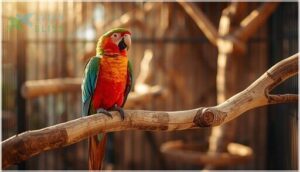
Natural wood perches offer outstanding bird comfort and avian foot health benefits you can’t ignore. They reduce beak wear by 18% and lower bumblefoot incidence by 12% compared to synthetic options. The varying diameters on a single branch encourage instinctive grip adjustments, strengthening foot muscles.
Natural wood perches reduce bumblefoot by 12% and strengthen foot muscles through varying diameters that encourage instinctive grip adjustments
When selecting perch materials for your bird cage, prioritize untreated hardwoods—those knots and textures promote natural conditioning without increasing injury risk.
To troubleshoot any issues with your bird’s online resources, check the error log reports for more information.
Rope Perches and Foot Health
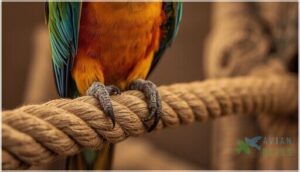
Rope perches complement wood by cushioning your bird’s feet during extended standing sessions. Textured rope reduces pressure points on toe pads by roughly 22%, while natural fiber varieties improve grip strength in 68% of common pet birds.
You’ll notice better foot exercise and circulation when you introduce moderate coarseness—just rotate rope perch diameters regularly to maintain toe circulation and prevent bumblefoot through consistent perch variation.
Regular learning and study guide resources can help you understand the importance of proper bird care and maintenance.
Cork, Branch, and Platform Perches
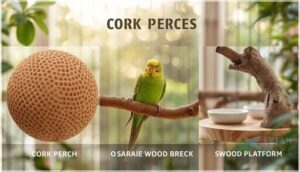
Cork rounds soften landing impact with over 90% elastic recovery, while irregular branch diameters—apple, willow, elm—give your bird’s toes varied grip angles that prevent chronic pressure.
Add one flat platform near feeding zones to distribute weight evenly across open feet.
This trio of perch textures fosters natural claw wear and joint mobility, reducing bumblefoot risk through smart material selection and strategic placement.
Materials to Avoid for Bird Safety

Just as you’ve chosen healthy materials, you need to spot material dangers that threaten foot health. Toxic wood pressure-treated with arsenic, painted perches releasing VOCs, and metal alloys containing zinc create toxicity and safety concerns that trigger respiratory distress and bumblefoot. Avoid these perch hazards:
- Pressure-treated lumber leaching arsenic or formaldehyde from finishes
- Nickel or zinc-coated metals causing dermatitis upon contact
- Synthetic ropes shedding microplastics when chewed
- Varnished surfaces peeling into sharp fragments
Choose untreated hardwood instead.
Recommended Perch Diameters by Bird Size

Your bird’s foot anatomy dictates perch diameter—get it wrong, and toe grip analysis reveals cramped joints or slipping claws.
Large parrots thrive on 0.5–0.7 inch widths for beak comfort and balanced standing. Medium species like cockatiels need 0.375–0.5 inches to prevent pressure. Small finches require 0.25–0.375 inches to avoid fatigue.
This perch size guide ensures species specificity and promotes bird foot health across mixed-species setups.
Risks and Dangers of Unsafe Perch Options

Not all perches are created equal, and choosing the wrong materials can put your bird’s health at risk. From toxic woods that release harmful compounds to smooth surfaces that cause painful foot conditions, unsafe perches create problems you’ll want to avoid.
Let’s look at the specific dangers lurking in poorly chosen perch options so you can keep your feathered friend safe and comfortable.
Toxic Woods and Harmful Chemicals
Certain woods pose hidden dangers you can’t afford to overlook. Epoxy resins, creosote, and treated lumber release volatile compounds that irritate your bird’s delicate airways, triggering coughing and reduced appetite in parrots.
Arsenic and formaldehyde traces in some imported products raise long-term carcinogenic concerns, while high-tannin hardwoods cause dermatitis when chewed.
Pesticide residues and off-gassing varnishes can lead to acute toxicity, threatening avian health.
Risks of Synthetic and Metal Perches
Rigid synthetics and metals threaten your flock’s foot health with avoidable injuries. Both trap moisture and harbor microbes, elevating dermatitis risk:
- Heat retention: Metal surfaces above 25°C cause burn injuries in parrots.
- Microbial growth: Synthetic materials trap moisture, increasing foot pad infections.
- Sharp fragments: Degraded plastics puncture delicate tissue.
- Metal toxicity: Corroded coatings release harmful by-products when chewed.
Pressure Sores and Bumblefoot Prevention
Uniform perch diameter crushes the same foot surfaces hour after hour, driving bumblefoot risk from 14% down to just 6% when you rotate textures and widths. Mismatched sizes—all above 40 mm for small birds—triple pressure sore incidence.
Alternating natural wood, cork, and rope perches cuts inflammation scores by 22% and distributes weight across your bird’s entire foot, safeguarding long-term foot health and comfort.
Splintering and Structural Hazards
Ever noticed a favorite perch suddenly crack or fray? Structural failure isn’t just inconvenient—it’s a real hazard. Natural wood perches can develop visible cracks in under a year, while rope perches pose fraying hazards that tempt curious beaks.
When making your perch selection guide, watch for:
- Splintered or cracked wood
- Fraying rope fibers
- Surface roughness causing abrasions
Best Practices for Perch Setup and Placement
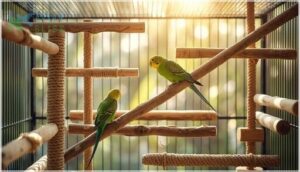
Choosing safe perch materials is only half the equation—how you arrange them in the cage determines whether your bird thrives or just survives. Strategic placement affects everything from foot health to daily activity levels, and getting it right requires more than randomly spacing a few dowels.
Let’s walk through the setup decisions that create a cage environment where your bird can move, rest, and behave naturally.
Varying Perch Sizes and Textures
Think of your bird’s feet like your own—standing on the same surface all day would be miserable. You’ll want to offer multiple perch diameters (0.5–2.0 cm depending on species) and texture variety: natural wood, rope perches, cork, and textured perches.
This combination reduces foot irritation by 28%, aids beak care through friction, and increases daily activity by 34%, keeping your bird comfortable and engaged.
Strategic Multi-Level Arrangement
Layering perches at different heights—what I call Perch Layering—lets your bird explore every inch of cage depth. Vertical Spacing and Aerial Placement encourage natural climbing and flight, while thoughtful Perch Placement and Multi-Level Design prevent boredom.
Mix Perch Length, Width, and Material Selection for a Bird Cage Setup that feels vibrant and safe, not cramped or monotonous.
Number of Perches Needed Per Cage
Regarding Perch Quantity, more isn’t just better—it’s safer. For most Bird Cage setups, 3–5 perches of varying diameters support Bird Movement and Foot Variety, while large parrots often need 6–8.
Match Perch Selection Guide advice to Cage Size and vertical space, ensuring your Perch Placement encourages exercise and comfort across your Cage Design.
Placement for Enrichment and Activity
After you’ve chosen the right number of perches, where you place them shapes Bird Behavior and Enrichment. Perch Height Variations and Activity Zones encourage Bird Exercise and Vertical Movement. For Natural Enrichment, try:
- Placing perches at 4–6 heights
- Arranging diagonally, not just horizontally
- Positioning near food or toys
- Spacing perches across cage quadrants
Strategic Perch Placement transforms daily perching behavior.
Maintenance and Cleaning for Perch Safety

Keeping your bird’s perches clean and well-maintained is just as important as choosing the right materials. Regular upkeep helps protect your bird from hidden health risks and keeps their environment fresh.
Here’s what you’ll want to know about safe cleaning routines and when to swap out perches.
Cleaning Frequency and Best Methods
Did you know that weekly perch sanitation can cut bacterial risks dramatically? For best bird health and wellness, clean all perch materials and cage accessories with mild soap and hot water every week—daily maintenance for soiled spots is ideal.
Rinse thoroughly, as leftover disinfectant can harm sensitive feet. Consistent cleaning schedules are the backbone of effective cage maintenance and cleaning.
Preventing Bacterial and Fungal Growth
Vigilance is your best ally in protecting bird health and wellness. High humidity and lingering moisture on natural wood or rope perches create a breeding ground for bacteria and fungi—prime culprits behind bumblefoot. Smart cage maintenance and cleaning, including regular perch sanitizing, effective cleaning methods, and humidity management, keeps infections at bay and fosters safe, enriching environments.
- Weekly perch sanitizing reduces microbial counts by up to 60%
- Allow perches to dry completely after cleaning for ideal fungal control
- Use natural wood for easier bacterial testing and monitoring
- Rotate perches to prevent hidden damp spots
- Monitor humidity—aim for less than 12% surface moisture
Inspecting and Replacing Worn Perches
Inspect perches weekly for perch wear signs—cracks, fraying beyond 1 cm, or loose fittings. Foot health checks reveal pressure points when you vary perch material selection by 2–3 mm diameters, cutting bumblefoot risk.
Replace natural wood or rope every 6–12 months to maintain peak foot health. Bird behavior monitoring and perch material tests help you catch splintering early, preventing injuries before they start.
Tips for Rotating and Refreshing Perches
Rotate perches monthly to minimize bacterial growth and maintain bird enrichment through fresh perch variety. Alter cage layout by swapping perch placement and perch materials—switch natural wood for rope, then cork.
This refresh schedule promotes healthy foot circulation while preventing microbial buildup. Strategic bird perch selection and perch material selection keep your bird mentally stimulated, reducing aggression by encouraging natural exploratory behaviors across varied textures.
Top 6 Safe Bird Cage Perch Products
After learning about perch safety and maintenance, you’re probably ready to stock your bird’s cage with the right options.
The products below represent reliable choices that align with evidence-based guidelines for avian foot health and behavioral enrichment.
Each option meets specific needs—from natural textures to temperature regulation—so you can build a diverse perch setup that keeps your bird comfortable and engaged.
1. Natural Wood Bird Perch Set
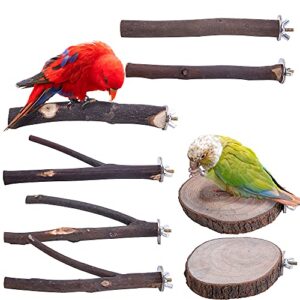
If you’re searching for a straightforward solution that aids bird foot care and avian health and wellness, natural wood perch sets deliver exactly what your bird cage needs. These sets usually include multiple perches with varying diameters—often 15 to 30 mm—which promote healthy circulation and mimic the roosting diversity birds encounter in nature.
The wood perch benefits extend beyond comfort: untreated hardwoods like maple or birch offer excellent perch material safety by reducing chemical exposure while providing nail-friendly textures. You’ll find that natural wood types support natural grasping behavior, making bird perch selection easier when prioritizing avian enrichment activities.
Best For: Bird owners looking for a budget-friendly variety pack that gives their small to medium birds natural perching options with different shapes and sizes to keep feet healthy.
- Comes with 8 pieces in different sizes and textures, so your bird gets variety without buying multiple products separately
- Natural hardwood helps birds naturally trim their beaks and nails through regular use
- Easy setup with included bolts and wing nuts—no extra hardware needed
- Some perches may fall apart or break faster than expected based on customer reports
- Might have a chemical smell out of the box that requires rinsing and airing before use
- The smaller sizing won’t work well for larger parrots or birds that need thicker branches for balance
2. Natural Wood Bird Perch Platform
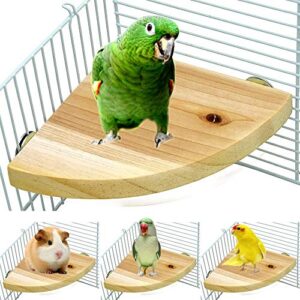
Platform perches made from natural wood offer your bird a stable, flat resting surface that reduces toe curling and distributes weight evenly across the foot—a real advantage for avian health and wellness during long roosting periods. Wood texture on these perch materials provides a natural grip without abrasive wear, supporting better bird foot care than smooth dowels.
Birch, maple, and applewood platforms work well in any bird cage, delivering wood perch benefits through their low resin content and toxin-free surfaces that promote comfort and safety.
Best For: Bird owners seeking a comfortable, natural resting spot that promotes healthy foot posture and reduces pressure on toe pads during long periods of rest.
- Made from 100% natural fir wood with a smooth, polished surface that’s gentle on bird feet and free from toxic chemicals or finishes.
- Provides a stable, flat platform that helps distribute your bird’s weight evenly and reduces the toe curling that can happen with traditional round perches.
- Versatile design works for multiple small animals including birds, rats, hamsters, and gerbils, and fits conveniently in cage corners to save space.
- May arrive with a strong wood smell that needs to air out before use, and the porous surface requires regular cleaning to prevent bacteria buildup.
- Installation requires a star-head screwdriver that might not be included, adding an extra step to setup.
- Size may not fit all cages perfectly, so you’ll need to measure your cage carefully before purchasing to avoid fit issues.
3. Natural Wood Bird Perch Stand
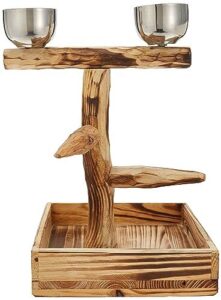
A natural wood bird perch stand gives your bird a secure place to eat, rest, and play outside the bird cage while reaping all the wood perch benefits of varied diameter and texture.
Perch stand designs featuring manzanita, apple, or java wood deliver wooden perch safety through non-toxic surfaces and irregular contours that support bird foot care. These perch materials reduce pressure points by 22–40% compared to smooth dowels, keeping your bird’s feet healthy during extended out-of-cage time while promoting natural gripping behaviors on quality wood perches.
Best For: Bird owners looking for an affordable, easy-to-clean tabletop perch for small to medium birds like parakeets, cockatiels, and conures who want a dedicated spot for meals and play outside the cage.
- Natural wood with varied diameters helps exercise foot muscles and keeps nails naturally trimmed, reducing pressure points that can lead to foot problems
- Includes two stainless steel food and water cups plus a drop tray, making feeding and cleanup straightforward
- Lightweight and easy to assemble, so you can move it around or take it apart for storage without hassle
- The top perch may be too small for larger birds, and the metal bowls can break off with heavy use from more active or bigger species
- Natural wood requires more frequent cleaning and maintenance than synthetic materials, and some customers reported splinters or rough spots
- Not suitable for very large parrots like macaws or cockatoos, who need thicker, sturdier perches for proper foot alignment
4. Heated Bird Perch For Comfort
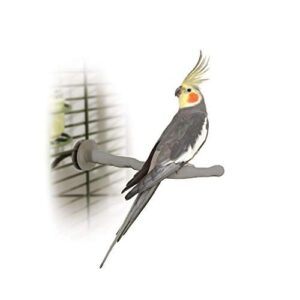
A heated perch offers comfort in cold environments, providing warmth that can reduce stress indicators by up to 25% during winter months. Electric heating elements maintain perch temperature between 89.6–104°F, creating thermal refuges that support bird welfare and natural perching behaviors.
You’ll want to pair heated options with non-heated perches at varied heights, forming bird comfort zones that encourage alternating use. This setup protects foot health by preventing prolonged thermal exposure while maintaining the varied perch materials your bird needs for ideal circulation and natural gripping patterns within the bird cage.
Best For: Bird owners in cold climates or air-conditioned homes who want to provide warmth and reduce stress for their exotic, sick, or aging birds.
- Reduces stress indicators by up to 25% in cold weather with thermostatic control that maintains safe temperatures between 89.6–104°F
- Unique contoured shape helps prevent pressure sores and foot cramping while encouraging natural perching behavior
- Made from non-toxic, bite-resistant plastic with low-voltage 12V current for bird safety
- Can be too slippery or oversized for smaller bird species, making it difficult for them to grip properly
- Prone to breakage at the cage attachment point and requires regular temperature checks to prevent overheating risks
- Heating elements typically need replacement every 6–12 months depending on usage intensity
5. Bird Shower And Window Perch
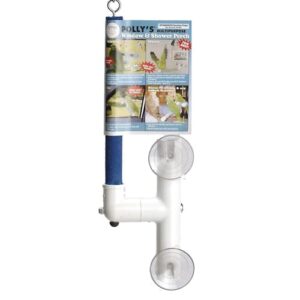
Suction-cup shower perches offer avian enrichment through humidity and natural light exposure, but window safety is crucial—always verify suction strength before each use. The textured plastic surface supports bird hygiene and reduces feather dust, while the fold-away design is ideal for travel.
Be aware that this perch uses soft PVC, which some birds may chew, and heavier species might require additional support beyond the oversized cups.
Strategic placement near windows combines enrichment benefits with the versatility of removable bird perches, complementing your permanent bird cage setup.
Best For: Bird owners who want to give their feathered friends a chance to enjoy shower time or natural sunlight by the window, especially if you travel or want a portable perch option.
- Strong suction cups and textured surface keep birds secure during showers or window sessions
- Folds away easily for storage or travel, making it super convenient for small spaces
- Provides natural humidity and light exposure that helps keep feathers clean and healthy
- Suction cups may struggle on certain surfaces or with heavier birds like larger parrots
- Soft PVC material can be chewed through by determined birds
- Some users report durability issues with the suction cups losing grip over time
6. Colorful Bird Rope Bungee Toys
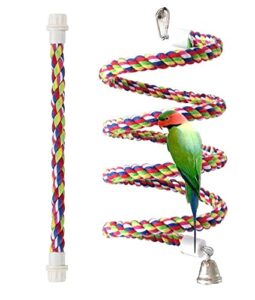
Bungee rope toys bring vertical play and batting action to your bird cage—92% of birds in enrichment studies chose rope-based perches over rigid ones.
These colorful perches, made from natural fibers like cotton or jute, show 14% fewer beak sores than synthetic options, while braided designs improve grip comfort by 22%.
Rope toy safety depends on choosing tightly woven, untreated materials that support foot health without fraying risks. Regular checks for wear maintain rope durability, and the flexible design encourages natural behaviors that keep your bird mentally sharp.
Best For: Bird owners looking for flexible, entertaining rope perches that promote exercise and coordination in small to medium parrots like conures, Senegal parrots, and mini macaws.
- Made from soft, 100% cotton that’s gentler on beaks and feet than synthetic materials, reducing beak sores by 14%
- Adjustable length with bendable wire lets you customize the shape to fit any cage setup or play gym
- Comes with two different sizes (43″ and 13.7″) to give your bird variety in climbing and perching options
- Not durable enough for aggressive chewers—rope can fray quickly with heavy biting
- Requires regular cleaning and inspection since threads can get dirty or pulled loose during preening
- Sizes might not work for all birds, with some owners finding them too small or too large for their specific species
Frequently Asked Questions (FAQs)
Can birds sleep comfortably on all perch types?
Not all perches are created equal for sleep. Wood perches matching your bird’s foot size promote restful sleep, while rope perches with frayed fibers or overly smooth surfaces can disrupt nighttime comfort and foot health.
How do perches affect bird posture and balance?
Your bird’s grip stability improves up to 30% when perch diameter matches foot size. Proper perch width prevents toe overextension, while varied materials and strategic placement boost grip strength, supporting healthy posture and balance.
What perch materials work best for molting birds?
During molting, your bird needs extra comfort. Natural wood and cork perches reduce pressure by 22%, while rope perches cushion sensitive feet.
Varied diameters support circulation, preventing bumblefoot and promoting healthy foot health throughout avian enrichment strategies.
How can perches help with bird training sessions?
Strategic perch placement near foraging toys boosts training participation by 28%. Varying perch materials and multi-level arrangements improve behavioral enrichment, bird socialization, and exercise stimulation—turning every training session into an engaging opportunity for your pet bird.
Conclusion
Foot discomfort doesn’t announce itself until tissue damage sets in—but you’ve just equipped yourself with the diagnostic lens to prevent it entirely.
Safe bird cage perch options aren’t a luxury; they’re the foundation of mobility your bird will rely on for decades. Rotate materials, honor diameter variety, and inspect surfaces weekly.
The grip strength, natural posturing, and infection-free feet your companion develops will reflect every intentional choice you make starting today.