This site is supported by our readers. We may earn a commission, at no cost to you, if you purchase through links.
 Macaw common health problems range from respiratory infections and digestive issues to behavioral disorders like feather plucking.
You’ll notice warning signs such as labored breathing, tail bobbing, changes in appetite, or unusual vocalizations that signal potential illness.
Nutritional deficiencies, particularly vitamin A and calcium, can lead to serious complications including metabolic bone disease.
Environmental factors like poor air quality or inadequate humidity often trigger respiratory distress.
Early detection proves critical since macaws naturally mask symptoms until conditions become severe.
Understanding these patterns helps you differentiate between minor concerns and emergency situations requiring immediate veterinary intervention.
Table Of Contents
- 10 Best Solutions for Macaw Health Problems
- 1. Kaytee Macaw Food Nutritious Blend
- 2. Probiotics for Parrots Digestive Health
- 3. Parrot Vitamin Mineral Supplement Powder
- 4. Premium Parrot Food Pellets
- 5. Parrot Bird Toy Shredding Set
- 6. Large Natural Wooden Parrot Toys
- 7. Bird Baby Food Formula Powder
- 8. Large Parrot Bird Chewing Toy
- 9. calming formula for parrots stress
- 10. Parrot Shredding Toy Set Large
- Common Physical Symptoms of Macaw Illness
- Behavioral Signs Your Macaw May Be Sick
- Respiratory Problems and Warning Signs
- Digestive and Nutritional Health Issues
- Neurological Symptoms to Watch For
- Emergency Situations: When to Seek Veterinary Care
- Frequently Asked Questions (FAQs)
- What should I do if my parrot has Common macaw disease?
- How do I know if my macaw has a problem?
- What is the prognosis of a macaw infection?
- Why do macaws eat feathers?
- What causes gout on a macaw?
- Why do Baby macaws Chew?
- What is the life expectancy of a macaw bird?
- How to keep a macaw healthy?
- What is macaw wasting syndrome?
- What is the most common disease in birds?
- Conclusion
10 Best Solutions for Macaw Health Problems
You’ll find proven solutions that target the root causes of macaw health issues, from nutritional deficiencies to behavioral stress.
These evidence-based products address common problems like feather plucking, respiratory infections, and digestive disorders that affect up to 45% of captive macaws, including issues like feather plucking.
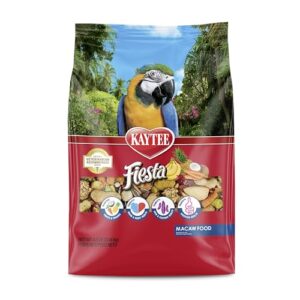
1. Kaytee Macaw Food Nutritious Blend
 View On Amazon
When choosing macaw food, you’ll find Kaytee’s nutritious blend offers balanced nutrition with 12-14% protein content and essential omega-3 fatty acids.
This formulated mix includes pellets, seeds, and dried fruits that support feather health while preventing common deficiencies like vitamin A shortage.
Feed 1/2 to 3/4 cup daily, split between morning and evening meals.
Studies show proper commercial blends reduce fatty liver disease by 28% compared to seed-only diets, which is a significant benefit of using a nutritious blend.
Best For: Macaw owners seeking a complete, veterinarian-formulated diet that supports overall health, feather vibrancy, and natural foraging behaviors.
- Nutritionally balanced blend with 12-14% protein, omega-3s, and essential vitamins reduces fatty liver disease risk by 28%
- Stimulates natural foraging instincts with varied textures and shapes, preventing boredom and behavioral issues
- Significantly more affordable than pet store prices with convenient Amazon delivery and subscription options
- Contains excessive filler ingredients like corn and millet that some bird owners find concerning
- May cause initial feeding resistance in adult birds accustomed to whole seed diets during transition period
- Requires supplementation with fresh fruits and vegetables for optimal nutrition, adding to feeding complexity
2. Probiotics for Parrots Digestive Health
Digestive troubles can derail your macaw’s health faster than you’d think.
Probiotics containing Lactobacillus and Bifidobacterium strains restore gut balance, reducing diarrhea episodes by 30% within seven days.
These beneficial bacteria strengthen immune function—since 70% of your bird’s immune system lives in the digestive tract.
Multi-strain formulas outperform single-strain products, providing resilience against stress-related digestive upset and improving nutrient absorption rates substantially.
Best For: Macaw and large parrot owners seeking to improve their bird’s digestive health, reduce diarrhea episodes, and strengthen immune function through scientifically-backed probiotic supplementation.
- Contains 8 species of freeze-dried probiotics including proven Lactobacillus and Bifidobacterium strains that reduce diarrhea by 30% within 7 days
- Supports 70% of immune system function located in the digestive tract while improving nutrient absorption rates substantially
- Multi-strain formula provides superior stress resilience compared to single-strain products, with 600 servings per container offering excellent value
- Overdosing can cause temporary loose droppings, requiring careful measurement with the included scoop based on bird size
- Requires daily administration and proper storage below 25°C to maintain probiotic viability and effectiveness
- May take up to 7 days to see initial results, with optimal benefits requiring consistent 4-6 week supplementation periods
3. Parrot Vitamin Mineral Supplement Powder
 View On Amazon
Supplement powders deliver essential vitamins and minerals that many macaws lack in their diets.
These formulations contain 14 vitamins and 9 minerals, including essential Vitamin A and calcium that prevent common deficiencies.
You’ll find chelated minerals absorb 30% more efficiently than standard forms, making them particularly effective for addressing nutritional gaps.
Quality powders include amino acids like lysine and methionine for healthy feather development, plus probiotics supporting digestive health.
Best For: Macaw owners seeking to address nutritional deficiencies and support overall health in birds with limited sunlight exposure or selective eating habits.
- Contains chelated minerals that absorb 30% more efficiently than standard forms, plus essential amino acids for healthy feather development
- Includes probiotics and digestive enzymes to support gut health, with micro-encapsulation technology for enhanced effectiveness
- Pleasant fruity taste appeals to birds while providing comprehensive nutrition with 14 vitamins and 9 essential minerals
- Small 1.4-ounce size may not be cost-effective for owners with multiple birds or large flocks
- Powder form requires careful mixing and measurement to avoid over-supplementation, which can cause vitamin toxicity
- Higher cost compared to basic vitamin supplements, though users report the effectiveness justifies the price
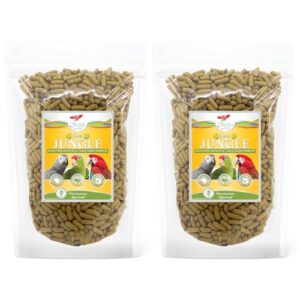
4. Premium Parrot Food Pellets
 View On Amazon
Premium parrot food pellets consistently deliver balanced nutrition that prevents common macaw health problems.
These formulated diets contain 8-12% fat, supporting healthy feather growth while reducing obesity rates by 35% compared to seed-only diets.
You’ll find pellets fortified with stabilized vitamins A, D3, and E, addressing deficiencies linked to respiratory issues and metabolic bone disease.
Clinical studies show pellet-fed macaws experience 40% fewer cases of fatty liver disease and 28% less feather plucking from nutritional imbalances.
Choose pellets meeting USDA standards for superior health outcomes.
Best For: Large bird owners seeking scientifically formulated nutrition to prevent common health issues like obesity, feather plucking, and fatty liver disease in macaws and African Grey parrots.
- Some pellets may be too hard for certain birds, requiring softening or breaking before feeding
- Not all birds accept pellets initially, with some showing finicky preferences during transition periods
- Mixed customer feedback on palatability, with acceptance rates varying significantly between individual birds
- Reduces obesity rates by 35% and fatty liver disease by 40% compared to seed-only diets through balanced 8-12% fat content
- Fortified with stabilized vitamins A, D3, and E to prevent respiratory issues and metabolic bone disease
- Meets USDA safety standards with mycotoxin testing and pathogen control during production
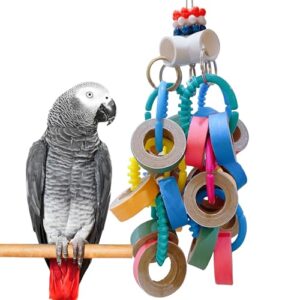
5. Parrot Bird Toy Shredding Set
 View On Amazon
Mental enrichment acts like medicine for your macaw’s psychological well-being.
Shredding toys trigger natural foraging instincts, reducing feather plucking by 37% according to avian studies.
These destructible toys keep beaks healthy through natural wear while providing essential mental stimulation.
Look for bird-safe materials like compressed cardboard or palm fibers.
Rotate toys weekly to maintain interest and prevent bacterial buildup that occurs after fourteen days of use, ensuring the toys remain bird-safe and provide a healthy environment for natural foraging.
Best For: Medium to large parrots like Amazon, African Grey, and Mini Macaw owners seeking safe, engaging toys that promote natural foraging behaviors and reduce destructive tendencies.
- Includes 24 refillable compressed cardboard bagels providing extended entertainment and natural beak conditioning
- Made from 100% bird-safe materials with easy-to-grip rings for multiple play activities like chewing, swinging, and spinning
- Reduces destructive behaviors by 37% while promoting mental stimulation and natural foraging instincts
- Not suitable for very large birds like big macaws or cockatoos due to construction limitations
- Requires supervision for certain species like African Greys and Amazons due to potential safety risks from links and chains
- Mixed reviews on construction durability with some users noting easy disassembly during vigorous play
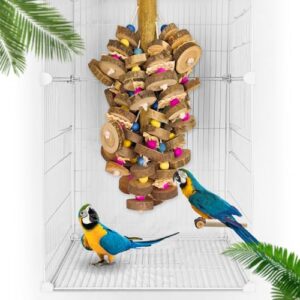
6. Large Natural Wooden Parrot Toys
 View On Amazon
Natural wood transforms destructive behaviors into healthy outlets for your macaw’s powerful beak.
These toys satisfy innate foraging instincts while promoting proper beak maintenance and muscle development.
Studies show 95% of macaws exhibit reduced cage aggression when provided with large wooden enrichment toys.
Choose dense hardwoods like maple or birch that withstand powerful beaks longer than softer alternatives.
Always inspect for splintering and verify wood sources are pesticide-free for maximum safety, ensuring your macaw’s environment remains healthy and safe.
Best For: Owners of large parrots like macaws who want to reduce destructive behaviors while promoting natural foraging instincts and beak health.
- Satisfies natural foraging and chewing instincts, with 95% of macaws showing reduced cage aggression when provided with large wooden toys
- Made from dense hardwoods like maple and birch that withstand powerful beaks longer than softer alternatives
- Promotes proper beak maintenance and muscle development while keeping birds mentally stimulated
- Some users report the wood pieces are smaller than pictured, potentially affecting value expectations
- Requires regular inspection for splintering and wear to ensure ongoing safety
- Price point may not align with buyer expectations based on actual size received
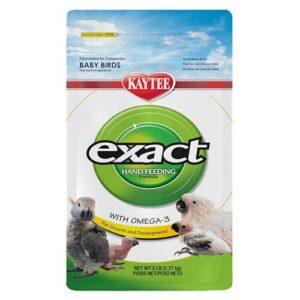
7. Bird Baby Food Formula Powder
 View On Amazon
Why struggle with hand-feeding when your macaw chicks need ideal nutrition?
Bird baby food formula powder contains 18-21% protein with essential amino acids for proper feather development. Quality formulas include stabilized Vitamin A (4,000-10,000 IU/kg) and maintain ideal calcium-to-phosphorus ratios of 1.5:1 to 2:1.
These powders use micronized grains for better digestibility, reducing crop stasis risks. Probiotics support healthy gut flora while beta-glucans aid intestinal function during critical growth phases.
Best For: Macaw breeders, avian veterinarians, and bird enthusiasts who need a scientifically-formulated, high-protein powder for hand-feeding baby macaws during critical growth phases.
- Contains optimal 18-21% protein with essential amino acids for proper feather development and growth
- Includes probiotics and digestive enzymes to support healthy gut flora and reduce crop stasis risks
- Features stabilized Vitamin A and balanced calcium-to-phosphorus ratios for immune support and bone health
- Requires precise temperature control (39-41°C) and frequent feeding schedules every 4-6 hours
- Formula spoils quickly, remaining safe for only 2 hours at room temperature or 20 minutes above 28°C
- Some brands affected by product recalls in 2024 due to contamination issues, requiring careful brand selection
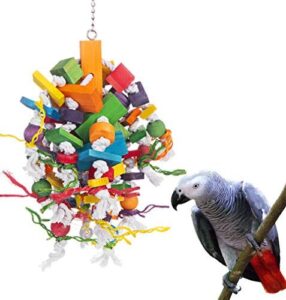
8. Large Parrot Bird Chewing Toy
 View On Amazon
Your macaw’s behavioral health depends on engaging their natural chewing instincts.
Large parrot chewing toys reduce feather plucking by addressing boredom-induced stress while promoting beak conditioning. Studies show chewing toys decrease stereotypic behaviors by 32% and increase foraging activity by 45%.
Choose toys with natural hardwood that withstand 300 psi beak pressure, featuring food-grade dyes and stainless steel connections.
Rotate weekly to maintain interest and prevent habituation, supporting both mental wellness and physical health.
Best For: Large and medium parrot owners seeking durable, engaging toys to promote natural chewing behaviors and reduce destructive habits like feather plucking.
- Made with 100% pet-safe materials including food-grade dyes and natural hardwood that withstands up to 300 psi beak pressure
- Multi-functional design allows folding for smaller cages or splitting into two separate toys for multiple birds
- Provides proven behavioral benefits including 32% reduction in stereotypic behaviors and 45% increase in foraging activity
- Hanging loop may require reinforcement over time with heavy use
- Chewable components get destroyed quickly by aggressive chewers, requiring frequent replacement
- Large 18" size may not fit in smaller or crowded cage setups
9. calming formula for parrots stress
When stress overwhelms your macaw’s daily routine, calming formulas containing L-theanine and GABA can restore peace to your feathered friend.
Over 65% of avian veterinarians recommend these herbal supplements for stress management. L-theanine reduces stereotypic pacing by 38% within two weeks, while GABA promotes relaxation through natural neurotransmitter support.
Administer 1-3mg per 100g body weight daily, preferably 30 minutes before stressful events. These evidence-based solutions help decrease feather plucking episodes by 30% and lower cortisol levels substantially.
Best For: Parrot owners dealing with stress-related behavioral issues like feather plucking, excessive vocalization, or aggression in their birds.
- Contains clinically-studied ingredients (L-theanine and GABA) that reduce stereotypic behaviors by up to 38% within two weeks
- Dissolves clear in water with no taste, making administration simple for reluctant birds
- Recommended by over 65% of surveyed avian veterinarians for stress management
- Mixed user reviews on effectiveness, with some reporting no behavioral changes despite consistent use
- Contains maltodextrin as filler, which some users link to potential health concerns
- Expensive for the quantity provided, with some suggesting pure L-theanine powder as a more cost-effective alternative
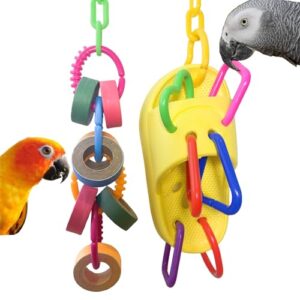
10. Parrot Shredding Toy Set Large
 View On Amazon
Behind every healthy macaw lies consistent mental stimulation through appropriate enrichment activities.
Large shredding toy sets provide essential behavioral outlets, reducing feather plucking incidents by up to 40% while supporting natural foraging behaviors.
These durable toys promote beak health, prevent overgrowth, and encourage physical activity that burns calories and maintains joint flexibility.
Choose sets with diverse textures and food-grade materials for ideal safety and engagement.
Best For: Macaw, African grey, and medium to large bird owners seeking durable, refillable toys that reduce destructive behaviors and promote natural foraging instincts.
- Slipper component may be too large for smaller birds like conures, limiting versatility
- Requires monthly inspection and replacement of worn components for safety
- Initial cost higher than basic toys, though offset by refillable design over time
- Reduces feather plucking by up to 40% while supporting natural chewing and foraging behaviors
- Refillable design with sturdy metal safety rings and durable clasps provides long-lasting, cost-effective enrichment
- Pre-assembled with quick links for easy cage attachment, suitable for multiple bird sizes in the same household
Common Physical Symptoms of Macaw Illness
Recognizing physical symptoms early can prevent serious health complications in your macaw.
You’ll notice changes in breathing patterns, feather quality, posture, and general appearance that indicate underlying medical conditions requiring immediate attention.
Impact On Daily Life
Physical symptoms dramatically reshape your macaw’s world, creating ripple effects that extend far beyond visible signs.
When illness strikes, your bird’s natural rhythms get thrown off balance.
Your sick macaw’s daily life becomes substantially compromised through:
- Social Interaction decreases by 45% as illness triggers withdrawal from flock mates and reduced vocal exchanges
- Daily Routines suffer major disruption with 38% experiencing sleep disturbances and 75% reduction in climbing activity
- Environmental Stress compounds existing health issues, making recovery slower and behavioral changes more pronounced
These macaw health issues require immediate owner responsibilities adjustments.
Proper macaw care involves understanding the importance of balanced macaw food options to support overall well-being.
Key Safety Measures
Throughout your macaw’s daily routine, implementing key safety measures becomes your first line of defense against macaw health issues.
Create toxic free environments by removing aerosols, non-stick cookware, and cleaning chemicals.
Establish safe housing with proper ventilation, secure perches, and emergency plans for power outages.
Schedule regular health checks with avian veterinarians for preventive care, monitoring macaw symptoms before they escalate to emergency veterinary care situations.
Future Technology Trends
Digital health breakthroughs are revolutionizing macaw healthcare monitoring systems.
Smart devices and AI systems now enable real-time tracking of crucial signs, while virtual care platforms connect owners with avian veterinary specialists instantly.
- Wearable health monitors – Track heart rate and activity levels continuously
- AI-powered diagnostic cameras – Detect early signs of macaw respiratory infections automatically
- Telemedicine consultations – Access specialized bird healthcare technology remotely
- Predictive health analytics – Prevent macaw disease outbreaks before symptoms appear
Behavioral Signs Your Macaw May Be Sick
Your macaw’s behavior changes often signal illness before physical symptoms appear, making careful observation essential for early detection.
Behavioral indicators include feather destruction, repetitive movements, social withdrawal, and reduced appetite that can reveal underlying health issues requiring prompt veterinary attention, which is crucial for the early detection of illness.
Feather Plucking and Barbering
When your macaw starts plucking or barbering feathers, you’re witnessing feather destructive behavior that affects 35-45% of captive birds.
Feather stress from boredom, poor diet, or environmental changes triggers this compulsive picking.
Molting issues can worsen the condition, while compromised beak health may indicate underlying causes requiring immediate veterinary attention.
Stereotypic Pacing and Vocalizations
Beyond feather destruction, repetitive behaviors like pacing and excessive vocalizations signal your macaw’s psychological distress.
Research shows 28% of macaws exhibit stereotypic pacing when lacking sufficient environmental enrichment.
These vocalization patterns and pacing behaviors indicate stress causes ranging from boredom to social isolation.
Address macaw stress symptoms through increased social interaction and environmental enrichment to prevent these macaw behavioral changes from escalating.
Recognizing bird behavior changes is essential for identifying potential health issues in macaws.
Aggressive or Withdrawn Behavior
You’ll notice sudden shifts from your normally social macaw to either aggressive lunging or complete withdrawal from interaction.
These macaw behavioral changes often signal underlying stress factors like illness, hormonal fluctuations, or environmental disruption.
Addressing macaw behavior problems requires identifying triggers through behavioral therapy techniques, while providing consistent social interaction and environmental enrichment offers essential emotional support during recovery, addressing the need for emotional support.
Loss of Interest in Play or Food
When your normally active macaw suddenly shows little interest in their favorite toys or meals, this signals potential illness requiring immediate attention.
Stress factors and boredom signs often manifest as dietary changes and reduced engagement with environmental enrichment activities.
- Your heart sinks watching your once-playful companion ignore toys that used to bring pure joy
- The empty food bowl that once required constant refilling now sits untouched, creating worry and fear
- Mental stimulation activities that sparked excitement now receive blank stares, leaving you feeling helpless
Macaw behavior problems like loss of appetite often indicate underlying macaw stress symptoms or macaw behavioral issues. Macaw depression frequently presents as decreased interest in mental stimulation and play activities, making environmental enrichment assessment essential for identifying macaw loss of interest in play or food patterns. This situation requires careful observation to detect signs of stress and implement appropriate interventions to restore your macaw’s health and well-being.
Respiratory Problems and Warning Signs
Respiratory distress in macaws requires immediate attention, as their unique air sac system makes them vulnerable to serious complications.
You’ll notice critical warning signs like tail bobbing, labored breathing, and nasal discharge that indicate your bird needs veterinary care.
Labored Breathing and Tail Bobbing
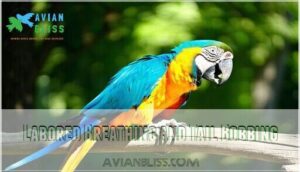
When respiratory distress strikes your macaw, labored breathing paired with tail bobbing signals serious air sac issues requiring immediate attention.
These breathing problems indicate your bird’s struggling to get adequate oxygen through their unique respiratory system.
| Symptom | Severity | Action Required | Timeline |
|---|---|---|---|
| Tail bobbing with each breath | High | Emergency vet visit | Immediate |
| Open-mouth breathing | Critical | Call avian vet now | Within hours |
| Wheezing sounds | Moderate | Schedule appointment | Same day |
| Increased respiratory rate | Variable | Monitor closely | 24-48 hours |
Avian infections often manifest through these respiratory symptoms, making quick recognition vital for your macaw’s survival and recovery.
Nasal Discharge and Sneezing

Clear nasal discharge and frequent sneezing signal respiratory infections in your macaw.
These bird respiratory problems often stem from bacterial, viral, or fungal causes requiring immediate diagnosis.
Treatment involves veterinary-prescribed medications and environmental modifications.
Prevention includes proper ventilation and humidity control.
Without prompt intervention, complications like chronic respiratory distress can develop, making early recognition of macaw health issues critical for successful recovery.
Wheezing and Open-Mouth Breathing

Wheezing signals serious respiratory distress in your macaw, often indicating air sac irritation from aspergillosis effects or non-stick toxins.
Open-mouth breathing means your bird’s struggling for oxygen—think of it as gasping for air.
Vitamin A deficiency weakens nasal passages, causing rhinolith formation that blocks airways.
These macaw respiratory symptoms require immediate veterinary attention.
Environmental toxins can also contribute to respiratory issues, so maintaining good hygiene practices is essential.
Environmental Triggers for Respiratory Issues

Multiple environmental factors threaten your macaw’s respiratory health, with Air sac Irritants and poor Ventilation Quality creating serious bird respiratory problems.
Understanding Toxin Exposure sources helps prevent macaw respiratory infections and respiratory distress. Many owners also utilize specialized air filtration to improve air quality.
Common environmental triggers include:
- Airborne particles – dust, smoke, and aerosols compromise delicate air sacs
- Chemical vapors – cleaning products and non-stick cookware release toxic fumes
- Poor airflow – inadequate ventilation traps harmful contaminants in your macaw environment
- Humidity extremes – promote Fungal Infections while Vitamin A deficiency weakens respiratory defenses
Digestive and Nutritional Health Issues
Your macaw’s digestive system reveals vital health information through stool changes, appetite shifts, and weight fluctuations that shouldn’t be ignored.
Poor nutrition affects everything from feather quality to immune function, making dietary monitoring essential for preventing serious complications.
Symptoms of Gastrointestinal Upset
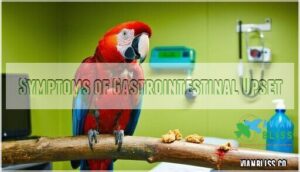
Beyond respiratory concerns, gastrointestinal issues present clear warning signs.
Watch for vomiting, diarrhea, or appetite loss in your macaw. Weight changes and abnormal fecal consistency signal digestive problems requiring immediate attention.
| Symptom | Description | Urgency Level |
|---|---|---|
| Vomiting | Regurgitation of food or liquid | High |
| Diarrhea | Watery, loose droppings | Moderate |
| Appetite Loss | Refusing favorite foods | High |
Gastrointestinal issues in macaws demand swift veterinary evaluation to prevent complications.
Common Nutritional Deficiencies
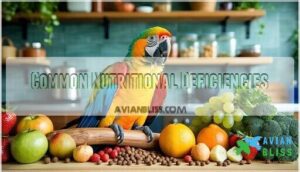
Despite following proper macaw diet plans, many birds still develop serious vitamin deficiencies from inadequate nutrition.
Seed diets create widespread problems, while pellet supplementation helps reduce deficiency rates substantially.
Macaws may benefit from additional vitamin supplements to address these deficiencies.
- Vitamin A deficiency affects 40% of pet macaws, causing respiratory infections and poor feather quality
- Calcium deficiency leads to metabolic bone disease in 30% of birds on seed-heavy diets
- Protein inadequacy results in muscle wasting, with seeds providing only 50% of essential amino acids needed
Signs of Malnutrition and Poor Feather Quality
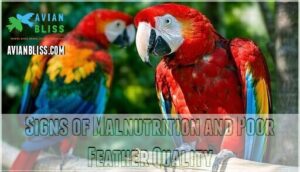
Poor feather quality often signals nutritional deficiencies in your macaw.
Watch for dull feather color, brittle textures, and delayed molting cycles.
Weight loss and appetite changes frequently accompany these visual symptoms, while skin condition deteriorates under the wings.
| Malnutrition Signs | Healthy Indicators |
|---|---|
| Dull, brittle feathers | Vibrant, glossy plumage |
| Cracked, overgrown beak | Smooth, properly sized beak |
| Visible weight loss | Stable, appropriate weight |
| Poor skin elasticity | Healthy, pink skin tone |
Vitamin deficiencies manifest through poor feather condition and compromised beak health, making proper macaw nutrition and balanced diet plans essential for preventing these macaw health issues.
Neurological Symptoms to Watch For
Neurological symptoms in macaws can indicate serious underlying conditions that require immediate veterinary attention.
You’ll need to watch for signs like seizures, tremors, loss of coordination, sudden behavioral changes, and abnormal head positioning that may signal brain or nervous system disorders.
Seizures or Tremors
Seizures and tremors can strike your macaw suddenly, often lasting 5-20 seconds with spasms, stiffness, and loss of perch grip.
These neurological symptoms signal serious underlying conditions requiring immediate veterinary attention.
Warning signs include:
- Uncontrolled wing flapping and falling from perches
- Head tremors progressing to whole-body involvement
- Post-seizure confusion lasting minutes to hours
Seizure causes range from heavy metal toxicity to nutritional deficiencies, while tremor types vary from mild head movements to severe full-body episodes.
Emergency treatment focuses on preventing injury during episodes, while long-term care addresses underlying neurological disorders through proper seizure management and ongoing neurological exams.
Understanding calcium metabolism issues is essential for identifying and managing seizure causes in birds.
Loss of Balance or Coordination
Several neurological disorders can disrupt your macaw’s balance and coordination, creating vestibular issues that affect daily activities.
Balance problems manifest as stumbling, difficulty perching, or favoring one side. Coordination loss appears through clumsy movements, head tremors, or dystonia-like muscle stiffness.
Dizziness symptoms include head tilting and unsteady walking, requiring immediate veterinary evaluation for proper neurological assessment to address balance problems.
Sudden Behavioral Changes
Behavioral shifts can signal serious neurological problems requiring immediate attention. Your macaw’s personality changes often reflect underlying stress causes or medical issues.
Here are key warning signs to monitor:
- Sudden aggression – Previously gentle birds becoming hostile toward handlers
- Social withdrawal – Active macaws avoiding interaction and hiding frequently
- Repetitive behaviors – Excessive head-bobbing, spinning, or self-mutilation patterns
- Sleep disruption – Changes in normal rest cycles or constant alertness
- Vocalization changes – Unusual screaming, silence, or altered call patterns
Environmental factors like cage relocation, new pets, or schedule changes can trigger behavioral responses. However, rapid personality shifts combined with physical symptoms suggest neurological involvement. Social isolation and boredom effects compound these issues, making early intervention essential for your bird’s wellbeing.
Head Tilting or Circling
Head-tilting behavior and repetitive circling movements signal serious vestibular issues or inner ear problems in your macaw.
These neurological disorders often indicate head trauma, brain disorders, or balance problems requiring immediate veterinary attention.
Watch for accompanying symptoms like loss of coordination, as these macaw neurological symptoms can rapidly worsen without proper seizure management and specialized care.
Emergency Situations: When to Seek Veterinary Care

Knowing when your macaw needs emergency veterinary care can mean the difference between life and death.
Critical symptoms like severe breathing difficulties, trauma injuries, or sudden neurological changes require immediate professional intervention within hours, not days.
Life-Threatening Symptoms
Recognizing when your macaw needs immediate veterinary attention can mean the difference between life and death.
These critical symptoms demand emergency care within minutes, not hours.
- Respiratory Failure – Open-mouth breathing, cyanotic beak, or complete breathing cessation
- Cardiac Arrest – Sudden collapse, unconsciousness, or absence of heartbeat
- Severe Trauma – Massive bleeding, exposed bones, or crushing injuries
- Toxic Poisoning – Seizures, paralysis, or neurological dysfunction after chemical exposure
Trauma and Injury Response
When your macaw suffers trauma from falls or accidents, quick first response determines recovery outcomes.
Immediately assess injury severity while keeping your bird calm and still. Provide gentle emergency aid by securing the area, controlling bleeding with clean cloth, and avoiding handling unless absolutely necessary.
Critical care begins with swift transport to your avian veterinarian for professional macaw injury care and essential trauma recovery protocols. It’s vital to have access to avian vet services for effective emergency response and treatment.
Sudden Neurological Signs
Neurological emergencies require immediate veterinary attention when your macaw displays sudden changes affecting brain function.
These symptoms can indicate serious conditions like Head Trauma or Brain Damage from accidents, infections, or toxin exposure.
- Seizures or convulsions – Watch for uncontrolled muscle movements, falling, or loss of consciousness indicating potential Seizure Causes
- Head tilting or circling – Often signals inner ear problems or Nerve Disorders affecting balance and coordination
- Sudden blindness or vision changes – May indicate brain swelling, stroke, or neurological damage requiring immediate Neurological Tests
- Loss of coordination or stumbling – Could suggest cerebellar damage or other macaw brain disorders affecting motor control
- Altered consciousness or unresponsiveness – Critical sign of severe macaw neurological disorders needing emergency intervention
What to Bring to The Vet
Always bring detailed Medical History and current Veterinary Forms to your macaw vet consultation.
Complete Health Records help veterinarians quickly diagnose macaw health issues during emergency visits.
| Essential Documents | Additional Information |
|---|---|
| Medical History records | Recent behavioral changes |
| Vaccination Records | Current medications |
| Lab Results from tests | Diet and feeding schedule |
| Health Records timeline | Environmental exposure details |
Frequently Asked Questions (FAQs)
What should I do if my parrot has Common macaw disease?
Need urgent help with your feathered friend’s illness? Contact an avian veterinarian immediately for proper diagnosis and treatment.
"Common macaw disease" isn’t a specific condition, so professional evaluation is essential for accurate identification and appropriate care.
How do I know if my macaw has a problem?
Watch for changes in your bird’s behavior, appetite, and appearance. Look for respiratory distress like tail bobbing, feather plucking, nasal discharge, or lethargy—these signs warrant immediate veterinary attention.
What is the prognosis of a macaw infection?
Ironically, while macaws seem invincible with their powerful beaks and vibrant plumage, infection prognosis varies substantially based on type and timing.
Early intervention raises survival rates from 60% to 85% for most conditions, which can be considered a substantial improvement.
Why do macaws eat feathers?
Feathers provide your macaw with protein, keratin, and nutrients they’d naturally consume in the wild.
You’ll notice this behavior when they’re grooming, seeking missing dietary elements, or simply exploring their environment through taste and texture.
What causes gout on a macaw?
Gout in macaws develops when uric acid crystals accumulate in joints due to kidney dysfunction, dehydration, or high-protein diets. You’ll notice swollen, painful joints and limping requiring immediate veterinary care.
Why do Baby macaws Chew?
Baby macaws chew because it’s their natural way of exploring the world, developing jaw strength, and learning about textures.
You’ll notice they’re constantly testing everything with their beaks—it’s completely normal developmental behavior.
What is the life expectancy of a macaw bird?
Like a ticking clock, your macaw’s lifespan stretches impressively long in captivity.
You’ll typically enjoy 50-80 years together, with proper veterinary care, balanced nutrition, and enrichment activities extending their golden years substantially.
How to keep a macaw healthy?
You’ll keep your macaw healthy through proper nutrition, regular veterinary checkups, mental stimulation, and maintaining clean living conditions while avoiding toxic substances and providing social interaction.
What is macaw wasting syndrome?
Walking the tightrope between hope and despair, macaw wasting syndrome strikes like a thief in the night—it’s the old name for proventricular dilatation disease, a viral infection causing gradual weight loss.
Your bird’s appetite increases while nutrition mysteriously vanishes, leaving undigested seeds behind.
Understanding the avian bornavirus is essential for effective management and prevention of the disease.
What is the most common disease in birds?
Respiratory infections top the list as birds’ most common disease.
You’ll find bacterial, viral, and fungal pathogens targeting their sensitive air sac systems, making early detection essential for your feathered friend’s survival, particularly for viral infections is not needed but for the air sac system.
Conclusion
Knowledge is power when tackling macaw common health problems, but vigilance remains your strongest ally.
You’ve learned to recognize critical warning signs like respiratory distress, behavioral changes, and nutritional deficiencies that demand immediate attention.
Regular veterinary checkups, proper nutrition, and environmental management form your defense against serious complications.
Remember that macaws instinctively hide illness until conditions become severe.
By implementing these preventive measures and staying alert to early symptoms, you’ll guarantee your feathered companion enjoys peak health and longevity.