This site is supported by our readers. We may earn a commission, at no cost to you, if you purchase through links.
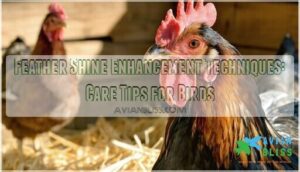 A hen’s feathers catch the light like polished gemstones when she’s thriving, but that radiance isn’t just for show. Feather condition functions as a diagnostic window into your bird’s nutritional status, immune function, and overall vitality. Dull, brittle plumage often signals protein deficiency, inadequate fatty acids, or chronic stress before other symptoms appear.
Whether you’re raising backyard layers, preparing show birds, or rehabilitating rescue fowl, understanding feather shine enhancement techniques gives you practical tools to support structural integrity from the inside out. The secret lies in recognizing that glossy feathers aren’t created by topical products alone—they’re built through deliberate nutrition, strategic supplementation, and consistent husbandry practices that address the physiological needs of growing keratin.
Table Of Contents
Key Takeaways
- Feather shine reflects internal health status, functioning as an early diagnostic tool for nutritional deficiencies, immune problems, and stress levels before other symptoms become visible.
- Glossy feathers require a complete nutritional foundation—specifically adequate protein for keratin production, essential fatty acids (omega-3 and omega-6) for texture and color vibrancy, and key vitamins (A, D, E, K, and biotin) working synergistically rather than topical treatments alone.
- Daily maintenance practices like strategic bathing timing (3-5 days before shows to restore natural oils), consistent parasite prevention, and stress reduction through proper coop design directly impact feather quality and appearance.
- Supplements like spirulina, targeted biotin, vitamin E, and direct oil sources (flaxseed, hemp, fish oils) deliver better results than whole foods because birds can’t efficiently extract these nutrients from seeds and nuts through digestion alone.
Why Feather Health Matters for Birds
Your bird’s feathers aren’t just for looks—they’re a window into overall health, from thermal regulation to flight capability. Dull, damaged plumage often signals nutritional gaps, stress, or underlying illness before other symptoms appear.
Let’s examine three core reasons feather condition deserves your attention.
Functions of Feathers in Bird Health
Feathers aren’t just for show—they’re a bird’s first line of defense against heat loss, injury, and environmental stress. Here’s how they support bird health:
- Thermoregulation and insulation properties keep your bird warm by trapping air close to the skin
- Flight mechanics and mobility depend on intact feathers for lift, balance, and agility
- Skin protection shields against UV damage, abrasions, and parasites
Healthy feather care directly impacts avian health, making feather health essential for bird wellness.
Visual Indicators of Well-Being
When you look at a bird, the feathers tell the story first—dull plumage signals trouble while vibrant, sleek feathers point to sound health underneath.
A bird’s feathers reveal its health before symptoms appear—vibrant plumage signals wellness, while dull feathers warn of trouble
Feather color, sheen, density, and symmetry reveal nutritional status, while abnormal molting patterns flag stress or illness.
Shiny healthy feathers don’t just look good—they’re your clearest window into bird wellness, making feather care essential for maintaining bird health.
Impact on Mobility and Performance
Beyond aesthetics, damaged or incomplete feather coverage directly compromises a bird’s ability to fly efficiently, maintain body temperature, and perform everyday physical tasks. Poor feather aerodynamics increase energy expenditure during flight, affecting balance maintenance and predator evasion.
You can’t overlook how feather health shapes survival—proper feather care and maintenance through rooster grooming techniques protects mobility, ensuring your birds maintain shiny healthy feathers that function as nature intended.
Key Nutrients for Glossy Feather Growth
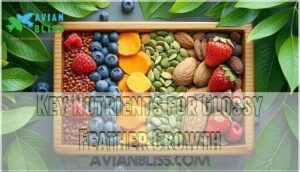
Your bird’s diet works like fuel for feather production, and certain nutrients make the difference between dull plumage and a vibrant shine. Without the right building blocks, feathers won’t develop their full color, strength, or luster.
Here’s what your bird needs to grow feathers that catch the light.
Role of Protein and Amino Acids
Protein is the building block of keratin, the tough structural material that forms every strand, barb, and barbule in a bird’s feathers. Without adequate amino acids from dietary protein, your bird can’t complete the protein synthesis needed for strong feather structure.
High-quality amino sources like insects, legumes, and quality pellets fuel keratin production directly. When dietary needs are met, you’ll notice improved feather health and natural feather shine in your bird’s plumage.
Essential Vitamins (A, D, E, K, Biotin)
Your bird’s feather shine depends on five fat-soluble vitamins and one water-soluble superstar. Vitamin A aids pigment deposition, while Vitamin D regulates calcium for strong feather follicles. Vitamin E protects cell membranes during feather growth, and Vitamin K aids blood supply to developing feathers.
Here’s what biotin benefits bring to the table:
- Strengthens keratin bonds for durable feather structure
- Boosts natural luster and color intensity
- Accelerates molt recovery and regrowth
Bird vitamins work together—vitamin supplements containing these nutrients aid feather shine when combined with essential fatty acids. A balanced diet ensures optimal bird health.
Importance of Minerals and Greens
Without trace minerals like zinc, selenium, and calcium paired with dark leafy greens, your bird’s feathers won’t reach their full potential—no matter how much protein you offer. Mineral absorption depends on dietary balance—greens like kale and spinach deliver vitamins while enabling minerals to work efficiently.
Mineral deficiency shows up fast: dull feathers, brittle shafts, and poor feather shine. Time supplements with meals to boost nutrition and support your bird diet’s complete spectrum.
Essential Fatty Acids and Feather Shine
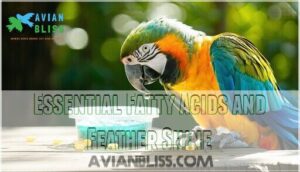
Your bird’s feathers won’t look their best without the right fats in their diet. While nuts and seeds contain healthy oils, whole foods alone don’t give birds what they need because their digestive systems can’t fully extract these nutrients.
That’s where essential fatty acid supplements make all the difference for achieving that vibrant, glossy plumage you’re after.
Difference Between Oils and Whole Foods
While walnuts, flaxseeds, and hemp seeds contain omega fatty acids, your bird’s digestive system can’t break down these whole foods efficiently enough to extract the essential oils their feathers need.
That’s where supplement efficiency makes the difference. Direct oil absorption bypasses the challenge of whole food digestion, delivering omega 3 and omega 6 in forms with higher nutrient bioavailability.
This improved fatty acid conversion translates directly into feather shine your bird couldn’t achieve from seeds alone.
Best Sources of Omega 3 and 6
Flaxseed oil tops the list for omega 3, delivering up to 69% alpha-linolenic acid that your bird’s body can use immediately. Hemp oil and hempseed products raise egg yolk ALA twelvefold while boosting DHA threefold. Fish oil pushes total omega 3 past 200 mg per yolk, and algal meal provides 40% DHA for birds that need it.
For omega 6, sunflower oil supplies 65% linoleic acid. Chia seeds offer another plant option with 59% ALA in their oil.
Including hempseed products in poultry feed can greatly boost omega-3 content.
Benefits for Feather Texture and Color
Feed your bird those omega-rich oils, and you’ll see the payoff in every feather—deeper color, softer barbs, and a gloss that catches light like polished glass. Essential fatty acids strengthen keratin structure while amplifying pigment expression, turning dull plumage into a vibrant display of health.
- Texture improvement smooths barbules and reduces brittleness
- Color vibrancy intensifies through enhanced pigment deposition
- Shine amplification creates reflective surfaces that signal vitality
- Visual appeal directly indicates healthy feather health and proper maintenance
Natural Supplements for Feather Enhancement
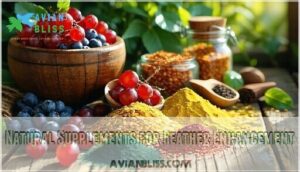
Your bird’s feathers won’t reach their full potential without the right nutritional support. Natural supplements can fill the gaps that diet alone might miss, especially during molting or recovery.
Here’s what works best to boost feather health from the inside out.
Spirulina and Immunity Boost
Spirulina benefits your birds by strengthening their immune response, which reduces oxidative stress throughout the body. When birds face less cellular damage, their overall condition improves—and that shows up as healthier feather growth and shine. You’re basically supporting feather sheen from the inside out.
This blue-green algae works as an avian supplement, boosting poultry nutrition and wellness while enhancing the quality of every new feather that emerges during growth cycles.
Molting Recovery With Twitty and Rooster Evolution
Rooster Evolution supplies collagen and biotin, fueling faster feather regrowth and stronger structure once molting starts. You’ll want about two tablespoons per liter of water, given three to four times weekly during molt.
Twitty complements this by supporting recovery and shortening the period your birds spend regrowing coverage.
Together, these supplements form a practical product synergy that keeps feather maintenance on track through the entire molt duration.
Incorporating Biotin and Vitamin E
Beyond the foundation those products provide, your birds need direct biotin and vitamin E to lock in the keratin structure and protect feather cells from oxidative stress. You can supply biotin through brewer’s yeast or dedicated supplements, aiming for roughly 200 micrograms per kilogram of body weight daily. Vitamin E appears in wheat germ oil or liquid tocopherol drops mixed into feed.
- Biotin benefits include stronger keratin production, reducing breakage during regrowth phases
- Vitamin E sources protect cell membranes, preserving shine and preventing dullness from free radicals
- Supplement timing works best when started two weeks before molt to prepare tissue reserves
- Dosage guidance varies by species size—consult product labels and adjust for your flock’s weight
Daily Feather Care and Maintenance Tips
Keeping your bird’s feathers in top condition doesn’t happen by accident. It takes consistent attention to three main areas: cleanliness, pest control, and your bird’s environment.
Let’s look at the practical steps you can take every day to maintain those glossy, healthy feathers.
Cleaning Techniques and Washing Frequency
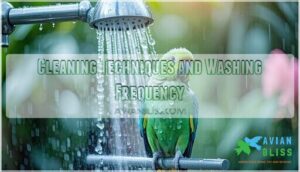
You don’t need to bathe your bird every week, but a well-timed wash can remove dust and debris that dulls feather shine.
For pre-show prep, washing 3-5 days before events allows natural oils to return, which protects against feather damage.
Use mild cleaning products and let your bird air-dry or gently towel-dry to support healthy feather growth and maintenance.
Parasite Prevention and Coop Hygiene
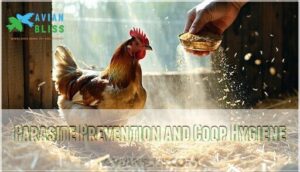
A clean coop is your first line of defense against mites and lice, which destroy feather quality faster than any nutritional gap.
Check for parasites weekly by examining skin near the vent and under wings—early identification prevents widespread damage.
Use safe hygiene products and replace bedding every 7–10 days to interrupt pest life cycles and support healthy feather growth.
Stress Reduction and Safe Living Spaces

Overcrowding, loud noises, and rough treatment create chronic stress that weakens immune function and triggers feather damage—sometimes even premature molting.
Design your coop with enough space to prevent bullying and include enrichment activities like perches at varied heights.
Predator protection and noise reduction are essential bird wellness strategies that support pet bird care, bird behavior, hygiene, and overall animal wellness.
Preparing Birds for Shows and Competitions

When you’re preparing your birds for a show, presentation matters just as much as health. The way you wash, dry, and care for feathers in the days leading up to competition can make or break your bird’s appearance.
Let’s walk through the key steps to get your birds looking their absolute best under those judging lights.
Timing and Process of Bird Washing
Getting the timing right when washing your bird can make all the difference between a dull, stressed-looking competitor and one that radiates health and vitality under the show lights. Plan to wash at least three to five days before the event, allowing natural oils to return to the feathers.
Use lukewarm water temperature and gentle avian-safe products to prevent feather damage. Thorough drying methods matter—pat with microfiber cloths rather than rubbing.
This washing frequency aids bird hygiene while maintaining avian health and hygiene for fowl maintenance and pet bird care routines.
Restoring Natural Oils Before Events
After the wash, those three to five days aren’t just idle waiting time—they’re when your bird’s natural sebaceous glands kick into high gear, secreting the oils that transform clean feathers into a lustrous, water-resistant coat.
During this oil replenishment period, you can gently wipe away dust with microfiber cloths or use alcohol to remove residue—it evaporates quickly without disrupting feather health.
This washing timing ensures your bird achieves a natural appearance and peak shine for show preparation.
Enhancing Iridescence and Feather Condition
Iridescence in birds emerges when keratin layers and melanosomes within feather microstructure interact with light, producing structural colors that shift with viewing angle.
To optimize these optical properties of feathers, you’ll need consistent nutrition—essential fatty acids support feather pigments while protein builds the keratin framework.
Maintaining feather condition through stress-free housing and parasite control protects the delicate barbule architecture that creates shine.
These feather shine enhancement techniques work together, transforming basic care into striking iridescence.
Frequently Asked Questions (FAQs)
How often should I supplement fatty acids?
You’ll want to add essential fatty acids to your bird’s diet daily or every other day. Consistency matters most during molting seasons when feather production peaks.
Adjust dosage frequency based on your bird species’ needs and any dietary changes in avian nutrition.
Can overfeeding protein damage feather quality?
Ironically, too much of a good thing becomes harmful. Excessive protein causes Liver Stress, Uric Acid buildup, and Amino Imbalance, leading to Protein Toxicity.
This triggers Feather Deformities and disrupts normal Feather Growth, creating Nutritional Deficiencies that compromise Avian Nutrition and overall Feather quality.
What causes feather discoloration in healthy birds?
Even healthy birds experience feather discoloration from sun bleaching, which fades pigments over time.
Diet impact and nutritional deficiencies also alter feather coloration by limiting the raw materials needed during molt changes, when new feathers form.
Do different breeds require different shine techniques?
While breed feather types and genetic predispositions remain consistent, you don’t need completely different routines. All poultry grooming benefits from essential fatty acids and proper avian health and hygiene.
However, exhibition poultry with dense plumage may need more oil-based products, while light-feathered breeds show sensitivity to heavy applications. Breed-specific diets support bird feather health universally.
How long does molting typically last?
Molting duration factors vary by species, but most birds complete molt cycles in six to twelve weeks.
Feather growth depends on avian nutrition and diet, stress levels, and environmental impact, affecting bird feather health throughout the process.
Conclusion
Think of feather care like upgrading your phone’s operating system—you can’t just polish the screen and expect better performance. Real feather shine enhancement techniques start beneath the surface, where amino acids, omega fatty acids, and targeted vitamins build structural integrity one barbule at a time.
When you align nutrition with low-stress environments and consistent hygiene, your birds don’t just look competition-ready—they function at their physiological best, proving that lasting radiance is always an inside job.