This site is supported by our readers. We may earn a commission, at no cost to you, if you purchase through links.
single handful of bird seeds can turn a quiet balcony into a lively gathering spot for cardinals, finches, and even the occasional blue jay. The right blend draws bright feathers and cheerful songs, but the wrong choice leaves you sweeping up husks and chasing off squirrels.
It’s not just about tossing seeds—balcony feeders demand smart picks and a bit of know-how. Whether you’re aiming for less mess, more birds, or fewer pests, finding the best bird seeds for balcony feeders makes all the difference.
Let’s look at blends and tips that help your balcony become the best spot in the neighborhood.
Table Of Contents
Key Takeaways
- Choosing high-quality, shell-free seeds like black-oil sunflower and safflower keeps your balcony tidy and attracts more birds while discouraging squirrels.
- Matching seed blends and feeder styles to local bird species and seasonal needs brings a wider variety of visitors and supports their health.
- Filling feeders with smaller amounts and cleaning them regularly prevents mold, reduces waste, and keeps your balcony safe for birds and neighbors.
- Avoiding filler-heavy blends and storing seeds in airtight containers helps maintain freshness, lowers mess, and ensures birds get the nutrients they need.
5 Best Bird Seeds for Balcony Feeders
Not every bird seed works well on a balcony — space is tight, neighbors are close, and mess matters. The right blend makes a real difference in which birds show up and how often.
For tips on choosing feeders that keep things tidy and neighbor-friendly, check out these best bird feeders for apartment balconies.
Here are five seeds worth keeping in your feeder rotation this year.
1. Kaytee All American Bird Seed
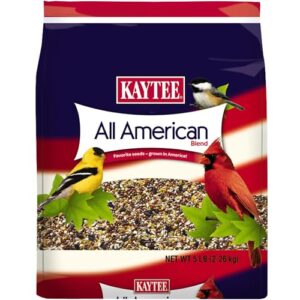
If you’re just getting started with balcony feeding, the Kaytee All American Bird Seed is a solid first choice.
This 5 lb blend combines black oil sunflower with mixed grains, plus added Vitamin A, Vitamin D3, and calcium carbonate — small touches that genuinely support bird health.
It works in hoppers, trays, and ground feeders, attracting cardinals, finches, and blue jays.
At $5.99, it’s budget-friendly for casual feeders, though heavy users may find themselves refilling often.
| Best For | Casual backyard birders and beginners who want an affordable, no-fuss seed blend that attracts a variety of common species without breaking the bank. |
|---|---|
| Net Weight | 5 lb |
| Brand | Kaytee |
| Formulation Type | Allergen-Free |
| Intended Use | Backyard feeding |
| Main Ingredients | Grain, sunflower, vitamins |
| Suitable For | All life stages |
| Additional Features |
|
- Attracts a wide mix of birds — cardinals, blue jays, finches, and more
- Added vitamins and calcium carbonate give it a small nutritional edge over basic blends
- At $5.99, it’s an easy, low-commitment buy for small yards or balconies
- Contains filler seeds, so it won’t impress specialty or hard-to-attract species
- Squirrels love it too, so you’ll want a squirrel-proof feeder
- Higher cost per pound than bulk options — frequent feeders will burn through it fast
2. Kaytee Nut Fruit Wild Bird Seed
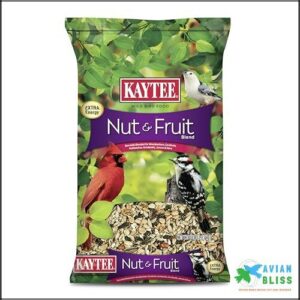
If you want to bring in a wider crowd of feathered visitors, the Kaytee Nut & Fruit Wild Bird Seed is a step up worth considering. This 5 lb blend combines sunflower seeds, peanuts, mixed nuts, raisins, and dried cherries — basically a backyard buffet.
Cardinals, chickadees, woodpeckers, and grosbeaks all respond well to it.
At $12.59, it costs a bit more, but the variety pays off in longer feeder visits and more species showing up at your balcony rail.
| Best For | Bird watchers who want to attract a wide variety of species and don’t mind refilling the feeder often. |
|---|---|
| Net Weight | 5 lb |
| Brand | Kaytee |
| Formulation Type | Allergen-Free |
| Intended Use | Outdoor use |
| Main Ingredients | Sunflower, nuts, fruit |
| Suitable For | All life stages |
| Additional Features |
|
- Draws in a great mix of birds — cardinals, woodpeckers, chickadees, grosbeaks, and more
- High-energy nuts and fruit keep birds coming back for longer visits
- Works year-round and fits most feeder types, including platform and ground stations
- Squirrels and other wildlife love it just as much as the birds do
- The blend goes fast, so you’ll be refilling more than you might expect
- Some birds skip the peanuts, and small black sunflower seeds dominate the mix
3. Wild Harvest Small Bird Seed Blend
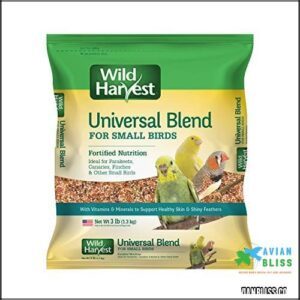
For smaller birds like finches, parakeets, and canaries, the Wild Harvest Small Bird Seed Blend hits a different sweet spot. At just $3.94 for a 3 lb bag, it’s one of the most budget-friendly options on this list.
The mix includes canary grass seed, red and white millets, oat groats, and nyjer — all sized right for tiny beaks. It’s also fortified with vitamins A, D3, and B-complex, so your backyard visitors get more than just a quick snack.
| Best For | Small bird owners — or anyone feeding finches, parakeets, and canaries — who want a solid everyday seed blend without spending much. |
|---|---|
| Net Weight | 3 lb |
| Brand | Wild Harvest |
| Formulation Type | Rawhide-Free |
| Intended Use | Small bird diet |
| Main Ingredients | Millet, seeds, grains |
| Suitable For | Baby/small birds |
| Additional Features |
|
- Great value at under $4 for 3 lbs, especially if you’re feeding multiple birds
- Seed variety mirrors natural foraging, so birds stay interested and actually eat it
- Fortified with vitamins and minerals, making it a more complete daily diet than plain seed mixes
- Some bags arrive with cuts or packaging damage, which can make a mess
- Occasional batches run dusty or full of hull fragments — you might want to sieve before filling the cup
- Contains artificial dyes and soy, which could be a problem for birds with sensitivities
4. Kaytee Ultimate Wild Bird Seed
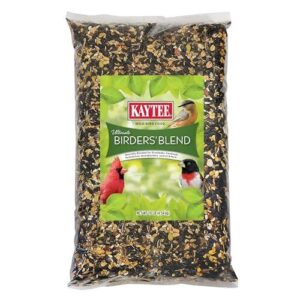
If you’re feeding a broader crowd, the Kaytee Premium Wild Bird Seed earns its spot quickly. This 10 lb blend packs safflower, peanuts, striped sunflower, millet, and cracked corn into one bag — covering everything from cardinals and chickadees to woodpeckers and finches.
For tips on keeping your feeders inviting and choosing seeds that attract specific birds year-round, check out this guide to selecting bird food for different species.
It’s also calcium-fortified, which quietly helps bone health during breeding season.
The shell-free components cut down on balcony mess, and at $19.99, you’re getting solid variety without overpaying.
Store it in an airtight container and it stays fresh longer.
| Best For | Backyard bird lovers who want to attract a wide variety of songbirds with one versatile, nutrient-rich seed blend. |
|---|---|
| Net Weight | 10 lb |
| Brand | Kaytee |
| Formulation Type | Allergen-Free |
| Intended Use | Backyard feeding |
| Main Ingredients | Millet, sunflower, nuts |
| Suitable For | All life stages |
| Additional Features |
|
- Attracts a solid range of birds — cardinals, woodpeckers, finches, blue jays, and more — all from one bag.
- Calcium-fortified mix supports bird health, especially during breeding season.
- Shell-free components mean less mess on the ground or balcony.
- Some seeds may go ignored depending on which birds visit your yard, leading to waste.
- Squirrels are likely to help themselves too.
- Contains artificial flavor, which may be a dealbreaker if you prefer all-natural ingredients.
5. Audubon Park Cardinal Bird Seed
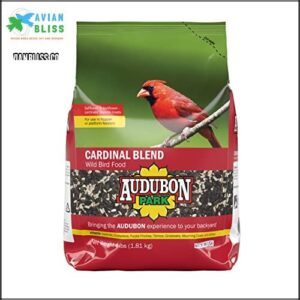
If cardinals are your main goal, the Audubon Park Cardinal Blend keeps things refreshingly simple. It’s 100% black-oil sunflower and safflower — no fillers, no corn, no guesswork.
That safflower does double duty: cardinals love it, and squirrels mostly don’t.
You’ll also see chickadees, titmice, grosbeaks, and finches stopping by regularly.
At $7.99 for 4 lbs, it costs a little more per pound, but the low-mess formula and targeted appeal make it worth it for a tidy balcony setup.
| Best For | Backyard birders who want to attract cardinals and songbirds while keeping squirrels and mess to a minimum. |
|---|---|
| Net Weight | 4 lb |
| Brand | Audubon Park |
| Formulation Type | Dry Seed Blend |
| Intended Use | Wild bird feeding |
| Main Ingredients | Sunflower, safflower |
| Suitable For | All life stages |
| Additional Features |
|
- 100% black-oil sunflower and safflower — no fillers, so every seed counts
- Safflower naturally discourages squirrels while still bringing in cardinals, chickadees, and finches
- Works with most feeder types and creates less debris than typical mixed-grain blends
- At $7.99 for 4 lbs, the cost per pound runs higher than generic seed mixes
- Only available in a 4 lb bag, so no bulk option if you’re feeding a busy yard
- Won’t attract birds that prefer corn, and determined squirrels can still get to it
Best Seeds for Balcony Birds
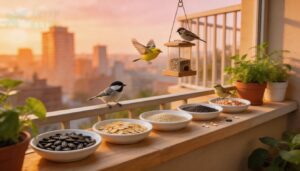
Not every seed belongs on a balcony — some attract the wrong visitors, others just make a mess.
The good news is that a handful of seeds work especially well in small, elevated spaces. Here are the ones worth keeping in your feeder.
Black-oil Sunflower for Versatile Feeding
Black-oil sunflower seeds are the closest thing to a universal welcome mat for backyard birds. Their thin shell access means even small-beaked visitors like chickadees can crack them easily.
Here’s why they’re worth keeping stocked:
- Energy Density — Nearly 28% fat gives birds a real winter feeding boost.
- Vitamin E Support — Promotes healthy feathers and immune function.
- Feeder Compatibility — Works in tubes, hoppers, and trays without clogging.
Their balanced nutrient profile includes roughly 15% crude protein, aiding muscle development.
Safflower for Cardinals and Fewer Squirrels
If you’ve been frustrated watching squirrels raid your balcony feeder, safflower seeds offer a welcome fix. Their bitter taste works as a natural Squirrel Repellent, giving cardinals peaceful feeding time.
This Cardinal Attraction seed delivers High Fat Nutrition and a genuine Seasonal Energy Boost during cooler months.
The Audubon Cardinal Blend Wild Bird Seed uses 100% safflower, and seed quality matters — store it properly and place your metal roof bird feeder at mid-height for best results.
Nyjer for Finches at Small Feeders
Nyjer is basically a magnet for finches — those tiny, oil‑rich seeds are perfectly sized for small beaks. Port Size Optimization matters here: mesh or sock‑style feeders with fine openings offer real Mesh Airflow Benefits, keeping seed dry and fresh.
Feeder Placement Height guidelines, positioning feeders at mid‑level, and practice Seasonal Nyjer Rotation so finches always find fresh, high‑quality seed waiting.
Millet for Sparrows and Doves
Sparrows and doves practically live for millet. White Millet Preference shows up fast — watch how sparrows probe it first before anything else.
Foxtail Millet benefits doves especially, since its size suits ground feeding perfectly. Pearl Millet Protein helps birds through cold snaps, while Red Millet Timing works best mid-season.
Practice Seasonal Millet Rotation, keep it dry, and use low platform feeders.
Shell-free Kernels for Low-mess Balconies
If mess is the reason you’ve held off on balcony feeding, shell-free kernels solve that problem quietly. Dehulled seeds mean no scattered shells, less dust, and cleaner trays — a real win for shared outdoor spaces. Kaytee No Mess Bird Seed Blend is a solid starting point.
- Kernel Size Uniformity reduces feeder clogging in tubes and hoppers
- Minimal Dust Formulation keeps trays fresher between cleanings
- Shell-free seed options support feeder cleaning and maintenance routines
- Kernel Shelf-life Extension improves with airtight storage away from sunlight
How to Choose Balcony Seed Blends
Picking the right seed blend for your balcony feeder isn’t just about what looks good on the bag. A few simple factors — like feeder style, freshness, and your local birds — can make a real difference in who shows up.
Here’s what to keep in mind before you buy.
Match Seed Size to Feeder Style
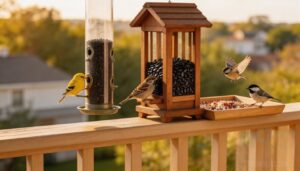
Think of your feeder as a custom doorway — the opening has to fit what’s walking through it. Port Size Matching really does make or break your setup.
Tiny nyjer ports keep small seeds flowing freely, while wide hopper openings handle black-oil sunflower without jamming.
Clog Prevention Techniques start with simply pairing seed size to feeder design.
| Feeder Type | Best Seed Match |
|---|---|
| Tube feeder | Nyjer, millet |
| Hopper feeder | Black-oil sunflower |
| Platform tray | Mixed blends |
Prioritize Low-waste, Shell-free Mixes
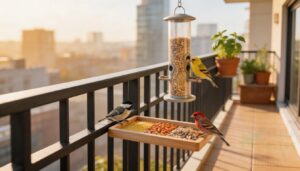
Once your feeder style is sorted, the seed type matters just as much. Kernel-Only Blends and shell‑free seed options make balcony feeding so much tidier — hulls don’t pile up on your floor or drift onto neighbors’ spaces.
Zero waste seed and no mess bird seed blends mean nearly everything in the bag actually gets eaten, supporting natural bird feeder waste reduction without extra sweeping.
Avoid Filler-heavy Seed Blends
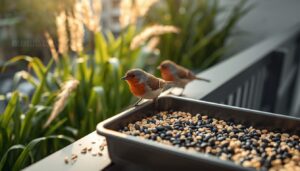
Shell-free seed options help with mess, but what’s inside the bag matters just as much. Many budget blends bulk up with wheat, milo, and canary seed — classic seed mixture fillers your balcony visitors will mostly ignore.
That lowers nutrient density focus and drives up waste. A cost-effective premium seed like sunflower or safflower in a high-energy seed blend gets eaten cleanly, every time.
Check Freshness, Dust, and Mold
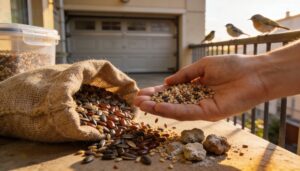
Even great seed blends won’t do your birds any favors if the bag’s been sitting in a damp garage for months. Trust your odor sensory checks first — fresh seed smells nutty and earthy, never sour.
Keep dust percentage limits in mind, too; anything above 4% clogs feeders fast. Practice FIFO rotation with airtight storage, and toss anything showing mold moisture thresholds above 12%.
Choose Blends for Local Species
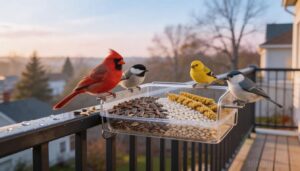
Your backyard neighbors have distinct tastes — and a regional seed mix that matches their habitat-specific preferences makes all the difference.
- Native species alignment means cardinals and chickadees actually show up.
- Seasonal diet adaptation facilitates breeding in spring and migration in fall.
- High-energy seed blends sustain winter visitors through cold snaps.
- Regional seed mixes for the Eastern United States include millet, sunflower, and safflower.
- Migratory bird support requires consistent, species-matched offerings during passage weeks.
Balcony Feeding Mistakes to Avoid
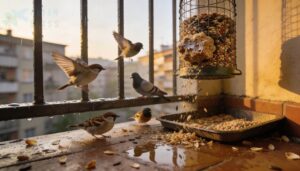
Even the best seed blend won’t do much good if a few small habits are working against you. Balcony feeding comes with its own set of quirks — tight spaces, shared walls, and weather that can turn a full feeder into a soggy mess overnight.
Here are the most common mistakes to watch for.
Overfilling Feeders in Humid Weather
Topping off your balcony feeder before a rainy stretch feels helpful, but it often backfires. Moisture clumping turns seeds into a sticky mass that jams ports and blocks birds from feeding.
Spillover management matters here — smaller fills mean less waste when humidity hits. Seed spoilage risk climbs fast, so capacity planning is simple: fill halfway, check daily, and keep freshness and storage working in your favor.
Using Corn and Peanuts Carelessly
Corn and peanuts seem like generous additions, but they demand real care on a balcony. Mold Spoilage happens quickly in warm air, and Aflatoxin Hazards from peanuts, like Lyric 2647463 Peanut Pieces, can quietly harm birds.
Wagners 18542 Cracked Corn draws Pest Infestation and Aggressive Feeding among species. The seed spoilage risk, Nutritional Imbalance, and bird feeder mess reduction all depend on offering both in small, managed amounts.
Letting Wet Seed Sit Too Long
Wet seed left in a balcony feeder is a slow disaster. Within 24 to 48 hours, Mold Development takes hold, releasing Fungal Spores that birds can inhale or ingest. Nutrient Degradation follows quickly, stripping seeds of the fat and vitamins birds actually need.
Watch for these warning signs:
- Clumping or sticky texture signals Feeder Clogging ahead
- Fuzzy coating or sour smell means spoilage is already active
- Seed Sprouting reduces energy density and bird appeal
- Discolored seed carries serious seed spoilage risk
Your best seed spoilage prevention starts with smaller refills. Seed storage tips and seed storage best practices both point to airtight containers kept dry. Good feeder maintenance tips include swapping wet seed immediately — don’t wait.
Placing Feeders Within Squirrel Range
Squirrels can leap up to 10 feet horizontally — so feeder placement strategies matter more than most people realize. Following Feeder Height Guidelines means mounting at least 6 feet up, well outside Squirrel Jump Limits.
Baffle Installation Tips consistently point to metal dome barriers below pole feeders. Combining squirrelproof feeders with smart Barrier Placement Strategies — whether Pole vs Hanging — is your most reliable squirrel deterrence.
Ignoring Cleanup in Shared Spaces
Shared balconies don’t forgive neglect — and your neighbors will notice before you do.
On shared balconies, neglect shows up fast—and your neighbors will notice the mess before you do
Seed husks and droppings pile up fast, triggering Mold Growth within 72 hours of rain. That mess invites Pest Infestations, Surface Staining, and real Neighbor Conflicts.
Keep cleanup part of your bird feeding strategies:
- Sweep under feeders daily
- Spot-clean spills immediately for food waste reduction
- Address Odor Complaints before they escalate
Keep Balcony Feeders Clean and Busy
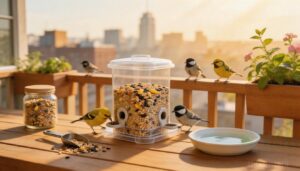
clean, well-stocked feeder is what keeps birds coming back day after day — and the good news is it doesn’t take much effort to get there. few simple habits make a real difference, whether you’re new to balcony feeding or just looking to do it better.
Here’s what actually works.
Refill Smaller Amounts More Often
Think of your feeder like a small kitchen — fresher is always better. Topping it off with smaller amounts more often gives you built-in Seed Freshness Monitoring without any extra effort.
It provides Moisture Control, keeps Mold Prevention working in your favor, and helps with Pest Reduction, like weevils. Consistent small refills also boost Bird Visit Consistency, since birds quickly learn when fresh food reliably appears.
Clean Feeders Every Two Weeks
Fresh seed alone won’t cut it if your feeder is quietly growing mold. A biweekly sanitization routine makes all the difference.
Disassemble the parts, soak them in a bleach solution ratio of one part bleach to nine parts water, scrub gently, then rinse well.
Drying before refill is non‑negotiable — moisture invites spoilage fast.
Do a quick mold spot inspection each time you clean.
Store Seed in Airtight Containers
Good storage starts right where clean feeders leave off. Once your feeder is dry and ready, the seed going into it matters just as much.
- Glass Jar Sealing keeps seed fresh for up to six months indoors
- Plastic Canister Humidity control drops moisture below 5%
- Metal Tin Durability suits balcony storage beautifully
- Vacuum Bag Preservation removes air and slows oxidation
- Clip Lid Protection blocks pests and dampness effectively
Adjust Blends for Seasons
Just as your seed storage keeps things fresh, what you store matters season to season.
Early spring calls for a Spring Energy Boost—black-oil sunflower pulls in migrants during courtship.
Summer Finch Focus means switching to Nyjer for balcony goldfinches.
Autumn brings an Autumn Grain Shift toward millet.
Winter? Reach for a Winter Coarse Mix and practice smart Seasonal Safflower Timing.
Add Fresh Water Near Feeders
Water turns your balcony into more than a pit stop — it becomes a little sanctuary. Keep your bird bath 10 to 15 feet from feeders to follow smart bird feeder placement guidelines and prevent seed debris from fouling the water.
- Depth Guidelines: 1 to 2 inches suit most species
- Moving Water Features like drippers attract birds from 100 feet away
- Refresh Frequency: change water every 2 to 3 days
- Predator Safe Baths sit at least 3 feet off the ground
Frequently Asked Questions (FAQs)
How to attract birds to a balcony bird feeder?
Picture your balcony as a welcoming stage—place feeders where birds feel safe, add visual attractants like bird-friendly plants, rotate high-energy seed blends seasonally, use predator deterrents, and offer black oil sunflower, nyjer, or safflower seeds for broad bird species attraction.
How do I prevent birds from hitting windows?
To keep birds from hitting windows, use Exterior UV Markers and Window Film Treatments outside, manage indoor light, and adjust patterns seasonally.
Combine Squirrel Buster Barriers and smart feeder placement to improve visibility, protect birds, and boost birdwatching enjoyment.
What balcony feeder designs deter pigeons?
Imagine a balcony feeder with fine mesh nets and narrow perches—pigeons can’t land, but finches feed easily.
Weight sensitive doors, sloped feeding surfaces, and live motion deterrents combine with chewproof metal construction for effective, compassionate pigeon deterrence.
Can balcony feeders attract unwanted insects?
Yes, balcony feeders can attract unwanted insects—especially when Sugar Residue Build-up or Moisture-Induced Mold occurs.
Spilled Seed Management and Ant Trail Prevention help, while Insect-Deterring Feeder designs and regular cleaning support Wildlife nuisance management and Feeder contamination prevention.
Is balcony bird feeding safe for pets?
Balcony bird feeding brings pet ingestion risk, dropping contamination, and rodent attraction. Careful feeder placement and seed blend composition analysis help limit toxin exposure.
Safety considerations for pet birds differ from wild birds—avoid aflatoxins, follow bird feeder placement guidelines, and clean regularly.
How do I reduce noise from visiting birds?
Noise travels like ripples in a pond, so start by increasing Feeder Distance from your windows, add Acoustic Barriers like shrubs, use a Water Feature for sound masking, and adjust your Feeding Schedule and Species Selection for quieter balcony visits.
Conclusion
As you sprinkle the perfect blend of bird seeds for balcony feeders, your outdoor space transforms into a vibrant haven.
With the right seeds and a few simple tips, you’ll attract a colorful cast of characters, from cardinals to finches.
By avoiding common mistakes and choosing wisely, you’ll create a welcoming spot that brings joy to your daily life. Your balcony will become a lively oasis, filled with song and beauty, right outside your door.
- https://fountainful.com/blogs/news/where-to-place-a-bird-bath
- https://www.elho.com/au/faq/biodiversity/how-far-apart-should-the-bird-feeders-or-bird-baths-be-placed/
- https://www.kingsyard.com/blog/bird-feeder-setup-placement-guide/
- https://bluestem.ca/wildlife-and-biodiversity/create-a-bird-paradise-simple-water-features-that-actually-work/
- https://birdfact.com/articles/bird-feeder-placement-tips