This site is supported by our readers. We may earn a commission, at no cost to you, if you purchase through links.
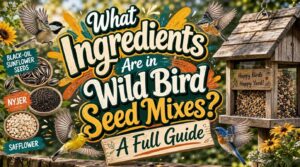
A backyard feeder can draw dozens of species over a single season—but only if what’s inside the mix actually matches what birds need. Not all seed blends work equally well.
Some pack in cheap fillers like milo and oat hulls that most songbirds toss aside, while others load up on black-oil sunflower seeds, nyjer, and safflower that birds actively seek out.
Knowing what ingredients are in wild bird seed mixes helps you stop wasting money on rejected seed and start attracting the birds you want—season after season.
Table Of Contents
Key Takeaways
- Black-oil sunflower seeds are the MVP of any mix—nearly every bird species will eat them, and their thin shells make them easy for small and large birds alike.
- Cheap fillers like milo, oat hulls, and red millet bulk up the bag but get tossed aside by most songbirds, so you’re basically paying for waste.
- Different seeds attract different birds—nyjer draws goldfinches, safflower brings in cardinals, and white millet is a ground feeder’s best friend for sparrows and doves.
- Store your seed in an airtight container between 35–50°F, check regularly for mold or musty smells, and toss anything that looks or smells off—bad seed can harm your birds.
Common Wild Bird Seed Ingredients
Most bird seed mixes are built around a handful of key ingredients that do the heavy lifting. Each one attracts different species and fulfills a different purpose in the mix.
From sunflower seeds to millet, understanding the role each bird seed type plays helps you build a mix that actually works for the birds in your yard.
Here are the five most common seeds you’ll find in wild bird blends.
Black-oil Sunflower Seeds
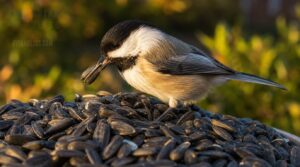
Black-oil sunflower seeds are the backbone of almost every good seed mix. Their hull thinness means most birds can crack them open without much effort — no strong bill required. The seeds also deliver a notable high protein content, which aids muscle development in birds.
- High-fat seeds with roughly 38–40% fat, offering serious caloric power
- A dehulled variety cuts mess and works for smaller species
- Excellent migration support and shelf longevity when stored sealed and cool
Nearly every bird species food preferences list includes them.
Striped Sunflower Seeds
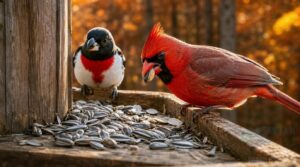
While black-oil seeds suit almost everyone at the feeder, striped sunflower seeds serve a more selective crowd.
Their thick shell offers real bill exercise for cardinals and grosbeaks — birds built for the challenge. That shell enrichment also slows feeding, reducing waste. With solid nutrient content of seeds (around 20–25% fat), striped sunflower seeds earn their place in any thoughtful seed mix.
Safflower Seeds
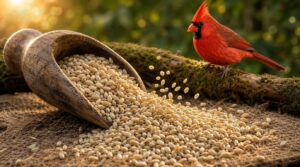
Safflower seeds are a smart pick for your seed mix — especially if cardinals visit your yard. They crack that hard seed coat with ease, while starlings and blackbirds tend to skip it entirely.
With 20–25% protein and oleic variation across cultivars, the nutrient density of seeds like these is solid. Their shelf life stability and bird species preferences make them worth the higher price per pound.
Nyjer Thistle Seeds
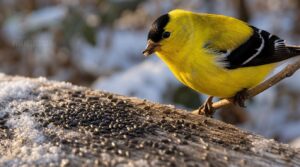
Niger thistle seeds are tiny — about 2 mm wide — yet packed with 35–40% fat and 18% protein. Their oil-rich composition makes them a winter lifeline for goldfinches and siskins.
Their tiny seed size demands feeders with small ports to cut waste. Look for dust-free processing on the label, which keeps your birds healthier and enables a rapid feeding rate at busy feeders.
White Proso Millet
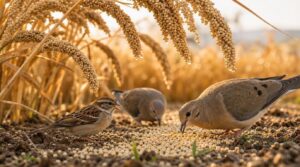
White proso millet is the quiet workhorse of most bird seed mixes. Ground feeders like sparrows, doves, and juncos love it. Here’s why it earns its place in every seed blend composition:
- Drought Resilience — grows well with little water
- Rapid Growth — ready to harvest in 60–100 days
- Gluten-Free Grain — safe and digestible
- Mineral Richness — contains iron and calcium
- Crop Rotation Aid — improves soil health naturally
Nutrients Birds Get From Seeds
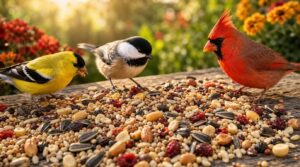
Seeds aren’t just food — they’re fuel, building material, and medicine rolled into one tiny package. Every seed in a wild bird mix delivers something your backyard visitors genuinely need to stay healthy through the seasons.
Every seed in a wild bird mix is fuel, building material, and medicine in one tiny package
Here’s a closer look at the key nutrients birds pull from those seeds.
Each seed in the blend is chosen to deliver exactly what these species need, as explored in this guide to healthy bird seed options for pet and wild birds.
Protein for Feathers
Feathers are made of beta-keratin, and building them requires significant protein. Seeds like sunflower seeds, safflower seeds, and millet are crucial because they provide essential amino acids—particularly methionine sources—that drive keratin synthesis in the follicle.
Adding peanuts to the mix ensures comprehensive feather molt nutrition. Ultimately, strong beta-keratin strength begins with the contents of your feeder.
Fats for Winter Energy
When winter hits hard, fat becomes a bird’s best friend. High-fat seeds like sunflower seeds and peanuts deliver 9 calories per gram — more than double that of carbohydrates. That’s serious energy density.
Suet takes fat’s benefits even further, directly supporting fat metabolism and thermal insulation during cold snaps. A better fatty acid balance means longer feeding intervals and healthier birds.
Top winter bird food fat sources:
- Black-oil sunflower seeds (~49% fat)
- Nyjer seeds — high fat, low bulk
- Suet blocks — nearly pure fat energy
- Whole peanuts — fat plus protein
- Safflower seeds — cold-weather favorite
Carbohydrates for Quick Fuel
Think of carbohydrates as a bird’s quick-start battery. Fast-acting sugars from cracked corn, millet, and wheat hit the bloodstream fast — often within 15 to 30 minutes.
That’s why pre-flight feeding matters. High-glycemic seeds fuel rapid glycogen replenishment after bursts of activity.
Even liquid carbohydrate feeds work this way. Seed energy content varies, so offering a mix keeps your birds consistently fueled.
Vitamins for Immunity
Seeds do more than fill a belly — they quietly run your birds’ immune systems.
Vitamins A, C, D, and E are all present in quality mixes. Vitamin A barrier defense keeps pathogens out, while Vitamin C antioxidant activity bolsters immune signaling. Vitamin D; sunlight alone isn’t always enough, so a nutrient-rich bird diet helps. Vitamin E protection shields cell membranes.
B-vitamins’ immunity support keeps white blood cells active.
Minerals for Bone Strength
Bones don’t build themselves — birds need the right minerals working together.
- Calcium absorption depends on active vitamin D, helping form strong, dense bones
- Phosphorus balance pairs with calcium to create bone mineral tissue
- Magnesium conversion activates vitamin D, making calcium actually usable
- Zinc bone synthesis helps bone-forming cells and protein repair
- Copper collagen formation keeps the bone framework from breaking down
Quality mixes cover all of this naturally.
Top 5 Supplemental Mix Ingredients
Beyond seeds, a few extra ingredients can make your mix truly stand out to backyard birds. Things like raisins, peanuts, and nuts bring in species that plain seed mixes often miss.
Here are five supplemental ingredients worth adding to your blend.
1. California Seedless Black Raisins
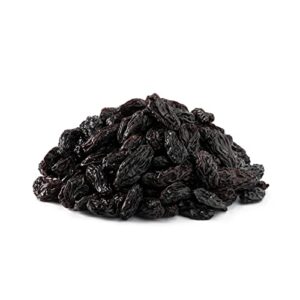
California seedless black raisins aren’t just a snack — they’re a smart addition to your bird mix. Fruit-eating species like robins and waxwings are drawn to their natural sugars and antioxidants.
These raisins originate from California’s San Joaquin Valley, where they are sun-dried to a deep, glossy black with concentrated sweetness.
When adding them to your mix, look for unsulphured options with no added sugar. A small handful goes a long way in attracting species that usually ignore seed-only feeders.
| Best For | Anyone looking for a natural, seedless dried fruit snack — especially those watching their sugar intake or adding a little something extra to cooked dishes like rice. |
|---|---|
| Net Weight | 2 lb |
| Added Salt | No |
| Added Sugar | No |
| Preservatives | No |
| Resealable Bag | Yes |
| Primary Ingredient | Raisins |
| Additional Features |
|
- Big, juicy raisins that work great as a grab-and-go snack or a kitchen ingredient
- No added sugar and unsulphured (as labeled on the front), so they feel like a cleaner choice
- The resealable 2 lb bag keeps things fresh and gives you plenty to work with
- The packaging contradicts itself — "unsulphured" on the front, "sulphured" on the back label, which is confusing if that matters to you
- Sunflower oil is in the mix, so it’s not purely fruit — worth knowing if you’re on an oil-restricted diet
- Quality can vary batch to batch, so what you get one time might not match the next order
2. Rani Raw Whole Spanish Peanuts
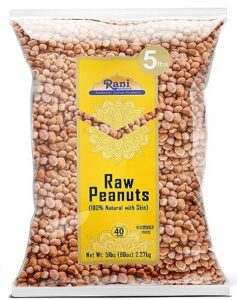
Rani Raw Whole Spanish Peanuts attract a distinct group of birds, much like raisins draw fruit-lovers. Woodpeckers, jays, and nuthatches are particularly drawn to these unsalted, uncooked, and 100% natural peanuts, which meet the dietary needs of wild birds.
At 45% fat and packed with protein, they provide essential muscle strength and sustained energy. The peanuts are non-GMO with no preservatives added, ensuring a pure, healthy option for avian visitors.
For feeding, you can toss them whole into a ground-feeder blend or mix them in with sunflower seeds to add variety to your setup.
| Best For | Backyard birders, home cooks, and preppers who want a clean, versatile raw peanut they can roast, boil, grind, or toss out for wildlife. |
|---|---|
| Net Weight | 5 lb |
| Added Salt | No |
| Added Sugar | No |
| Preservatives | No |
| Resealable Bag | No |
| Primary Ingredient | Peanuts |
| Additional Features |
|
- Totally clean ingredient list — just peanuts, nothing else, no salt or preservatives
- Incredibly versatile: make peanut butter, bird feed, brittle, boiled peanuts, you name it
- Long shelf life (up to 5 years refrigerated) makes it a solid pantry staple
- Not ready to eat out of the bag — you’ll need to cook or process them first
- Skins stay on, which can be a hassle depending on what you’re making
- A few buyers have reported quality issues like insect larvae, so proper storage really matters
3. Amazon Grocery Whole Raw Almonds
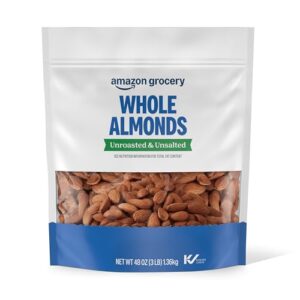
Peanuts aren’t the only nut worth adding to your mix. Amazon Grocery Whole Raw Almonds bring something a little different to the table. These California-grown, unsalted almonds pack about 6 grams of protein per ounce, plus healthy fats and vitamin E — all helpful for feather strength and energy.
Larger birds like jays and woodpeckers can handle whole almonds well. You can chop them into smaller pieces for chickadees or titmice who prefer something easier to manage.
| Best For | Backyard bird enthusiasts who want a nutritious, versatile option for larger birds like jays and woodpeckers, or anyone who preps their own bird-friendly mixes in bulk. |
|---|---|
| Net Weight | 3 lb |
| Added Salt | No |
| Added Sugar | No |
| Preservatives | No |
| Resealable Bag | Yes |
| Primary Ingredient | Almonds |
| Additional Features |
|
- Pure, 100% almonds with no added salt, oils, or preservatives — just straightforward nutrition
- The 3 lb resealable bag is great for stocking up without worrying about the nuts going stale right away
- Easy to customize — keep them whole for bigger birds or chop them up for smaller species like chickadees
- A bag this size may need an extra airtight container to stay fresh if you’re not going through it quickly
- Cross-contamination with peanuts, soy, wheat, and other allergens could be a concern depending on who’s handling the feed
- Nuts close to expiration can turn dry or bitter, so it’s worth checking the date before buying in bulk
4. Amazon Grocery Pecan Halves
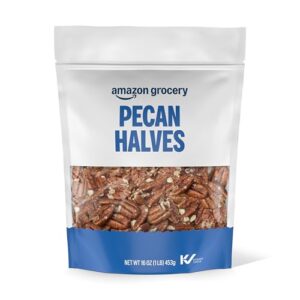
Pecans are another solid choice worth adding to your mix. Amazon Grocery Pecan Halves are 100% unsalted, ensuring no harmful additives for visiting birds. Their nutritional profile includes around 20 grams of fat per ounce—mostly the heart-healthy kind—alongside magnesium and zinc, which support overall bird health.
Woodpeckers, jays, and nuthatches are especially drawn to them. To accommodate smaller birds like chickadees and titmice, break the halves into smaller pieces for easier consumption.
| Best For | Bird enthusiasts and backyard feeders looking for a natural, unsalted nut that attracts a wide variety of birds without breaking the bank. |
|---|---|
| Net Weight | 1 lb |
| Added Salt | No |
| Added Sugar | No |
| Preservatives | No |
| Resealable Bag | No |
| Primary Ingredient | Pecans |
| Additional Features |
|
- 100% pure pecans with no added salt or sugar — totally safe for birds and great for people snacking on the side
- Versatile enough for feeders, baking, or trail mix, so the bag won’t go to waste
- Buying a full pound at once is noticeably cheaper than grabbing a small bag at the grocery store
- The bag isn’t airtight, so once it’s open you’ll want to move the pecans to a sealed container pretty quickly
- Cross-contamination warnings mean it’s not a great pick if anyone in your household has serious nut or sesame allergies
- The halves tend to run a bit smaller than other brands, which might surprise you if you’re used to bigger pieces
5. Happy Belly California Walnuts Halves and Pieces
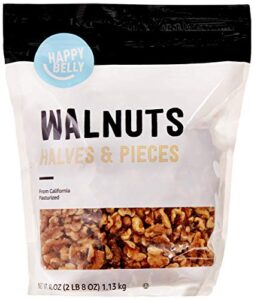
Happy Belly California Walnuts Halves and Pieces are a valuable addition to your feeder rotation. These Chandler variety walnuts are raw and unsalted, requiring no preparation for safe bird consumption.
They are rich in omega-3 fatty acids and protein, which support feather health and muscle strength. Woodpeckers, jays, and nuthatches are particularly drawn to them.
To accommodate smaller birds, break the halves into smaller pieces so chickadees and smaller birds can easily access the nuts.
| Best For | Home cooks, bakers, and snackers who want a clean, versatile nut they can grab straight from the bag or toss into just about anything. |
|---|---|
| Net Weight | 2.5 lb |
| Added Salt | No |
| Added Sugar | No |
| Preservatives | No |
| Resealable Bag | Yes |
| Primary Ingredient | Walnuts |
| Additional Features |
|
- Pure, simple ingredient list — just walnuts, nothing else added
- Big 2.5 lb bag with a resealable closure keeps things fresh and easy to portion
- Grown in California’s Central Valley, so you’re getting a quality domestic product
- The skin can give some batches a bitter or off-tasting edge
- The resealable seal can feel flimsy after a few opens, so you might need a backup container
- Steam pasteurization changes the texture a bit and can make the skin taste more noticeable than truly raw walnuts
Choosing Quality Seed Mixes
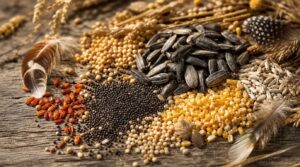
Not all bird seed mixes are created equal, and picking the wrong one can waste money and leave your backyard visitors hungry.
A few simple checks make all the difference. Here’s what to look for before you buy.
Avoid Filler Grains
Filler grains are the junk food of seed mixes — they bulk up the bag but do little for the birds you’re trying to feed. Spot filler grains by reading ingredient lists carefully. Prioritize oil seeds and select premium blends that emphasize nutrient balance in mixes.
| Filler Grain | Problem | Better Alternative |
|---|---|---|
| Milo/Sorghum | Low nutrition, mostly ignored | Black-oil sunflower |
| Red millet | Poor palatability | White proso millet |
| Oat hulls | No edible seed | Nyjer thistle |
| Wheat | High starch load | Safflower seeds |
| Rice byproducts | Dust and waste | Shelled peanuts |
Seed filler avoidance and smart seed mix formulation mean more birds, less waste.
Check for Mold
Before you refill the feeder, give your seed a quick check. Visual mold signs—like fuzzy green or black spots, kernel clumping, or sticky patches—are red flags. Perform a musty odor test: fresh seed smells neutral.
Inspect for moisture spotting and broken packaging seals, as these also indicate spoilage risks.
Good mold prevention starts with catching spoilage early. When in doubt, toss it out.
Match Seeds to Birds
Not every bird eats the same thing — and that’s actually your advantage. Matching seeds to species means less waste and more visitors.
- Cardinal preferences: safflower and striped sunflower
- Finch favorites: nyjer seeds, small and oil-rich
- Ground feeder choices: millet for doves, juncos, sparrows
- Migration fuel mix: black oil sunflower seeds for energy
- Feeder placement tips: separate feeders reduce competition
Choose Seasonal Blends
Think of seasonal seed blends like a menu that changes with the weather. Spring bright mix and Summer cooling blend lean lighter, supporting active foraging. Autumn spice mix and Winter energy blend shift toward high-fat blends to fuel birds through cold nights.
Following a harvest rotation schedule keeps your seed mix ratios fresh, making seasonal and winter bird feeding genuinely effective.
Store Seed Properly
Good seed storage isn’t complicated—but get it wrong and mold wins. Follow these seed storage best practices to protect freshness:
- Temperature Control – Keep seed between 35–50°F to slow spoilage.
- Moisture Management – Target below 8% moisture; Add silica gel desiccants.
- Airtight Containers – Glass jars seal out air and pests.
- Light Protection – Store in dark cabinets to prevent oxidation.
- Stock Rotation – Use oldest seed first; Inspect every 6–12 months.
Frequently Asked Questions (FAQs)
How often should bird feeders be cleaned?
Clean your feeders every two weeks under normal conditions. In hot or humid weather, bump that up to weekly.
Feeder hygiene isn’t optional — it’s how you keep your backyard birds safe and healthy.
Which feeders work best for specific seed types?
Tube feeders suit nyjer best. Hopper feeders handle sunflower seeds well. Use mesh feeders for small seeds and platform feeders for millet. Squirrel-proof designs protect your investment year-round.
Do bird seed mixes expire or go bad?
Yes, bird seed mixes do expire. Most stay fresh for 6 to 12 months unopened.
Watch for signs of rancidity, like sour smells or mold.
Airtight storage and moisture control extend shelf life considerably.
Are certain seeds harmful or toxic to birds?
Some seeds are toxic to birds. Avocado persin toxicity can damage their hearts. Cyanogenic seed danger hides in apple and cherry pits. Castor bean ricin and mold aflatoxin risks can be deadly.
Conclusion
It’s no coincidence that feeders stocked with the right seeds attract twice the variety of birds. The birds showing up in your yard are telling you something—they vote with their beaks.
Now that you know what ingredients are in wild bird seed mixes, you can stop guessing and start choosing with purpose. Skip the fillers. Pick seeds that match the species you want. What you put in the feeder shapes exactly who comes to visit.
- https://www.audubon.org/magazine/mixology-breaking-down-5-common-birdseed-blends
- https://elkmoundseed.com/collections/bird-seed-ingredients
- https://littlerock.wbu.com/all-seed-is-not-created-equal
- https://www.almanac.com/feeding-wild-birds-guide-seed-types
- https://www.kaytee.com/learn-care/wild-bird/value-of-wild-bird-ingredients