This site is supported by our readers. We may earn a commission, at no cost to you, if you purchase through links.
A backyard feeder can turn deadly fast. Cats kill an estimated 2.4 billion birds each year in the U.S. alone, and window strikes add millions more to that toll. Your feeder brings birds close, but it can also put them in harm’s way.
The good news? Small changes make a big difference. Where you place a feeder, what food you offer, and how often you clean it all shape whether birds thrive or suffer.
Want to protect birds while feeding outside? Here’s what actually works, backed by real numbers and simple steps you can start today.
Table Of Contents
- Key Takeaways
- Choose Safer Feeder Locations
- Prevent Predators Near Feeders
- Feed Birds Nutritious Foods
- Keep Feeders Clean and Healthy
- Support Birds With Safer Habitat
- Frequently Asked Questions (FAQs)
- What is safe to feed outside birds?
- What is the 333 rule for birds?
- What is the 5 7 9 rule for bird feeders?
- Why should you sprinkle coffee grounds around your bird feeder?
- How do I stop squirrels from raiding feeders?
- What time of day is best for feeding birds?
- How long should I leave feeders up seasonally?
- Can outdoor lighting at night disturb feeding birds?
- How do I keep birdhouse entrance holes safe from cats?
- Conclusion
Key Takeaways
- Keep feeders within 3 feet of windows or beyond 30 feet, since the 4–29 foot range causes the most deadly collisions.
- Keeping cats indoors prevents most of the estimated 2.4 billion bird deaths caused by domestic cats each year in the U.S.
- Offer black oil sunflower seeds, Nyjer, suet, and mealworms, and avoid bread, salty snacks, and moldy seed that can poison birds.
- Clean feeders on a regular schedule with a 10% bleach solution and pause feeding entirely during disease outbreaks like HPAI.
Choose Safer Feeder Locations
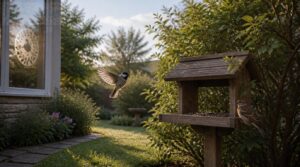
Where you place a feeder can make or break a bird’s safety. A few smart choices help you avoid the most common dangers in your yard. Here’s what to think about before you pick a spot.
For instance, keeping feeders near cover but away from windows can prevent collisions, as this guide to safe bird feeder placement explains in more detail.
Avoid Window Danger Zones
Glass fools birds. Clear windows reflect trees and sky, so birds see open space and fly straight at it, causing window collisions.
Place feeders within 3 feet of glass, or beyond 30 feet. The 4–29 foot range is a true danger zone. Add window decals for extra protection, spacing them using the 2×4 rule for real effectiveness. It is important to remember that insect screens are not safety barriers.
Keep Escape Cover Nearby
Windows aren’t the only danger. A hungry hawk can turn a feeder into a trap without nearby cover.
Place shrubs 6 to 12 feet from feeders for quick concealment.
- Best cover distance: 6–12 feet
- Native shrubs give real local habitat support
- Layer tall and short cover
- Rotate cover spots each season
Good cover means birds always have somewhere safe to go.
Maintain Clear Flight Paths
Cover gives birds a place to hide. Open space gives them room to move. Both matter.
Give each feeder a circular airspace clearance of about 6 feet. Add safe ascent paths overhead, up to 8 feet clear. This kind of buffer zone management helps with real maneuverability space planning, so birds can dodge trouble fast and avoid window collisions altogether.
Space Feeders Apart
Spread feeders out, at least 10-15 feet apart. This stops crowding and cuts down on bird swarming at one spot.
Wider gaps support independent flight paths and act as natural predator deterrence gaps. Each feeder becomes its own little microhabitat creation, giving birds calmer, safer places to eat without competing for space.
Reduce Ground-Level Risks
The ground beneath your feeder tells its own story. Spilled seed piles up fast, drawing rodents and inviting mold in damp weather.
Raise feeders 3 to 5 feet high, and choose bird-friendly, non-toxic mulch below. In winter, shift to elevated feeders since snow hides predators well. Clean spills often, and keep water stations sanitized to stop pests from moving in.
Prevent Predators Near Feeders
A feeder full of birds can catch a predator’s eye fast. Cats, raccoons, and squirrels all see your yard as a buffet. Here are five simple ways to keep your feeder safe from unwanted visitors.
Keep Cats Indoors
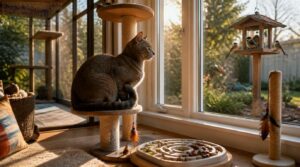
Your cat is a skilled hunter, and that’s the problem. Domestic cats cause roughly 2.4 billion bird deaths yearly. Indoor cats also live longer, often 12-20 years.
Keeping your cat indoors also protects birds at backyard water sources, so pair that habit with a natural algae-free bird bath cleaning routine to make your yard a genuinely safer haven.
Domestic cats kill an estimated 2.4 billion birds every year, while keeping them indoors lets cats live longer too
Make the change easier with enrichment:
- Climbing perches near windows
- Puzzle feeders for mental stimulation
- Scratching posts and rotating toys
Consider a catio or screened window for safe outdoor views without the risk.
Add Pole Baffles
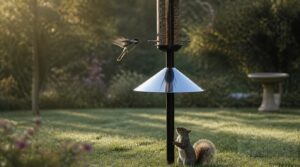
Squirrels can leap and climb with surprising skill, which is why pole baffles matter for predator deterrence.
| Material | Durability | Best Height |
|---|---|---|
| ABS plastic | UV resistant | 4-5 feet |
| Powder-coated steel | Rust-resistant | 4-5 feet |
Mount your baffle at proper height to stop squirrel climbing before it starts. Clean it occasionally, removing sap and debris to keep the surface slippery and effective.
Use Weight-Activated Feeders
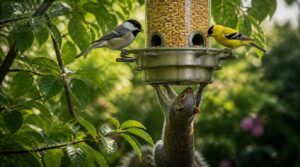
Ever notice a squirrel eating twice its body weight in seed? A weight-sensitive feeder closes feeding ports once a heavy visitor lands, letting small birds eat undisturbed.
- Adjust the sensitivity for your local birds
- Trust the spring mechanism to reset reliably
- Check perch weight thresholds seasonally
- Keep ports clear for easy bird access
This simple squirrel deterrence tool protects seed and encourages safer feeding.
Avoid Dense Predator Cover
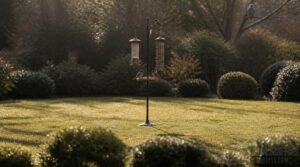
Thick brush might look cozy, but it’s a predator’s favorite hiding spot. Cats and hawks use dense shrubs for ambush cover, striking before birds see them coming.
Keep a 3-meter clearance around feeders for sightline management. Trim vegetation regularly, favor scattered low shrubs over thickets, and give birds open sky for predator detection. This simple perimeter clearance helps keep birds safe and prevents ambushes.
Secure Birdseed Storage
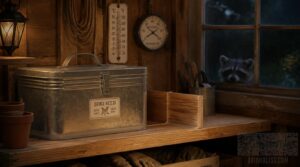
A spilled bag of seed is basically a dinner bell for raccoons and rats. Store seed in airtight metal containers off the floor, seal gaps near shelves, and rotate stock within six months.
- Use rodent-proof metal bins
- Keep humidity below 60%
- Store between 50-70°F
- Check monthly for gnaw marks
- Follow first-in, first-out rotation
Feed Birds Nutritious Foods
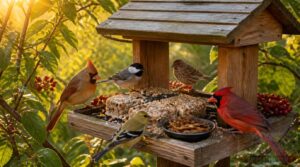
Good food keeps birds healthy and coming back. Not every snack in your pantry belongs in a feeder, though. Here’s what to offer, and what to skip.
Black Oil Sunflower Seeds
One seed does more for backyard birds than almost any other. Black oil sunflower seeds pack 30 to 40 percent fat, fueling migration and cold-weather survival, plus 16 percent protein for muscle upkeep.
| Trait | Detail |
|---|---|
| Fat | 30-40% |
| Protein | ~16% |
| Shell | Thin, easy-crack |
| Appeal | Finches, chickadees, cardinals |
| Bonus use | Cooking oil, roasted snacks |
Thin shells mean smaller birds crack them easily.
Nyjer for Finches
Goldfinches and siskins need a different setup. Nyjer seed is tiny, oil-rich, and prized for fast winter energy, but its thin shell spoils fast if damp.
That’s why specialized finch feeders with small ports work best. Store seed dry, rotate it every few weeks, and skip stale batches—fresh Nyjer keeps finches coming back all season.
Suet and Mealworms
Suet and mealworms cover the fat and protein finches don’t need. Woodpeckers, chickadees, nuthatches, and wrens rely on rendered suet for winter energy—choose no-melt blends stable up to 130°F in summer.
Add dried mealworms for extra protein and calcium, especially during breeding season. Store both in sealed, cool containers. Ready-made blocks fit standard suet feeders with zero prep required.
Safe Hummingbird Nectar
Hummingbirds need more than seeds. Mix one part sugar to four parts water, using plain white sugar only—never red dye or honey.
Change nectar every 3 to 5 days to stop mold.
Quick nectar rules:
- Use refined sugar, not raw or brown
- Skip dyes and additives
- Refrigerate unused portions
- Rinse feeders between refills
Foods to Avoid
Skip bread, chips, and fried leftovers—they offer little avian nutrition and can cause real harm. Avocado, chocolate, and caffeine carry harmful dietary toxins. Salty snacks upset small birds’ balance.
Check seed for musty smells; moldy seed risks include liver damage. Stick to trusted birdseed selection criteria, and watch nearby plants for toxic plant ingestion hazards like oleander.
Keep Feeders Clean and Healthy
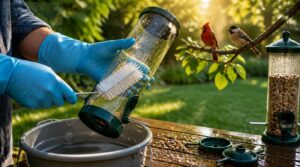
A dirty feeder can make birds sick fast. Good food only helps if the feeder itself stays clean. Here’s how to keep things safe and healthy.
Clean on a Schedule
A messy feeder spreads sickness fast. Set specific cleaning days each week to stay ahead of it.
- Weekly: remove moldy seed and spoiled feed
- Monthly: deep clean housings and perches
- Seasonal: adjust timing with feeding peaks
- Track tasks with a simple checklist
This routine builds strong sanitation habits, keeping disease risks low and your feeder consistently welcoming for visiting birds.
Disinfect Feeders Properly
Take feeders apart fully, then soak trays and ports in hot soapy water first. Rinse well before mixing your 10% bleach solution (one part bleach, nine parts water).
Wear gloves, work outdoors, and rinse tools separately from kitchen items. Let every piece air-dry completely in sunlight. Skipping this step invites mold and disease, undoing all your cleaning efforts.
Remove Moldy Seed
Moldy seed can poison the very birds you’re trying to help. Mycotoxins from mold cause real harm if eaten.
Toss moldy seed in a sealed bag, not the compost pile. Brushing off visible mold isn’t enough since spores cling to surfaces.
A 3% hydrogen peroxide mist kills lingering spores. Rinse, dry fully, then check storage humidity and inspect new batches weekly to prevent reoccurrence.
Rake Spilled Hulls
Those little husks piling up under your feeder aren’t harmless. They invite rodents, trap moisture, and breed mold that threatens avian disease prevention efforts.
- Sweep hulls weekly before they crust over
- Bag them for compost or yard waste
- Keep hulls from washing into storm drains
- Check for hidden mold underneath
- Maintain clear ground for safer landings
Pause During Disease Outbreaks
Sometimes the kindest thing you can do for birds is stop feeding them for a while.
During HPAI outbreaks, pause feeding immediately and watch for lethargy, coughing, or feather loss in visitors. Report sudden mortality to local wildlife authorities. Wait a full 14 days after symptoms disappear before refilling feeders.
This simple biosecurity step protects entire flocks from avian influenza spread.
Support Birds With Safer Habitat
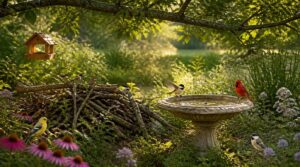
Feeders and clean water matter, but your whole yard plays a part too. A safe habitat gives birds food, shelter, and water all in one place. Here are five simple ways to make your backyard a true haven.
Plant Native Trees
Trees do more than decorate your yard—they feed and shelter birds year-round. Native species support local insects, seeds, and nesting spots your backyard birds depend on.
Choose trees suited to Saxony’s soil and climate. They’ll need less care, resist erosion, and create the layered habitat birds use for food and cover.
Provide Shallow Fresh Water
Trees give birds shelter. Water gives them life. A birdbath with 2 to 6 inches of depth and a gentle slope keeps water safe for small, shy visitors.
Choose light-colored, round-rimmed basins. They control temperature, prevent algae, and support true bird-friendly habitat design—one more layer of protection your wildlife conservation efforts deserve.
Refresh Bird Baths Often
A clean birdbath only stays clean if you keep up with it. Change the water every 2 to 3 days, more often in hot weather, to stop algae and bacteria before they start.
Cloudy water or a foul smell means it’s time to dump it now. Scrub the basin, rinse well, and refill—this simple habit also breaks up mosquito larvae cycles.
Offer Seasonal Feeding Support
Birds need more fuel when it’s cold. Boost winter energy needs with sunflower seeds and suet, then ease back as spring migratory patterns and breeding season begin.
Watch the weather. Adjusting feeding hours and seasonal seed quantities during storms helps manage caloric deficits, giving birds steady supplemental feeding when natural food runs low.
Reduce Backyard Hazards
Small changes make a big difference to backyard safety. Skip pesticide use near feeding zones, since chemicals harm birds directly and strip away natural insect food.
Clear walkways cut down on predator ambush zones where cats or hawks might strike. Keep safe flight corridors open, and pair smart bird feeder placement with clutter-free paths for a truly bird-friendly environment.
Frequently Asked Questions (FAQs)
What is safe to feed outside birds?
Black oil sunflower seeds, Nyjer, suet, and mealworms cover most backyard birds’ needs. Skip bread and salty snacks. Mix hummingbird nectar with one part sugar, four parts water, no dyes, for safe, healthy feeding.
What is the 333 rule for birds?
Watch each bird for three minutes, stand three meters away, and note three features like color or behavior. This patient approach boosts identification accuracy, minimizes disturbance, and builds better field notes for future backyard sightings.
What is the 5 7 9 rule for bird feeders?
Simple as pie: the 5-7-9 rule sets feeder height at five feet, seven feet from structures for predator ambush distances, and nine feet from windows for window strike prevention — smart spacing for safer backyard bird feeding.
Why should you sprinkle coffee grounds around your bird feeder?
Coffee grounds work as natural pest deterrents, repelling crawling insects and ants near your feeder. They add nitrogen to soil, doubling as organic mulch.
The scent even offers mild predator protection, discouraging squirrels—though rain washes it away, so reapply often.
How do I stop squirrels from raiding feeders?
The friendliest feeders can invite the least friendly guests. Add squirrel baffles, choose weight-sensitive feeders, and try spicy seed blends for real squirrel resistance.
Clean spills often, since seed spill management removes their easiest meals fast.
What time of day is best for feeding birds?
Dawn and dusk work best for energy replenishment, matching natural foraging peaks. Refill at midmorning too, since birds return as wild food thins out. Adjust timing seasonally, as migration patterns and cooler months shift when hungry visitors show up.
How long should I leave feeders up seasonally?
Think of feeders as a lifeline, stretched thin in winter, loosened in summer’s leafy abundance.
Keep them up through cold months for winter survival. In bear country, pause during warm seasons, then welcome flocks back with late autumn reintroduction.
Can outdoor lighting at night disturb feeding birds?
Yes. Bright lights confuse nocturnal migration, pulling birds off course and disrupting their circadian rhythm.
Use motion sensors and warm-toned bulbs near feeders. This protects sleep cycles, helps maintain insect balance, and keeps your backyard a truly bird-friendly environment.
How do I keep birdhouse entrance holes safe from cats?
A locked door only helps if the keyhole fits the key. Use ideal hole diameters (125–75 inches), metal entrance plates, and perch removal so cats can’t reach in or grip a foothold.
Conclusion
A feeder is like a small porch light for the wild world—it draws life close, for better or worse. What you do next decides which one it becomes.
Move it from windows, clear the ground clutter, keep it clean, and choose safer seed. That’s how you protect birds while feeding outside, one small choice at a time.
Your yard won’t fix every danger birds face. But it can stop being one of them.
- https://birdsconnectsea.org/our-work/urban-conservation/bird-safe-cities/preventing-bird-window-collisions
- https://www.audubon.org/news/reducing-collisions-glass
- https://www.allaboutbirds.org/news/why-birds-hit-windows-and-how-you-can-help-prevent-it
- https://neighborhoodfeed.com/keeping-birds-safe-tips-for-predator-proofing-your-yard
- https://boise.wbu.com/sal_clean