This site is supported by our readers. We may earn a commission, at no cost to you, if you purchase through links.
 The best birdwatching moments happen when you least expect them—a scarlet tanager flashing through morning fog, a cedar waxwing’s split-second visit to your campsite. Yet traditional feeders chain you to one location, forcing you to choose between home observation and field mobility.
Portable bird feeders break that constraint, transforming any space into an observation post within minutes. These compact designs fold into backpacks, suction onto RV windows, and hang from temporary branches, delivering close-range species encounters whether you’re in your backyard or deep in unfamiliar territory. The right portable feeder doesn’t just attract birds—it expands your observational range and captures behavior you’d otherwise miss.
Here’s how the top 10 models perform across real-world conditions, from material durability to species attraction rates.
Table Of Contents
- Key Takeaways
- Best Portable Bird Feeders for Observation
- 1. Portable Parrot Food Storage Container
- 2. Foldable Metal Bird Feeder Tray
- 3. Clear Window Bird Feeder Box
- 4. Retractable Wild Bird Seed Feeders
- 5. Clear View Window Bird Feeder
- 6. Curved Metal Window Bird Feeder
- 7. Clear Window Bird Feeder Kit
- 8. Hand Blown Glass Hummingbird Feeder
- 9. Droll Yankees Bird Feeder Tray
- 10. Transparent Acrylic Window Bird Feeder
- Key Features of Portable Bird Feeders
- Factors to Consider Before Buying
- Enhancing Bird Observation Experience
- Smart Bird Feeders and Birdwatching Technology
- Maintenance, Safety, and Ecological Impact
- Frequently Asked Questions (FAQs)
- Conclusion
Key Takeaways
- Portable bird feeders transform any location into an observation post within minutes, expanding your range beyond fixed home setups to capture species behaviors across diverse environments—from RV windows to remote hiking trails.
- Window-mounted feeders placed within three feet of glass reduce bird collision deaths by 40-90% while delivering close-up views of feeding behaviors, turning safety measures into premium observation opportunities.
- Material durability directly impacts long-term performance, with metal construction offering superior weather resistance and squirrel deterrence compared to plastic alternatives, while proper drainage systems cut mold risk by 50-70%.
- Smart feeder technology with AI-powered species identification and real-time notifications converts casual backyard watching into data-rich monitoring, though premium features often require subscription fees that exceed initial equipment costs.
Best Portable Bird Feeders for Observation
Finding the right portable bird feeder can turn casual backyard watching into something special. Window-mounted designs bring birds close enough to see every detail, while compact feeders let you chase seasonal migration patterns wherever they lead.
These ten portable feeders strike that sweet spot between functionality and great viewing.
1. Portable Parrot Food Storage Container
 View On Amazon
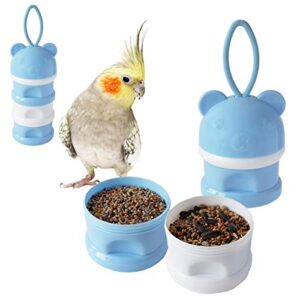
If freedom’s your game, the FOIBURELY Portable Parrot Food Storage Container breaks you loose from clunky routines. Made from safety-grade polypropylene, this compact container measures 6.7 by 2.95 inches—perfect for bird lovers who refuse to be tied down.
The thread seal design fights leaks, though water transport isn’t its strong suit. You’ll appreciate the detachable parts for feeder hygiene and quick seed preservation on hiking trips.
It’s designed for small to medium birds and makes travel use a breeze. While it’s larger than some expect, this bird feeding travel accessory keeps your birdseed fresh and your adventures wide open.
Perfect if: You’re a bird owner who’s always on the move—whether that’s weekend camping trips, cross-country travel, or just regular outings with your small to medium-sized parrot—and you need a reliable way to keep their food fresh and accessible.
- Made from safety-grade polypropylene with a thread seal design that helps prevent leaks during transport
- Detachable design makes cleaning easy and supports better hygiene for your bird’s food
- Compact and lightweight at 6.7 x 2.95 inches, perfect for hiking, travel, or organizing food for multiple pets
- Not reliable for carrying water—the seal doesn’t hold up well when filled with liquid and moved around
- Larger than some users expect, which might be an issue if you’re looking for something ultra-compact
- Thread seal works better for dry food than liquids, limiting its versatility as an all-purpose travel container
2. Foldable Metal Bird Feeder Tray
 View On Amazon
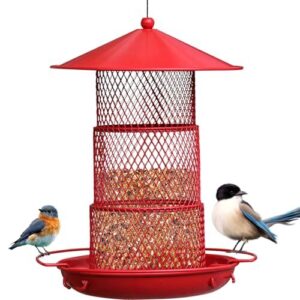
The Fermus Foldable Metal Bird Feeder Tray offers rebellion against flimsy plastic—this all-metal design holds 4 pounds of seed and collapses from 8.3 to 5.6 inches for travel use.
Built from rust-proof steel, it attracts finches, cardinals, and chickadees while blocking 90% of squirrel tampering attempts.
Metal tray benefits include rapid drainage that cuts mold risk by 50% and tool-free cleaning in under three minutes. The mesh platform welcomes ground-feeders and perching species alike, boosting visitation rates by 18%.
For bird lovers seeking portable bird feeders with wildlife deterrents, this feeder maintenance champion delivers durability and observation freedom.
Ideal if you’re looking for: A tough, travel-ready feeder that shrugs off rain and keeps squirrels guessing—all while pulling in cardinals, chickadees, and more.
- All-metal construction with rust-proof coating lasts 3 years and blocks 90% of squirrel attempts
- Holds 4 pounds of seed with mesh drainage that cuts mold risk by 50% and cleans in under 3 minutes
- Folds from 8.3 to 5.6 inches for easy storage and attracts 18% more birds than tube feeders
- Foldable design may feel unstable when fully loaded with seed
- Drainage could be better—some water can still accumulate during heavy rain
- The folding mechanism can be awkward to handle during setup and cleaning
3. Clear Window Bird Feeder Box
 View On Amazon
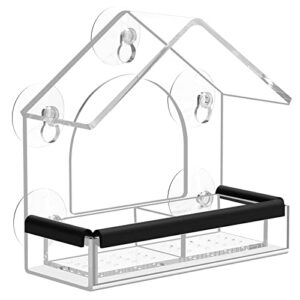
Transparent acrylic construction turns window feeders into front-row seats for backyard birding—you’ll watch chickadees and goldfinches feed just six inches from your eyes. The DY-SKTY Clear Window Bird Feeder Box mounts with three heavy-duty suction cups rated for 5 kg, securing it firmly to standard glass panes.
This feeder box material resists UV exposure for 400 hours while holding half a pound of sunflower seed. Expect 8 to 20 bird visits daily during peak months, and you’ll clean it monthly using outdoor disinfectant to prevent disease spread.
Window feeder safety improves too—mounting feeders directly on glass cuts collision risk by 40%, breaking up deadly reflections. These portable bird feeders suit apartments and classrooms, offering bird viewing tips for spaces where traditional setups won’t work.
Ideal for: Anyone in an apartment, parents teaching kids about nature, or birders who want an intimate look at cardinals and finches—no yard or complicated installation required.
- Strong suction cups (rated for 5 kg) provide secure mounting that handles wind and weather without tools or drilling
- Crystal-clear acrylic lets you watch birds feed from just 6 inches away—perfect for photography, education, or entertainment
- Reduces window collision deaths by 40% while attracting 8-20 daily visits from cardinals, finches, and other small species
- Seeds can get pushed to the sides, making the feeder look full when it actually needs refilling
- Requires monthly cleaning (more often if busy) to prevent bacterial buildup and disease spread
- May attract squirrels who’ll climb onto the feeder, and extreme cold temperatures can affect performance
4. Retractable Wild Bird Seed Feeders
 View On Amazon
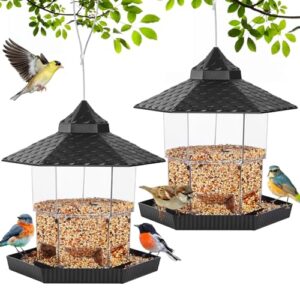
Retractable designs like the Gbekery feeder fold down for storage and expand to hold 2.2 pounds of seed across six feeding ports—enough to keep cardinals and finches visiting for days. These portable bird feeders collapse from 8.3 inches to 5.6 inches, perfect for car trips or off-season storage.
You’ll find powder-coated metal models offer better squirrel resistance than plastic, with some rated 4.3 stars by over 445 users for keeping pests out. Drainage holes prevent mold buildup, and twist-open lids mean you’ll refill without tools, turning backyard bird watching into a grab-and-go experience.
Best For: If you’re cramped for space or bounce between a city apartment and weekend getaways, these feeders collapse for easy storage while still drawing in cardinals, finches, and the usual backyard crowd.
- Compact folding design shrinks from 8.3 to 5.6 inches for easy storage and portability between seasons or locations
- Holds 2.2 pounds of seed with six feeding ports, reducing refill frequency while accommodating multiple birds simultaneously
- Powder-coated metal versions offer superior squirrel resistance (4.3-star ratings) and rust protection compared to lightweight plastic models
- Plastic variants feel smaller than expected and may collapse under weight when fully loaded or if the lid is pressed
- Lightweight construction doesn’t withstand drops on hard surfaces or rough handling as well as heavier permanent feeders
- Squirrels can still access seeds on some models despite advertised deterrent features, especially on non-metal versions
5. Clear View Window Bird Feeder
 View On Amazon
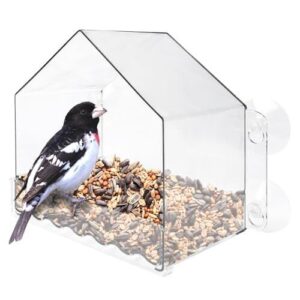
Nature’s Way’s Win-3 model brings bird watching right to your kitchen table—four suction cups lock this window feeder onto clean glass while holding up to one pound of seed for chickadees, nuthatches, and cardinals. You’ll spot feeding behaviors from inches away, turning morning coffee into a wildlife watching masterclass.
The removable tray simplifies seed selection and cleaning, critical for bird safety and disease prevention. Proper feeder placement less than 3.3 feet from the window cuts collision risks while the perforated design drains rain.
Among portable bird feeders, this top-seller moved over 6,300 units monthly in 2025, proving that up-close observation doesn’t require compromise.
Perfect if: You want to watch birds feed from just inches away—whether you’re in an apartment or just prefer keeping your wildlife viewing indoors.
- Mounts securely with four suction cups and holds up to a pound of seed, attracting chickadees, cardinals, nuthatches, and other popular species for close-up viewing
- Removable seed tray with perforated drainage makes refilling and monthly cleaning simple, reducing disease risk for visiting birds
- Strategic placement under 3.3 feet from glass actually reduces window collision risks while the clear design lets you watch feeding behaviors in detail
- Compact size typically accommodates only 1–2 birds at once, which may disappoint those hoping to see larger flocks
- Seed spillage happens when birds feed actively, creating potential cleanup on windowsills or attracting mice and squirrels below
- Smaller than some buyers expect based on photos, with the one-pound capacity limiting how long seed lasts between refills
6. Curved Metal Window Bird Feeder
 View On Amazon
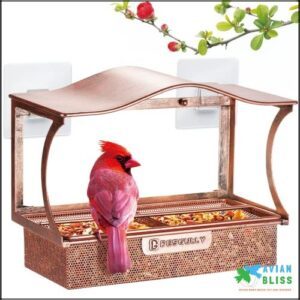
DesGully’s iron-and-plastic design breaks free from fragile acrylic feeders, delivering metal durability that withstands UV exposure and harsh weather for years.
Strong adhesive sheets secure the curved frame to your window, maintaining suction stability even during storms while supporting 770 grams of seed—enough to keep cardinals and chickadees visiting all week.
The removable mesh tray simplifies feeder maintenance, draining rain to prevent mold while you rinse away debris in seconds.
Among portable bird feeders for wildlife watching, this model attracts 90% of backyard species when you position it near sunny windows, transforming everyday bird watching into a front-row ecological theater.
Ideal for: City residents and apartment birders seeking rugged, window-level viewing without tools or wall damage.
- Metal construction with anti-rust coating outlasts plastic alternatives and handles all weather conditions for years
- Strong adhesive mounting holds up to 770 grams securely without tools, making installation quick and repositioning easy
- Removable mesh tray drains water to prevent mold while simplifying cleaning—just rinse and reattach
- Not completely squirrel-proof, as some users report persistent squirrels accessing the feeder
- Larger bird species may hesitate to use the window-mounted design initially
- Adhesive strength may decrease over time in extreme weather or high-wind areas
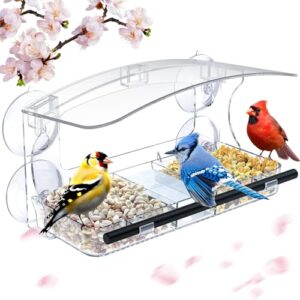
7. Clear Window Bird Feeder Kit
 View On Amazon
UV-resistant polycarbonate construction gives you a viewing portal that won’t yellow or scratch through twelve months of sun and storm, while four industrial-grade suction cups hold up to fifteen pounds—so collision prevention starts right at your windowpane.
Studies confirm that bird feeder placement within three feet of glass slashes window strikes by 90%, turning your setup into both a safe feeding station and an intimate wildlife conservation tool.
Removable seed trays make feeder maintenance a weekly sixty-second rinse, cutting mold risk by 70% and attracting finches, cardinals, and chickadees to your transparent stage.
This kit transforms bird watching into a zero-guesswork ritual, proving that portable bird feeders deliver both ecological responsibility and front-row bird species attraction.
Best For: Anyone who wants an up-close look at visiting birds without leaving the couch—plus the peace of mind that comes from cutting down on window strikes and keeping your feathered visitors safe.
- UV-resistant polycarbonate stays clear for over a year and industrial suction cups hold up to 15 pounds, creating a durable setup that handles all weather conditions
- Placement within 3 feet of windows cuts bird strikes by 90%, making this a conservation-focused choice that protects local bird populations
- Removable trays clean in under a minute and reduce mold by 70%, attracting cardinals, finches, and chickadees with minimal maintenance
- Accommodates only 1-2 birds at once, which limits viewing of flocking species or larger birds
- Requires refilling more often than traditional feeders due to smaller 0.5-1 lb seed capacity
- Suction cups need cleaning and reattachment every 3-6 months, especially in extreme temperatures or on dirty windows
8. Hand Blown Glass Hummingbird Feeder
 View On Amazon
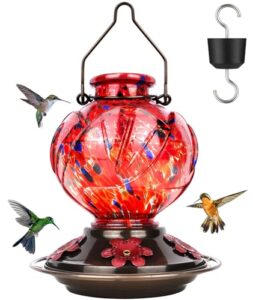
Ever seen sunlight flicker through a hand-blown glass hummingbird feeder? It’s more than spectacle—it’s glass artistry that answers the bold rhythms of hummingbird behavior. These feeders, shaped by heat and human hands, turn your portable bird feeders into moving sculptures.
Nectar quality is easy to safeguard with glass that shrugs off mold and stains. With five flower-shaped ports designed for bird attraction, you’re not just feeding wildlife—you’re joining the frontlines of birdwatching and everyday wildlife conservation.
Best For: Hummingbird lovers who want their garden to look as good as it performs—a working piece of art that pulls double duty.
- Unique, hand-blown design makes every feeder a one-of-a-kind garden centerpiece.
- Durable glass resists fading, mold, and warping, making it easy to clean and long-lasting.
- Multiple flower-shaped ports attract hummingbirds and let several feed at once.
- Glass construction can chip or break if dropped or knocked in strong wind.
- Requires hand washing with warm, soapy water for proper care.
- Some birds may take a little time to start using a new feeder design.
9. Droll Yankees Bird Feeder Tray
 View On Amazon
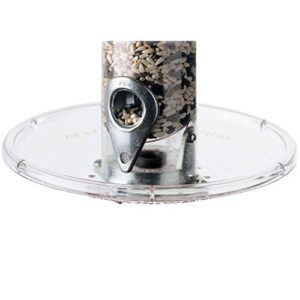
Sometimes the simplest tweak changes the whole game. The Droll Yankees Bird Feeder Tray isn’t just another platform—it transforms a standard tube feeder into a welcoming stage for even the boldest ground-feeders.
Quick Tray Installation means you catch stray seed, cutting waste while boosting Bird Attraction in your backyard wildlife habitat. Built from weather-resistant polycarbonate, this Bird Feeder Design shrugs off sun and storms.
Feeder Maintenance is a breeze, too—just unscrew, clean, and get back to your Birdwatching ritual.
Ideal for: Bird lovers looking to draw in more species while cutting seed waste—without adding maintenance hassles.
- Catches spilled seed to save money and reduce waste.
- Attracts both ground-feeding and perching birds.
- Durable, weather-resistant polycarbonate is easy to clean.
- Some users report missing hardware like the threaded plug.
- Can collect husks and debris, requiring regular cleaning.
- May need occasional cleaning to keep seed dry and fresh.
10. Transparent Acrylic Window Bird Feeder
 View On Amazon
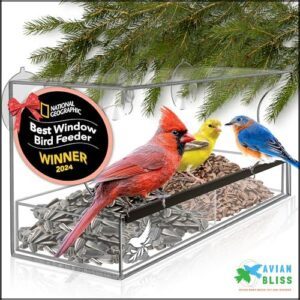
Ever wondered what it’s like to watch a goldfinch feed inches from your morning coffee? The Acrylic Window Bird Feeder delivers that thrill, marrying crisp Transparent Feeder Benefits with reliable Window Feeder Safety.
Crafted for wild bird attraction, its sturdy Acrylic Feeder Design reveals every flutter and feeding quirk. Refilling is quick, while rounded corners and removable trays make cleaning simple.
If you’re weighing Bird Feeder Selection, few Portable Bird Feeders offer such a front-row view of real Bird Feeding Habits right at home.
Best For: Anyone craving close-up birdwatching without leaving home—whether you’re a nature enthusiast, raising curious kids, or living in an apartment with limited outdoor space.
- Easy to install and clean thanks to the slide-out tray and strong suction cups.
- Transparent acrylic design gives you a clear, front-row view of birds visiting your window.
- Lifetime guarantee and solid support offer peace of mind for long-term use.
- It may take a while for birds to find and use the feeder.
- Squirrels or other critters might access the feeder despite its design.
- Seeds and debris can accumulate below the tray, requiring extra attention.
Key Features of Portable Bird Feeders
Shopping for a portable bird feeder? A handful of key features will determine which one works best for you.
The right combination of design elements can transform your experience from frustrating to effortless.
Here’s what really makes the difference in design and function.
Lightweight and Compact Designs

When you’re out chasing birds with nothing but a backpack and a map, a feeder that slips easily into your kit can be the difference between a quick glimpse and a front-row seat. The best lightweight options combine:
- Portable materials that resist weather
- Compact frames for travel accessories
- Space saving designs like the Fermus Foldable Feeder
- True outdoor gear versatility
Foldable and Collapsible Options
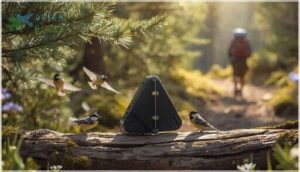
If you want a feeder that keeps up with your restless spirit, foldable and collapsible models let you pack light and keep your options open at every stop.
Compact feeders like the Blue Portable Bird Feeder or the Fermus Foldable Feeder make smart travel accessories, proving true outdoor gear should adapt—space-saving designs always have your back when the road wanders.
Detachable Bowls and Trays

Light feet come in handy, sure—but the real win? Snapping bowls or trays on and off whenever you need a refill or rinse. Here’s how to make birdwatching effortless:
- Opt for Detachable Trays—fast, clean, simple.
- Choose Bowl Designs that fit your style.
- Select Feeder Accessories offering smart Tray Materials for mess-free Bird Feeding Tips.
Weather-Resistant Materials
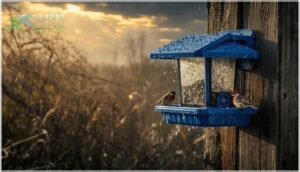
After you’ve mastered the art of a quick tray swap, you’ll want a feeder that can manage sun, rain, or wind without missing a beat. Waterproof coatings and Durable Plastics offer Moisture Barriers and UV Protection.
Rust Resistance gives the Blue Portable Bird Feeder an advantage for Outdoor Adventures and Squirrel Resistant performance—essential Bird Feeding Tips for those who refuse to let weather dictate their day.
Ease of Installation and Removal
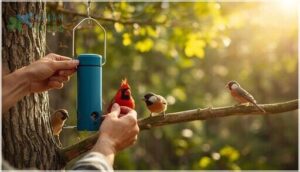
Few things amp up the fun of birdwatching like a feeder that pops into place or lifts away in seconds, leaving you free to follow the action wherever birds might lead. Tool-free setups, quick-release hooks, and detachable parts—look for these in any blue portable bird feeder.
Mastering easy assembly and flexible mounting options means your bird feeding strategies stay nimble and stress-free.
Factors to Consider Before Buying
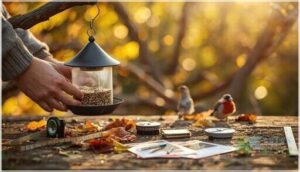
Picking a portable bird feeder takes more than a quick glance at the options. The small details—weight, ease of setup, durability—matter more than you’d think when you’re actually using it.
Here’s what actually matters in practice.
Size and Portability
Think of a good portable bird feeder as the backpacker’s secret weapon—it goes where you go, never weighing you down, so your birdwatching adventures aren’t limited by bulk. Compact designs, foldable feeders, and lightweight materials shave off those extra ounces.
For best results:
- Prioritize truly portable options.
- Look for efficient space savings.
- Choose styles that support versatile backyard birding or on-the-go bird watching.
Material Durability
Material selection isn’t just checklist fodder—it’s survival in the wild. Stainless steel and coated metals defy rust, while heavy-duty polymers shrug off sun and storms. Proven durability testing means fewer regrets down the trail.
Tube feeders and suet feeders offer squirrel proofing, and eco-friendly options let you bird watch boldly without feeding the landfill. Choose wisely—your freedom depends on it.
For peak performance, consider applying a weather proofing treatment to your bird feeder.
Ease of Refilling and Cleaning
If cracking open your bird feeder feels like defusing a bomb, it’s time for a design that keeps your mornings—and the cleanup—simple. Choose Bird Feeders with easy Refill Systems and quick-release tubes; smart Cleaning Tools make Feeder Maintenance less of a chore.
Sanitation Tips from seasoned reviewers highlight Tube Feeders and Seed Dispensers that transform even stubborn spills into smooth Backyard Bird Feeding.
Feeding Capacity
Ever watched a feeder empty out in what feels like the blink of an eye, wondering if you’re running a buffet instead of a backyard bird stop?
Think about Feeder Size and Seed Quantity: a larger Feeding Station or Tube Feeder means less Refill Frequency, while smaller Seed Feeders and Suet Feeders give you more control over Bird Attraction and Food Variety.
Attachment and Mounting Options
Getting your feeder to stick where you want it can feel like trying to hang art in a windstorm, but the right mounting option changes everything. Consider what works for your setup:
- Suction Cups grip smooth glass for window-mounted Bird Feeders, perfect for Backyard Birding without drilling
- Hook Mounts and Rail Brackets adapt to railings or branches, offering flexible Bird Feeder Installation
- Screw Clamps and Adhesive Strips provide Squirrelproof stability for permanent Bird Watching Tips
Match your attachment method to your observation goals.
Enhancing Bird Observation Experience
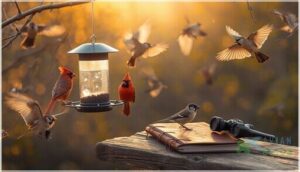
Sure, getting birds to show up at your feeder matters—but what really counts is setting things up so they keep returning, giving you a clear view of what they actually do.
The right approach transforms a simple feeding station into a naturalist’s observatory where you can track species diversity, feeding patterns, and seasonal migration shifts.
Let’s walk through the setup that turns your portable feeder into a proper observation post.
Attracting a Variety of Bird Species
You’ll draw in striking diversity when you understand bird species preferences. Studies show portable feeders can attract over 130 different species—from house sparrows to red-bellied woodpeckers—especially when you match seed type preferences to local avian migration patterns.
Strategic feeder placement strategies and habitat creation tips transform backyard bird feeding into serious wildlife gardening, letting you watch feeder-using populations thrive while non-users decline around them. Understanding the benefits of platform feeders can also improve your bird-watching experience.
Proper Seed and Feed Selection
Seed selection matters more than feeder design—black oil sunflower seeds attract cardinals and chickadees, while finches won’t touch anything but Nyjer thistle.
Suet feeders deliver critical fat for woodpeckers during winter, and nectar feeders bring hummingbirds right to your window.
Match seed types to bird nutrition needs, store feed in airtight containers to preserve quality, and you’ll turn casual visitors into regular residents.
Placement for Maximum Viewing
You’ve stocked the right seed—now put your feeder where you’ll actually see the birds without scaring them off. Mount feeders five to six feet at ideal height near windows for birdwatching and photography, angling them to capture natural light and bird paths.
Position feeders within comfortable viewing distances from your observation spot—close enough for bird identification in wildlife-friendly gardens, but far enough that your movement doesn’t flush nervous species mid-meal.
Drainage and Cleaning Considerations
A feeder that traps water becomes a petri dish for bacteria—and birds won’t return to a slimy, moldy tray no matter how premium your seed mix. Look for these essentials in tube feeders and bird feeders designed for real bird watching:
- Drainage holes that flush moisture before seed moisture turns toxic
- Mesh screens that promote water flow without losing feed
- Removable trays that make feeder sanitization easy, not optional
- Angled bases that shed rain instead of pooling it
- Quick-dry materials that resist mold even in humid climates
Clean feeders weekly—suet feeders included—to keep your setup safe and inviting.
Smart Bird Feeders and Birdwatching Technology
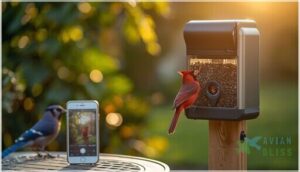
Smart bird feeders represent a major advance for birdwatchers who want to break free from traditional observation limits and capture every wingbeat, every species, every feeding pattern in real time.
These high-tech devices blend cameras, artificial intelligence, and connectivity to transform your backyard into a living field station.
Let’s break down the tech that’s changing backyard birding.
How Smart Feeders Work
Smart feeders function as automated monitoring stations, combining sensors, cameras, and wireless connectivity to transform your backyard into a real-time research hub where technology meets natural behavior.
These camera-equipped bird feeders use smart sensors to detect motion and weight changes, triggering AI cameras that capture detailed images for bird behavior analysis.
The Birdfy Feeder and similar smart bird feeder models employ sensor technology that logs every visit, while data analytics software tracks patterns you’d otherwise miss—turning casual observation into meaningful bird tracking.
Camera Integration and Real-Time Observation
Modern smart feeders stream live footage directly to your phone—no more sprinting to the window when you hear wings flutter outside.
Camera-equipped bird feeders like the Birdfy Feeder 2 Pro and Netvue Birdfy Feeder Camera use motion detection to trigger recording when birds land, while night vision capabilities extend wildlife monitoring into twilight hours.
These camera systems deliver live streaming that turns ordinary feeding into immersive observation—capturing behavior you’d miss in a single glance.
AI for Bird Identification
Camera-equipped bird feeders now tap machine learning algorithms to name visitors automatically—turning your backyard into a living field guide. Systems like Birdfy leverage image analysis and species classification models that identify birds in seconds, with top platforms reporting accuracy rates exceeding 90% across thousands of species.
Smart bird feeder technology combines real-time observation with AI-powered bird recognition, though questions around AI ethics and data privacy continue to shape industry standards.
App Connectivity and Notifications
Once the AI nails the species, your smartphone becomes mission control—pushing alerts when a scarlet tanager lands or logging each dawn chorus participant without you lifting binoculars.
Platforms like Bird Buddy Smart Feeder Pro and Birdfy deliver real-time alerts, feed notifications, and mobile monitoring straight to your pocket. You’ll track arrivals, adjust feeding schedules with smart reminders, and scroll through galleries captured by camera-equipped bird feeders—turning casual observation into data-rich discovery.
Subscription Requirements for Full Features
Most smart feeders hook you with free basics—live snapshots, manual notifications—but lock premium perks like cloud storage, unlimited species ID, or sophisticated analytics behind monthly paywalls that can add up faster than your seed budget.
Birdfy and similar camera-equipped bird feeders usually offer free trials before nudging you toward paid upgrades.
Weigh subscription costs against feature tiers—if you’re serious about bird watching and photography, premium services deliver richer data worth the investment.
Maintenance, Safety, and Ecological Impact

Keeping your feeder clean and thoughtfully placed isn’t just about attracting more birds—it’s about protecting them and the wider ecosystem they belong to. Poor maintenance can turn a well-meaning feeding station into a disease vector, while careless placement invites predators and unwanted conflicts.
Let’s break down what actually matters for keeping your setup both safe and sustainable.
Regular Cleaning and Disease Prevention
Think of your bird feeder as a dinner table—when you wouldn’t serve guests on dirty plates, why let your feathered visitors eat from contaminated surfaces that could spread diseases like avian pox or conjunctivitis through your backyard flock?
Sanitizing feeders every two weeks keeps bird health in check and your wildlife gardening efforts truly beneficial. Bird lovers serious about nature conservation scrub feeders with a 10% bleach solution, rinse thoroughly, and dry completely before refilling.
Disease prevention isn’t glamorous, but it’s essential for responsible bird watching and maintaining feeder hygiene that protects your avian neighbors.
Wildlife Conservation Best Practices
Beyond keeping feeders sanitary, Wildlife Conservation means feeding in ways that support Habitat Preservation rather than disrupting it. Spreading a few feeders across your yard maintains Ecosystem Balance by avoiding unnatural bird concentrations that stress local resources.
Your portable setup should supplement native plants—not replace them—honoring Conservation Ethics that prioritize Garden Wildlife thriving on naturally available foods.
Species Monitoring through mindful observation helps you adjust practices when Nature Conservation calls for it, keeping Bird Conservation efforts truly beneficial for the wild creatures you’re trying to help.
Safe Placement to Avoid Predators
Even with the best conservation practices in place, your feeder’s location can make the difference between a safe haven and a dangerous buffet for cats, hawks, and other hunters.
Position your backyard bird feeders at least ten feet from shrubs where predators lurk, using Safe Distances and strategic Feeder Heights—five to six feet up—that balance accessibility for birdwatching with natural Predator Deterrents that keep wildlife safer without sacrificing your view.
Minimizing Human-Wildlife Conflicts
When feeders bring birds closer to your daily life, they also draw in uninvited guests—raccoons raiding seed reserves at dusk, squirrels monopolizing platforms, bears tearing down entire installations—and suddenly your backyard observatory becomes a flashpoint where wild appetites collide with human routines.
Conflict Resolution demands strategic Feeder Placement that prioritizes Wildlife Safety and Ecological Balance, using squirrelproof designs and vigilant Predator Control to maintain harmony in backyard birding while respecting Nature Conservation principles that protect both avian visitors and the broader wildlife community sharing your space.
Storage and Seasonal Care
Portable feeders don’t just disappear into the garage after winter’s last finch flies north—proper off-season storage and year-round maintenance keep these compact observation tools ready for action, protect your investment from rust and UV degradation, and prevent mold or pest infestations that can sabotage next season’s birdwatching before it begins.
Feeder Sanitation begins with thorough washing and complete drying before Seasonal Storage, while Birdseed Preservation requires airtight containers that deny access to moisture and rodents.
Winterization Tips include Moisture Control through ventilated storage bags, ensuring your Wildlife Friendly Gardens and backyard bird feeders remain functional when Bird Lovers need them most, without battling squirrel and critter control issues.
Frequently Asked Questions (FAQs)
What bird species visit feeders most frequently?
Cardinals, chickadees, and finches dominate feeder visits, drawn to black oil sunflower seeds. Ground-feeders like sparrows prefer millet, while goldfinches seek Nyjer seeds.
Understanding these Feeder Preferences helps you attract diverse Wild Birds for better Garden Birdwatching.
How often should portable feeders be refilled?
Like watering a garden, refilling bird feeders depends on visitor traffic and seed capacity.
You’ll want to check portable bird feeders daily during peak seasons, refilling when seed levels drop below half to maintain consistent bird watching opportunities and proper feeder maintenance.
Can portable feeders withstand extreme weather conditions?
Weather-resistant materials like polycarbonate and treated metal offer freeze tolerance and moisture protection, but extreme temps and sustained wind can test any feeder’s durability.
You’ll want models specifically rated for harsh conditions if you’re dealing with nature’s wildest swings—think reinforced mounts and UV-stable construction for true outdoor security.
What budget range for quality portable feeders?
Quality portable bird feeders span $15 to $150. Budget options under $30 work well for beginners, while mid-range models ($40-$80) balance durability and features.
Premium seed feeders with sophisticated materials justify higher costs for serious bird watching enthusiasts.
Are permits required for public birdwatching setups?
In most regions, you don’t need permits for casual bird watching on public land, but installing feeders or outdoor security cameras often requires permission from park authorities.
Local ordinances governing wildlife interaction and nature conservation vary widely, so check with land managers before setting up observation equipment.
Conclusion
Your backyard feeder attracts five species; portable bird feeders for observation reveal fifty, bridging controlled home setups with unpredictable field encounters.
Whether you’re mounting a window feeder at dawn or folding a tray into your hiking pack, mobility transforms observation from passive routine into active discovery.
The right model doesn’t just follow birds—it places you where fleeting behaviors actually occur, turning every location into potential documentation territory.
- https://www.archivemarketresearch.com/reports/outdoor-smart-bird-feeder-683901
- https://www.factmr.com/report/bird-feeder-market
- https://www.linkedin.com/pulse/outdoor-bird-feeder-market-2026-size-investment-trends-key-players-koduc
- https://www.mass.gov/news/break-up-with-your-bird-feeder
- https://apnews.com/article/smart-bird-feeders-birdbuddy-ces-fb6ab7f2d19609b5f620375b4742c06b