This site is supported by our readers. We may earn a commission, at no cost to you, if you purchase through links.
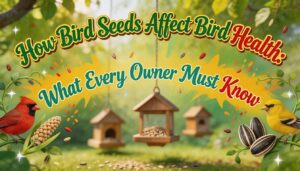
Most backyard birders fill their feeders without a second thought—black oil sunflower here, a millet mix there—trusting that seeds are seeds. But goldfinch and a cardinal share about as much dietary overlap as a marathon runner and a lineman.
The wrong seed doesn’t just go uneaten; it can quietly drive deficiencies, obesity, and liver damage over months. How bird seeds affect bird health runs deeper than most people realize, and the details matter far more than the bag’s marketing claims.
Knowing which seeds fuel which birds—and which ones to pull entirely—makes the difference between a thriving flock and a struggling one.
Table Of Contents
- Key Takeaways
- Nutritional Value of Common Bird Seeds
- How Bird Seeds Impact Bird Health
- Toxic and Harmful Seeds to Always Avoid
- Species-Specific Seed Preferences and Digestive Needs
- Balancing Seeds With a Complete Avian Diet
- Top 4 Bird Feeders for Healthier Seed Feeding
- Safe Seed Storage and Feeder Hygiene Practices
- Frequently Asked Questions (FAQs)
- Is stale bird seed bad for birds?
- Why are seed mixes bad for birds?
- Do birds eat bird seed mixes?
- Are filler seeds bad for birds?
- Why put a potato in your bird feeder?
- When should you stop putting out bird seed?
- Do migratory birds require different seed blends?
- How does seed feeding impact local ecosystems?
- Which seeds support birds during extreme heat?
- Can sprouted seeds improve overall bird nutrition?
- Conclusion
Key Takeaways
- Seed choice isn’t just a preference — feeding the wrong seeds long‑term can quietly cause liver damage, obesity, and nutrient deficiencies that don’t show up until serious harm has already been done.
- Different birds are built for different seeds: goldfinches thrive on nyjer, cardinals need black oil sunflower, and ground feeders like sparrows do best on white proso millet — mismatching them wastes food and undermines health.
- Seeds should make up no more than 25% of a bird’s total diet, with the rest coming from pellets, fresh produce, and protein sources like mealworms to fill the gaps that seeds can’t cover.
- Moldy, stale, or contaminated seeds — including everyday yard items like apple pits and avocado — pose a genuine toxicity risk, making clean storage, regular feeder sanitation, and seed freshness checks non‑negotiable.
Nutritional Value of Common Bird Seeds
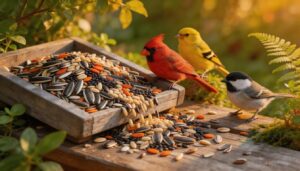
Not all bird seeds are created equal — some pack serious nutritional punch, while others are little more than filler taking up space in your feeder. The seed types you choose directly shape your birds’ energy levels, feather quality, and long-term health.
Choosing seeds that support real wild bird wellness and nutrition means healthier plumage, better energy, and birds that actually stick around.
Here’s a closer look at the most common options and what each one actually brings to the table.
Black Oil Sunflower Seeds: Fat, Protein, and Energy
Black oil sunflower seeds are high in fat — around 40 to 50 percent — making them one of the most energy-dense seeds you can offer. Their protein content runs 16 to 21 percent, supporting feather growth through better protein digestibility and gizzard efficiency.
Just watch the calcium balance and omega-6 ratio over time, and discard any seed showing signs of rancid oil.
Nyjer and Safflower: High-Value Seeds for Finches and Cardinals
Two other high-value seeds worth knowing: Nyjer and Safflower. Nyjer specifically attracts goldfinches — its 30–40% fat content delivers concentrated calories, though oil oxidation management matters here, since this seed turns rancid faster than most.
Safflower for cardinals is a smart pick; its shell toughness impact actually deters starlings and squirrels.
Both reward thoughtful feeding frequency optimization and bird preference trials at your feeder.
Nyjer seeds are heat‑sterilized Nyjer seeds during import to limit invasive thistle spread while retaining nutritional value.
Millet and Carbohydrate-Dense Seeds for Ground Feeders
While finches chase nyjer and cardinals claim safflower, ground feeders have their own favorite: white proso millet.
It’s carbohydrate-dense — about 73 grams of carbs per 100 grams — making millet energy timing perfect for quick fuel.
Juncos, sparrows, and doves thrive on ground platforms, especially in winter flocks.
Scatter it lightly for millet sprout prevention and refresh daily.
Why Filler Seeds Like Milo and Wheat Fall Short
Not all seeds earn their place in the feeder.
Red milo and wheat — classic filler seeds — offer low energy density, poor protein content, and high waste generation. Milo sits at just 3–5% fat compared to sunflower’s 40–50%.
That gap matters in winter. They also attract unwanted species like pigeons and starlings, widen seasonal nutrient gaps, and quietly deepen nutrient deficiencies resulting from seed diets.
How Bird Seeds Impact Bird Health
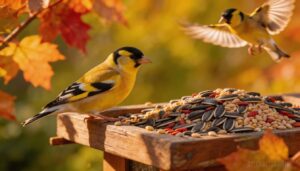
Seeds do more than fill a feeder — they directly shape how a bird grows, molts, and survives the cold. right seed at the right time can make a real difference, but the wrong balance quietly causes problems you might not notice until they’re serious.
four key areas of bird health.
Energy Needs During Breeding, Molting, and Winter
A bird’s energy demands don’t stay constant — they spike hard during breeding, molting, and winter.
Breeding females allocating nutrients toward egg production need calorie dense seeds like black oil sunflower, which delivers roughly 5.5–6 kcal per gram.
Molting birds need protein boost strategies alongside seasonal fat reserves.
For thermoregulation feeding in winter, high-in-oil options like nyjer support reproductive energy allocation and seasonal feeding strategies for cold weather.
Role of Fatty Acids in Feather and Beak Development
What your bird eats directly shapes feather quality and beak toughness. Oil-rich sunflower seeds deliver linoleic acid benefits — an essential fatty acid birds can’t produce themselves — which builds the feather lipid layer and helps healthy beak lipid supply.
But linoleic acid is an omega-6, so the omega-6 ratio matters. Adding hemp hearts provides omega fatty acids (omega-3s) to balance preen oil composition and improve overall fatty acid profile.
Nutrient Deficiencies From Seed-Only Diets
A seed-only diet looks complete — but it quietly leaves critical gaps.
Nutrient deficiencies resulting from seed diets include Vitamin D3 deficiency, iodine deficiency, and a real amino acid gap that stunts growth and repair.
Long-term, expect bone density loss and immune function decline.
Watch for these warning signs:
- Blunted choanal papillae (rough roof-of-mouth tissue)
- Soft or brittle bones
- Noisy breathing or voice changes
- Dull, poor-quality feathers
- Lethargy or slow molt
Risks of Obesity in Captive and Backyard Birds
Obesity sneaks up quietly — especially in captive birds eating high‑oil seeds without enough flight to burn the calories off.
Black oil sunflower and Nyjer are dense fuels, but a seed‑only diet with no balance invites liver fat accumulation, joint stress, breathing difficulty, and reproductive issues over time.
Controlling seed portions and building a balanced diet genuinely extends lifespan.
Toxic and Harmful Seeds to Always Avoid
Not every seed that looks harmless actually is. Some common things — pits, beans, and moldy seed — can seriously hurt or kill a bird, often faster than you’d expect.
Here’s what to keep out of your feeder at all costs.
Apple and Cherry Pits: Hidden Cyanide Risk
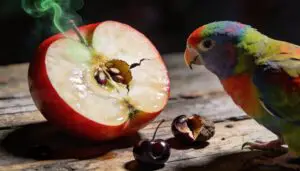
That apple core looks harmless — but the seeds inside carry amygdalin, a compound that triggers a cyanide release process the moment a bird’s beak crushes it.
Because of bird metabolism sensitivity, even tiny amounts hit hard.
Watch for poisoning symptoms: sudden weakness, labored breathing, or collapse.
Remove all pits and cores before offering fruit, and treat any seed toxicity exposure as a case for emergency veterinary care immediately.
Castor Beans, Avocado Pits, and Other Dangerous Seeds
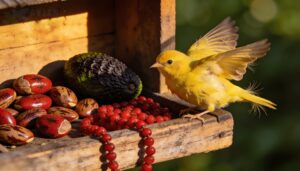
Castor beans harbor ricin — a cell‑destroying protein that shuts down organ function fast. Avocado pits contain persin, triggering cardiac effects that can kill small birds within hours. These aren’t edge cases; they’re everyday yard hazards.
Watch for these toxic seed contaminants:
- Castor beans: Ricin toxicity causes rapid collapse — even cracked shells release lethal doses.
- Avocado pits: Persin cardiac effects include fluid buildup around the heart.
- Rosary peas: Abrin poisoning from one chewed seed is a veterinary emergency response situation.
- Sago palm seeds: Cycasin liver damage progresses quickly, often causing seizures.
Bird mortality from contaminated feed is preventable — know what’s in your yard.
Moldy Seeds and Aflatoxin Liver Damage
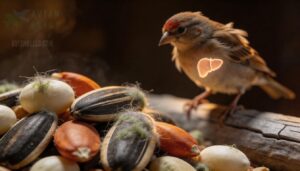
Mold is quieter than ricin — but just as deadly over time. Moldy seeds produce aflatoxins, specifically from Aspergillus molds that thrive in warm, damp conditions (25–32°C). Liver toxicity from aflatoxins develops gradually, binding to liver DNA and disrupting cell repair. Small birds absorb higher doses per gram of body weight — making contamination and mold in bird feed a disproportionate threat.
Mold kills quietly — aflatoxins from damp seeds bind to liver DNA, and small birds absorb lethal doses before symptoms ever appear
| Aflatoxin Risk Factor | Why It Matters |
|---|---|
| Seed Heat Treatment | Reduces but doesn’t eliminate mold spores |
| Bird Liver Pathology | Progresses silently before symptoms appear |
| Liver Failure Symptoms | Weakness, weight loss, sudden death |
| Aflatoxin Testing Kits | Detect contamination before birds are exposed |
| Mycotoxin-Resistant Varieties | Reduce contamination risk at the source |
Seed spoilage doesn’t always look obvious — and that’s the problem.
How to Identify Spoiled or Contaminated Seed
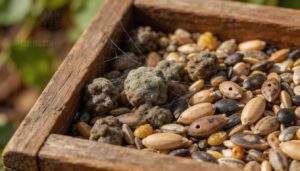
Seed spoilage is sneaky — but your senses can catch it early. Here are four signs that signal contamination before it reaches your birds:
- Visual Clues: Clumping, discoloration, or fuzzy patches signal active mold or moisture damage.
- Smell Checks: Musty, rancid, or sour odors mean bacterial growth or aflatoxin exposure has likely begun.
- Insect Signs: Webbing, tiny holes, or larvae confirm infestation — discard the entire batch.
- Fecal Contamination and Moisture Damage: Wet seed under crowded feeders, mixed with droppings, carries serious bacteria risk.
Species-Specific Seed Preferences and Digestive Needs
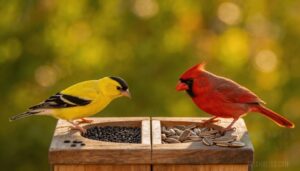
Not every bird is built to eat the same seeds — and that’s not a quirk, it’s biology. A goldfinch’s gut is wired differently than a cardinal’s, and feeding them the wrong thing means wasted food at best, poor health at worst.
Here’s a closer look at which seeds suit which birds, and why their digestive anatomy makes all the difference.
Goldfinches and Nyjer: a Natural Match
Goldfinches and nyjer seeds are a natural fit — and bill morphology adaptation explains why. Those narrow, pointed beaks are built for extracting tiny, oil-rich nyjer seeds with precision.
Nyjer seed viability matters, though; stale or damp seed gets ignored fast.
Use tube feeders with narrow ports, consider feeder placement strategies to reduce behavioral competition, and track seasonal feeding patterns to keep your goldfinches coming back.
Cardinals, Grosbeaks, and Sunflower Seed Selection
Cardinals and grosbeaks aren’t picky — they’re precise. Those thick, heavy bills evolved for cracking seeds, making black oil sunflower seeds their energy density choice at any feeder.
Shell thickness preference matters here: black oil’s thin hull cracks easily, while striped sunflower deters pest birds naturally.
large beak feeders, offer a seasonal sunflower mix, and you’ll attract these birds consistently.
Sparrows, Juncos, and Doves: White Proso Millet Favorites
If you’re feeding sparrows, juncos, or doves, white proso millet is the seed that earns its place. These birds are ground-feeding specialists — they forage low, close to brush and cover, not clinging to tube feeders.
Scatter millet on a low tray or open platform near shrubs. In winter, seasonal millet demand spikes as natural food disappears, making your feeder genuinely indispensable.
How Gizzard Size and Gut Anatomy Affect Seed Digestion
Think of the crop as a holding room — seeds wait there before moving to the proventriculus, where digestive enzymes begin breaking down proteins and softening coats. Then the gizzard takes over.
Gizzard Retention Time increases with seed hardness, and ingested grit works alongside Grit Size Interaction to grind tough hulls.
Coat Thickness Impact determines how much mechanical work is needed before nutrients become available.
Balancing Seeds With a Complete Avian Diet
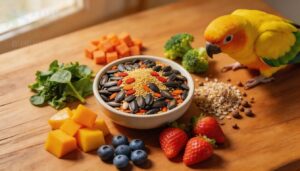
Seeds alone can’t cover everything your bird needs — and that gap shows up faster than most people expect. truly balanced avian diet pulls from several food groups, each filling a role that seeds simply can’t.
Here’s how to build that balance the right way.
Why Seeds Should Stay Under 25% of Total Diet
Seeds pack serious energy density — but energy alone doesn’t build healthy birds. Most avian nutritionists recommend keeping seeds under 25% of total diet for good reason:
- Calcium Deficiency Risk weakens bones and eggshells
- Vitamin A Gap damages skin, eyes, and immunity
- Obesity Prevention requires controlling high‑fat intake daily
- Balanced Nutrient Ratio demands variety beyond seeds alone
Portion control isn’t restriction — it’s protection.
Pellets, Fresh Fruits, and Vegetables as Nutritional Anchors
Pellets form the nutritional foundation your bird needs — covering what seeds simply can’t. A strong Pellet Micronutrient Profile delivers calcium, lysine, vitamin A, and consistent protein your bird needs daily.
Layer in Fruit Antioxidant Supply and Vegetable Fiber Boost through rotating seasonal produce, and you’ve built a genuinely balanced avian diet.
| Food Type | Key Nutritional Role |
|---|---|
| Protein-Rich Pellet Mix | Amino acids, vitamins, minerals |
| Leafy Greens | Fiber, vitamin A, calcium |
| Rotating Seasonal Produce | Broad micronutrient coverage |
| Fresh Fruit | Antioxidants, hydration |
| Combined Pellet + Produce | Complete nutrient balance for birds |
Supplementing With Mealworms, Suet, and Unsalted Peanuts
Beyond seeds and pellets, a few targeted extras make a real difference. Dried mealworms are a reliable Insect Protein Source — pure Protein Enrichment when natural insects aren’t around. Suet cakes deliver High-Fat Energy, especially in winter. Unsalted peanuts add healthy fats, though Choking Risk Management matters: go with ground or granule forms for smaller birds.
- Mealworms support birds during low-insect seasons
- Suet cakes fuel high energy demands in cold weather
- Ground unsalted peanuts reduce choking hazards safely
- Suet-mealworm blends in mesh feeders improve Feeder Waste Control
- Together, these round out Balanced Avian Diet Recommendations beyond the Nutritional Value of Common Bird Seeds alone
Calcium, Vitamin A, and Lysine: Filling The Nutritional Gaps
Three nutrients — calcium, vitamin A, and lysine — quietly run the show behind the scenes. Most seeds miss all three.
Calcium rich foods like crushed eggshells or leafy greens prevent calcium deficiency and support strong bones. Vitamin A precursors come from orange vegetables and fruits, correcting vitamin A deficiency before it weakens immunity. Lysine rich insects close the amino acid gap seeds leave behind.
| Nutrient | Best Sources |
|---|---|
| Calcium | Crushed eggshells, kale |
| Vitamin A | Carrots, sweet potato |
| Lysine | Mealworms, legumes |
| Mineral synergy | Pellets + fresh greens |
| Absorption enhancers | Vitamin D, sunlight exposure |
Top 4 Bird Feeders for Healthier Seed Feeding
The right feeder makes a real difference in how safely and efficiently birds eat. It affects seed freshness, waste, and even which species show up at your yard.
Here are four feeders worth considering for healthier seed feeding.
1. Kingsyard Weatherproof Platform Bird Feeder
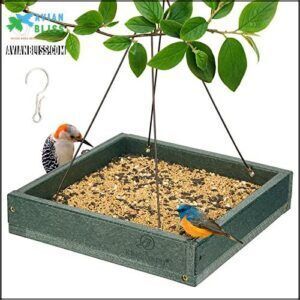
The Kingsyard Weatherproof Platform Feeder makes that routine easier than most.
Its 11-inch open tray holds up to 3.5 lbs of seed — enough for cardinals, woodpeckers, and doves to feed side by side without crowding.
The metal mesh bottom drains moisture away, which directly reduces your mold risk.
Four-chain suspension keeps the tray stable so seed doesn’t scatter.
It arrives pre-assembled, hangs in minutes, and wipes clean without disassembly — a practical choice at $26.99.
| Best For | Backyard bird watchers who want a low-maintenance, ready-to-hang feeder that can handle year-round weather and attract a wide variety of birds at once. |
|---|---|
| Material | Recycled plastic & metal mesh |
| Weather Resistance | Yes, year-round outdoor use |
| Drainage Design | Metal mesh bottom |
| Ease of Cleaning | Wipe-down open tray |
| Squirrel Resistance | None built-in |
| Assembly Required | Pre-assembled, ready to hang |
| Additional Features |
|
- Large 11-inch open tray holds 3.5 lbs of seed, giving multiple birds plenty of room to feed together without fighting for space.
- Built from recycled plastic with a metal mesh bottom — it shrugs off rain and snow while draining moisture to keep seed fresh.
- Comes pre-assembled and hangs in minutes, so there’s zero setup headache right out of the box.
- The tray isn’t removable, so a deep clean takes a bit more effort than feeders with detachable parts.
- No squirrel guard or predator deterrent, meaning determined critters can still help themselves to the seed.
- High-traffic spots will need frequent refills since 3.5 lbs goes fast when a crowd of birds shows up.
2. Kingsyard Antique Copper Metal Mesh Finch Feeder
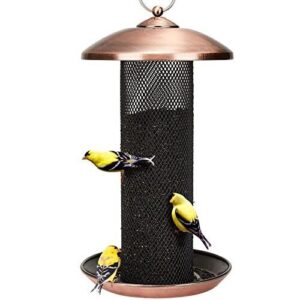
If your yard attracts goldfinches, this feeder was made for them.
The Kingsyard Antique Copper Metal Mesh Finch Feeder holds up to 2.5 lbs of Nyjer seed — exactly what high-energy finches need — and its 360° diamond-mesh design lets an entire flock feed at once.
The all-metal build resists squirrel damage and rust, while the twist-off top and removable base make cleaning genuinely quick.
At $20.99, it’s a practical, durable choice that keeps Nyjer fresh and your finches coming back.
| Best For | Backyard bird lovers who want to attract goldfinches and small finches with a durable, low-maintenance feeder that looks good doing it. |
|---|---|
| Material | Powder-coated metal |
| Weather Resistance | Yes, rust-resistant finish |
| Drainage Design | Integrated drainage holes |
| Ease of Cleaning | Twist-off top and base |
| Squirrel Resistance | Wire mesh design |
| Assembly Required | Ready to hang |
| Additional Features |
|
- All-metal build holds up against squirrels and rust way better than plastic or sock feeders
- The 360° mesh lets a whole flock feed at once — no fighting over a single port
- Twist-off top and removable base make refilling and cleaning genuinely painless
- Mesh openings can be a touch too wide for very fine nyjer seed, so some spillage is possible
- A determined squirrel can still shake or tip it — you may need a baffle or cayenne seed as backup
- Metal heats up and cools down fast, so extreme temps could affect seed freshness over time
3. Squirrel Shield Clear Plastic Bird Baffle

Fresh seed only matters if it actually reaches your birds. That’s where the Squirrel Shield earns its place.
This 16-inch clear plastic baffle mounts below your feeder on the pole or hangs above it — your call. Either way, it blocks squirrels from raiding the seed you’ve carefully chosen.
The UV-stabilized dome also sheds rain and snow, which cuts down on mold risk. At $16.97, it’s a small investment that protects both your seed and your birds’ health.
| Best For | Bird lovers who are tired of squirrels emptying their feeders and want an affordable, easy-to-install fix that also keeps seed dry. |
|---|---|
| Material | UV-stabilized clear plastic |
| Weather Resistance | Yes, rain & snow guard |
| Drainage Design | Dome deflects precipitation |
| Ease of Cleaning | No disassembly needed |
| Squirrel Resistance | 16-inch dome baffle |
| Assembly Required | Hardware included |
| Additional Features |
|
- Dual-mount design works hanging above or attached below — fits however your setup is built
- Clear dome lets you actually see the birds without anything blocking the view
- Shields seed from rain and snow, which helps cut down on mold
- A really determined squirrel can still get around it if placement isn’t quite right
- Won’t stop bigger animals like raccoons
- Plastic can yellow or get brittle after years in the sun
4. Nature Way Cobalt Metal Bird Feeder
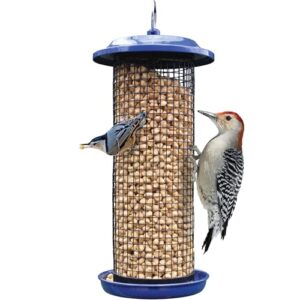
The Nature’s Way Cobalt Metal Mesh Feeder takes things a step further by giving birds a full 360° perch surface — no fighting over a single port. Its metal mesh design is ideal for black oil sunflower, shelled peanuts, and mixed blends. It holds 2 quarts, drains rainwater through the tray, and comes apart without tools for cleaning.
Woodpeckers, nuthatches, and chickadees especially love it.
Just mind the placement — squirrels will test it if you give them a running start.
| Best For | Bird enthusiasts who want to attract a variety of clinging birds like woodpeckers, nuthatches, and chickadees without dealing with a high-maintenance feeder. |
|---|---|
| Material | Powder-coated metal mesh |
| Weather Resistance | Yes, corrosion-resistant coating |
| Drainage Design | Drain holes in seed tray |
| Ease of Cleaning | All parts tool-free removable |
| Squirrel Resistance | Mesh cage, placement-dependent |
| Assembly Required | Ready to hang |
| Additional Features |
|
- Full 360° mesh surface lets multiple birds perch at once — no squabbling over ports.
- Twists apart without any tools, so cleaning and refilling takes minutes.
- Drain holes in the seed tray keep things from getting soggy after rain.
- The mesh wire is on the thinner side — determined squirrels have been known to chew through it.
- The seed tray is pretty small, so larger birds like cardinals don’t have much room to land comfortably.
- The bottom piece has been reported to detach after limited use, which can be frustrating.
Safe Seed Storage and Feeder Hygiene Practices
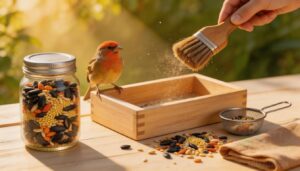
Good seed means nothing if it’s stored poorly or served from a dirty feeder. How you handle seed between the bag and the bird matters just as much as what’s inside it.
Here’s what you need to know to keep things clean, safe, and working in your birds’ favor.
Airtight Storage to Prevent Mold and Rancidity
Seed left in a leaky bin is a slow disaster.
Airtight containers are your first line of defense — proper seal integrity blocks the moisture barriers from breaking down, stopping mold toxins in bird feed before they start.
Aflatoxins thrive in damp, warm conditions, so humidity control and temperature control matter.
Use food-safe bins, build a rotation system, and always start with dry seed.
How Often to Clean Feeders and Why It Matters
Clean feeders every two weeks — that’s your baseline for mold prevention and pathogen build-up control. wet weather or when disease shows up, bump to weekly.
Don’t wait for scheduled deep cleans; spot cleaning between cycles matters too.
Feeder design impact is real — trays and ledges trap debris faster.
Consistent feeder hygiene through seasonal cleaning keeps birds healthier all year.
Reducing Salmonella Risk Through Proper Feeder Sanitation
Salmonella spreads quickly at feeders where fecal matter mixes with spilled seed — and bacterial contamination of feeders is more common than most people realize.
Your bleach disinfection protocol is simple: scrub with soap and hot water, soak in a 1:9 bleach solution for ten minutes, rinse thoroughly, then fully dry before refilling.
Always wear gloves.
Feeders with drainage hole design reduce wet seed buildup, and maintaining a feeder rotation schedule keeps contamination from building unnoticed.
Seasonal Feeding Adjustments for Cold and Wet Weather
Cold weather changes everything about how birds eat. Shift to oil-rich sunflower seeds and suet balls — both deliver the calorie density birds need for thermoregulation.
Smart feeder placement near wind shelters cuts heat loss at feeding stations. A water heater prevents frozen drinking sources.
Rotate seed more frequently for moisture management, and keep sanitation tight — mold and bacterial growth accelerate in wet, cold conditions.
Frequently Asked Questions (FAQs)
Is stale bird seed bad for birds?
Yes — stale bird seed is genuinely harmful. Rancid Oil Toxicity, Moisture-Induced Mold, and aflatoxins strip nutritional value fast. Trust Seed Odor Indicators: if it smells off, toss it.
Why are seed mixes bad for birds?
Seed mixes sound balanced, but most aren’t. Filler seeds, selective eating, and excess fat intake leave real nutritional gaps — fast.
Do birds eat bird seed mixes?
Birds do eat bird seed mixes — but they pick through them. Mix consumption trends show they favor high-value seeds like sunflower first, tossing fillers aside based on species-specific seed preferences.
Are filler seeds bad for birds?
Filler seeds aren’t poisonous — but they’re empty calories.
Milo, wheat, and cracked corn create calorie dilution, nutrient imbalance, moisture sensitivity issues, digestive load, and pest attraction, without delivering meaningful nutritional benefits.
Why put a potato in your bird feeder?
Plain cooked potato offers a quick winter energy boost — soft, starchy, and easy to peck. It suits blackbirds and thrushes perfectly, filling temporary food gaps when frost limits natural foraging.
When should you stop putting out bird seed?
There’s no single universal stop date — it depends on your situation.
Watch for bear activity alerts, disease outbreak alerts, spoiled seed, or a clear shift in natural food abundance; then act quickly.
Do migratory birds require different seed blends?
Not exactly.
Migratory birds don’t need a specific combination — they need a cleaner, fat‑rich seed mix with minimal filler. Prioritizing high‑oil seeds meets their energy requirements during migration naturally.
How does seed feeding impact local ecosystems?
Seed feeding shapes local ecosystems in ways most people don’t expect.
Phosphorus runoff from spilled seed can trigger eutrophication risk in nearby waterways, while feeder waste drives rodent population surges and invasive species attraction.
Which seeds support birds during extreme heat?
During extreme heat, lean toward sunflower hearts, safflower, and white proso millet — thin shell seeds and low fat seeds that won’t turn rancid fast.
Small daily refills beat full hoppers every time.
Can sprouted seeds improve overall bird nutrition?
Like a seed waking up after rain, sprouting unlocks fresh seed potential — delivering Vitamin C Boost, B‑Vitamin Enrichment, and Phytate Reduction for better Mineral Bioavailability, Digestibility Improvement, and protein‑rich seed nutrition that enhances your bird’s immune system.
Conclusion
While it’s easy to overlook the details of bird seed nutrition, the consequences can be severe—think of it as serving junk food to your favorite visitors. By choosing the right seeds and balancing them with a complete diet, you’ll create a thriving haven.
Remember, how bird seeds affect bird health is a nuanced issue. Make informed choices, and your feathered friends will thank you with vibrant songs and lively visits—all season long, every season.