This site is supported by our readers. We may earn a commission, at no cost to you, if you purchase through links.
A bird’s beak applies hundreds of pounds of force per square inch—enough to crack walnut shells, bend soft metal, and flake paint right off a cage bar.
That same beak is also their primary way of exploring their environment, which means anything coating or constructing their cage ends up inside them eventually.
Zinc from galvanized wire triggers tremors and green droppings within hours; lead from old painted cages accumulates silently until it does.
Knowing what materials are safe for bird cages isn’t a minor detail you figure out after setup—it’s the foundation every other housing decision builds on.
Table Of Contents
- Key Takeaways
- Why Cage Material Safety Matters
- Safe Materials for Bird Cages
- Stainless Steel as The Safest All-around Choice
- Type 304 Vs. 316 Stainless Steel
- Powder-coated Steel With Lead-free, Bird-safe Finishes
- Anodized Aluminum for Lightweight, Rust-resistant Cages
- Hard Plastics Like Acrylic, Polycarbonate, and ABS
- Untreated Hardwoods for Perches and Interior Accessories
- Hybrid Cages With Metal Frames and Natural Wood Perches
- Toxic Materials and Finishes to Avoid
- Galvanized Metal and Zinc Poisoning Risks
- Lead in Paints, Solder, Alloys, and Coatings
- Copper and Brass Oxidation Concerns
- Soft Plastics, PVC, and Heat-related Chemical Leaching
- Treated Wood and Chemical Preservatives
- Chipping Paint, Rusting Alloys, and Damaged Finishes
- Non-stick Style Coatings That Can Off-gas
- Strength, Bar Spacing, and Lifespan
- Why Metal Bars Offer The Best Chew Resistance
- When Plastic and Wood Are Poor Full-time Cage Choices
- Bar Spacing Guidelines by Bird Species
- Bar Thickness, Weld Quality, and Door Security
- Lifespan Differences Between Stainless Steel, Coated Steel, Aluminum, and Plastic
- Choosing Materials Based on Climbing, Biting, and Activity Level
- Cleaning, Corrosion, and Replacement Signs
- Frequently Asked Questions (FAQs)
- What is the safest bird cage material?
- Are stainless steel bird cages safe?
- Should you buy a metal bird cage?
- Are plastic bird cages better than metal?
- What bird cage material is safest?
- What material is best for a bird cage?
- How do I tell a parrot I love you?
- Can bird cages be safely used outdoors?
- What certifications should safe bird cages carry?
- How does cage color affect bird behavior?
- Conclusion
Key Takeaways
- Stainless steel is the safest cage material because it resists rust without toxic coatings and holds up even to the strongest beaks for 15–30 years.
- Galvanized wire and lead-based paints are the biggest hidden dangers, since zinc and lead are absorbed quickly and can cause tremors, organ damage, or death within hours.
- Bar spacing and gauge thickness must match your bird’s size — a gap too wide or a bar too thin creates real escape and injury risks, not just minor inconveniences.
- Even a safe cage becomes dangerous over time if you skip regular inspections, since chipped coatings, rust spots, and bent bars are your signal to act or replace.
Why Cage Material Safety Matters
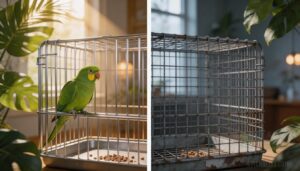
The material your bird’s cage is made from affects more than just looks — it directly shapes their safety, health, and daily comfort. Some materials hide real risks like zinc toxicity, sharp edges, or surfaces that trap bacteria, while others hold up well for years with minimal fuss.
Knowing which materials to avoid — and why — is a good starting point for choosing the right bird cage that keeps your bird safe long-term.
Here’s what you need to know about each key factor before choosing a cage.
How Material Affects Toxicity, Chewing Risk, and Escape Prevention
The material your bird’s cage is made from affects more than just looks — it determines what your bird chews, absorbs, and can push through. Zinc toxicity and lead contamination are real risks when coating integrity fails.
Bar yield strength controls escape prevention, since one bent bar widens fast. Bar spacing standards and chew resistance depend entirely on material toxicity and how hard your bird works.
Why Non-porous Surfaces Support Better Hygiene
Surface type shapes how well your cleaning actually works. Nonporous materials like stainless steel and acrylic allow full surface wetting, so disinfectants spread evenly and contact waste directly.
Porous surfaces trap droppings inside the material, reducing disinfectant efficiency and locking in odor.
Better moisture evaporation and lower microbe retention make cleaning and sanitation of cage materials far more effective — and your bird’s environment genuinely safer.
Matching Cage Material to Bird Size and Beak Strength
Your bird’s beak tells you more about cage needs than almost anything else. Beak Force Classification ranges widely — finches barely dent soft wire, while macaws can shear it.
Match species-specific material and size-based bar gauge accordingly:
- Finches/canaries — powder-coated steel, ⅜-inch spacing
- Budgies/cockatiels — bird-safe coated steel, ½-inch spacing
- Conures/Quakers — heavy welded steel, 3–4mm bars
- Greys/Amazons — Type 304 stainless, ¾–1-inch spacing
- Macaws/cockatoos — Type 304/316 stainless, 5–6mm bars
The medium dome top design provides extra headroom for larger species.
How Corrosion, Flaking, and Sharp Edges Create Hazards
Beak strength is only part of the picture. Corrosion, flaking, and sharp edges quietly turn a solid cage into a hazard.
Weld rust hotspots develop first at latches and feeder doors, where moisture driven corrosion eats through protective coating fastest.
Coating chip hazards leave exposed steel, and burr injury risk rises quickly.
Zinc flake ingestion can follow, making corrosion resistance and nontoxic coatings non‑negotiable safety considerations for bird cages.
Safe Materials for Bird Cages
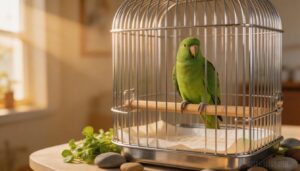
Not every cage material earns a place in a safe bird’s home, but several have a solid track record. Each option on this list meets basic safety standards for toxicity, durability, and ease of cleaning.
Here’s what’s worth your consideration.
Stainless Steel as The Safest All-around Choice
If you’re serious about safety considerations for bird cages, stainless steel cages are the clear frontrunner. A self-renewing chromium oxide film gives the metal its rust resistance without non-toxic finishes or added coatings.
The surface stays corrosion resistant after years of misting and wet feedings, offers temperature stability, and even qualifies as a recyclable metal with eco-friendly sourcing.
Quieter than rattling plastic hardware, its acoustic quietness you’ll actually notice.
Type 304 Vs. 316 Stainless Steel
Both 304 and 316 are solid choices for stainless steel cages, but the difference comes down to molybdenum content.
Type 316 includes 2–3% molybdenum, which boosts chloride resistance substantially — important if you mist your bird’s cage often, or live near the coast.
Type 304 manages dry indoor environments well. Expect a cost difference, since 316 runs pricier due to its nickel and molybdenum levels.
Powder-coated Steel With Lead-free, Bird-safe Finishes
Powder-coated steel sits just below stainless steel in safety — and for most budgets, it’s a practical middle ground. A quality nontoxic powder coat forms a hard, nonporous barrier baked onto the metal, making PowderCoated Iron Cages easier to wipe clean daily.
What to verify before buying:
- Lead-Free Certification backed by a lab test report, not just a marketing claim
- Powder Coat Thickness in the 2–4 mil range for real chip resistance
- Rust Resistance at welds and door frames, where coating wears first
- Damage to the finish turns a surface issue into a lead poisoning risk fast
Anodized Aluminum for Lightweight, Rust-resistant Cages
Anodized aluminum weighs roughly one-third as much as steel, making it ideal for lightweight construction without sacrificing rust prevention. The anodized layer bonds directly to the metal — no peeling, no flaking.
Hard anodizing reaches near-ceramic hardness, which maintains seal integrity under repeated washing.
| Feature | Anodized Aluminum |
|---|---|
| Weight Savings | ~66% lighter than steel |
| Nontoxic Finishes | No zinc or lead coatings |
| Eco-friendly Production | Recyclable, low-waste process |
| Thermal Conductivity | Stays cooler than heavy steel |
Match bar thickness to your bird’s size — thin bars bend under strong beaks.
Hard Plastics Like Acrylic, Polycarbonate, and ABS
Hard plastics like acrylic, polycarbonate, and ABS aren’t cage walls — they’re support players. Each brings something useful:
- Acrylic offers 92% light transmission and stays rigid, but cracks under impact
- Polycarbonate wins on impact resistance, though it scratches and clouds easily
- ABS molds well into feeders and trays, but has strict temperature limits near heat sources
All three have nontoxic finishes and nonporous surfaces — easy to wipe clean.
Untreated Hardwoods for Perches and Interior Accessories
Natural hardwood is one of the most bird-friendly materials you can add inside a cage. Species like manzanita, maple, ash, and birch bring real Wood Density and Janka Hardness that hold up to daily chewing — hard maple scores around 1450 lbf, white ash around 1320 lbf. toughness matters when your bird treats every perch like a chew toy.
| Wood Species | Janka Hardness (lbf) | Best Use |
|---|---|---|
| Hard Maple | 1450 | Main perches, ladder rails |
| White Ash | 1320 | Swing crossbars, climbing branches |
| Yellow Birch | 1260 | Chew blocks, platform bases |
| Manzanita | Very High | Heavy-chewer perches, accessories |
Surface Preparation is non‑negotiable. Fresh branches need scrubbing, full drying, and bark checks before installation — damp wood invites Mold Prevention failures fast. Perch Diameter should match your bird’s foot size so toes wrap without fully meeting underneath. Always choose sustainable wood that’s pesticide‑free, with Nontoxic finishes for wooden cages — meaning no stain, varnish, or sealant whatsoever. Untreated hardwood isn’t glamorous, but it’s genuinely safe.
Hybrid Cages With Metal Frames and Natural Wood Perches
If untreated hardwood works well for perches, combining it with a metal frame gives you the best of both worlds.
Hybrid Design Benefits are real: metal carries the Weight Distribution and structural load, while wood supports footing.
Use stainless Perch Mount Hardware, keep Nontoxic finishes for wooden cages, and you’ve got durable, Eco Friendly Materials with solid Aesthetic Integration — Metal cages are the safest option, upgraded.
Toxic Materials and Finishes to Avoid
Not every cage material that looks sturdy is actually safe for your bird. Some common metals, coatings, and plastics can cause serious harm — even in small amounts over time.
Here’s what you need to watch out for before buying or keeping any enclosure.
Galvanized Metal and Zinc Poisoning Risks
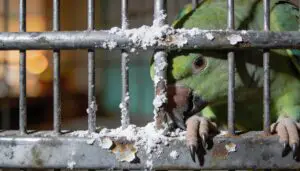
Galvanized metal might look sturdy, but it’s one of the most common sources of zinc toxicity in pet birds. Zinc Oxidation creates that chalky white residue you’ll notice on older cages, and it’s a real hazard. New Cage Syndrome affects birds in freshly galvanized enclosures through Zinc Particle Ingestion during normal chewing. Acidic Digestion in the crop accelerates zinc absorption fast.
Watch for:
- Lethargy and fluffed posture
- Loose, green droppings
- Tremors or poor coordination
- Sudden weight loss
Severe zinc exposure symptoms require immediate veterinary care, including Chelation Therapy. Safe metals for parrots simply don’t include galvanized options.
Lead in Paints, Solder, Alloys, and Coatings
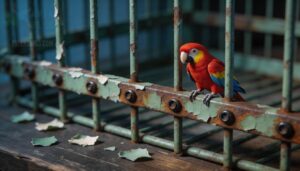
Lead is just as dangerous as zinc, and its Lead Exposure Pathways are more varied. Old paint chips, lead based solder on cage welds, and unlabeled metal alloys all carry serious lead exposure risk. U.S. consumer paints have been banned above 0.009% lead since 1978, but older cages may predate that rule.
| Lead Source | Risk Level |
|---|---|
| Pre-1978 paint | High |
| Lead based solder | Moderate–High |
| Unlabeled alloys | Variable |
Always choose nontoxic paint and verify metal toxicity ratings. XRF Analyzer use and testing kit accuracy help confirm safety. A Certified Renovator Role applies during cage refurbishment. Check Lead Hazard Levels before repainting any enclosure.
Copper and Brass Oxidation Concerns
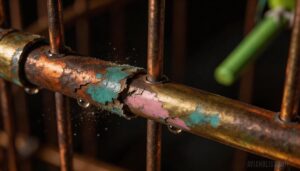
Copper and brass might look attractive, but oxidation makes them risky. Watch for Tarnish Color Indicators — copper shifts from orange-red to brown or green, while Dezincification Effects turn brass pinkish as zinc leaches out. These changes signal active corrosion.
Metal Dust Ingestion from chewing exposes your bird to uncontrolled copper doses, and Galvanic Corrosion Risks increase near damp joints.
Oxidation Rate Factors, like humidity and droppings, accelerate the damage considerably.
Soft Plastics, PVC, and Heat-related Chemical Leaching
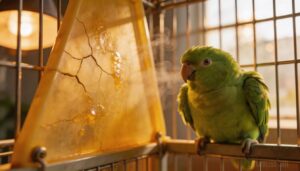
Soft PVC might seem harmless, but it’s one of the riskier cage materials you can choose. Plasticizer Migration happens constantly, and heat-induced VOCs make it worse near lamps or windows.
- UV Degradation leads to Soft PVC Cracking, exposing sharp edges
- Additive Leaching increases when plastic cages absorb heat conductivity spikes
- No temperature range keeps PVC truly nontoxic for chewing birds
Treated Wood and Chemical Preservatives

treated wood might look natural, but most lumber sold for outdoor or structural use contains preservatives that are genuinely dangerous for birds. CCA Dust Hazards alone make cutting or sanding older greenish boards risky.
Copper Azole Risks, Borate Solubility Issues, Creosote Odor Concerns, and Oilborne Pesticide Exposure all point the same direction — keep treated wood out of your bird’s cage entirely.
untreated hardwood is the only safe choice.
Chipping Paint, Rusting Alloys, and Damaged Finishes

Once a cage finish starts failing, the hazards multiply fast. Coating failure detection matters because paint loss usually begins at wear spots like door frames, latch areas, and bar tops — exactly where your bird climbs and chews most.
Those chips expose bare metal, creating moisture trapping risks and edge burr hazards that injure feet and beaks. Surface integrity checks and rust resistance together are your best defense.
Non-stick Style Coatings That Can Off-gas
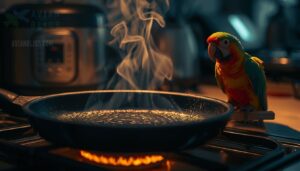
Non-stick coatings are one of the most underestimated dangers near birds. PTFE thermal degradation starts above 500°F, and fluoropolymer fume toxicity can kill a small bird within minutes — with no visible smoke to warn you.
Non-stick fumes from overheated cookware can kill a bird in minutes — with no visible warning
- Hidden kitchen sources include waffle makers, rice cookers, and sandwich presses.
- Bird respiratory sensitivity means air sac damage spreads fast.
- Labeling terminology confusion hides risk behind terms like "easy release" or "PFOA-free".
- Always choose nontoxic coatings and finishes for avian enclosures — never assume a product is safe.
Strength, Bar Spacing, and Lifespan
Once you’ve ruled out toxic materials, the next question is whether a cage can actually hold up to your bird’s daily routine. Bar spacing, structural strength, and material lifespan all play a direct role in keeping your bird safe and contained.
Here’s what you need to know before choosing.
Why Metal Bars Offer The Best Chew Resistance
Metal bars are simply the toughest option when chew resistance matters.
Surface hardness, bar diameter, and round shape all work together — a parrot’s beak finds little to grip on smooth, solid metal.
Gauge thickness and weld quality keep the structure intact over years of climbing and biting.
Stainless steel benefits include rust resistance that preserves bar strength long-term, making metal bars the safest option for durability and escape prevention.
When Plastic and Wood Are Poor Full-time Cage Choices
Plastic and wood might look fine at first, but both struggle as full-time cage materials. Moisture Retention causes wood to swell and warp, warping doors and weakening joints. Surface Cracking in plastic creates Splinter Risks and sharp fragment hazards. Latch Flexibility and Panel Warping accelerate escape risks over time.
Watch for these warning signs:
- Chewed plastic edges or broken panels
- Warped wooden doors that won’t close flush
- Visible cracks near feeder openings or corners
Bar Spacing Guidelines by Bird Species
Bar spacing isn’t one-size-fits-all.
Finch bar spacing sits around 1/4 inch, while budgie bar gaps run 3/8 to 1/2 inch. Lovebird spacing range mirrors that at 3/8 to 1/2 inch.
Cockatiel bar width usually reaches 1/2 to 5/8 inch. Following safe bar spacing guidelines by species keeps heads from getting trapped—macaw bar clearance extends to 1 to 1½ inches.
Bar Thickness, Weld Quality, and Door Security
Spacing tells only half only half the story.
Bar gauge standards matter just as much — thicker bars resist bending when large parrots brace and pull. Weld joint integrity keeps bars from loosening over time, and smooth welds prevent foot snags.
latch mechanism types carefully; smart parrots defeat simple lift latches fast.
Secure door alignment and bar flex testing confirm your cage construction holds up under daily pressure.
Lifespan Differences Between Stainless Steel, Coated Steel, Aluminum, and Plastic
Think of cage material like a long-term investment — and the numbers tell a clear story.
- Stainless Steel: 15–30 years of service life span indoors; stainless steel cost runs highest upfront but lowest per year.
- Powder Coating: coating durability lasts 5–10 years before chips expose rust‑prone steel underneath.
- Aluminum: lightweight alloys last 8–15 years, though aluminum pitting rate increases near droppings or disinfectants.
- Hard Plastic: plastic brittleness timeline runs 3–8 years, faster near heat or sunlight.
- Rust Resistance: stainless steel benefits include staying corrosion‑resistant through the metal itself, not just a surface finish.
Choosing Materials Based on Climbing, Biting, and Activity Level
Your bird’s activity level should drive material choice as much as lifespan does.
Macaws and cockatoos need stainless steel’s chew resistance and escape prevention, while budgies do fine with intact powder-coated bars.
Consider bar shape and grip texture for climbers, weight distribution for cage stability, and noise dampening for active species.
Metal cages remain the safest option across most temperaments.
Cleaning, Corrosion, and Replacement Signs
Even the safest cage material won’t stay safe if you ignore what’s happening to it over time. Rust, chips, and grime build up slowly, and by the time you notice, the damage is already done.
Here’s what to watch for and how to stay ahead of it.
Best Cleaning Methods for Safe Cage Materials
Each cage material has its own cleaning rhythm — and getting it right keeps your bird safe.
- Stainless Steel Sanitizing: Warm water with mild dish soap manages routine cleaning; a nylon brush lifts dried droppings without scratching.
- Powder Coated Care: Soak stubborn spots with a damp cloth for 5–10 minutes; skip abrasive pads.
- Anodized Aluminum Rinse: Use lukewarm water and mild detergent; dry with a lint-free cloth to prevent white spotting.
For Plastic Panel Wiping, microfiber cloths and a diluted, non-toxic cleaner like a vinegar-water solution work best — ammonia hazes acrylic. Wood Perch Drying matters most: scrub with a stiff brush, rinse thoroughly, and allow a full day to dry before returning perches to the cage.
How Humidity, Droppings, and Harsh Cleaners Speed Corrosion
Humidity above 60 percent keeps a moisture film on bars long enough for corrosion cells to form — and droppings make it worse.
Uric acid lowers the surface pH, attacking zinc coatings and bare steel.
Bleach leaves chloride ions behind, which cause chloride cleaner pitting, especially at welds and latches where crevice corrosion zones dry slowly. Warm cages speed every chemical reaction considerably.
Daily, Weekly, and Monthly Maintenance Checks
A consistent routine is your strongest defense against material breakdown. Three checks keep your bird’s cage safe:
- Daily — Swap liners, refresh water (biofilm starts within 24 hours), and run a quick Toy Damage Check and Dish Hygiene wipe-down.
- Weekly — Complete a Deep Cleaning Routine: scrub bars, trays, and perches; perform Perch Inspection for cracks.
- Monthly — Rotate toys, confirm liner replacement trays sit flat, and audit every dish for scratches.
Inspecting Welds, Corners, Feeder Doors, and Latches
Look closely at four spots every week: weld seam integrity, corner joint tightness, feeder door alignment, and latch engagement fit. A loose corner or misaligned feeder door creates gaps that trap toes or allow escapes. Check hinge pin play — any wobble shifts door alignment over time.
These weld and joint quality checks catch small problems before they become injuries.
When Rust, Chips, or Bent Bars Mean Replacement
Some cages tell you clearly when they’ve reached their limit. Watch for these replacement signals:
- Rust Spot Detection: Orange powder rubbing off on a cloth means active corrosion, not surface staining.
- Coating Failure Signs: Chipped or bubbling finish near beak-level bars means your bird may be swallowing flakes.
- Bar Deformation Indicators: Bars that your bird can visibly flex during climbing signal structural weakness alerts.
- Metal Fatigue Signs: Recurring rust after cleaning confirms the metal itself is compromised beyond recovery.
How Proper Care Extends Cage Safety and Longevity
Think of regular upkeep as your cage’s best defense.
Moisture Management starts with drying surfaces fully after every wash and keeping water bowls away from seams.
A Gentle Cleaner Choice — mild soap, warm water — protects finishes longer than harsh chemicals ever could.
Daily Liner Replacement Frequency, weekly hardware checks, and an Accessory Rotation Schedule spread wear evenly, supporting rust prevention and long-term durability.
Frequently Asked Questions (FAQs)
What is the safest bird cage material?
Stainless steel is the safest bird cage material. It’s non-toxic, rust-free without coatings, and built to last — a clear winner in any cost-benefit analysis for your bird’s long-term safety.
Are stainless steel bird cages safe?
Safely, smartly, and sustainably built — stainless steel bird cages are among the safest options available.
Chromium oxide protection prevents rust, non‑toxic coatings eliminate chemical risk, and rust resistance ensures lasting durability for your bird.
Should you buy a metal bird cage?
Yes, metal cages are the safest option for most birds.
They resist chewing, last for years, and clean easily — just make sure the finish is intact and the metal is zinc-free.
Are plastic bird cages better than metal?
Metal cages win on safety, durability, and long-term value. Plastic cages offer lighter weight and portability, but they crack, flex, and can’t match metal’s chew resistance or lifespan.
What bird cage material is safest?
You’ll find that metal cages are the safest option, especially those made from certified stainless steel.
They resist rust, avoid toxic coatings, and meet strict material testing protocols, making them top-rated in bird health studies and long-term cost‑benefit analysis.
What material is best for a bird cage?
For bird cages, stainless steel wins hands down. It’s nontoxic, rust-resistant, and built to last, making it the smartest choice for cost efficiency, safety, and long-term peace of mind.
How do I tell a parrot I love you?
Calm Voice Repetition daily — say "I love you" softly before meals or out-of-cage time.
Affectionate Body Language, Gentle Physical Touch, and Positive Reward Training with a Consistent Daily Routine strengthen your bond naturally.
Can bird cages be safely used outdoors?
Yes, but only with the right setup. Stainless steel manages outdoor conditions best.
You’ll need shade placement, weatherproof anchoring, and predator guarding to keep your bird safe during any outdoor time.
What certifications should safe bird cages carry?
Does your bird’s cage carry proof of safety, or just a price tag?
Look for RoHS Declaration, REACH Compliance, Heavy Metal Testing, Food Contact Certification, and a Material Grade Certificate before buying.
How does cage color affect bird behavior?
Cage color affects bird behavior more than most owners expect.
Your color choices influence color preference, social color copying cues, and light contrast effects, quietly shaping your bird’s daily temperament and visibility for birds sharing the space.
Conclusion
As you prepare to welcome a feathered friend into your home, the materials you choose for their cage can be a matter of life and death. What materials are safe for bird cages will be your top priority.
Stainless steel, anodized aluminum, and lead-free finishes are top picks.
Avoid galvanized wire, lead-based paints, and soft plastics.
Your bird’s health and happiness depend on it.
Make informed choices to create a safe haven for years to come, every day.
- https://www.avma.org/resources/pet-owners/petcare/birds
- https://lafeber.com/pet-birds/safe-bird-cage-materials/
- https://www.ecfr.gov/current/title-16/chapter-II/subchapter-B/part-1303
- http://www.osha.gov/laws-regs/regulations/standardnumber/1926/1926.62
- https://www.federalregister.gov/public-inspection/2026-06404/lead-based-paint-poisoning-prevention-in-certain-residential-structures-cfr-correction