This site is supported by our readers. We may earn a commission, at no cost to you, if you purchase through links.
A budgerigar on a seed-only diet lives, on average, five to ten years. The same species, given proper nutrition, can reach twenty-five years. That gap isn’t genetics—it’s what’s missing from the bowl.
Tropical birds evolved alongside dense rainforest food webs, cycling through fruits, insects, clay licks, and seasonal forage. A dish of millet doesn’t come close to replacing that.
Compounding the problem, most indoor birds never receive adequate UVB exposure, which quietly shuts down vitamin D₃ synthesis and pulls calcium metabolism out of balance.
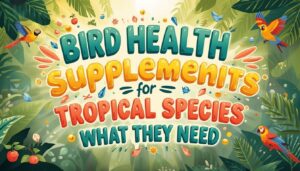
Understanding bird health supplements for tropical species starts with recognizing how much their needs differ from what standard seed diets actually deliver.
Table Of Contents
Key Takeaways
- seed-only diet can cut a budgerigar’s lifespan by up to 20 years compared to a nutritionally complete one — the gap is entirely preventable.
- Indoor birds almost never get enough UVB light through windows, quietly breaking down vitamin D3 synthesis and throwing off calcium balance.
- fat-soluble vitamins A, D3, and E build up in the body over time, so stacking multiple supplements without tracking cumulative doses risks toxicity, not just redundancy.
- Molting and breeding spike your bird’s nutritional demands as much as illness does, and standard seed mixes can’t keep pace without targeted supplementation.
Nutritional Gaps in Tropical Birds
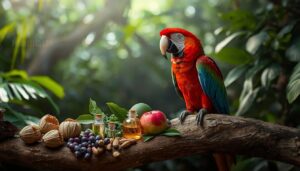
Tropical birds are nutritionally demanding, and most captive diets don’t come close to meeting those demands. Seed mixes look complete on the surface, but they leave significant gaps in vitamins, minerals, and other micronutrients your bird actually needs.
Vitamins A, D3, E, and the full B-complex are among the most commonly missing nutrients, and understanding exactly what’s at stake is key to choosing the right avian vitamins for tropical species.
Here’s what’s working against you — and your bird — from the start.
Why Seed-heavy Diets Miss Key Micronutrients
Seed-based diets look complete on paper — but selective feeding means your bird is probably eating around the nutritious parts.
A few real problems compound fast:
- Nutrient degradation from heat and light strip fat-soluble vitamins before the bag is even opened
- Mineral binding compounds block calcium uptake despite its presence
- Mix variability means no two bags deliver the same profile
These nutritional gaps in seed-based diets add up quietly. Research shows a seed-only diet lifespan of only five to ten years.
How Tropical Species Differ From Temperate Birds
Tropical birds aren’t just temperate birds with brighter feathers. They evolved around steadier resources, so their resting metabolism runs slower, breeding seasonality stretches longer, and clutch sizes stay small.
That shapes their nutrient demands differently. Thermoregulation flexibility is less pronounced, survival tradeoffs favor longevity over output, and nest attendance patterns differ too — all of which means their supplementation needs don’t mirror what works for temperate species.
Indoor Housing and Reduced UVB Exposure
Indoor housing cuts UVB exposure more than most owners expect. Window UVB blocking is nearly total — standard glass filters out the 280–315 nm range your bird needs for vitamin D3 synthesis, leaving calcium‑phosphorus ratio support compromised. Cage bar attenuation, seasonal UVB variability, and poor light source placement compound the problem.
Stay ahead of it:
- Position UVB lamps within 12–18 inches of favorite perches
- Replace bulbs every 6–12 months — UVB lamp maintenance matters even when visible light looks fine
- Avoid relying on window light alone, especially in winter
Increased Needs During Molting, Breeding, and Stress
Molting, breeding, and stress don’t just demand more from your bird — they demand more of everything. Keratin synthesis during molt burns through sulfur-containing amino acids quickly, and seed diets rarely keep pace. Breeding hormones spike egg production nutrition needs, while stress catabolism quietly depletes reserves before symptoms appear.
| Life Stage | Key Nutritional Demand |
|---|---|
| Active Molt | Protein and Fatty Acid Support |
| Breeding Season | Calcium and Vitamin E |
| Illness Recovery | Electrolytes and B-complex |
| High-stress Periods | Antioxidants and Vitamin C |
| Post-antibiotic | Probiotics and Amino Acids |
Molting energy expenditure rivals breeding in metabolic cost. Species-specific formulas like Wild Harvest Molting Supplement address this directly — rather than guessing at gaps that generic blends miss.
Vitamins Tropical Birds Need

Tropical birds have specific vitamin needs that most seed diets simply don’t cover. Getting these right makes a real difference — in feather quality, energy, reproduction, and long-term health.
Here are the key vitamins your bird actually needs and what each one does.
Knowing which vitamins matter most is the first step—this guide to giving birds vitamins also covers the safest ways to actually deliver them.
Vitamin a for Eyes, Skin, and Feather Color
Vitamin A does more heavy lifting than most bird owners realize. When it’s low, rhodopsin synthesis drops — and so does your bird’s night vision support.
Corneal health suffers next, leading to swollen eyes or early infection.
Here’s what inadequate vitamin A affects:
- Rhodopsin levels and low-light vision
- Corneal moisture and surface integrity
- Feather pigmentation and overall luster
- Skin regeneration at epithelial surfaces
- Beta carotene conversion into active retinol
Watch for dull feathers and cloudy eyes — those are classic signs and symptoms of vitamin deficiencies in tropical species.
Vitamin D3 for Calcium Absorption and Bone Support
D3 isn’t just a supplement — it’s the key that unlocks calcium. Through active D3 metabolism, your bird converts it into 1,25-dihydroxyvitamin D3, which drives intestinal absorption and works alongside parathyroid hormone interaction to maintain mineral balance.
D3 is the key that unlocks calcium, converting sunlight into the mineral balance your bird depends on
Without adequate UVB exposure indoors, this process stalls. The calcium-phosphorus ratio suffers, weakening bones and eggshells.
Meal timing synergy matters too — pair calcium and vitamin D3 with fatty foods for renal calcium reabsorption support.
Vitamin E for Reproductive and Antioxidant Support
Think of vitamin E as your bird’s cellular bodyguard — quietly neutralizing free radicals before they damage membranes or reproductive tissue.
For tropical species, oxidative stress mitigation isn’t optional. It directly affects sperm motility, egg quality, and hormone balance during breeding season.
Key roles in avian nutrition:
- Protects cell membranes from lipid peroxidation
- Aids reproductive health vitamins by reducing oxidative injury
- Maintains antioxidant support in fat-rich reproductive tissues
- Preserves sperm DNA integrity and motility
- Promotes egg quality through ovarian oxidative defense
B-complex Vitamins for Energy and Nerve Function
B-complex vitamins are your bird’s metabolic engine crew — eight water-soluble mitochondrial cofactors driving energy metabolism at the cellular level. Thiamine fuels carbohydrate pathways; riboflavin and niacin handle critical coenzyme interactions in electron transfer.
Pyridoxine aids neurotransmitter synthesis, converting amino acids into dopamine and serotonin precursors.
consistent B-complex intake, nutrient deficiencies show up fast — tremors, ataxia, and poor feather condition follow.
Vitamin C for Immune and Stress Support
Most birds synthesize some vitamin C on their own — but during illness or stress, that output drops fast. For tropical species, supplemental vitamin C delivers antioxidant protection, enhances collagen synthesis for tissue repair, and aids adrenal hormone support by fueling cortisol pathways.
Because absorption saturation limits single large doses, spread dosing frequency across the day for steadier immune system support and effective stress reduction.
Minerals for Bones and Eggs
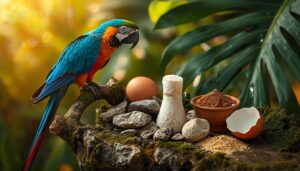
Vitamins get a lot of attention, but minerals are quietly doing some of the heaviest lifting in your bird’s body. For tropical species especially, getting the balance right can mean the difference between strong bones, quality eggs, and a bird that just looks and feels off.
Here’s what you need to know about the key minerals and what happens when they’re missing.
Calcium and Phosphorus Balance in Avian Diets
Calcium and phosphorus don’t work in isolation — ratio matters more than raw amounts. Ratio guidelines for companion birds target roughly 2:1 calcium to phosphorus when vitamin D3 is adequate.
Skew that balance toward excess phosphorus and you’ll see reduced phosphorus bioavailability, compromised bone density, and poor egg shell integrity. Phytate management through phytase use improves phosphorus bioavailability from plant-based calcium sources, reducing metabolic bone disease risk from nutrient deficiencies.
Magnesium for Muscle and Metabolic Health
Magnesium often gets overshadowed by calcium, but it’s quietly running the show behind the scenes.
As an ATP binding cofactor, it drives glycolysis enhancement and powers neuromuscular signaling in your bird’s muscles and nerves.
It also enhances glucose uptake support and insulin sensitivity boost at the cellular level.
For exotic birds, UnRuffledRx Bird Calcium Magnesium D3 covers these metabolic essentials well.
Trace Minerals Like Zinc, Selenium, and Copper
Zinc, selenium, and copper may be trace minerals, but their roles are anything but minor.
Zinc performs enzyme cofactor roles in DNA repair and immune modulation.
Selenium drives antioxidant pathways through selenoproteins that shield cells from oxidative stress—and influences thyroid interaction directly.
Copper facilitates red blood cell production and collagen stability.
Watch the copper–zinc antagonism, though: excess zinc quietly depletes copper.
Mineral supplementation for avian health works best when these three stay balanced.
Supporting Eggshell Strength and Skeletal Health
Strong eggshells and healthy bones share the same foundation: calcium and vitamin D3 for bone and eggshell health, working together through a tight calcium–phosphorus ratio. When that balance slips, shell matrix proteins deposit unevenly — and bone density quietly suffers.
- Seasonal calcium demand spikes during laying; match supply to timing
- UVB lighting protocols support natural D3 synthesis in indoor birds
- Skeletal stress markers like fractures or soft keels signal metabolic bone disease early
- Eggshell thickness monitoring catches deficiencies before they compound
Signs of Mineral Imbalance in Tropical Species
When mineral balance breaks down, your bird tells you — you just need to know what to read.
Fragile bones, thin shells, or a soft keel point straight to metabolic bone disease and a disrupted calcium–phosphorus ratio.
| Sign | Likely Imbalance |
|---|---|
| Feather discoloration | Vitamin A or zinc deficit |
| Swollen eyes | Vitamin deficiency signs, especially A |
| Pica behavior | Phosphorus or sodium shortfall |
| Weight loss + muscle tremors | B-complex or calcium gap |
| Reduced bone density | D3, calcium, or phosphorus imbalance |
Watch for hypervitaminosis too — over-supplementing fat-soluble vitamins creates its own damage.
Probiotics and Recovery Support
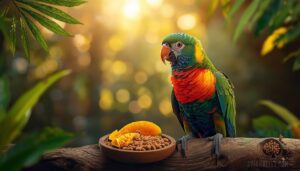
Vitamins and minerals get most of the attention, but your bird’s gut health is just as critical to how well those nutrients actually land. disrupted digestive system can’t absorb what you’re feeding — no matter how well-formulated the supplement.
Here’s what recovery support really looks like for tropical species.
Avian Probiotics for Gut Flora Balance
Your bird’s gut is a living ecosystem — and avian probiotics help keep it balanced. Strain Selection matters: not all bacteria suit every species. Look for synbiotic formulations pairing live cultures with prebiotics for true Gut Barrier Modulation.
Key probiotic principles:
- Match strains to your bird’s species and gut context
- Prioritize Viability Preservation through cool, dry storage
- Choose your Administration Method — water or food dosing
- Time supplementation around stress or antibiotic recovery
Electrolytes for Illness, Heat, and Stress Recovery
When your bird is sick, overheated, or stressed, electrolyte balance drops fast. Sodium loss reduces water retention, potassium muscle function falters, and chloride fluid regulation suffers — all at once.
Electrolyte supplementation for birds replaces what sweating and illness strip away. Time your electrolyte solution during active recovery after illness in birds, not after.
Stress also impairs vitamin uptake, so heat recovery hydration matters more than most owners realize.
Amino Acids for Birds on Low-protein Diets
Seed diets look filling, but they’re quietly missing the mark. Lysine and methionine — the classic Limiting Amino Acids — become deficient quickly on grain-heavy rations, triggering weight loss even when crude protein numbers seem acceptable.
Crystalline Supplementation corrects this imbalance directly, supporting Protein Sparing Nitrogen efficiency.
During Molt Phase Requirements and Breeding Amino Balance peaks, these gaps widen — so targeted amino acid support isn’t optional, it’s essential.
When Digestive Support Matters After Antibiotics
Antibiotics do their job — but they don’t discriminate. After a treatment course ends, gut microbiome restoration becomes the priority.
The microbiome in birds takes real hits from broad-spectrum drugs, opening the door to opportunistic overgrowth.
Probiotic and electrolyte supplementation for birds helps rebalance, while fiber rebalancing through diet helps new strains take hold.
Watch for symptom monitoring cues like loose droppings or bloating — antibiotic timing matters.
Timing Supplements for Better Absorption
Timing isn’t an afterthought — it’s half the equation. Fat-soluble vitamins A, D3, and E need dietary fat to become bioavailable, so meal-aligned dosing is essential. Water-soluble B vitamins turn over fast, making the morning feeding window ideal for consistent levels.
- Split mineral doses across meals to reduce gut competition
- Pair probiotic timing with food for better gut colonization
- Time UVB timing-dependent D3 support around active feeding periods
- Post stress supplementation works best when normal eating resumes
Safe Selection and Dosing
Getting supplements right isn’t just about picking something off the shelf — it’s about matching the right product to your bird’s actual needs. Dosing accurately and avoiding overlap takes a little know-how, but it’s straightforward once you understand the basics.
Here’s what to keep in mind as you work through your options.
Choosing Species-specific Formulas for Parrots and Finches
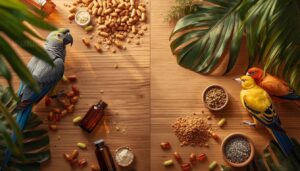
Not all supplements are built the same — and parrots and finches genuinely don’t share the same needs. Species-specific formulas account for that directly.
| Factor | Parrots | Finches |
|---|---|---|
| Diet base | Seed/pellet mix | Seed-heavy |
| Key nutrient gap | Vitamin A, D3 | Calcium, trace minerals |
| Formula focus | Immune, feathering | Metabolic, small-intake adequacy |
Cost analysis and regulatory labeling help you compare options quickly.
Liquid, Powder, and Tablet Supplement Formats
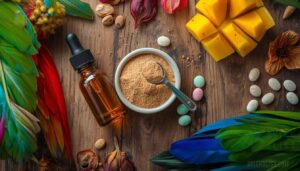
Once you’ve matched the formula to your bird’s species, format becomes your next call.
Liquids like Wild Harvest Bird Vitamin Drops offer fast absorption speed and easy dropper delivery — ideal for sick birds.
Powders, including Lafeber AviEra Bird Vitamin Powder and Missing Link Avian Color Shine Powder, support mixing uniformity but require full consumption.
Tablets travel well — better portability — though microbial risk management and palatability enhancers matter more in liquid bird health supplements.
Measuring Doses With Droppers, Scoops, and Scales
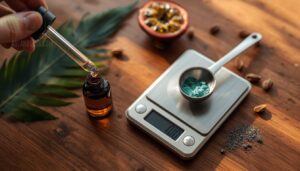
Format matters, but measurement seals the deal.
Dropper calibration keeps liquid doses honest — hold it vertical, read at the meniscus. Scoop leveling prevents powder heap variability that throws off milligram totals. Scale taring zeroes out your container before weighing. Consistent tool use eliminates batch-to-batch drift.
Run measurement error checks when switching supplements, and always match dose to your bird’s actual weight.
Avoiding Vitamin Toxicity and Supplement Overlap
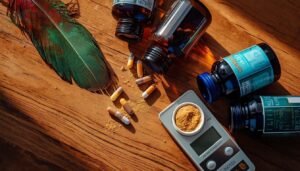
Accurate measurement only protects your bird if what you’re measuring doesn’t overlap with another product. Run a product label comparison side by side, because supplement stacking strategies without overlap risk assessment can quietly tip into hypervitaminosis.
Fat‑soluble accumulation is the real trap — vitamins A, D3, and E don’t flush out daily. Cumulative dose tracking across every formula you use matters more than any single label.
Veterinary Monitoring, Bloodwork, and Storage Tips
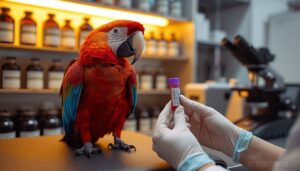
Once you’ve eliminated overlap, bloodwork for nutrient monitoring becomes your real safety net. Veterinary exams with proper tube additive matching and anticoagulant impact awareness — EDTA for cell counts, serum for chemistry panels — follow a label traceability protocol and refrigerated sample storage with pre-analytical timing under 24 hours.
Monitoring bird health through regular veterinary exams catches subclinical deficiencies before symptoms appear. Store supplements in airtight, light-proof containers below 60% humidity.
Frequently Asked Questions (FAQs)
What supplements are good for birds?
Good timing you’re asking — most tropical birds share the same blind spots: vitamin D3, A, and E top the list, plus probiotic support to close nutritional gaps in seed-based diets.
What two supplements should not be taken together?
Don’t pair calcium with iron — they compete for absorption. Same goes for zinc and copper, magnesium and zinc, or vitamin C with B
Spacing doses by two hours reduces interference considerably.
Can supplements replace a varied fresh food diet?
Supplements can fill nutritional gaps, but they can’t replicate phytochemical diversity, fiber content, or the nutrient bioavailability found in whole foods.
Think of them as a safety net — not a replacement.
How do supplements interact with prescription bird medications?
Mineral binding and drug absorption go hand in hand — calcium can block oral medications mid-gut.
Time supplements away from Bird Antibiotics, and never layer probiotics during active antibiotic treatment without guidance.
At what age should juvenile tropical birds start supplements?
Most juvenile tropical birds don’t need extra supplements until after weaning. Follow veterinary guidance and hand-feeding protocols first — gradual introduction matters more than timing.
Conclusion
The devil is in the details regarding keeping tropical birds thriving long-term. A scattered approach—random supplements, inconsistent dosing, no bloodwork—won’t close the nutritional gap that seed diets leave open.
But a structured plan built around proven bird health supplements for tropical species gives your bird a real fighting chance at that twenty-five-year ceiling. Start with a vet-guided baseline, adjust for life stage, and let the results speak for themselves.
- http://biorxiv.org/lookup/doi/10.1101/2020.06.30.180950
- https://link.springer.com/10.1007/s10531-025-03208-5
- https://www.tandfonline.com/doi/full/10.1080/01650521.2025.2479394
- https://pawbamacare.com/best-vitamins-for-birds/
- https://ecampusontario.pressbooks.pub/humannutrition/chapter/fat-soluble-vitamins/