This site is supported by our readers. We may earn a commission, at no cost to you, if you purchase through links.
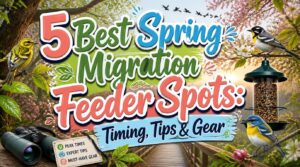
Picture 38 warbler species dropping into one boardwalk in a single morning. That’s Magee Marsh in early May, and it’s not a fluke. After crossing 600 miles of open water, exhausted migrants pile into the first patch of trees they find, turning ordinary woodlots into rare front-row seats.
That’s the secret behind the best spring migration feeder spots: location decides everything. A tiny hedge in Chicago or a salt dome in Texas can outperform untouched wilderness miles away.
Get the timing and terrain right, and you’ll stand where thousands of tired, hungry birds have no choice but to land close enough to touch.
Table Of Contents
- Key Takeaways
- 5 Best Spring Migration Feeder Spots
- Peak Spring Migration Timing by Region
- Choose Productive Feeder Spots for Migrants
- Track Birds and Plan Visits
- Top 8 Spring Migration Feeder Essentials
- 1. Nikon Prostaff P7 8×42 Binocular
- 2. Vortex Diamondback HD Binoculars
- 3. Nikon Monarch M5 8×42 ED Binoculars
- 4. The Sibley Guide to Birds, 2nd Edition
- 5. Birds Choice Flower-Shaped Oriole Feeder
- 6. More Birds Ruby Hummingbird Feeder Glass
- 7. Stokes Select Double Suet Bird Feeder
- 8. Woodlink cedar platform bird feeder
- Frequently Asked Questions (FAQs)
- Where should you not put a hummingbird feeder?
- Are hummingbirds migrating early this year, 2026?
- Do male hummingbirds leave before females?
- What does it mean if a hummingbird hovers in front of you?
- What food should I put out for migrating warblers?
- Do hummingbird feeders help during spring migration season?
- How often should I clean feeders during migration?
- What layers should I wear for dawn birding trips?
- How do I prevent squirrels from raiding feeders?
- Conclusion
Key Takeaways
- Location beats everything during spring migration—tiny urban patches like Chicago’s Magic Hedge or Texas salt domes can outperform pristine wilderness because they’re the first landing spot exhausted birds find after long flights.
- Timing follows a clear regional pattern, with Gulf Coast fallouts peaking April–May, Great Lakes woodlots erupting in early May, and Atlantic Coast shorebirds flooding in by mid-May.
- The best feeder setups combine native trees, water features, and dense plantings while keeping feeders within 3 feet or past 10 feet of windows to prevent deadly strikes.
- Watching for south winds shifting southwest before a cold front, along with BirdCast radar maps, tells you exactly when tired, hungry birds are about to drop in for a fallout.
5 Best Spring Migration Feeder Spots

Spring migration turns certain spots into absolute magnets for birds, and knowing where to stand makes all the difference. Some places funnel warblers, tanagers, and shorebirds right past your feeder in numbers you won’t believe. Here are five hotspots worth planning your season around.
If you’re hoping to attract some of these same species closer to home, this guide to creating natural bird habitats in your own backyard is worth a look before the season kicks off.
Magee Marsh, Ohio
Warbler Capital of the World, hands down. Magee Marsh delivers 20+ warbler species along its 1.5-mile boardwalk over Lake Erie shoreline. Peak May migration packs the swamp canopy shoulder-to-shoulder with birders.
- Bring 8×42 binoculars, ED glass wins in shadowed canopy
- Check BirdCast before dawn
- Cross-reference calls with Merlin Bird ID
- Grab coffee at the visitor center first
Magee Marsh works as a critical migratory bird stopover site for species using the Mississippi Flyway.
High Island, Texas
From Ohio’s shoreline swamp to a Texas barrier island, Gulf Coast Fallout birding gets real. High Island Texas sits on Bolivar Peninsula, its Salt Dome Elevation growing mature canopy that trans-Gulf migrants crash into after 600 miles over open water.
| Habitat | Draw |
|---|---|
| Tidal Flats Foraging | Sanderlings, sandpipers |
| Coastal scrub | Warblers, thrushes |
| Salt dome canopy | Exhausted neotropical migrants |
Classic coastal migrant trap—can’t-miss April birding.
South Padre Island, Texas
South of High Island, another barrier island keeps the streak alive. South Padre Island stretches 34 miles along the Gulf, its boardwalks and water features pulling in exhausted neotropical migrants.
- Coastal flats draw plovers and sandpipers
- Dense plantings concentrate insects fast
- SPI Nature Center offers guided tours
- Boat trips reach lagoon stopovers
Gulf Coast timing peaks mid-April to May—pack patience.
Montrose Point, Chicago
Not every migrant trap needs a coastline. Montrose Point, Chicago’s famous "Magic Hedge," funnels," funnels warblers along Lake Michigan into a tiny urban patch. Dawn brings frantic feeding, frequent Cape May and Yellow-rumped sightings, plus mudflat shorebirds like semipalmated sandpipers. Trails stay wheelchair-accessible. Urban restoration keeps native shrubs thriving. Grab your binoculars and watch fallout unfold minutes from downtown.
Cape May, New Jersey
Land’s end birding at its finest. Cape May, New Jersey sits where Delaware Bay meets the Atlantic, pulling in Delaware Bay shorebirds by the thousands come mid-May.
Climb the 1859 Cape May Lighthouse Tour for sweeping marsh views, then stroll the Victorian Historic District Architecture.
Book a Victorian Bed & Breakfast, and catch spring migration birding festival events packed with flyway magic.
Peak Spring Migration Timing by Region
Timing is everything with migration. Show up too early or too late, and you’ll miss the show entirely. Here’s how the season unfolds region by region, so you know exactly when to head out.
Gulf Coast Peak: April–May

Warm air meets exhausted wings, and the Gulf Coast lights up from April through May. Southerly winds push trans-Gulf migrants toward beaches, marshes, and scrub.
Three things fuel this stretch:
- Warming temps boosting insect hatches
- Rising tides exposing shorebird mudflats
- Front passages triggering flyover surges
Grab your binoculars for birding, scan dawn skies, and watch Gulf Coast Migration 2026 unfold along barrier islands and tidal creeks.
Refuel their feeders before sunrise, since fall migration feeding patterns show exhausted stopover birds hit their energy peak between dawn and mid-morning.
Great Lakes Peak: Early May

Lakefront woodlots erupt first two weeks of May, as warbler surge timing peaks across the Great Lakes and Midwest. Southerly wind patterns push passerines into sheltered stopovers for frantic refueling.
Grab binoculars for birding and scan mixed deciduous canopy. Conservation focus areas protect mature trees fueling this lakeshore woodlot habitat surge.
Midwest Peak: May
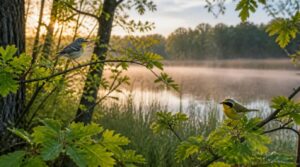
May turns the Midwest into warbler central. Peak Warbler Activity spans Illinois to Wisconsin, late April through mid-May, with Nashville Warblers and Common Yellowthroats fueling up.
Target these spots:
- Riparian stopover sites along the Mississippi
- Restored wetlands near urban parks
- Oak and maple canopy edges
- Prairie farmland margins in Iowa
- Lakeshore woodlots at dawn
Insect emergence timing drives it all, dawn migration patterns and urban park flocks make May unforgettable.
Atlantic Coast: Mid-May Shorebirds
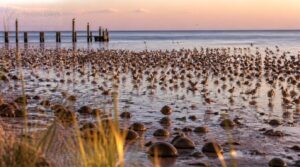
Tides don’t wait for anyone, and neither do shorebirds racing up the Atlantic Flyway. Cape May’s tidal flats fill fast when the Delaware Bay horseshoe crab spawn hits, feeding hungry Red Knots.
| Behavior | Where to See It |
|---|---|
| Tidal flat foraging | Cape May, NJ |
| Roosting on jetties | Boston, MA |
| Probing mudflats | Delmarva wetlands |
| Feeding at low tide | Cape Cod |
| Sheltering from wind | Coastal refuges |
Early Arrivals: February–March
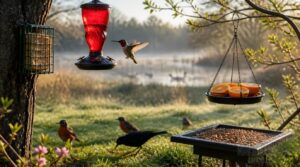
Don’t wait for the calendar to say spring. First arrivals Gulf Coast style start in February, with ruby-throated hummingbirds and ground foragers pushing north fast.
- Hummingbird early sightings: late Feb–mid March
- Waterfowl February flocks in southern wetlands
- Ground forager return: robins, grackles
- Warbler detection south begins in February
Stock a hummingbird feeder, oriole feeder, suet feeder, and platform feeder with mealworms now.
Choose Productive Feeder Spots for Migrants
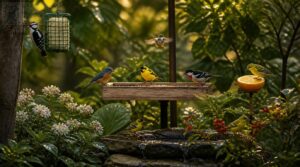
Not every backyard sees warblers, and that comes down to setup, not luck. Migrants key in on specific features when picking a place to rest and refuel. Here’s what to look for before you hang that first feeder.
Sheltered Spots Near Native Trees
Oaks, hickories, maples: native trees are migrant magnets, packed with insects and seeds. Branch cover cuts spring wind by 40%, sheltering songbirds during showers.
Set your platform feeder with mealworms beneath this canopy for Spring Migration 2026. Add fern understory and leaf litter, and you’ve built a true feeding haven your neighbors will envy.
Water Features With Dense Plantings
Beyond the tree line, water changes everything. A pond edged with dense plantings pulls in insect prey concentration near the surface, shelters amphibians, and cuts shoreline erosion up to 60%.
Layer emergent to canopy growth for multiple perching points and better water quality. Pair it with a suet or platform feeder nearby, and warblers won’t want to leave.
Coastal and Lakeshore Stopovers
Salt air changes the game. Tidal flats expose invertebrate buffets during ebb tide, feeding plovers and sandpipers along shorebird feeding zones up and down the coast.
Lakeshores work similarly, minus the salt. Shallow bays and wetland fringe offer lakeshore insect sources plus quiet resting cover. Add dune buffers for shelter, and you’ve built a genuine stopover habitat migrants return to year after year.
River Corridors and Flyways
Rivers act like highways in the sky. Migrants riding the Mississippi, Central, or Pacific Flyway track these corridors north, using riparian layers of cottonwood and willow for cover.
Width varies wildly, 50 to 2,000 meters, but wider floodplains mean richer insect emergence and better connectivity between stopovers. Check any bird migration forecast, and river routes light up first.
Window-Safe Feeder Placement
Since window strikes kill migrants fast, smart feeder distance matters most. Keep feeders within 3 feet of glass, or past 10, so birds never hit full speed.
Add window film or decals to cut reflection. Mount at 5-7 feet feeder height, use predator shields on posts, and rotate food regularly. Simple, safe, effective.
Track Birds and Plan Visits

Knowing the best spot only gets you halfway there. Timing your visit right is what turns a quiet morning into a fallout you’ll talk about for years. Here’s how to read the signs and show up exactly when the birds do.
BirdCast Live Migration Maps
Want to know tonight’s flight before it happens? BirdCast’s live migration maps turn radar into a birding forecast, showing real-time flight activity and migration intensity zones nationwide.
Warm colors mean big movement. Check regional patterns for the Gulf, Great Lakes, or Atlantic Coast, then plan your morning around where birds are actually landing, not just where they should be.
Weather Radar Fallout Alerts
Ever notice weather radar flagging more than storms? BirdCast pairs with fallout alert criteria like Doppler wind patterns and debris signature clues to flag mass groundings.
Regional threshold adjustments matter too, Gulf sites trigger differently than Great Lakes spots. During alerts, follow safety protocols: shelter first. Once winds settle, peak migration season often delivers your best fallout birding yet.
South Winds Before Cold Fronts
That warm, muggy south wind blowing before a storm? It’s your best migration tip-off.
South winds pump in warmth and moisture, dew points climb, clouds build. Watch for the wind shift signal, south turning southwest, gusts picking up to 35 mph. That’s your cue: birds pause, feed hard, then ride the front for a cold front fallout. Perfect timing to check feeders.
When south winds swing southwest and gusts climb, birds feed hard before riding the front into a fallout
Dawn Birding During Peak Flights
Set that alarm early. Dawn Chorus peaks the first hour after sunrise, and light’s crisp enough to nail plumage details.
Dawn Birding rewards patience:
- Scout roosts pre-dawn
- Watch coastlines first
- Track Migration Traffic Rate overnight
- Dress in Layered Clothing for Birding
- Stay through peak foraging
Peak Migration Nights fuel the morning rush, birds dropping in exhausted, hungry, ready to feed hard at your feeder.
Top 8 Spring Migration Feeder Essentials
Great sightings need great gear, plain and simple. You don’t need a truckload of stuff, just the right pieces that actually earn their keep in the field or backyard. Here are 8 picks worth adding to your kit this season.
1. Nikon Prostaff P7 8×42 Binocular
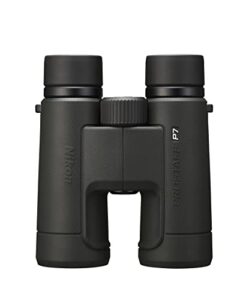
Glassing warblers at dawn, low light, deep canopy? The Nikon Prostaff P7 8×42 earns its keep here. BaK4 prisms and multi-coated lenses pull in brightness when Magee Marsh’s boardwalk is still shadowed.
The 8×42 setup gives you a wide field for scanning fast-moving flocks, and the center focus wheel snaps sharp quick. Compact housing means less fatigue over a long morning hunt. Budget-friendly, solid glass, ready for peak migration chaos.
| Best For | Birdwatchers and wildlife enthusiasts who need bright, sharp views in low-light conditions like dawn canopy sessions or overcast coastal outings. |
|---|---|
| Weather Resistance | High – waterproof/fogproof |
| Primary Material | Polycarbonate & rubber |
| Ease Of Use | Easy handheld operation |
| Target User | Birdwatchers |
| Durability | Shock-resistant armor |
| Outdoor Suitability | Excellent |
| Additional Features |
|
- Bright, high-definition 8×42 viewing thanks to phase-correction and dielectric coatings, even in dim, shadowed environments
- Fully waterproof and fogproof construction with nitrogen filling, so it holds up in rain, snow, and shifting temperatures
- Long 17.5mm eye relief and adjustable turn-and-slide eyecups make it comfortable for eyeglass wearers during extended use
- The included neck strap and lens covers are reported as flimsy and low quality
- The focus wheel can feel stiff at first and may need a short break-in period
- Not built for astronomy or stargazing, so low-light sky viewing is outside its intended use
2. Vortex Diamondback HD Binoculars

Want more color punch without more weight? The Vortex Diamondback HD steps up with dielectric coated prisms and Armortek lens coating that shrugs off scratches and oil. That short hinge bridge design keeps handling light for hours at High Island.
Field of view runs 393 feet at 1000 yards, wide enough to track fallout chaos. Close focus at 5 feet nails nearby songbirds. Twist-up eyecups fit eyeglass wearers fast, no fumbling when warblers flood the canopy.
| Best For | This binocular is best suited for birdwatchers, wildlife observers, and hunters who want sharp, color-accurate optics in a rugged, weatherproof package for extended outdoor use. |
|---|---|
| Weather Resistance | High – waterproof/fogproof |
| Primary Material | Rubber-armored polycarbonate |
| Ease Of Use | Easy handheld operation |
| Target User | Birdwatchers/hunters |
| Durability | Impact-resistant rubber |
| Outdoor Suitability | Excellent |
| Additional Features |
|
- Dielectric prism coatings and fully multi-coated lenses deliver bright, true-to-life color and excellent light transmission
- Waterproof and fogproof construction with O-ring seals and argon purging holds up in tough weather
- Adjustable eyecups and a smooth focus wheel make long viewing sessions comfortable
- Costs more than entry-level binoculars in its class
- Heavier build can lead to fatigue during extended handheld use
- Lacks image stabilization, so steady hands or support are needed for distant viewing
3. Nikon Monarch M5 8×42 ED Binoculars
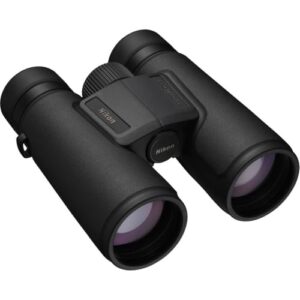
Prefer a classic feel over flashy coatings? The Monarch M5 delivers ED glass clarity at 8×42, with dielectric prism coatings pulling in bright, true colors during shaded canopy hours.
Field of view sits narrower than the Diamondback, but close focus still hits 8.2 feet. Weight runs 1.4 lb, light enough for dawn treks. Turn-and-slide eyecups handle eyeglasses well, and nitrogen-purged housing shrugs off Gulf humidity without fogging up.
| Best For | Birdwatchers and wildlife observers who want reliable, true-color clarity in shaded or low-light conditions without paying for extra flashy features. |
|---|---|
| Weather Resistance | High – waterproof/fogproof |
| Primary Material | Rubber-armored polycarbonate |
| Ease Of Use | Easy handheld operation |
| Target User | Birdwatchers |
| Durability | Rugged rubber armor |
| Outdoor Suitability | Excellent |
| Additional Features |
|
- Dielectric prism coatings and ED glass deliver bright, color-accurate views even during dawn, dusk, or shaded canopy hours
- Nitrogen-purged, waterproof housing handles humid or wet environments without fogging
- Close focus down to 8.2 feet allows detailed observation of nearby subjects
- Field of view is narrower than competing models like the Diamondback
- Eye relief may fall short for users with thick or deeply curved eyeglasses
- Focus knob tension can loosen over time with heavy use
4. The Sibley Guide to Birds, 2nd Edition

Good glass gets you close. A good guide tells you what you’re actually looking at.
The Sibley Guide, 2nd Edition, packs nearly 7,000 remastered paintings across 624 pages, with over 600 new illustrations covering 115 rare species. Range maps top 700, showing migration timing at a glance.
It’s heavy for pocket carry, so leave it in the truck. But for sorting confusing warblers during a Magee Marsh fallout, nothing beats it.
| Best For | Serious birders and wildlife artists who want an authoritative home or vehicle reference for accurate North American bird identification. |
|---|---|
| Weather Resistance | Moderate – durable cover |
| Primary Material | Paper & hardcover binding |
| Ease Of Use | Easy reference lookup |
| Target User | Birders/naturalists |
| Durability | Sturdy hardcover |
| Outdoor Suitability | Good (reference use) |
| Additional Features |
|
- Nearly 7,000 remastered paintings plus over 600 new illustrations, including 115 rare species
- More than 700 updated range maps showing seasonal, migration, and rare distributions
- 85 cross-referenced family pages make comparing similar species straightforward
- Large size and 3-pound weight make it impractical for pocket or field carrying
- Small font size can be hard to read, especially in low light
- Early printings had color accuracy issues with some illustrations
5. Birds Choice Flower-Shaped Oriole Feeder
Once you’ve ID’d the birds, you’ll want to feed them right.
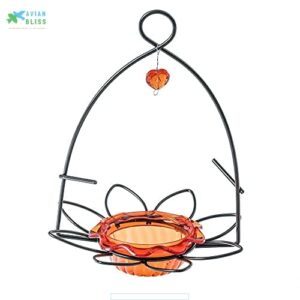
The Birds Choice feeder ditches jelly cups for a flower-shaped design with a central moat, filled with sugar water or fruit juice. Petal rims keep seed spillage down while staying bright orange to catch oriole eyes fast.
Best part? It’s dishwasher safe and BPA-free, so post-fallout cleanup at Magee Marsh won’t eat your whole morning.
| Best For | Bird lovers who want to attract orioles and hummingbirds to their garden or patio with an easy-to-refill jelly and fruit feeder. |
|---|---|
| Weather Resistance | High – weatherproof housing |
| Primary Material | Polycarbonate & steel |
| Ease Of Use | Easy fill and hang |
| Target User | Oriole/hummingbird fans |
| Durability | Steel hanger frame |
| Outdoor Suitability | Good |
| Additional Features |
|
- Dual-function design lets you offer both fruit pegs and jelly, appealing to a wider range of birds
- Removable cup makes cleaning and refilling quick and simple
- Durable polycarbonate and steel construction stands up to outdoor weather
- Open jelly cup can attract wasps and bees along with the birds you want
- No rain cover, so jelly can get diluted or washed out in wet weather
- Plastic cup may crack or degrade after repeated sun exposure over time
6. More Birds Ruby Hummingbird Feeder Glass
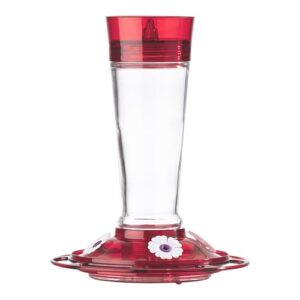
Ruby red isn’t just pretty, it’s a hummingbird magnet. This glass feeder holds 10 ounces of nectar across four bee guard ports, with a built-in ant moat keeping crawlers out of the sweet stuff.
Five perches mean multiple birds feed without squabbling, handy during those chaotic fallout mornings. The wide-mouth bottle and detachable base make refills painless.
One catch: plastic parts can stain with mold, so hand-wash every few days during warm spells.
| Best For | Hummingbird enthusiasts who want an attractive, high-capacity feeder that lets several birds feed at once in their garden or patio. |
|---|---|
| Weather Resistance | Moderate – weather resistant |
| Primary Material | Glass & plastic |
| Ease Of Use | Easy fill and clean |
| Target User | Hummingbird fans |
| Durability | Glass bottle build |
| Outdoor Suitability | Good |
| Additional Features |
|
- Four flower-shaped ports with perches let multiple hummingbirds feed simultaneously
- Built-in ant moat and ruby red color help attract birds while keeping pests out
- Wide bottle opening and detachable base make filling and cleaning simple
- Plastic parts are prone to mold stains that are hard to remove
- Not dishwasher safe, so it requires hand washing every 3–4 days
- No replacement parts available, meaning the whole feeder must be replaced if damaged
7. Stokes Select Double Suet Bird Feeder
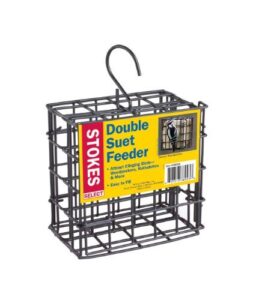
Suet means survival food, packed with fat migrants desperately need after long flights. This double-tray feeder from Stokes Select lets two birds refuel at once, woodpeckers on one side, nuthatches on the other, no shoving matches required.
The swing-open hinged trays make refills quick, and that clear plastic cover keeps rain off your suet during spring showers. Dishwasher-safe trays mean less scrubbing, more birding. Just mount it high enough to dodge raccoons.
| Best For | Backyard birders who want to attract clinging species like woodpeckers, nuthatches, and chickadees while feeding multiple birds at once. |
|---|---|
| Weather Resistance | High – powder-coated metal |
| Primary Material | Powder-coated metal & glass |
| Ease Of Use | Easy load and lock |
| Target User | Backyard bird hosts |
| Durability | Powder-coated steel |
| Outdoor Suitability | Excellent |
| Additional Features |
|
- Double cage design lets two suet cakes (or alternative feeds like orange halves or nesting material) be offered at the same time
- Powder-coated metal construction stands up well to outdoor weather
- Double-locking closure helps secure suet and reduce spillage or tampering
- Some users report squirrels can still get into the suet despite the locking mechanism
- Glass viewing panels can break if impacted or handled roughly
- Suet compartments need regular cleaning to prevent mold, especially in humid climates
8. Woodlink cedar platform bird feeder
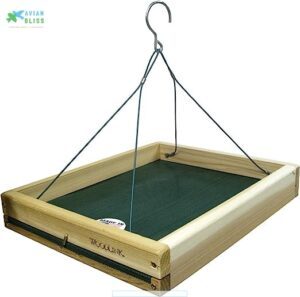
When migrants finally touch down exhausted, they need seed that stays dry and easy to reach. Woodlink’s cedar platform feeder, handcrafted from kiln-dried inland red cedar, holds up to 3 pounds of mixed seed for sparrows, buntings, and grosbeaks passing through.
The removable drainage screen dumps rainwater fast, no soggy seed after spring storms. Screwed-together construction beats glued feeders for durability. Hang it, post-mount it, or set it on the ground, whatever your yard demands. Just grab mounting hardware separately.
| Best For | Backyard birders who want a versatile, durable feeder for hosting mixed-seed-loving species like sparrows, buntings, and grosbeaks. |
|---|---|
| Weather Resistance | High – kiln dried cedar |
| Primary Material | Red cedar & metal |
| Ease Of Use | Easy fill and mount |
| Target User | Backyard bird hosts |
| Durability | Screwed cedar construction |
| Outdoor Suitability | Excellent |
| Additional Features |
|
- Handcrafted from kiln-dried inland red cedar for long-lasting quality
- Removable powder-coated metal screen allows fast, effective drainage to keep seed dry
- Flexible placement options, hang it, post-mount it, or set it on the ground
- Mounting hardware is sold separately, adding an extra purchase
- Screwed-together construction, while durable, may require occasional tightening over time
- Seed capacity is limited to 3 pounds, which may mean more frequent refills for larger flocks
Frequently Asked Questions (FAQs)
Where should you not put a hummingbird feeder?
Think of a feeder like a bullseye near glass, one wrong hang and it’s a dead-on collision course. Keep it 10 feet from windows, out of eaves, away from foot traffic, blazing afternoon sun, and metal surfaces that cook nectar fast.
Are hummingbirds migrating early this year, 2026?
Gulf Coast birds showed up 1-3 weeks early in March 2026, riding south winds and warm spells. Get feeders up by late February in southern states, don’t wait until April like usual years.
Do male hummingbirds leave before females?
Nope, it’s usually the other way around. Females head south first, once nesting duties wrap up. Males linger near feeders and territories, defending their turf a bit longer before finally joining the migration south.
What does it mean if a hummingbird hovers in front of you?
Congrats, you’ve been judged! That hover is curiosity, not confrontation — the bird’s scouting nectar odds, tilting its head to size up your flowers or feeder before deciding whether you’re worth the visit.
What food should I put out for migrating warblers?
Load up on fat-rich suet, peanut butter, and black oil sunflower seeds. Toss in mealworms for insect protein, plus soft fruit bits. Warblers burn serious fuel migrating, they need calories fast, not just birdseed leftovers!
Do hummingbird feeders help during spring migration season?
Picture a tiny bird treating your feeder like a truck-stop diner mid-road-trip. That’s basically the deal! Fresh nectar fuels exhausted migrants at stopover sites, but keep it supplemental, not their whole menu, so natural foraging habits stay sharp.
How often should I clean feeders during migration?
Give feeders a good scrub every two weeks during peak season. Wet weather or heavy traffic? Bump it to weekly. Hummingbird feeders always need weekly cleaning, since sugar water ferments fast and breeds bacteria quickly.
What layers should I wear for dawn birding trips?
Dawn cold bites like a splinter, then fades once the sun climbs. Start with a moisture-wicking base layer, add fleece for 40-60°F mornings, and top it off with a wind-resistant shell to block that stubborn breeze.
How do I prevent squirrels from raiding feeders?
Squirrels hate a good baffle. Mount feeders on a smooth pole, five to six feet up, away from trees. Add capsaicin seed and a motion sprinkler for backup, and you’ll cut raids fast.
Conclusion
You don’t need a week-long trip or fancy gear to see this magic happen. A single Saturday morning, binoculars in hand, puts you right in the middle of it.
The best spring migration feeder spots reward patience, not luck, once you match timing to terrain. Watch the wind shift, hear the first warbler chip note, and you’ll understand why birders keep coming back.
Some mornings, the trees practically hum with wings. That’s the payoff.
- https://ebird.org/
- https://www.birdwatchingdaily.com/birds/david-sibleys-id-toolkit/no-bad-time-to-go-birding/
- https://wildlife-photography.uk/best-time-of-day-bird-photography/
- https://blog.mybirdbuddy.com/post/best-time-for-birdwatching
- https://learnbirdwatching.com/are-birds-more-active-at-dawn-or-dusk/