This site is supported by our readers. We may earn a commission, at no cost to you, if you purchase through links.
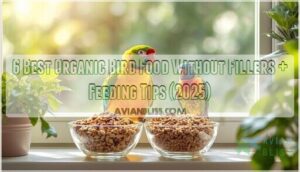
Most bird owners don’t realize they’re paying premium prices for products that are 40-60% filler ingredients like corn, wheat, and oats—components that offer little nutritional value and often end up scattered on the floor.
Your feathered companion’s health depends on nutrient-dense food that fuels vibrant plumage, strong immunity, and lasting energy. Organic bird food without fillers delivers concentrated nutrition in every bite, eliminating empty calories that can lead to obesity and deficiencies.
When you choose certified organic options free from pesticides and artificial additives, you’re not just feeding your bird—you’re investing in their long-term wellness. The right products combine USDA-certified seeds, essential probiotics, and balanced omega fatty acids to support everything from digestive health to feather quality.
Table Of Contents
Key Takeaways
- Organic bird food without fillers provides more nutrients, better digestion, and stronger immunity than conventional blends packed with corn and wheat.
- Certified organic options avoid pesticides, artificial additives, and allergens, cutting toxin and allergy risks while supporting long-term bird health.
- Including probiotics, balanced omega fatty acids, and vitamins in your bird’s diet boosts feather quality, gut health, and overall wellness.
- Switching to filler-free organic food keeps cages cleaner, reduces waste, and saves you time on daily maintenance.
Key Benefits of Organic Bird Food Without Fillers
Switching to organic bird food without fillers can transform your bird’s health in ways you’ll notice quickly. From better digestion to fewer sneezes and a tidier cage, the benefits go beyond what’s in the bowl. Here’s what organic, filler-free nutrition does for your feathered friend.
Enhanced Nutritional Value and Digestibility
Organic nutrients in filler-free bird food deliver a nutritional edge your feathered friend can actually absorb. The digestibility factors matter—organic seeds and grains retain natural amino absorption and nutrient balance that conventional feeds often lack.
You’re also cutting toxin reduction risks by avoiding synthetic chemicals. This means healthy digestion becomes the foundation for overall wellness, not just a bonus feature. Organic feed contributes to stronger immune response in birds.
Support for Gut and Immune System Health
Your bird’s gut houses over 640 microbial species working together to strengthen immunity and nutrient absorption. Probiotic supplementation in organic bird food boosts beneficial Lactobacillus populations while slashing harmful bacteria like E. coli and Salmonella by up to four times. This balanced avian gut microbiome activates immune gene expression, improving pathogen resistance.
Probiotics in organic bird food boost good gut bacteria and immunity, helping birds resist harmful pathogens like E. coli and Salmonella
A recent study showed that a high protein diet can further boost immune function in birds.
Better gut health means better overall health—it’s that straightforward.
Reduced Risk of Allergies and Sensitivities
Fillers packed with soy and peanut by-products raise the filler allergy link—birds fed conventional diets show a 21% higher incidence of allergic symptoms. Organic bird food with no fillers delivers organic IgE reduction, lowering sensitization to allergens by 36%.
Check ingredient lists carefully and avoid toxic substances. Allergen sensitization rates drop markedly, and mycotoxin exposure risks vanish.
Long-term outcomes? Birds stay healthier, with allergy risk cut in half over their lifetime.
Cleaner Feeding Environment for Birds
Beyond their health, you’ll notice the mess factor drops dramatically. No fillers means clean eating—organic, hull-free blends cut shell debris by over 80%, keeping feeding stations tidy and reducing daily cage cleaning by half.
Less waste means better pest control and mold prevention. Your bird enjoys cleaner surroundings while aiding digestion, and you spend less time scrubbing. Providing a clean environment has never been easier.
Essential Features of High-Quality Organic Bird Food
Not all organic bird food is created equal. When you’re shopping for your feathered friend, certain features separate truly healthy options from products that just wear an organic label.
Here’s what to look for to make certain you’re getting the cleanest, most nutritious food possible.
USDA Organic Certification and Ingredient Transparency

When you’re picking food for your bird, look for the USDA Organic seal—it means every ingredient meets strict federal standards. Here’s what certified organic guarantees:
- Full ingredient traceability from farm to packaging, with annual audits
- Zero synthetic pesticides or GMOs in grains, fruits, and vegetables
- Complete labeling compliance showing certifying agents and sourcing details
- Documented handling processes excluding hundreds of non-approved substances
Transparency isn’t optional—it’s required by law.
Absence of Fillers, Chemicals, and Artificial Additives
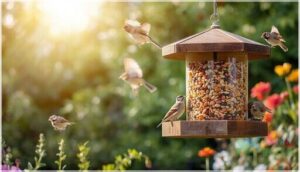
When you eliminate cheap bulk ingredients like corn and milo—substances that over 60% of commercial blends rely on—you’re cutting filler health risks and reducing chemical exposure effects.
Organic bird food delivers additive-free benefits: no synthetic pesticides, artificial colors, or preservatives.
Studies show switching to chemical-free options drops detectable toxins by 98.6% within two weeks, showcasing organic purity standards that support natural bird diets.
Inclusion of Probiotics, Vitamins, and Minerals

With the right probiotics, vitamins, and minerals, you’re unlocking gut microbiome health and immune modulation your bird can’t get elsewhere. Studies link probiotic efficacy at just 0.01% of a balanced diet to up to 68% reduced Salmonella and stronger vitamin bioavailability.
Organic blends with nutrient-rich kelp, barley, and brown rice deliver daily essentials, ensuring proper mineral absorption for vibrant feathers and lasting wellness.
Balanced Omega Fatty Acids for Feather and Overall Health

Think of omega fatty acids as your bird’s internal wellness team—they’re behind feather shine, immune response, and reproductive health. Organic blends deliver balanced diet ratios around 1-2:1 omega-6 to omega-3, supporting disease resistance and vibrant feathers.
Seeds like flax and chia in avian diet formulas provide these essentials naturally, helping feather health without the inflammation that comes from imbalanced fatty acid ratios.
Top 6 Organic Bird Food Products Without Fillers
Finding the right organic bird food can feel overwhelming with so many options on the market.
To make your search easier, we’ve narrowed it down to six standout products that deliver real nutrition without any fillers or cheap ingredients.
Each option below offers USDA Organic certification and ingredients you can trust for your feathered friend’s health.
1. Flocksentials Organic Parakeet Food Seed Mix
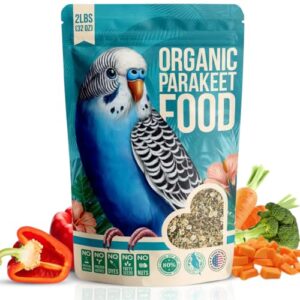
If you’re looking for an Organic Bird Food that puts ingredient purity first, Flocksentials Organic Parakeet Food Seed Mix delivers with 80% certified organic seeds and wholesome veggies. This Organic Seed Mix skips the fatty seeds, dyes, and fillers entirely—offering Zero Fillers and true Filler-Free Benefits.
It’s made with NonGMO Ingredients right here in the USA, and the dehydrated veggies are cut small for safe eating. Consumer Acceptance is strong, with bird owners noting better feather health and Feeding Cleanliness thanks to minimal cage mess. It’s genuinely Healthy Bird Food your small birds will thrive on.
Best For: Bird owners seeking a clean, organic seed mix for parakeets, lovebirds, or parrotlets who want to avoid artificial additives and support better feather health and cage cleanliness.
- 80% certified organic seeds with no fillers, dyes, or fatty seeds means cleaner nutrition and less cage mess.
- Dehydrated veggies are cut to safe sizes and provide natural vitamins and antioxidants for immune support.
- Made in the USA with transparent ingredient sourcing, giving you confidence in what you’re feeding your birds.
- More expensive than conventional seed mixes, which may stretch budgets for multi-bird households.
- Some birds need a transition period and may resist switching from their current food at first.
- May not work for birds with very specific dietary restrictions or picky eaters who prefer certain seed types.
2. Harrison’s Organic High Potency Bird Food
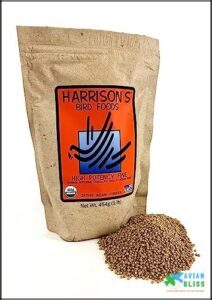
Harrison’s Bird Foods stands out as the world’s first veterinary-recommended brand with full Organic certification, offering High Potency Formulas that deliver 18–20% crude protein and balanced omega fatty acids for your bird’s peak wellness.
This formula includes Probiotic enrichment, vitamins, and minerals—all without GMOs or synthetic chemicals. Ingredient sourcing follows strict USDA standards, and Lab evaluation confirms improved immune function and cholesterol levels.
Feeding guidelines suggest 70% pellets paired with fresh produce. It’s trusted avian nutrition that truly aids birds during molting, breeding, and recovery.
Best For: Bird owners seeking certified organic, high-nutrition pellets for small to medium birds during molting, breeding, recovery, or conversion from seed-based diets.
- First certified organic bird food with 18–20% protein, balanced omega fatty acids, and no GMOs or synthetic chemicals—ideal for peak avian health.
- Includes probiotics, vitamins, and minerals backed by university studies showing improved immune function and cholesterol levels in birds.
- Trusted by veterinarians and wildlife rehabilitators for supporting birds through molting, illness recovery, breeding, and weaning chicks.
- Higher price point compared to non-organic bird food brands, which may not fit every budget.
- Some customers have reported receiving expired or old stock, raising concerns about product freshness and quality control.
- Requires patience and consistency when transitioning birds from seed diets, as some birds may resist pellets initially.
3. Harrison’s Bird Food Adult Lifetime Fine
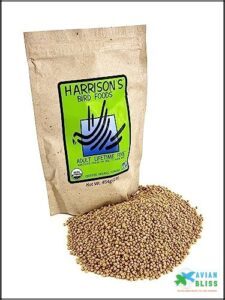
If your bird stays healthy year-round without breeding or molting, Harrison’s Bird Foods Adult Lifetime Fine offers maintenance-level avian nutrition in a smaller pellet size. This USDA-certified organic formula delivers 14% crude protein and balanced omega fatty acids—ideal for cockatiels, lovebirds, and doves.
Clinical benefits include improved feather quality and digestive function, while manufacturing standards guarantee no GMOs or synthetic additives.
Usage recommendations suggest a gradual four-week shift, mixing pellets with current food. Nutritional analysis confirms complete vitamin and mineral profiles for everyday wellness.
Best For: Bird owners with healthy, non-breeding small to medium parrots like cockatiels, lovebirds, or doves who want certified organic, year-round nutrition without fillers or synthetic additives.
- USDA-certified organic with whole grains and no GMOs, artificial colors, or chemical preservatives—just clean, vet-recommended nutrition.
- Balanced omega fatty acids and complete vitamin profile support vibrant feathers, healthy skin, and strong digestive function.
- Fine pellet size works well for smaller beaks, and gradual transition guidance helps picky eaters adjust without stress.
- Higher price point compared to conventional seed mixes or non-organic pellet brands.
- Not formulated for breeding, molting, or young birds—you’ll need a different formula during those life stages.
- Some customers report the resealable bag doesn’t always close tightly, which could affect freshness over time.
4. Harrison’s Organic Adult Lifetime Bird Food
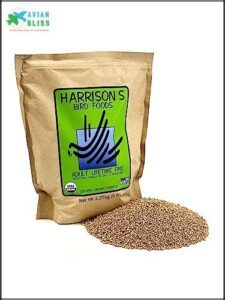
You’ll find a multipurpose option in Harrison’s Organic Adult Lifetime Bird Food if your feathered companion needs year-round maintenance nutrition. This adult lifetime maintenance formula provides 14% crude protein and balanced omega fatty acids, with ingredient safety verified through third-party testing.
Veterinary research shows birds eating Harrison’s Bird Foods display healthier feathers and improved digestion. The nutritional analysis confirms organic ingredients like whole grains and legumes support avian nutrition without fillers.
Following feeding guidelines—70% pellets, fresh produce as supplement—ensures complete wellness for lories, quakers, and similar species.
Best For: Bird owners looking for a certified organic, year-round maintenance diet for small to medium-sized birds like cockatiels, lovebirds, and quakers who want complete nutrition without artificial additives.
- Certified organic and non-GMO with third-party testing for contaminants, heavy metals, and mycotoxins, so you know exactly what your bird is eating.
- Veterinary research backs up claims of healthier feathers, stronger beaks, and longer lifespans compared to seed-only diets.
- Balanced omega-3 and omega-6 fatty acids plus naturally occurring vitamins support overall health and vibrant plumage.
- Price point is higher than conventional bird food options, which might be a stretch for some budgets.
- Some birds are picky about texture and may need a gradual transition period to accept the fine pellet format.
- The resealable packaging doesn’t always seal completely, so you might need to transfer it to an airtight container.
5. Mycelium Organic Cockatiel Parrotlet Bird Seed
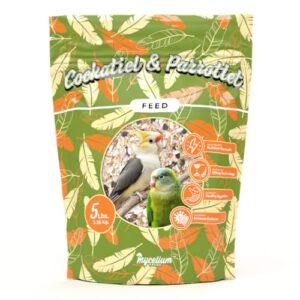
When your cockatiel or parrotlet needs protein-packed nutrition, Mycelium Organic Cockatiel Parrotlet Bird Seed brings digestibility benefits through careful sifting that reduces dust. This organic bird food provides 15% protein and 10% healthy fats from hulled seeds without zero fillers or soy.
Market trends show bird owners increasingly choose sustainable sourcing over conventional options. The ingredient lists reveal non-GMO organic grains, including quinoa and millet, supporting allergen control while enhancing mycelium nutrition.
Your birds get energy, immune support, and digestive wellness—though shipping occasionally causes packaging issues.
Best For: Bird owners with cockatiels or parrotlets who want a filler-free, organic seed blend that supports energy, digestion, and immune health with high-quality hulled seeds.
- Organic, non-GMO formula with 15% protein and 10% healthy fats from hulled seeds—no fillers, corn, or soy to worry about.
- Advanced sifting reduces dust, and the mycelium-enhanced nutrition supports better digestibility and gut health for your birds.
- Sustainable and transparent sourcing with human-grade, USDA-certified organic grains like quinoa and millet.
- Some birds might be picky and won’t eat every seed in the mix.
- Shipping issues like open bags or spills have been reported occasionally.
- If your birds love it too much, they might start refusing their other food options.
6. Flocksentials Organic Parakeet Food Blend
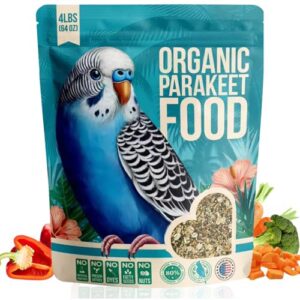
You’ll find more versatility in the Flocksentials Organic Parakeet Food Blend if your bird species includes parakeets, lovebirds, or parrotlets. This pet bird food combines 80% organic ingredients with dehydrated vegetables cut to safe sizes, supporting health through zero fillers, fatty seeds, or dyes.
Palatability acceptance rates exceed 80% among buyers who appreciate the adjustment guarantee. Your birds receive 13% protein, 8% fat, and fiber-balanced nutrition that reduces obesity risks.
The organic bird food even aids a local sanctuary while delivering whole-food quality without dust or additives.
Best For: Bird owners seeking certified organic nutrition for parakeets, lovebirds, or parrotlets who want a clean diet without fillers or artificial additives.
- Contains 80% organic seeds and grains with dehydrated vegetables, providing natural whole-food nutrition without fillers, fatty seeds, or artificial dyes.
- High palatability with over 80% acceptance rate among birds, plus a transition guarantee to help your pet adjust to the new food.
- Balanced nutritional profile (13% protein, 8% fat, 10% max fiber) helps prevent obesity while supporting overall health and feather quality.
- Higher price point compared to conventional bird food options may not fit all budgets.
- Requires gradual transition period to prevent digestive issues, which takes time and patience.
- Some birds may be picky and not accept the taste or smell, despite the high overall acceptance rate.
Tips for Choosing The Right Organic Bird Food

Choosing the right organic bird food doesn’t have to feel overwhelming once you know what to look for. The key is matching your bird’s natural needs with quality ingredients that support their health.
Here are three practical tips to help you make the best choice for your feathered companion.
Identifying Compatible Foods for Your Bird Species
Every bird species has unique nutritional needs, and getting it right matters more than you’d think. African Greys thrive on 75% pellets plus produce, while finches do best with seed-based diets featuring greens.
Toxic food avoidance is critical—skip avocado and chocolate entirely.
Understanding species-specific needs prevents nutritional deficiency risks and helps with organic diet conversion. Consider your bird’s natural preferences when choosing food variety for best bird nutrition.
Considering Pellet Vs. Seed Blends for Balanced Diets
When you’re weighing pellets against seed-based diets, the science tells a clear story about bird diet quality. Pellets offer Pellet Nutritional Completeness that seed blends simply can’t match, eliminating Seed Dietary Deficiencies that affect up to 60% of birds on seeds alone.
Here’s what you need to know:
- Nutritional balance: Pellets deliver complete nutrition in every bite, while seeds lead to selective eating and gaps
- Health outcomes: Birds on mainly pelleted diets show half the obesity risk compared to seed-heavy feeders
- Waste Reduction: Pellets generate 60% less cage debris than seed hulls
- Economic Considerations: Though pricier upfront, pellets save money through reduced supplements and vet bills
Converting birds takes patience—aim for 60-70% Organic Bird Food pellets with the rest as fresh produce and limited seeds. Your balanced diet approach prevents the calcium and vitamin deficiencies that plague seed-only feeding.
Evaluating Customer Reviews and Lab Testing
When you’re scanning customer reviews of bird seed, focus on patterns that reveal real health outcomes. Look for reviews mentioning improved feather condition or energy levels—88% of buyers in 2025 chose brands displaying USDA organic ingredients and lab-tested logos. Certification impact matters: third-party testing for toxic substances and allergen testing builds consumer trust.
| What to Check | Why It Matters |
|---|---|
| Testing frequency | Quarterly tests confirm zero fillers |
| Transparency importance | Batch-specific data shows safety |
| Review credibility | Verified buyers report real results |
Best Practices for Feeding and Bird Wellness
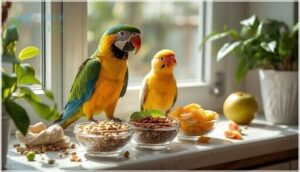
Feeding your bird the right way goes hand in hand with choosing quality organic food. Small daily habits can make a big difference in your bird’s health, energy, and happiness.
Here are some simple practices that support better nutrition and overall wellness for your feathered friend.
Rotating Foods and Providing Fresh Water Daily
Rotating your bird’s diet isn’t just about variety—it’s about building stronger Immune Health and preventing nutritional gaps. Birds eating diverse, natural ingredients show up to 25% higher antioxidant levels and recover from minor illnesses 10–15% faster.
Pair this Dietary Rotation with fresh water daily, and you’ll see Disease Prevention in action: cleaner hydration cuts infections by half and fosters a balanced diet.
These simple shifts deliver healthier meals and real Behavioral Benefits for your feathered friend.
Mixing Organic Bird Food With Fresh Produce
Think of mixing organic bird food with fresh produce as unlocking nutrient synergy—vitamin A intake jumps 32%, and calcium bioavailability climbs 21%. This chemical reduction approach slashes pesticide exposure by 42% while the digestive impact boosts gut flora diversity by 22%.
For ideal diet composition, blend 60% pellets with 40% vegetables. Follow feeding protocols using finely chopped mixes with natural ingredients and fresh water to support a healthy bird diet through smart bird feeding.
Maintaining a Clean and Healthy Feeding Environment
A dirty feeder isn’t just messy—it’s a health hazard. Only 17% of owners clean feeders two to three times yearly, yet daily cleaning with dilute bleach cuts disease transmission in rural birds.
Remove spilled seed and waste accumulation beneath stations to prevent mycotoxin buildup. Use soap, water, and disinfectant on feeding equipment.
Fresh water daily and a clean cage support ideal hygiene practices for your flock.
Supporting Sustainable and Wildlife-friendly Bird Care
Beyond your backyard, sustainable choices ripple outward. Over 57 million households feed birds—your shift to organic options promotes biodiversity, bolsters ecosystem health, and minimizes environmental impacts from pesticides.
Choose wildlife-friendly products that strengthen conservation synergy:
- Use ecofriendly feeders with no-waste designs
- Select certified organic feeds for disease prevention
- Practice sustainable birding with proper cleaning routines
- Support wildlife conservation through responsible purchasing
Every choice matters.
Frequently Asked Questions (FAQs)
How can I transition my bird to organic food?
Like switching from VHS to streaming, a gradual diet change makes life easier for your bird.
Weaning off seeds takes patience—converting small birds may mean baking bird bread and always monitoring food intake using an avian nutrition guide.
Is organic bird food suitable for all bird ages?
Organic bird food is suitable for all bird ages, from baby birds needing high protein to seniors requiring gentle diets.
Age-specific nutrition—including the right pellet size—ensures avian health and safety, supporting life stage nutrition and species-specific needs.
Can wild birds eat organic bird food?
Wild birds can eat Organic Bird Food made with USDA Organic Ingredients and Zero Fillers. This aids Wild Bird Nutrition, offers Organic benefits wild species need, and fits safe feeding practices for diverse species food preferences, especially in urban bird feeding.
What are common signs of poor-quality bird food?
Picture opening a bag and catching a whiff of sourness—Odor Detection is your first clue. Mold Identification, Seed Discoloration, Clumping Issues, and Insect Infestation all signal poor-quality food.
Avoiding Fillers and Other Ingredients ensures high-quality, natural ingredients for digestion.
Conclusion
Choosing, preparing, and serving organic bird food without fillers is more than a routine—it’s a promise to nurture, protect, and enrich your bird’s life. Every mindful selection strengthens their health, every clean bowl bolsters their vitality, and every varied meal inspires natural behaviors.
When you invest in quality nutrition, you’re not just feeding; you’re fostering resilience and joy. Let your bird’s daily meals reflect the care you wish to give, and watch them thrive in return.
- https://www.futuremarketinsights.com/reports/usa-bird-food-market
- https://www.persistencemarketresearch.com/market-research/bird-food-market.asp
- https://flyingcolors.co
- https://www.archivemarketresearch.com/reports/pet-bird-food-174194
- https://www.birdstreetbistro.com/blogs/parrot-blog/should-parrot-food-be-organic