This site is supported by our readers. We may earn a commission, at no cost to you, if you purchase through links.
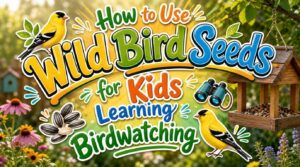
The first time a child spots a goldfinch at a feeder they stocked themselves, something clicks. Not just excitement—recognition. They predicted it, prepared for it, and it showed up exactly as promised.
That’s a rare feeling for a kid, and wild bird seeds make it repeatable.
Choosing the right seeds for kids learning birdwatching turns a backyard into a working hypothesis: put out nyjer, wait for the yellow flash.
The seeds you pick, how you store them, and how safely kids handle them all shape whether that moment happens once or becomes a weekly ritual.
Table Of Contents
- Key Takeaways
- Choose Child-Safe Wild Bird Seeds
- Look for Pesticide-free Seeds With No Neonicotinoid Coating
- Choose Peanut-free Labeled Blends for Allergy-aware Learning
- Pick Hull-free Seeds to Reduce Mess and Sharp Shell Fragments
- Use Small Seed Pieces for Younger Children’s Safety
- Check for Low Dust, Freshness, and Clean Seed Quality
- Avoid Moldy, Damp, or Musty-smelling Bird Seed
- Store Seeds in Sealed Containers Away From Heat and Moisture
- Explain Seed Safety Rules Before Kids Handle Bird Food
- Match Seeds to Backyard Birds
- Black Oil Sunflower Seeds for Cardinals, Chickadees, and Woodpeckers
- Nyjer Seeds for Goldfinches and Pine Siskins
- White Proso Millet for Sparrows, Juncos, and Doves
- Safflower Seeds for Finches and Squirrel-resistant Feeding
- Sunflower Hearts for Mess-free Beginner Birdwatching
- Seasonal Seed Rotation for Changing Bird Energy Needs
- Creating a Simple Bird-and-seed Matching Chart
- Helping Kids Predict Which Birds Each Seed May Attract
- Create Hands-on Birdwatching Lessons
- Sort Wild Bird Seeds by Size, Shape, Color, and Texture
- Use Magnifying Glasses to Examine Seed Mix Ingredients
- Sketch Different Seeds in a Birdwatching Nature Journal
- Count Seed Types and Compare Which Birds Visit Most
- Set Up a Seed Germination Experiment in Small Pots
- Teach Kids to Use Binoculars Safely and Quietly
- Make Tally Charts for Daily Backyard Bird Sightings
- Connect Feeder Observations With Field Guides or Bird Apps
- Build Simple DIY Feeders Using Allergy-safe Ingredients
- Practice Feeder Hygiene With Supervised Cleaning Routines
- Top 5 Kid-Friendly Birdwatching Supplies
- Frequently Asked Questions (FAQs)
- Conclusion
Key Takeaways
- Choosing pesticide-free, hull-free, and peanut-free seeds keeps kids safe while handling bird food and makes the whole feeding routine cleaner and more manageable.
- Matching specific seeds to target birds — nyjer for goldfinches, white millet for sparrows, safflower for finches — turns the feeder into a reliable, repeatable prediction experiment kids can own.
- Hands-on activities like seed sorting, nature journaling, tally charts, and DIY gelatin feeders deepen the learning far beyond passive watching.
- Fresh seed stored in airtight containers, paired with a consistent two-week cleaning routine, protects both the birds and the experience kids are building.
Choose Child-Safe Wild Bird Seeds
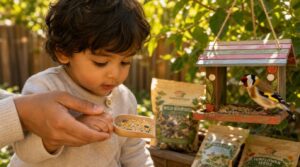
Not every bag of birdseed is safe to hand to a curious kid. Before you fill your first feeder, it’s worth knowing what to look for — and what to leave on the shelf.
A quick look at wild bird seeds safe for families with kids can help you spot the blends worth buying — and the ones better left alone.
Here’s what matters most when choosing seeds for child-friendly birdwatching.
Look for Pesticide-free Seeds With No Neonicotinoid Coating
When choosing bird seed for kids, start with pesticide‑free seeds — specifically ones free of neonicotinoid coatings. These chemicals harm pollinators, and aren’t what you want little hands near.
Look for certification labels and packaging icons that confirm nontoxic ingredients. Third‑party verification and lot traceability add another layer of trust.
Ingredient transparency on the bag means you’re choosing safe bird seeds for children with confidence. The company follows strict bee protection efforts to safeguard pollinators.
Choose Peanut-free Labeled Blends for Allergy-aware Learning
Peanut allergies are no small thing in a classroom. When picking seed blends, look for a clear Peanut-Free Seal and allergen certification labels on the front of the bag.
Check the ingredient list for cross-contact prevention language — "may contain peanuts" is a red flag. Batch traceability numbers and ingredient transparency mean you’re choosing safe bird seeds for children with real allergy safety built in.
Pick Hull-free Seeds to Reduce Mess and Sharp Shell Fragments
Hull-less benefits go beyond just cleaner feeder zones — they make the whole experience safer. Sharp fragment reduction means kids aren’t handling jagged shells while scooping.
Hull-free and peanut-free seed blends like sunflower hearts sit evenly in feeders, so spill-minimizing seeds become a real thing.
Use a small scoop as your Kid Scoops Guide, and mess-free bird feeding solutions for families become second nature.
Use Small Seed Pieces for Younger Children’s Safety
Size matters more than you’d think. Following simple Seed Size Guidelines keeps hands-on activity safe for little ones.
- Break seeds into rice-grain-sized pieces for preschoolers
- Remove jagged shells for choking risk mitigation
- Use allergen-free blends and allergen-free prep tools
- Practice hygienic handling with clean utensils always
- Keep supervised feeding routines consistent every session
Bird seed safety starts before seeds ever leave the bag.
Check for Low Dust, Freshness, and Clean Seed Quality
Fresh seed makes a real difference. Check the best-by date for Expiration Tracking, and look for a lot number — that’s Batch Traceability in action.
Good blends meet WBFI purity requirements: 98% pure, minimal seed dust. Kernel Integrity means no shriveled or broken pieces.
Seal Integrity matters too — if the bag feels damp inside, skip it. Bird seed safety starts with what’s in your hands.
Avoid Moldy, Damp, or Musty-smelling Bird Seed
Bad seed can quietly harm backyard birds. Before every refill, run a quick Freshness Smell Test — fresh seed smells neutral; a sour, musty odor signals trouble.
Watch for these red flags:
- Clumping or sticky seeds from seed moisture control failures
- Visible fuzzy growth or white powder — mold has started
- Heavy seed dust coating, often from damp storage
- Persistent earthy odor even after shaking
- Any discoloration on seed surfaces
Toss it immediately. Mold Resistant Containers and consistent Humidity Monitoring Tools are your best Mold Prevention Tips going forward.
Store Seeds in Sealed Containers Away From Heat and Moisture
Once you’ve spotted bad seed, the fix starts with smart storage. Use airtight sealing containers — metal or hard plastic with gasketed lids work best.
Tuck a silica gel packet inside for desiccant use, and aim for cool temperature storage around 35–50°F.
A simple labeling system with the date keeps seed storage honest.
Consistent moisture monitoring makes wild bird seed freshness and mold prevention practically automatic.
Explain Seed Safety Rules Before Kids Handle Bird Food
Before little hands touch anything, take two minutes to go over the ground rules. Handwashing protocol is non‑negotiable — wash before and after.
Glove usage keeps residue off skin. Spill containment starts with a tray under the feeder.
Stress allergy awareness early, stick to allergen‑free blends, and remind kids: seeds aren’t snacks.
Child safety guidelines make safe feeding practices to prevent choking hazards feel like second nature.
Match Seeds to Backyard Birds
Not every bird eats the same thing — and that’s actually what makes this so fun. The seed you offer tells birds whether your yard is worth a visit.
Here’s what to stock if you want the right guests showing up.
Black Oil Sunflower Seeds for Cardinals, Chickadees, and Woodpeckers
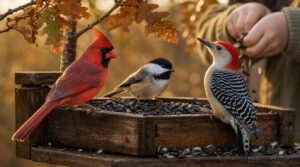
Black oil sunflower seeds are basically a bird buffet in a tiny shell. Their high energy density benefits make them perfect year‑round, especially for seasonal migration support when cardinals, chickadees, and woodpeckers need fuel fast.
The thin kernel shell thickness means even small birds crack them easily.
Watch feeding frequency patterns spike at dawn — that’s your best window for educational birdwatching activities with kids.
Nyjer Seeds for Goldfinches and Pine Siskins
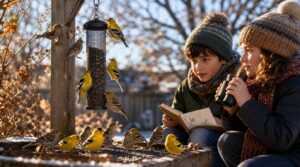
Nyjer is one of those bird seeds that practically rolls out the welcome mat for goldfinches and pine siskins. These tiny, 2–3 mm black seeds pack serious oil content — perfect for meeting winter energy needs during cold snaps. Use Mini Port Feeders to keep waste low and larger birds out.
Watch for patterns with kids:
- Goldfinch Flock Dynamics bring waves of bright yellow visitors, especially on cooler mornings.
- Siskin Arrival Patterns often signal a cold front — great teachable moments.
- Mold Prevention Tips matter: refill gradually and clean feeders weekly.
- Educational birdwatching activities for kids thrive here — tally charts work perfectly at nyjer stations.
White Proso Millet for Sparrows, Juncos, and Doves
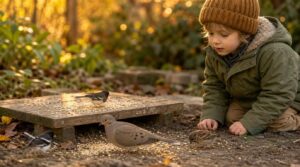
White proso millet is the go-to seed for ground-feeding birds. Its Millet Nutrient Profile — about 11% protein — feeds sparrows, juncos, and doves through cold months. Use the Ground Scattering Technique: spread small amounts directly on clean ground or a platform feeder.
| Bird | Behavior | Best Setup |
|---|---|---|
| House Sparrow | Scratches and pecks actively | Open ground scatter |
| Dark-eyed Junco | Uncovers seeds from leaf litter | Forest edge platform |
| Mourning Dove | Swallows whole, slow foraging | Bare-soil patch |
| Song Sparrow | Prefers hull-free pieces | Low platform feeder |
Low-Dust Storage in sealed containers keeps millet fresh and mold-free — a must for educational birdwatching activities for kids. Use an Observation Scoring Chart to track daily visits and build nature literacy for kids naturally.
Safflower Seeds for Finches and Squirrel-resistant Feeding
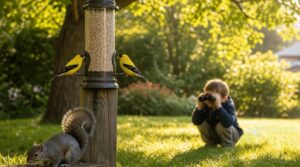
Safflower is a quiet MVP of family-friendly feeding. Its bitter Safflower Nutritional Profile naturally works as a squirrel deterrent — most gray squirrels just walk away.
Meanwhile, goldfinches love it, especially during morning Finch Feeding Times when kids are most alert.
Use a dedicated feeder with Squirrel Deterrent Placement at 5–6 feet high.
Check Seed Freshness Indicators — no clumping, no musty smell — before educational birdwatching activities for kids begin.
Sunflower Hearts for Mess-free Beginner Birdwatching
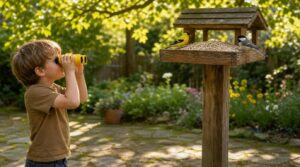
If safflower keeps squirrels away, sunflower hearts take mess‑free bird feeding even further.
No shells mean Mess‑Free Cleanup — nothing crunchy underfoot, nothing scattered across the porch.
Set your feeder height at 5–6 feet, grab kid‑friendly binoculars, and watch goldfinches and chickadees arrive fast.
Sunflower Heart Nutrition runs about 32% fat, so birds eat eagerly. interactive bird charts.
Seasonal Seed Rotation for Changing Bird Energy Needs
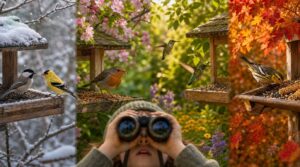
Sunflower hearts work year-round, but birds need different fuel as seasons shift.
Think of it as seasonal seed rotation — a Winter Fat Boost with black oil sunflower and nyjer, a Spring Protein Shift toward mealworm blends, a Summer Hydration Mix with lighter seeds, and Fall Migration Fuel packed with calories.
Monthly Rotation Schedule teaches kids real bird nutrition through educational bird feeding.
Creating a Simple Bird-and-seed Matching Chart
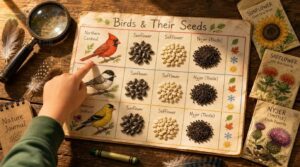
Once you’ve explored seasonal rotation, a bird-and-seed matching chart pulls everything together visually. Keep it simple and reusable:
- Use color-coded rows for quick bird species identification
- Add icon legends for allergen and safety tips
- Choose age-appropriate fonts, kids can read independently
- Grab free printable templates and add seasonal updates quarterly
This one tool turns birdwatching education into genuine nature observation — no guesswork needed.
Helping Kids Predict Which Birds Each Seed May Attract
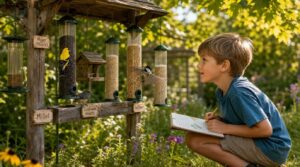
Once kids understand seed-bird connections, prediction becomes half the fun. Build on color coded charts by asking: "If we switch seeds, who shows up?" Weather influence, feeder height effects, and seasonal seed rotation and bird species attraction all shift the outcome.
| Seed | Likely Visitor |
|---|---|
| Nyjer | Goldfinch |
| White millet | Junco |
| Sunflower hearts | Chickadee |
| Safflower | Finch |
Observation data trends confirm their guesses over time.
Create Hands-on Birdwatching Lessons
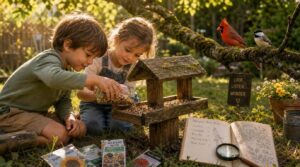
The best birdwatching lessons happen when kids get their hands dirty — or at least their fingers dirty. A few simple activities can turn a backyard feeder into a full science classroom.
A backyard feeder becomes a full science classroom the moment kids get their hands dirty
Here’s how to make that happen.
Sort Wild Bird Seeds by Size, Shape, Color, and Texture
Think of sorting bird seed like a mini science lab.
Spread a handful of seed blend on a tray and let kids group by size buckets — small Nyjer at 2–3 mm, medium sunflower chips at 5–8 mm.
Then try shape sorting and color coding.
Finish with texture feel: smooth versus rough.
Multi-attribute charts make this hands-on activity a natural gateway to outdoor learning.
Use Magnifying Glasses to Examine Seed Mix Ingredients
A magnifying glass turns a plain seed tray into a microscopic texture lab. Let kids examine each piece in the blend — you’ll notice pattern recognition clicks fast.
Look for dust quantification (powdery buildup signals age), mold detection on dull or clumped seeds, and allergen spotting near hull fragments. This hands-on activity connects seed blend formulation to real outdoor learning activities kids actually remember.
Sketch Different Seeds in a Birdwatching Nature Journal
A seed sketch is where science meets art. Grab paper and pencil, spread seeds across your seed tray, and start drawing. Your bird journal becomes a real field record.
- Use a magnifying glass for texture detailing on each hull.
- Add color swatches beside each sketch for accurate hues.
- Practice scale comparison by drawing seeds side by side.
- Include magnified insets for intricate surfaces.
- Write observation prompts like "Which seed feels roughest?
Count Seed Types and Compare Which Birds Visit Most
Numbers tell stories. Set up a simple tally chart in your bird journal and track which bird visits each type of bird seed the most. Black oil sunflower seeds draw the highest visits per session — cardinals, chickadees, woodpeckers.
Visit Frequency Charts daily to spot Bird Preference Scores over time. Consistent Data Recording Methods reveal Seasonal Visit Patterns you’d never notice otherwise.
Set Up a Seed Germination Experiment in Small Pots
Once you’ve tracked which seeds birds love most, flip the question: what happens when those seeds meet soil? A seed germination experiment for kids turns bird food into a plant growth experiment.
Grab a few flower pots and try this:
- Fill each pot using the soil layering technique — potting mix below, 2 cm seed-raising layer on top.
- Apply your seed labeling system: seed type, date, and spot placement for light exposure guidelines.
- Run a daily moisture check and log results to calculate your germination rate after 7–14 days.
This outdoor science learning project makes seeds click in a whole new way.
Teach Kids to Use Binoculars Safely and Quietly
Now that seeds are sprouting, it’s time to spot what’s visiting the feeder.
Hand kids lightweight binoculars and start with Eye Relief Adjustment — fit matters before anything else. Teach Proper Grip Technique: two hands, elbows tucked.
Quiet Scanning Methods keep birds calm; slow sweeps, no sudden moves. Use Binocular Strapping Safety to prevent drops, and follow Child-Friendly Optic Care for lens-wiping between sessions.
Make Tally Charts for Daily Backyard Bird Sightings
Once the binoculars are down, grab a notebook. A simple Date Heading at the top keeps each session organized.
Add Species Columns for name, count, and quick notes. Use Tally Symbols to mark each visit as it happens, then build Running Totals at the end.
Try Color Coding by bird seed type — it turns a basic birdwatching hobby into a genuine outdoor sensory activity kids actually want to repeat.
Connect Feeder Observations With Field Guides or Bird Apps
Your tally chart becomes even more powerful when you pair it with a field guide or bird app. Species matching gets easier when kids cross-reference beak shape and plumage against zoomable app images.
Use photo verification and call comparison to confirm tricky sightings. Location tagging and sync timing features help track bird behavior observation patterns — turning a simple birdwatching hobby into genuine nature literacy.
Build Simple DIY Feeders Using Allergy-safe Ingredients
DIY bird feeder projects for kids turn seed knowledge into something tangible — and allergy safety makes it classroom‑ready. Skip peanut butter and use Crisco binder instead as a peanut‑free glue that holds seeds just as well.
- Pine-cone feeders — roll in allergen‑free blends, hang with simple hanging strings
- Homemade bird seed cookies — gelatin‑based hands‑on activity using cookie cutters
- Recycled bottle feeders — add wooden dowels as perches, done in minutes
Practice Feeder Hygiene With Supervised Cleaning Routines
Feeder hygiene isn’t glamorous, but it matters.
A simple Cleaning Schedule Chart keeps your Daily Wipe Checklist on track — light wipe daily, full disassembly every two weeks. Use Color-coded Cleaning Tools so kids know exactly which brush goes where.
Child-safe Disinfectant Use means always rinsing after soaking. Your Feeder Inspection Routine catches mold prevention issues early, keeping the whole experience safe and mess-free.
Top 5 Kid-Friendly Birdwatching Supplies
The right supplies make birdwatching feel like an adventure, not a chore. A few simple tools can turn your backyard into a full-on nature classroom.
Here are five kid-friendly picks that work beautifully with wild bird seeds.
1. I Love Dirt Nature Activities Book
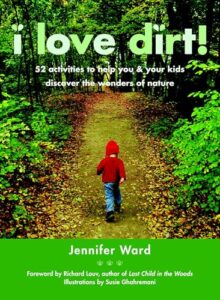
Think of I Love Dirt as your outdoor lesson plan that never runs out of ideas.
For just $9.00, this 144-page book gives you 52 seasonal nature activities built for kids ages 4–9.
Each one comes with clear learning goals, simple materials, and guiding questions you can use right away.
Activities are designed for backyards, parks, or schoolyards — wherever you’re.
No worksheets, no screens. Just kids, curiosity, and the natural world waiting outside your door.
| Best For | Parents, teachers, and homeschoolers looking for simple, low-cost ways to get young kids (ages 4–9) off screens and exploring the outdoors. |
|---|---|
| Price Range | $9.00 |
| Target Audience | Children & parents |
| Outdoor Use | Yes |
| Wildlife Benefit | Indirect (nature ed.) |
| Kid Friendly | Yes |
| Reusable | Yes |
| Additional Features |
|
- 52 ready-to-use activities means you’ve got one for every week of the year, organized by season so they actually fit the weather outside.
- Works almost anywhere — backyard, park, schoolyard — so you’re not limited by where you live.
- At $9.00 for 144 pages, it’s one of the cheapest outdoor curriculum tools you’ll find.
- Families already deep into nature play may find the activities a bit basic — there’s not much here for experienced outdoor kids.
- Skews younger, so older or more advanced learners will likely need something more challenging alongside it.
- English only, and no worksheets or digital extras included if you were hoping for a fuller toolkit.
2. Wagner Best Wild Bird Food
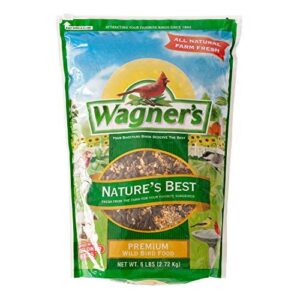
Wagner’s Best Wild Bird Food is one of those blends that just works for classroom setups. It’s peanut-free, pesticide-free, and includes black oil sunflower seeds, white millet, sunflower chips, and cracked corn — a solid mix for attracting cardinals, finches, juncos, and woodpeckers.
The hull-free seeds keep mess manageable and reduce sharp fragments, which matters when kids are handling seeds. The resealable zip-lock bag helps maintain freshness between lessons. At 6 lbs, it’s enough to last through several weeks of feeding and observation activities.
| Best For | Backyard bird enthusiasts who want a versatile, all-in-one seed blend that works across multiple feeder types and attracts a wide variety of birds. |
|---|---|
| Price Range | $10–$15 (est.) |
| Target Audience | Backyard birders |
| Outdoor Use | Yes |
| Wildlife Benefit | Direct (bird feeding) |
| Kid Friendly | Supervised |
| Reusable | Yes (resealable bag) |
| Additional Features |
|
- Covers a great mix of seeds — black oil sunflower, white millet, sunflower chips, and cracked corn — so it pulls in everything from cardinals to woodpeckers
- Works with tube, hopper, and platform feeders, so you’re not locked into one setup
- Resealable zip-lock bag keeps seeds fresh and cuts down on waste between uses
- Heavy on black sunflower hulls, which can be a problem for smaller bird species that struggle to crack them
- Despite some marketing claims, it doesn’t actually include milo or nyjer, so it may not suit feeders targeting specific birds
- The zip-lock seal can be tough to open — force it too fast and you risk tearing the bag
3. Knox Original Unflavored Gelatin
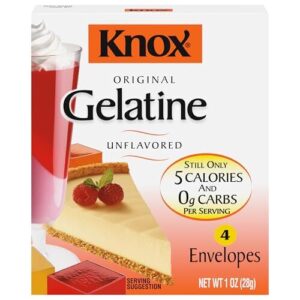
Knox Original Unflavored Gelatin is the secret weapon behind those satisfying birdseed cookies kids love making. Each box has four 1-oz packets — just enough for a small batch.
Mix dissolved gelatin with 2 cups of seed, pack it into cookie cutters, and refrigerate for 2–3 hours. The result is a firm, hangable feeder that holds its shape outdoors.
Zero carbs, zero flavor, and zero mess during prep. It’s a simple ingredient that turns a science lesson into something kids actually want to eat — well, the birds do.
| Best For | Home bakers, dessert enthusiasts, and parents looking for a simple, low-calorie thickening agent for both sweet and savory recipes. |
|---|---|
| Price Range | $2–$4 (est.) |
| Target Audience | Home cooks |
| Outdoor Use | No |
| Wildlife Benefit | None |
| Kid Friendly | Supervised |
| Reusable | No (single-use packets) |
| Additional Features |
|
- Zero carbs and only 5 calories per serving, making it a great fit for low-carb and diet-conscious cooking.
- Incredibly versatile — works in everything from cheesecake and panna cotta to jams, aspics, and even DIY face masks.
- Individually sealed packets keep things fresh and make measuring easy.
- Not suitable for vegetarians or vegans since it’s made from animal-derived gelatin.
- Small packet size means you’ll need multiple boxes for larger batches or commercial use.
- Temperature-sensitive — dissolving it wrong can throw off the set and ruin your recipe.
4. Wilton Nesting Star Cookie Cutters
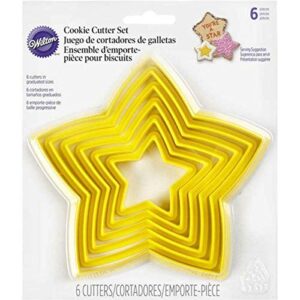
Star-shaped birdseed cookies are more fun when the stars actually look like stars.
Wilton’s Nesting Star Cookie Cutters give you six graduated sizes — from 1⅝ inches up to 4⅝ inches — so kids can pick the right fit for their feeder project. The food-safe plastic is lightweight and easy for small hands to press into gelatin-seed mixtures.
They nest together for tidy storage, and at $4.99 a set, replacing one isn’t a big deal if it gets lost in the backyard.
| Best For | Families with kids who want an easy, affordable way to make fun star-shaped treats or birdseed cookies for the backyard. |
|---|---|
| Price Range | $4.99 |
| Target Audience | Young bakers |
| Outdoor Use | No |
| Wildlife Benefit | None |
| Kid Friendly | Yes |
| Reusable | Yes |
| Additional Features |
|
- Six graduated sizes give you a star for every project, from tiny fondant details to big cookie-cutter classics
- Food-safe plastic is lightweight and easy for little hands to use safely
- At $4.99, it’s a no-stress buy — lose one, no big deal
- Thin, flexible plastic can bend or snap if you push too hard, especially on the bigger sizes
- Not great for thick or dense dough — these are built for soft stuff only
- The smallest cutter (1⅝ in) might still feel too big if you need really fine detail work
5. Songbird Essentials Ear Corn
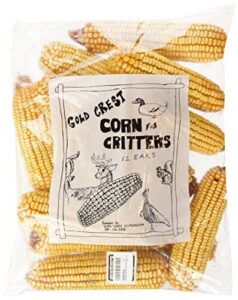
Not every backyard visitor has feathers. Songbird Essentials Ear Corn brings squirrels and Blue Jays into the mix — and kids love watching both.
Each bag holds 12 dried corn cobs, sized for platform feeders, revolving squirrel feeders, or spring-hanging styles. The large kernels are easy to spot and fun to count. Just store them dry and check for mold before each use. One tip: a quick rinse helps attract squirrels faster if they seem slow to notice.
| Best For | Backyard wildlife enthusiasts — especially families with kids — who want to attract squirrels and Blue Jays with a fun, easy-to-use corn feeder setup. |
|---|---|
| Price Range | $15–$20 (est.) |
| Target Audience | Wildlife observers |
| Outdoor Use | Yes |
| Wildlife Benefit | Direct (birds & squirrels) |
| Kid Friendly | Supervised |
| Reusable | No (consumable) |
| Additional Features |
|
- 12 large dried corn cobs per bag, giving you good value and plenty of refills
- Works with most common feeder styles, including platform, revolving, and spring-hanging feeders
- Bigger, fuller ears than what you’d typically find at a hardware store — more kernels per cob
- Kernels can loosen and fall off during shipping, which makes a mess before you even get started
- Screwing cobs onto feeders can be tricky — you may need to pre-drill a pilot hole
- Squirrels sometimes ignore it at first, and the product can be hard to find when it goes out of stock
Frequently Asked Questions (FAQs)
How do feeders attract more bird species?
Think of your feeder as a restaurant with a diverse menu. Offer black oil sunflower, nyjer, and white proso millet together, and you’ll attract cardinals, goldfinches, and sparrows simultaneously.
What feeder height keeps seeds from toddlers?
Mount feeders 5 to 6 feet above ground. That height keeps seeds out of toddler reach while staying easy for adults to refill. A step stool takes care of the rest.
How often should bird feeders be cleaned?
Clean feeders every two weeks under normal conditions. During hot, humid spells or heavy use, bump that up to weekly. A quick scrub keeps seeds fresh and birds safe.
Which seeds deter squirrels most effectively?
Safflower and Nyjer seeds are your best bets. Squirrels dislike safflower’s bitter taste and struggle with Nyjer’s tiny size. White proso millet also works — squirrels usually ignore it completely.
Can kids track bird visits with simple charts?
A simple tally chart works great. Kids mark each bird they spot by species. After a few days, patterns emerge — and suddenly, they’re doing real science.
Conclusion
Like an old apothecary measuring herbs by hand, you’re teaching kids that small choices carry real weight.
The right wild bird seeds for kids learning birdwatching don’t just fill a feeder—they build a system kids can trust. Nyjer brings goldfinches. Millet brings sparrows. That predictability is the whole point.
When a child sees exactly what they planned for, land right in front of them, birdwatching stops being a hobby. It becomes a conversation with nature they’ll keep returning to.