This site is supported by our readers. We may earn a commission, at no cost to you, if you purchase through links.
That scruffy-looking goldfinch outside your window isn’t sick—it’s mid-renovation.
Every autumn, birds shed worn feathers and grow entirely new ones in a process so metabolically demanding it can push their resting energy burn up 30 percent above normal. The bird feather changes autumn brings aren’t just cosmetic; they’re a full biological overhaul triggered by shortening daylight, driven by hormones, and written in protein.
A Scarlet Tanager trading its fire-engine red for drab olive, a male duck going incognito in brown‑gray eclipse plumage—these shifts follow precise physiological rules, and once you understand them, you’ll never look at a patchy-feathered bird the same way again.
Table Of Contents
Key Takeaways
- Autumn molt is a hormone-driven reset triggered by shorter daylight, replacing worn feathers with fresh ones over four to six weeks.
- Growing new feathers is so energy-intensive it can raise a bird’s resting metabolism by 10 to 40 percent, so reliable food sources matter most during this time.
- Color changes like a goldfinch fading to olive or a duck entering eclipse plumage aren’t random fading but a camouflage strategy that lowers predation risk.
- Birds replace feathers in a staggered, head-to-tail sequence so they never lose the ability to fly or stay warm during the rebuild.
What Autumn Feather Changes Mean
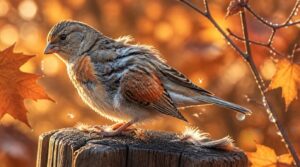
Every autumn, the birds at your feeder aren’t just wearing out their feathers — they’re actively replacing them, often changing color in the process. Understanding what’s actually happening beneath those new quills makes the whole season richer to watch. Here’s what autumn feather changes are really all about.
This full-body renewal—every feather swapped out at once—is explored beautifully in this guide to autumn feather color transformation in birds.
Seasonal Molt Explained
Every autumn, birds undergo seasonal molt — a hormone-driven biological reset that replaces worn feathers with fresh growth. As daylight shortens, rising melatonin triggers keratin synthesis in feather follicles, effectively signaling the body to rebuild from the outside in.
- Photoperiod influence governs molt timing with surprising precision
- Feather wear resistance drops sharply by late summer, making renewal critical
- Metabolic cost of molting can raise resting metabolism by up to 30%
- This avian plumage molt cycle repeats reliably, keeping birds functional through winter
The high energetic costs of molt mean birds often schedule molt outside breeding periods.
Fresh Feathers Replace Worn Ones
Think of it as a full rebuild, not just a patch job.
Feather follicle blood supply feeds each emerging pin feather, hardening the keratin sheath over weeks until the structure locks in permanently.
Birds use staggered growth patterns to keep flying and stay warm throughout — restoring waterproofing, boosting thermal loft, and replacing feather wear without ever going completely bare.
Prebasic Molt in Fall
The prebasic molt is fall’s defining event — a full-system feather replacement that begins once breeding wraps up. Triggered by shortening daylight, it follows a set sequence: body feathers first, then wings and tail.
Birds replace feathers progressively, maintaining flight capability throughout.
Molting burns serious energy, raising metabolic rate noticeably, so reliable food sources matter more than most people realize.
Color Shifts Before Winter
As the prebasic molt winds down, the color shifts that follow tell their own story. Pigment degradation softens yellows and reds into muted, earthy tones, while increased feather keratin thickness quietly dims UV reflectivity.
Autumn’s low-angle sunlight can briefly intensify orange tips, but moisture dulls iridescence fast.
Melanin adjustments deepen wing bars just before winter arrives.
Why Birds Molt in Autumn
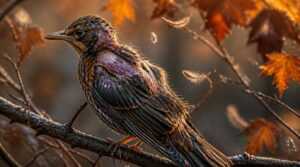
Autumn molt isn’t random — birds are responding to real biological cues that shift as the season changes. Several distinct forces drive this annual feather overhaul, from hormonal signals to the hard physical demands of flight. Here’s what’s actually pushing birds into molt each fall.
Fresh feathers also serve as surprisingly effective camouflage — irregular edges and speckled patterns help birds vanish against the forest floor.
Shorter Daylight Triggers Hormones
When days get shorter each autumn, your local birds don’t just feel it — their bodies respond to it like a biological alarm. Photoperiodic signaling kicks in as daylight dwindles, triggering a hormonal cascade that starts with melanopsin-containing retinal cells detecting reduced light and relaying that information directly to the brain.
Melatonin production cycles lengthen with the longer nights, signaling the hypothalamic-pituitary axis to shift the bird’s entire physiology. Thyroid hormone activity rises in response, supporting the increased cell turnover that feather synthesis demands. Meanwhile, circadian rhythm synchronization keeps this process locked to the actual calendar, so molt happens at the same time year after year.
| Light Signal | Hormonal Response |
|---|---|
| Shorter days detected | Melatonin rises with longer nights |
| Thyroid axis activates | Keratin synthesis increases for feather growth |
That’s why hormonal control of molt isn’t random — it’s a finely tuned, seasonal hormone regulation system built on light itself.
Preparing for Cold Weather
Autumn molt isn’t just about looks — it’s a bird’s version of winter preparation. As photoperiod shortens, birds replace thin, worn feathers with denser, better‑insulating plumage that traps body heat far more effectively.
That increased down production after the autumn molt acts like switching from a light jacket to a proper insulated layer, keeping core warmth where it matters most.
Replacing Damaged Feathers
Wearing feathers through an entire breeding season takes a real toll. By late summer, structural barb integrity has declined enough that aerodynamic efficiency drops noticeably — frayed barbules simply don’t interlock the way they should.
- Barbs split and weaken
- Insulation thins out
- Flight performance suffers
That’s why feather follicles push fresh growth now, replacing wear before winter demands peak performance.
Migration-ready Plumage
Think of fresh autumn feathers as a bird’s travel kit, packed and ready before the long journey south. Migration-ready plumage replaces worn, faded feathers with drab, sleek ones that reduce predation risk during flight.
Species like bobolinks and scarlet tanagers grow muted, aerodynamically efficient new feathers precisely timed to departure, so survival advantages and flight efficiency arrive together.
Energy Demands of Molting
Molting isn’t free. Your backyard birds are quietly running a biological construction project that pushes daily energy expenditure up by 10 to 40 percent, depending on species.
Molting birds run a silent biological construction project, burning up to 40 percent more energy just to rebuild their feathers
Metabolic rate spikes even at rest; protein gets diverted to keratin synthesis instead of fat storage, and thermal regulation becomes trickier as half-grown feathers insulate poorly. Foraging shifts toward richer, higher-energy foods to cover the deficit.
Common Autumn Plumage Changes
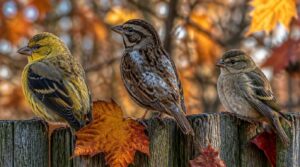
Autumn doesn’t just cool the air — it quietly rewrites the wardrobe of nearly every bird in your backyard.
What you’re seeing when plumage shifts isn’t random; it’s a precise, biology-driven process that plays out across feather types, age groups, and body regions.
Here’s those changes actually look like when they happen.
Bright Colors Turn Duller
Every summer, birds wear their colors hard — and by the time autumn arrives, UV exposure has quietly degraded the pigment molecules holding those bright hues together. Carotenoid pigments, responsible for vivid yellows and reds, simply fade under months of direct sunlight. Fresh molted feathers replace worn ones, but their keratin layers are less reflective, and structural color — that iridescent gloss — dims noticeably as new barbules develop with less microstructural complexity.
- Carotenoid pigment fading dulls yellows, oranges, and reds
- Structural coloration loss reduces iridescent gloss and shimmer
- Keratin layer changes make fresh feathers less light-reflective
- UV degradation breaks down pigment molecules in worn feathers
The result is nonbreeding plumage — softer, quieter, and honestly still beautiful if you’re paying attention.
Brown and Gray Camouflage
Those duller nonbreeding tones aren’t just faded color — they’re a strategy. Mottled brown and gray feathers blend effortlessly into autumn’s leaf litter and bark, making birds nearly invisible.
Fine speckles handle disruptive patterning tactics, breaking up body edges so predators can’t trace a clear silhouette against the forest floor’s chaotic textures.
Thicker Insulating Feathers
Camouflage gets a bird through autumn’s chaos, but warmth keeps it alive through winter’s depths. As days shorten, birds don’t just swap colors — they rebuild their insulation layer from scratch.
Each new feather grows denser, with longer barbules that interlock tightly, trapping micro air pockets close to the skin and pushing the plumage’s thermal R-value noticeably higher.
Juvenile Feathers Change
Young birds face a molt challenge adults don’t — they’re replacing natal down with true juvenile feathers while still learning to exist. These first real feathers grow sturdier, with a more resilient rachis and interlocking barbules that natal down simply can’t match.
Fledgling camouflage patterns — soft streaks and muted mottling — help them stay invisible during autumn’s most vulnerable weeks.
Wing and Tail Renewal
Wing and tail renewal takes it a step further than body feather replacement. During prebasic molt, birds shed and regrow flight feathers in a precise sequence — inner primaries first, working outward — so flight efficiency is never fully lost.
Fresh keratin restores feather symmetry and reduces aerodynamic drag, giving birds the maneuverability they’ll need heading into winter.
Birds With Seasonal Color Shifts
Some birds don’t just fade quietly into autumn — they pull off a complete costume change that can leave even experienced birders doing a double take. The shifts range from vibrant summer colors softening into earthy tones to pale winter whites appearing almost out of nowhere.
Here are five species whose seasonal transformations are worth watching for this time of year.
American Goldfinch Dulls
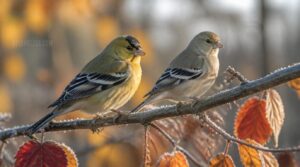
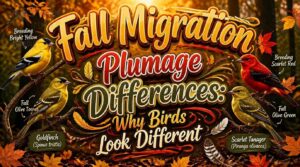
Few birds pull off a more dramatic seasonal makeover than the American Goldfinch. That blazing yellow you admire at summer feeders fades into soft olive tones come autumn, driven by dietary carotenoid loss in fresh feathers.
Males can look nearly female in overall tone — a social signal reset for winter. New feathers carry a brief satin sheen before settling into matte camouflage.
Scarlet Tanager Turns Olive
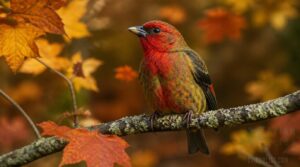
If you spot a Scarlet Tanager in autumn, looking almost unrecognizable, that’s red pigment fading at work. The male sheds his vivid scarlet body feathers and replaces them with olive-brown molting plumage, blending seamlessly into deciduous forest canopy.
This migratory color change reduces predator detection during long flights south, with patchy seasonal plumage patches visible mid-molt before the full olive camouflage settles.
Ptarmigan Gains Winter White
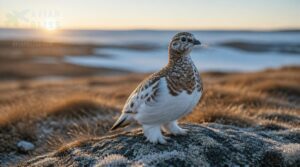
Few birds pull off a seasonal transformation as dramatic as the ptarmigan.
Come autumn, the Willow Ptarmigan swaps its brown summer feathers for pure white winter plumage, disappearing almost completely against Arctic tundra snowfields. Their feet even grow dense feathered "snowshoes," improving traction and thermoregulation on snow, while cutting predation risk wherever white and silence matter most.
Snow Bunting Softens Colors
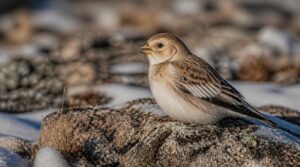
Snow Buntings don’t vanish into white like ptarmigan — they soften instead. In autumn, buff and rusty edging spreads across the head and mantle, muting the stark contrast between white underparts and dark dorsal feathers.
Even the bill lightens to yellowish-brown. This low-contrast winter plumage keeps them nearly invisible across snow, rock, and lichen, where sharp edges get you eaten.
Ducks Enter Eclipse Plumage
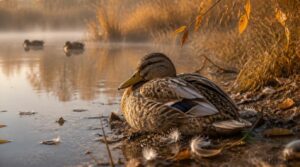
Male ducks pull off a clever disguise. After breeding season, drake eclipse plumage strips away vibrant colors, replacing them with dull brownish‑gray tones that closely mimic female plumage — reducing predation risk during their most vulnerable molt period.
A Mallard drake becomes almost unrecognizable. Flight remains largely intact through staged feather replacement, though vivid breeding colors won’t return for several weeks to months.
Watching Autumn Feather Changes
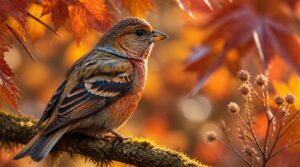
Autumn is one of the best times to slow down and really pay attention to the birds outside your window. A little know-how goes a long way when you’re trying to spot what’s actually happening during molt season. Here’s what to look for — and how to make the experience better for both you and the birds.
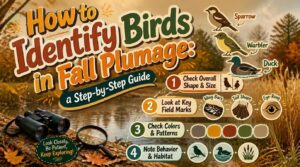
Look for Patchy Feathers
Autumn molt can turn a familiar bird into a puzzle.
Watch for patchy, irregular feathering — small bald gaps or mismatched tufts that signal active feather replacement. Newly grown feathers often appear duller or fuzzier than surrounding plumage, creating a patchwork of color contrasts.
This asymmetry is temporary; within weeks, fresh feathers fill in and the bird looks uniform again.
Note Changing Field Marks
Once you’ve spotted patchy areas, turn your attention to the finer details. Field marks shift during molt — wing bars may look narrower, facial markings can appear interrupted, and tail edges turn jagged where old and new feathers alternate.
Compare photos taken weeks apart, and you’ll catch changes invisible in a single glance, making seasonal plumage change a fascinating window into bird species identification.
Offer Nutritious Bird Food
While you’re tuning your eye to field marks, what’s happening inside those molting birds matters just as much.
Growing new feathers burns serious energy — resting metabolic rate climbs up to 30% during molt.
Stock your feeders with black oil sunflower seeds and nyjer for fat-dense fuel, and toss in dried mealworms to hit that 12–18% protein target that promotes healthy feather regrowth.
Keep Feeders Clean
Good food only goes so far if your feeders are spreading disease.
Clean feeders monthly using a 1:9 bleach-to-water solution, scrubbing ports and perches with a stiff brush. Rinse thoroughly, then air dry for 24 hours before refilling — moisture breeds mold fast.
- Remove spilled seed and hulls beneath feeders weekly
- Sanitize tools in a dedicated container, never indoors
- Log each cleaning to track patterns and catch problems early
Avoid Disturbing Molting Birds
Keeping feeders spotless matters, but what about the birds themselves? During molt, they’re running on fumes — feather replacement costs up to 30% more metabolic energy, leaving little reserve for stress.
Give molting birds space. Watch from a distance with binoculars, keep cats indoors, and resist the urge to approach birds with patchy, pin-feathered coats.
Frequently Asked Questions (FAQs)
Why are my bird’s feathers changing color?
Your bird isn’t broken — it’s transforming. Hormonal shifts triggered by shorter days drive molting, replacing worn feathers through seasonal adaptation, while dietary pigments and structural light refraction naturally alter how those fresh feathers appear.
How long does a complete autumn molt take?
For most songbirds, a complete autumn molt runs about four to six weeks. Smaller species finish faster; larger birds may take closer to two months.
Can birds fly normally while actively molting?
Not always. Most songbirds molt flight feathers gradually, keeping them airborne, while waterfowl replace all primaries at once, leaving them temporarily flightless and vulnerable to predators until new feathers grow.
Do all bird species molt at the same time?
No single schedule rules them all. Molt timing shifts by species, habitat, and hormonal cues. Tropical birds follow food cycles; temperate songbirds molt post-breeding; migratory species time feather renewal around flight demands.
Which feathers are shed and replaced first?
Head and neck feathers drop first, renewing insulation where heat escapes fastest. Primary flight feathers follow an inside-out sequence, preserving flight. Tail feathers wait until last, keeping steering intact throughout.
Does feather color vary by geographic region?
Yes—geographic variation in plumage is real, and it’s striking. Latitude color shifts bring warmer hues near the equator, elevation pigment effects mute tones at altitude, and dietary color variation shapes carotenoid intensity regionally too.
Conclusion
Nearly 3,000 feathers cover a typical songbird, and autumn replaces most of them within just a few weeks, a turnover few mammals could survive. That single number captures what bird feather changes autumn bring: not decoration, but survival engineering written in keratin.
Next time you spot a goldfinch fading to olive-brown, you’re not watching decline. You’re watching a bird quietly rebuild itself, feather by feather, against a season that shows no mercy to the unprepared.