This site is supported by our readers. We may earn a commission, at no cost to you, if you purchase through links.
A garden bird’s diet rarely gets much attention until something goes wrong. Toss out the wrong food and you risk harming the very creatures you’re trying to help.
Oats sits in an interesting middle ground—cheap, widely available, and genuinely nutritious, yet easy to prepare incorrectly. Raw oats pack around 12% protein and more fat than most common grains, making them a serious energy source, not filler.
The type you choose and how you serve them changes everything for your backyard visitors.
Table Of Contents
Key Takeaways
- Raw, dry oats are safe and genuinely nutritious for birds — delivering around 12% protein, slow-release carbohydrates, and key minerals like zinc and magnesium — but cooked or instant oats turn sticky and can harm beaks and crops.
- Different oat types suit different birds: rolled oats work for most backyard species, steel-cut and jumbo oats suit medium to large birds like doves and pigeons, and pinhead oats are ideal for small birds like robins and wrens.
- Winter is the best time to lean on oats, since birds burn far more calories staying warm and oats provide the steady energy density they need — but keeping them fresh, dry, and additive-free matters year-round.
- Ground feeders like blackbirds, thrushes, and chaffinches respond best when you scatter dry oats near hedges or on short lawn grass, giving them both food and the cover they need to feel safe while eating.
Can Birds Eat Oats?
Yes, birds can eat oats — and most backyard species genuinely benefit from them. Plain, dry oats deliver slow-release carbohydrates for steady energy, around 12% protein to support feather growth, and key nutrients like B vitamins, zinc, and magnesium. That’s a solid nutritional balance for a simple grain. Both uncooked rolled oats and whole oats are safe for wild birds.
The safety question hinges on preparation and hygiene. Raw oats are fine, but cooked oatmeal becomes sticky and can harden around a bird’s beak — so avoid it. Instant sachets are out too, as they often contain added sugar, salt, or flavorings harmful to birds. Feeder hygiene matters: damp oats mold quickly, creating serious health risks. Follow basic storage guidelines: keep oats dry, refresh them daily, and you’ll support birds effectively.
For a deeper look at which oat types work best by species, feeding birds oatmeal safely covers everything you need to get it right.
Types of Oats Safe for Birds
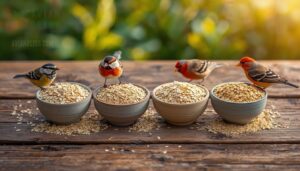
Not all oats are created equal, and the type you offer really does matter. The good news is that birds can safely eat several varieties — as long as they’re plain and dry.
Here are the four types worth knowing about.
Rolled Oats
Rolled oats — also called old-fashioned oats — are one of the easiest and most rewarding options for feeding oats to backyard birds. They’re minimally processed, which means oat oil stability stays intact, preserving the nutritional benefits of oats for birds longer.
Here’s why plain rolled oats work so well:
- Around 12% protein aids feather growth and muscle repair
- Complex carbohydrates provide steady, slow-release energy
- Minerals like magnesium, iron, and manganese aid metabolism
Offer raw oats dry on platform feeders. Prioritize airtight storage and moisture management to keep them fresh, and consider using squirrel-proof feeders to reduce waste.
Steel-cut Oats
Steel-cut oats represent a textural and structural upgrade from rolled oats. Also known as Irish oats or pinhead oats, they consist of whole groat pieces chopped by steel blades—without steaming or flattening. This minimal processing ensures superior shelf stability and preserves nutrients within a hearty, chunky grain.
| Feature | Steel-Cut Oats |
|---|---|
| Texture | Coarse, firm pieces |
| Cooking requirement | Longer cooking time needed |
| Bird Size Suitability | Best for medium to large birds |
| Nutritional benefits | High fiber, beta glucan, iron, zinc |
For wild birds, skip cooking entirely—offer them raw and dry. Doves, pigeons, and ground-feeding game birds adapt easily to the coarse texture. Even smaller finches can manage, though they may initially hesitate at the chunkier pieces.
Toasted oats enhance flavor with a nuttier profile, but plain uncooked steel-cut oats remain the safest option. Safe feeding practices for wild birds prioritize plain, additive-free grains—a standard steel-cut oats meet effortlessly.
Jumbo Oats
Jumbo oats are the largest rolled flake you’ll find, and their size is genuinely useful. Their slow absorption means they stay dry and loose on the feeder longer — a real win for bird nutrition and feeder suitability.
Blackbirds and thrushes love them scattered on the ground. Dry, raw oats with that slightly nutty flavor deliver solid nutritional benefits for avian species without any fuss.
Pinhead Oats
Pinhead oats are whole oat groats chopped into small pieces — no steaming, no flattening. That minimal processing preserves more oil and nutrients than plain rolled oats, giving birds a denser energy hit in every tiny piece.
Their texture advantages are real: the coarse, firm pieces don’t clump or stick like cooked oats can.
- Beak compatibility: Dunnocks, robins, and wrens handle them easily
- Nutritional benefits of oats for avian species: higher oil content than raw oats
- Storage recommendations: keep dry and airtight to prevent spoilage
Benefits of Oats for Birds
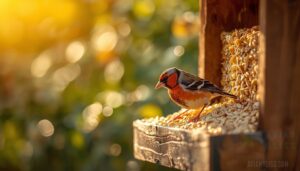
Oats aren’t just a cheap filler — they actually pack solid nutrition that birds can put to good use. From sustained energy to feather-building protein, there’s more to them than you might expect.
Here’s a closer look at the key benefits oats bring to the birds in your garden.
Rich in Slow-release Carbohydrates for Energy
Oats are one of the best cold-weather fuels you can offer at your feeder. Their fiber-driven metabolism slows digestion, enabling gradual glucose uptake instead of a rapid energy spike.
For small birds burning calories to stay warm, this slow energy release is critical. Plain rolled oats provide steady, glycemic-controlled fuel—precisely what foraging birds require during long winter days.
High in Protein and Fat Compared to Other Grains
In terms of grain nutrient comparison, oats genuinely stand apart from the crowd. A 45g serving delivers about 5.92g of protein — more than brown rice and on par with quinoa and buckwheat. That protein superiority matters because birds need amino acids for feather regrowth and muscle maintenance every single day.
Oats outshine most grains, delivering more protein per serving than brown rice to keep birds strong and feathered
Higher fat levels set oats apart even further. They’re the highest-fat common grain, which creates a real energy density boost — more calories per bite, less foraging effort.
Here’s what that balanced macro profile means in practice:
- Strong protein source for birds supporting feather and muscle repair
- High fat bird food like oats sustain energy between meals
- Nutritional content of oats for birds outpaces brown rice greatly
- Energy dense foods reduce how hard birds must work to stay warm
- Benefits of feeding oats to wild birds include consistent, reliable daily nutrition
Provide Vitamins and Minerals Like B Vitamins, Zinc, Magnesium
Protein and fat get the headlines, but the micronutrient density in oats is quietly just as impressive. Oats provide essential nutrients for birds, including B vitamins that support energy metabolism, zinc for immune defense, and magnesium for nerve and muscle function—all within a single grain.
| Nutrient | Amount per 100g | Bird Benefit |
|---|---|---|
| Thiamin (B1) | 0.76mg | Energy from food |
| Zinc | 3.97mg | Immune defense |
| Magnesium | 177mg | Nerve and muscle function |
| Iron | 4.72mg | Oxygen transport |
| Manganese | 3.63mg | Enzyme support |
This Trace Mineral Synergy ensures these micronutrients work together harmoniously, not in isolation, to deliver comprehensive nutritional benefits for avian health.
Birds That Eat Oats
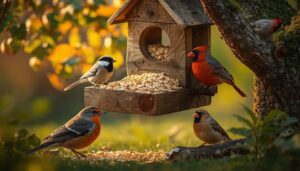
Oats appeal to a surprisingly wide range of backyard birds, from small seed-eaters to larger ground feeders. Not every species will show up at your feeder, but knowing which birds are most likely to visit helps you set things up right.
Here are the birds you’ll most commonly see enjoying oats.
Blackbirds
If you’ve ever watched a blackbird work your lawn at dawn, you already know how seriously these birds take breakfast. Common blackbirds (Turdus merula) are enthusiastic ground feeders, and raw porridge oats fit their dietary preferences perfectly. The safety of raw oats versus cooked oatmeal for birds matters here — always offer dry, uncooked oats, never sticky cooked ones.
- They prefer oats scattered directly on the ground or under hedges.
- Winter feeding aligns with their seasonal song patterns and higher energy needs.
- Territorial behavior means dominant males often feed first.
Can birds eat oats? For blackbirds, absolutely yes.
Finches
Finches are built for seeds — that short, conical bill isn’t just for show. It gives them the cracking power to handle plain rolled oats with ease.
Species like American Goldfinches and House Finches will visit platform feeders regularly when offered raw uncooked oats alongside their usual seed mix. The nutrient benefits of oats are particularly vital during demanding periods like moulting and nest construction, when protein and B vitamins are most critical.
Flock dynamics shift seasonally, so scattering oats in open spots that align with their habitat selection preferences can optimize feeder effectiveness.
Follow simple guidelines for offering oats: keep them dry, fresh, and additive-free to ensure safety and appeal.
Sparrows
Like finches, sparrows are natural seed-eaters — and plain rolled oats fit into their diet. House sparrows demonstrate impressive urban sparrow adaptation, thriving near buildings, hedges, and backyard feeders. Their sparrow social hierarchy ensures dominant males feed first, while sparrow population trends — such as the UK’s 71% decline since 1977 — underscore the importance of supplemental oat feeding for bird health.
To support sparrows effectively, follow these guidelines for offering oats at bird feeders:
- Offer dry oats on ground-level trays
- Scatter small handfuls to align with sparrow seasonal diet shifts
- Keep oats additive-free to support sparrow nesting preferences
- Refresh daily to prevent spoilage
Doves and Pigeons
Doves and pigeons are among the most rewarding birds to feed. Both belong to the family Columbidae** — over 300 species strong — and are classic granivorous birds built for ground foraging. Mourning doves, in particular, respond well to using plain rolled oats on feeding platforms or scattered directly on grass.
- Keep them dry and additive-free
- Support urban roosting birds with safe feeding practices for wild birds year-round
- Oats fuel crop milk production during nesting, supporting squab development naturally
Grouse, Partridge, and Other Game Birds
Game birds like grouse and partridge round out the picture nicely. These granivorous birds face real predation pressure in open habitats, so supplemental feeding near hedgerows and woodland edges — where habitat structure and nest concealment matter most — gives them a safe boost.
- Offer types of oats suitable for bird feeding: plain rolled oats on low platform feeders
- Support seasonal forage gaps during winter when vegetation thins
- Skip cooked oats entirely — sticky feed risks crop blockage
When to Offer Oats to Birds
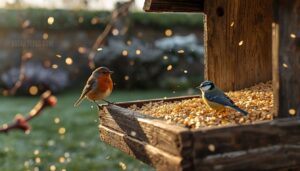
Oats aren’t just a cold-weather treat — they can work hard for your garden birds across every season. That said, timing your offerings does make a difference, and some moments call for oats more than others.
Here’s when it makes the most sense to put them out.
Any Time of Year
Oats work as a year-round supply for your garden birds — no special timing needed. Their seasonal appetite shifts, but plain dry oats fit right in, whether during spring nesting or autumn migration.
Climate adaptation becomes easier when birds have a reliable food source waiting. This consistency supports their survival across changing seasons.
Keep your maintenance routine simple: store oats dry, check feeders regularly, and continuous health monitoring will show you birds returning consistently.
Especially Beneficial in Winter for Energy and Warmth
Winter is when oats earn their place at your feeder. Birds burn substantially more calories to stay warm—a demanding process called thermoregulation. Oats provide complex carbohydrates that release energy steadily, helping birds endure cold mornings without crashes. This makes them a top energy-rich food when natural seeds are buried under snow.
Scatter dry oats as part of energy-boosting mixes alongside sunflower hearts or suet. These simple winter survival strategies make a real difference. Always use dry oats as safe bird food; snow-resistant feeding spots keep them fresh longer.
Preparing Oats for Birds
Getting oats ready for birds doesn’t take much effort, but a few simple steps make a real difference for their safety.
How you prepare and serve them matters just as much as which type you choose.
Here’s what to keep in mind before you head outside with that bag of oats.
Offer Raw, Uncooked Oats
The simplest rule? Keep them dry and plain. Using dry oats as safe bird food means no cooking, no seasoning — just the grain as nature made it. Uncooked oats retain their B vitamins, zinc, and magnesium, nutrients that support feather health and energy.
- Practice portion control — a small handful daily reduces waste and spoilage
- Store in airtight storage containers and perform regular mold inspections before each use
- Use squirrel-proof feeders and monitor bird health observations to catch problems early
Avoid Instant Porridge Pots or Sachets
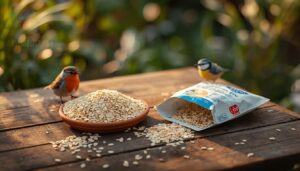
Flavoured instant oatmeal pots aren’t just unnecessary — they’re genuinely risky. A single sachet can pack around 16.8g of Added Sugar and Hidden Salt that damage a bird’s kidneys over time.
These Unnecessary Additives, plus Extra Cost and Packaging Waste, make them a poor swap for plain dry oats. Always choose uncooked oats.
Cooked oats and wet versions cling to birds’ beaks and cause choking.
Can Be Mixed With Other Ingredients for a Pudding
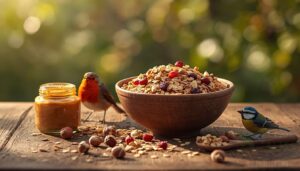
Plain oats become a proper homemade bird food recipe when you mix them with a few safe extras. Think of it as building a balanced plate — each addition earns its place.
- Fruit add-ins — sultanas or dried cranberries add quick energy
- Nut boosts — finely chopped hazelnuts raise calorie density
- Seed enrichments — sunflower hearts blend in easily and attract more species
- Binder options — unsalted peanut butter holds everything together
Texture tweaks matter too — keep the mix loose, not sticky, so birds can pick it apart safely.
Put Out Fresh Daily
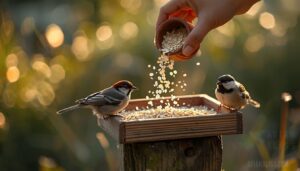
Stale oats don’t just go to waste — they can genuinely harm the birds you’re trying to help. A simple morning refill keeps things safe.
Match your portion control to what birds finish in one day, then clear the rest. Moisture management matters too — clumped or wet oats signal spoilage.
| Daily Task | Why It Matters | Quick Tip |
|---|---|---|
| Morning refill | Birds feed early; fresh food is ready when they arrive | Offer a small handful only |
| Feeder cleaning | Old residue contaminates plain unflavored and unsweetened oats | Wipe down surfaces daily |
| Weather checks | Rain turns oats soggy fast | Reduce portions before wet days |
Feeding Ground-Feeding Birds
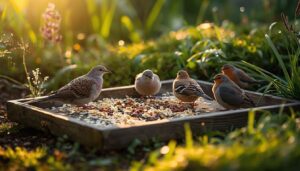
Ground-feeding birds like thrushes, doves, and chaffinches won’t visit a hanging feeder — they need food at their level. The good news is that oats work really well for this style of feeding, paired with a few other ingredients.
Here are some simple ways to set up a ground spread they’ll actually use.
Mix of Rolled Oats, Sultanas, Muesli, Sunflower Hearts, Hazelnuts
A simple fruit-nut balance works really well for ground feeders. Combine these safe foods for wild birds into one energy-dense snack:
- Mix equal parts rolled oats and plain muesli as your carbohydrate base
- Add 25% sultanas for natural sugar and nutrient synergy with the grains
- Stir in sunflower hearts and chopped hazelnuts for healthy fats
- Scatter fresh portions daily—seasonal ingredient swaps keep it interesting
For mix storage tips, keep unused portions in an airtight container to protect bird health.
Put Under Hedges and Borders for Shy Species
Once your mix is ready, placement matters just as much as ingredients. Scatter dry oats and seed mix near hedge bases—hedge proximity provides shy species like wrens and robins with critical cover density for predator avoidance. That quick dash to safety is vital.
Hedges offer layered benefits beyond shelter. Features like dense base growth and seasonal microclimates create safe foraging zones and winter warmth, while layered border planting ensures birds can feed confidently within a short sprint of supplemental oats.
| Hedge Feature | Bird Benefit | Why It Works |
|---|---|---|
| Dense base growth | Predator avoidance | Hides ground-feeding birds while foraging |
| Seasonal shelter | Microclimate warmth | Blocks wind, retains heat in winter |
| Layered border planting | Confident feeding | Cover within a short dash of supplemental oat feeding for bird health |
Sprinkle on Lawn for Thrushes and Chaffinches
Once you’ve covered the hedge borders, move your attention to the open lawn. Short grass is ideal—it gives birds a clear view of predators while they feed. Scatter dry oats in small portions across the lawn each morning for optimal feeding times.
Song thrushes and chaffinches are regulars on open grass and respond well to lawn placement. Here’s what you might spot:
- Song thrushes methodically hopping across short grass, picking up oats and seed mix
- Chaffinches pecking at scattered dry oats between grass blades
- Redwings visiting in winter as part of seasonal feeding strategies for ground-feeding birds
- Fieldfares arriving in small flocks during cold snaps
- Blackbirds cautiously working the edges for supplemental oat feeding to support bird health
Keep portions small and remove anything damp—moisture control keeps the feed safe and promotes bird nutrition and health. Predator protection comes naturally with good grass height and open sightlines.
Soaking Oats
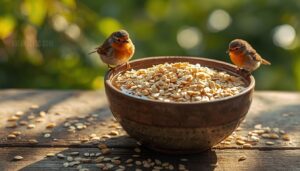
Soaking oats is one of those small steps that can make a real difference for certain birds.
Not all oats are the same, and the type you choose affects how well soaking actually works.
Here’s what you need to know before you try it.
Naked Rolled Oats Are Less Refined Than Porridge Oats
Naked rolled oats go through fewer processing steps than standard porridge oats. Regular oats require husk removal before milling, but naked oats naturally lack that outer husk—so they skip that stage entirely.
The result is a grain closer to its original form, with better nutrient retention, including natural oils and B vitamins. That texture contrast is noticeable too: slightly coarser, less flattened.
For bird feeding, this minimal processing makes naked rolled oats one of the better choices for delivering the full nutritional benefits of oats for feathered friends.
Contain More Oil
That minimal processing also means the natural oils stay intact. Naked rolled oats carry noticeably more fat than standard porridge oats—and that matters for energy density. One supplier lists rolled porridge oats at 415 kcal per 100g, while higher-oil naked varieties push that figure further still.
Their fatty acid profile is rich in linoleic acid, an unsaturated fat that enhances feather condition and fuels cold-weather activity. This Winter Calorie Boost, combined with strong digestibility benefits, makes them genuinely useful energy-rich foods for birds year-round.
- Higher oil content than wheat or standard oats
- Linoleic acid enhances feather health naturally
- Oil stability keeps nutrients intact when stored correctly
- Mirrors the nutrient composition of oats in their least-processed state
- Rivals high-fat bird foods like sunflower hearts in energy-dense food value
Soaked Oats Can Feed Young Birds
Soaked oats are genuinely useful when aiding young birds through their first weeks of independent feeding. The soft texture benefits fledglings most — their beaks and throat muscles aren’t fully developed yet, so hard flakes can be difficult to manage.
Drain the water well first, then serve fresh in a shallow dish. Remove leftovers the same day; mold prevention matters more with wet food.
| What It Does | Why It Matters |
|---|---|
| Softens grain texture | Easier for fledglings to swallow |
| Adds a hydration boost | Aids digestion in dry spells |
| Allows parent feeding behavior | Adults carry soft food to the nest |
| Shallow dish feeding works best | Young birds can reach food easily |
| Supplemental oat feeding for bird health | Pairs well with insects and fruit |
Useful in Dry Weather
When natural water sources dry up, soaked oats quietly do double duty — delivering both nutrition and moisture to birds that need it most. That’s a genuine bonus at dry-weather feeder sites where puddles have vanished.
Here’s how to make it work:
- Drain excess water before serving to avoid soggy clumping
- Use rain-shielded trays and strategic ground placement to keep feed accessible
- Offer limited daily portions — a small handful prevents waste and spoilage
- Store unused soaked oats in airtight oat storage, refrigerated up to three days
- Mix with sunflower hearts for richer supplemental oat feeding for bird health
Available From Suppliers Like Vine House Farm
For top-quality naked rolled oats, Vine House Farm is worth knowing about. Based in Lincolnshire, this conservation-award-winning farm grows UK-grown oats directly on-site, keeping food miles low and quality high.
You can order online with free next-day delivery, or visit their farm shop seven days a week.
Here’s what makes them a reliable choice for safe feeding practices for wild birds:
- Farm shop availability with both small and bulk feed options
- Sustainable packaging using paper-based materials
- UK-grown oats with higher oil content than standard porridge oats
- Naked rolled oats ideal for soaking and ground feeding
- Expert guidelines for offering oats at bird feeders included
Frequently Asked Questions (FAQs)
Can birds eat porridge oats?
Here’s the twist — porridge oats are perfectly fine for birds, just not the cooked kind. Stick to plain uncooked porridge oats.
Cooked oats create sticky hazards that can harden around a bird’s beak.
Do birds eat oats?
Yes, birds can eat oats. Many seed-eating and ground-feeding species take them readily.
Plain, uncooked oats are safe and nutritious — just keep portions small and practice good feeder hygiene to avoid mold risk.
Can birds eat instant oatmeal?
Birds shouldn’t eat instant oatmeal. Sugar additives, preservatives, and lactose issues make it risky. Sticky residue can coat beaks.
Offer only a limited portion of plain, dry rolled oats instead.
What animals eat oats?
Many animals eat oats. Farm livestock like horses, cattle, and sheep rely on them as a core feed grain.
Wild mammals such as deer, squirrels, and rabbits forage oats whenever they’re available.
Is it safe to feed oats to birds?
Plain, dry oats are safe for birds — just skip anything cooked, flavored, or salted. Moisture hazards, additive avoidance, and mold prevention are your key concerns. Keep it raw, plain, and fresh.
What should you not put out for birds?
When in doubt, leave it out.
Skip salty snacks, moldy food, human sweets, raw kitchen foods, and treated seeds — all dangerous foods that risk food toxicity for birds or cause serious harm.
How do I prepare oats for birds?
Scatter plain, dry rolled oats on a clean platform or ground feeder. Skip cooking — raw oats won’t stick to beaks. Mix with suet or seeds for extra variety.
What are you not supposed to feed birds?
Oats are a great choice, but some foods can seriously harm birds.
Avoid avocado, chocolate, onions, garlic, salty snacks, moldy bread, raw beans, and anything with artificial sweeteners — these cause poisoning, organ damage, or death.
Can birds eat uncooked oats?
Yes, birds can eat uncooked oats. Dry oats are easier to digest, and raw oats retain their nutrients better.
Cooked versions turn sticky, raising crop health risks and feeder contamination concerns.
Can squirrels eat oats?
Good news — squirrels and oats go hand in hand. Plain rolled oats are safe, nutritious, and easy to offer.
Just keep portions small, skip flavored varieties, and always use a squirrel-proof feeder.
Conclusion
Birds are often assumed to need elaborate, expensive feeds—but can birds eat oats and thrive on something so simple? The evidence says yes. Raw rolled or pinhead oats deliver real protein, fat, and slow-release energy, genuinely nourishing birds through cold nights and busy breeding seasons.
Served fresh, dry, and free from additives, oats earn their place at any feeder. Their simplicity and accessibility make them an ideal choice for bird care.
Sometimes the most effective solution is also the most straightforward one sitting in your kitchen cupboard.
- https://homeandroost.co.uk/blogs/garden-birds/can-birds-eat-porridge-oats
- https://birdbeyond.com/do-birds-eat-oats/
- https://enviroliteracy.org/why-put-oatmeal-in-bird-feeders/
- https://parrotessentials.co.uk/blog/can-parrots-eat-oats-everything-you-need-to-know
- https://linkinghub.elsevier.com/retrieve/pii/S0032579119352654