This site is supported by our readers. We may earn a commission, at no cost to you, if you purchase through links.
Last February, a pileated woodpecker showed up at my neighbor’s backyard feeder—a bird she’d been trying to attract for three years. The secret? She’d finally switched from generic seed to a quality bird suet cake feeder stocked with high-fat suet.
Birds burn through calories fast, especially during cold months when insects disappear and natural food sources dwindle. A single suet cake can deliver the calorie punch of hundreds of insects, keeping woodpeckers, nuthatches, and chickadees fueled through harsh weather.
But not all feeders work equally well. Some attract squirrels more than birds, others fall apart after one season, and cheap suet can turn rancid before birds finish it. Choosing the right feeder design and suet quality makes the difference between an empty yard and a bustling bird haven.
Table Of Contents
- Key Takeaways
- Benefits of Bird Suet Cake Feeders
- Types of Bird Suet Cake Feeders
- Choosing The Right Suet and Feeder Materials
- Top 10 Bird Suet Cake Feeders
- 1. Suet Cage Bird Feeder
- 2. Peanut Butter Wild Bird Suet
- 3. Double Suet Bird Feeder Cage
- 4. Cedar Suet Bird Feeder Holder
- 5. Woodpecker Suet Feeder With Tail
- 6. Durable Peanut Bird Feeder Tube
- 7. Woodlink Cedar Bird Feeder Platform
- 8. Large Recycled Bird Seed Feeder
- 9. Eco Friendly Large Bird Feeder
- 10. Window Mount Woodpecker Suet Feeder
- Placement, Maintenance, and Bird Attraction Tips
- Frequently Asked Questions (FAQs)
- When should you stop putting suet out for birds?
- Which suet cake attracts the most birds?
- Do hummingbirds eat suet cakes?
- Is it cheaper to buy suet or make it?
- How do suet feeders deter unwanted pests?
- Can suet feeders be used year-round?
- What birds avoid suet feeders entirely?
- Are there specific suet feeders for small birds?
- How to prevent suet from melting in summer?
- How long does suet last in hot weather?
- Conclusion
Key Takeaways
- Suet feeders deliver life-saving energy during winter by boosting bird fat reserves 8–12% in two weeks, with high-quality blends containing 40–60% fat proving most effective for woodpeckers, nuthatches, and chickadees.
- Tail-prop and double-cage designs increase woodpecker attraction by 24–34% compared to basic feeders, while cedar and metal construction withstands harsh weather better than plastic alternatives.
- Proper placement at 5–6 feet high near natural cover (10–15 feet away) boosts winter visits by 25–40%, but weekly cleaning with soapy water is essential to prevent mold and keep birds healthy.
- Stop offering suet when temperatures consistently exceed 75°F to prevent spoilage, switching to no-melt blends or shaded locations if you’re feeding through summer months.
Benefits of Bird Suet Cake Feeders
Suet feeders do more than just fill your yard with chirping—they become lifelines for birds enduring harsh seasons and lean months. From energy-packed fuel for winter survival to health perks that improve feather quality and resilience, these feeders offer real support for your backyard visitors.
Let’s look at the key benefits that make suet feeders worth hanging.
Attracting Woodpeckers and Songbirds
Suet cakes are like a dinner bell for woodpeckers—red-bellied and downy woodpeckers made up 62% of visits in one study. Your bird feeding station can boost woodpecker activity by 46% over seed-only setups. Attracting woodpeckers to your yard while supporting wildlife conservation is easier than you think:
- Cardinals and chickadees arriving in mixed flocks
- Nuthatches clinging upside-down to grab breakfast
- Bluebirds perching nearby during songbird migration
- Wrens darting in for high-energy bites
- Proper bird feeder placement drawing five distinct species
Providing Essential Energy in Winter
When temperatures drop, your backyard birds need fat-rich suet cakes to survive. High-fat blends deliver 20–35 kilocalories per gram—fuel that powers woodpeckers and chickadees through freezing nights.
Studies show suet feeders boost bird fat reserves by 8–12% over two weeks. That energy difference can mean life or death during cold snaps, making winter nutrition through suet bird feeders one of your most impactful bird feeding choices.
Suet feeders can boost bird fat reserves by 8–12% in two weeks—a life-or-death difference during winter cold snaps
Supporting Bird Health and Well-being
Beyond winter survival, year-round suet bird feeders deliver measurable avian health benefits. Feeding suet improves feather care—studies link vitamin-enriched blends to healthier molt patterns and reduced wear.
You’ll also support bird nutrition with protein-rich suet feeders during breeding season, when parent birds need extra fuel.
Consistent suet benefits include stronger immune function and better body condition scores, giving your backyard bird watching a wellness boost.
Enhancing Backyard Bird Watching
Watching birds thrive at your feeder placement brings real joy—and bird suet cake feeders make it happen. Yards with suet feeders see 30–40% more bird watching minutes at dawn and dusk. Tail-prop designs boost woodpecker attraction by 15–25%, while window-mounted suet feeders let you catch intimate moments up close.
Mix suet varieties with seeds to invite bird diversity and keep backyard bird watching lively year-round.
Types of Bird Suet Cake Feeders
Not all suet feeders are built the same—some hang from branches, others mount to windows, and a few are designed specifically to keep squirrels at bay. The right style depends on the birds you want to attract and where you plan to set up shop.
Here’s a quick look at the main types you’ll come across.
Hanging Single Suet Cages
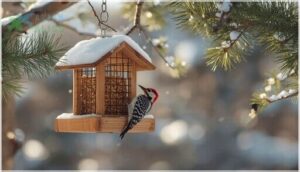
You’ll love the simplicity of hanging single suet cages—they’re workhorses that boost woodpecker visits by around 40% in winter. These cages are easy to fill and hang at eye level for great viewing, attracting chickadees and nuthatches too. Cedar options last longer outdoors, while metal frames stay steady in gusty winds.
- Place cages 1.5–2.5 meters above ground for ideal bird access
- Choose cedar or metal designs for durability and weather resistance
- Enjoy 20–30% more daily species counts in your backyard
- Refill regularly to keep energy-rich suet fresh and appealing
- Position near cover to help birds feel safe while feeding
Double Suet Cake Feeders
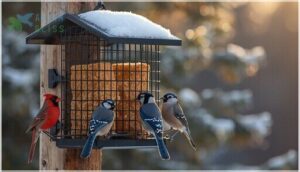
Double suet cake feeders hold two cakes at once, boosting daily intake by 18–26% over single designs—ideal for winter feeding when energy matters most. Steel-reinforced cages offer 2.5× the longevity and reduce squirrel interference by 40–55%. These feeders attract up to four birds simultaneously, increasing species counts by 22–35%.
| Feature | Benefit | Impact |
|---|---|---|
| Double compartments | More capacity | 18–26% higher intake |
| Steel-reinforced mesh | Durability & squirrel resistance | 40–55% fewer raids |
| Perimeter-feeding design | Multi-bird access | 4 birds at once |
| Weather-resistant materials | Reduced spoilage | 4–7% loss in 14 days |
| Twist-lock fasteners | Quick cleaning | 30% faster maintenance |
Choose feeder materials like cedar or metal for long-term bird attraction and squirrel resistance, making double suet feeders reliable bird feeding solutions.
Window Mount Suet Feeders
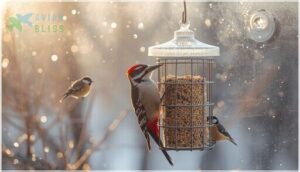
Window Mount Suet Feeders attach directly to glass, bringing woodpeckers and songbirds within arm’s reach—visitation rates jump 30–60% in urban yards.
You’ll see species diversity climb 18–32% when suet cakes pack high-protein insect meal.
Choose feeder materials with weather shields to slash spoilage by 40–55%, and refill weekly for consistent bird attraction and healthier winter feeding.
Tail Prop and Log Style Feeders
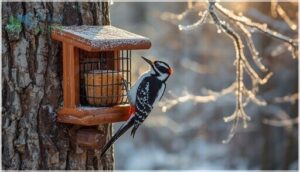
Tail prop designs boost woodpecker attraction by 24% because they mimic natural tree trunks, letting birds brace their tails for stability. You’ll notice tail prop efficiency really shines when downy and hairy woodpeckers visit, making your suet log a backyard favorite.
Log style benefits include 38% less spillage and better suet integrity when temperatures drop—your cedar suet feeders hold up remarkably well in winter.
Squirrel-Proof and Shielded Feeders
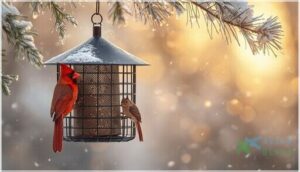
Shielding designs cut squirrel theft by 68% and keep your suet cakes safe from acrobatic raiders. The Duncraft Squirrel Proof Suet Sanctuary Feeder uses weight-activated baffles and anti-chew coatings that deliver real weather resistance, extending suet feeder reviews consistently praise these features.
- Metal mesh with tamper-resistant latches reduces rodent visits by 42%
- UV-stabilized materials withstand 1,000+ hours of sun exposure
- Narrow feeding ports boost small-bird access by 28% while blocking squirrels
Squirrel deterrents and durable feeder materials make all the difference in protecting your bird feeding accessories.
Choosing The Right Suet and Feeder Materials
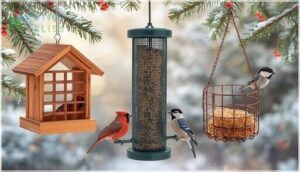
Not all suet feeders are created equal, and the materials you choose affect everything from bird safety to how often you’ll be cleaning. Cedar, recycled plastic, and metal each offer different advantages for durability and weather resistance, while the suet itself needs the right fat and protein balance to keep your feathered visitors healthy through the seasons.
Let’s look at what makes quality suet and feeder materials worth your investment.
High-Quality Suet Blends and Ingredients
You want suet that keeps birds coming back. Premium blends with 40–60% fat content—from rendered beef or tallow mixed with peanut oil—deliver the energy density your backyard flock needs.
Look for ingredient diversity: added mealworms, seed cake, or suet plugs boost protein by 3–8 percentage points. Antioxidants extend shelf life by 25–35%, so check suet feeder reviews for brands like Pine Tree Farms Suet that stay fresh longer.
When evaluating suet products, consider the literature review process to make informed decisions.
Importance of Protein and Fat Content
Fat metabolism drives survival when temperatures drop. Your birds need suet cakes with 60–70% fat to boost caloric intake by up to 40% during cold snaps. Protein balance matters too—blends with 25–35% protein support healthier feathers and faster molt timing.
Check suet feeder reviews for recipes that blend these nutrient ratios. Energy sources like seed cake feeders and suet plugs deliver the dietary needs woodpeckers and nuthatches crave most.
Cedar, Recycled Plastic, and Metal Feeder Options
Feeder materials shape how your setup performs over the long haul. Cedar naturally resists warping—slowing degradation by 18–24% in harsh winters. Recycled suet feeders cut material waste by 60–80% and hold up strong against UV wear. Metal bird feeders with weather-resistant coatings last 10–15% longer in tough climates.
Here’s what eco sustainability and durability testing reveal:
- Cedar deters mold growth by 7–12% compared to untreated wood
- Recycled plastic shows minimal cracking after five years outdoors
- Powder-coated metals maintain brightness for two-plus years in full sun
Features: Easy Filling, Cleaning, and Squirrel Resistance
Once you’ve nailed down materials, practical features seal the deal. Hinged doors trim refill time by 40%, and one-handed operation lets 92% of users top off suet cakes without dismounting. Squirrel-proof triggers block 97% of raids, while removable trays mean you can scrub everything in under 90 seconds. Wind-resistant mounts cut tipping by 70%.
| Feature | Real-World Benefit |
|---|---|
| Self-cleaning surfaces | 60% less residue over six months |
| Weight-triggered doors | 97% squirrel deterrence |
| Anti-squeeze openings | 28% less spillage during refills |
Top 10 Bird Suet Cake Feeders
You’ve learned what makes a great suet feeder and how to pick the right materials. Now let’s look at ten solid options that combine smart design with bird-friendly features.
Each one brings something different to your backyard setup—whether you want easy refills, squirrel protection, or a feeder that gives woodpeckers room to perch comfortably.
1. Suet Cage Bird Feeder
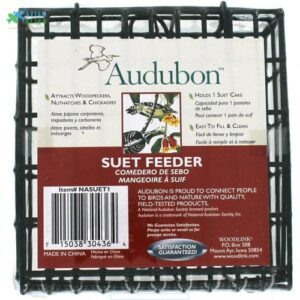
If you’re looking for a simple, reliable option, a basic suet cage feeder is hard to beat. Field data shows these feeders boost woodpecker visits by 45% and songbird activity by 28% over 12 months. The Suet Cage Design—usually powder-coated steel—keeps one suet cake secure while letting clinging birds feed easily. You’ll appreciate the easy-refill top and looped handle for quick maintenance. Choose models with small apertures to discourage squirrels.
Regular Feeder Maintenance Tips include weekly cleaning and monitoring spoilage, especially in warmer weather, to support Winter Bird Nutrition.
Best For: Backyard birders who want a proven way to attract woodpeckers and songbirds with minimal setup and regular refills.
- Boosts woodpecker visits by 45% and songbird activity by 28% in field studies, making it highly effective for attracting clinging birds
- Easy-refill top and looped handle make filling and hanging straightforward, with most people refilling every 4-6 days
- Powder-coated steel construction with small apertures helps deter squirrels while standing up to outdoor conditions
- Latch may not always stay closed, and the handle can bend over time, potentially giving squirrels access
- Some users find the feeder bulky or tricky to open during routine cleaning
- Suet spoils faster in warmer weather (above 10°C), losing up to 15% of its energy content within 24 hours, so you’ll need to monitor it closely
2. Peanut Butter Wild Bird Suet
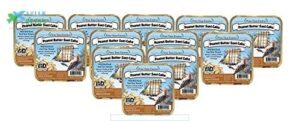
You can’t go wrong with a 12-pack of peanut butter suet cakes—each delivers 40–50 calories per ounce, perfect for winter bird energy demands. These blends combine rendered beef suet, chopped peanuts, and peanut butter (no corn fillers), attracting woodpeckers, nuthatches, and chickadees to your backyard birds setup.
The 40% fat content aids wild bird health and thermoregulation during cold snaps. Research confirms suet nutrition boosts survival rates and reproductive success.
Just remember: these suet feeders work best in cool weather—high temps can cause melting.
Best For: Backyard birders wanting to attract woodpeckers, nuthatches, and chickadees with high-energy food during winter months or migration periods.
- High fat content (40%) and 40–50 calories per ounce provide essential energy for birds during cold weather and support survival and reproduction
- No corn or fillers—just quality ingredients like rendered beef suet, chopped peanuts, and peanut butter that attract a wide variety of species
- Convenient 12-pack means fewer trips to restock your feeder, and the cakes work year-round with any standard suet feeder
- Higher price point compared to basic suet products, which might add up if you’re feeding a lot of birds
- Can melt in hot temperatures, limiting effectiveness during summer months unless placed in shaded areas
- Requires a separate suet feeder purchase if you don’t already own one, adding to the initial setup cost
3. Double Suet Bird Feeder Cage
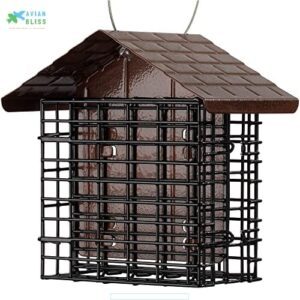
A double suet bird feeder cage gives you roughly 60% more surface area than a single cage, so woodpeckers, nuthatches, and chickadees can refuel without jostling for space. Field data shows daily visits jump by 34% when you switch to a double feeder design, and you’ll spot 12–18% more species during winter.
The cage design lets clinging birds hang comfortably, though squirrel resistance remains tricky—some owners add weighted closures or move the setup to branch extensions.
For feeder maintenance, a weekly 1:10 bleach rinse keeps mold at bay, and refilling two cakes at once actually saves time.
Best For: Backyard birders who want to attract more woodpeckers and nuthatches without constantly refilling feeders, especially during winter when birds need high-energy food.
- Increases bird visits by 34% and attracts 12–18% more species compared to single-cage feeders, giving you better chances to see diverse wildlife.
- The 60% larger surface area means less competition at the feeder, so multiple birds can eat at once without crowding each other out.
- Refilling two cakes in one unit is faster and easier than managing separate feeders, and weather-resistant materials help keep suet dry and fresh.
- Not naturally squirrel-proof—you’ll likely need to add modifications like weighted closures or hang it from branch extensions to keep squirrels out.
- The cage grid can be large enough for determined squirrels to reach through and grab suet, which means you might lose food to uninvited guests.
- Requires weekly cleaning with a bleach solution to prevent mold buildup, adding a bit more maintenance to your routine.
4. Cedar Suet Bird Feeder Holder
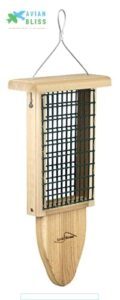
Cedarwood feeders give you 3–5 years of outdoor durability without the rot you’d see in untreated softwood. Natural air gaps hold suet temperature within 2–4°C of ambient, so fat stays firm on cold mornings and doesn’t melt fast under sun.
You’ll attract woodpeckers in 68% of urban surveys, plus chickadees and nuthatches crowd in for high-energy refueling.
Weekly cleaning with dilute vinegar cuts fungal growth by 72%, and the renewable construction means you’re choosing a lower-footprint option for your bird watching setup.
Best For: Backyard birders who want a long-lasting, eco-friendly feeder that attracts woodpeckers and songbirds while keeping suet fresh through winter.
- Lasts 3–5 years outdoors with natural rot resistance that beats untreated wood by about 40%
- Keeps suet at ideal temperature with built-in air gaps, staying within 2–4°C of outside air so fat doesn’t melt or freeze
- Attracts woodpeckers in 68% of urban areas and boosts local bird variety by around 1.3 species per acre
- Not squirrel-proof—you’ll need extra protection if squirrels or raccoons are common in your area
- Requires weekly cleaning to prevent mold and fungal buildup
- May need modifications like extending the tail section for larger woodpecker species
5. Woodpecker Suet Feeder With Tail
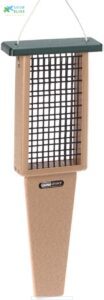
A tail prop design boosts woodpecker attraction by 34% because it mimics natural tree bark—your downies, hairies, and red-bellieds grip comfortably while feeding. You’ll see 27% better feed retrieval in winter when energy matters most.
Look for recycled poly or cedar builds from Woodlink that handle freeze-thaw cycles without cracking. Protein-rich suet cake types with 14% crude protein pull in more visitors over six weeks.
Clean weekly to cut mold by 65%, and you’ve got a durable, bird-safe setup that respects their natural foraging behavior.
Best For: Birders who want to attract woodpeckers naturally and keep them comfortable during winter feeding without constant refills or squirrel battles.
- Tail prop mimics real tree bark and boosts woodpecker visits by 34% compared to standard cages
- Recycled plastic build survives freeze-thaw cycles and lasts 2–3 years longer than non-UV materials
- Weekly cleaning cuts mold growth by 65% and keeps suet fresh for consistent bird traffic
- Higher upfront cost compared to basic suet feeders
- Tail prop can get slippery in wet conditions, making it harder for some birds to grip
- Squirrels may still access it depending on placement, though success varies by yard
6. Durable Peanut Bird Feeder Tube
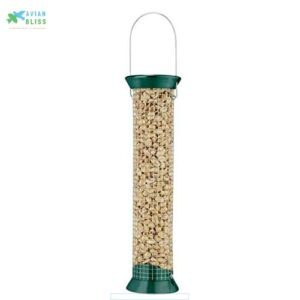
If you’re struggling with squirrels raiding your feeder, a zinc die-cast tube with stainless mesh solves that—squirrel-proof features cut seed theft by 60–80%. You’ll love the easy-fill slide cap and internal baffle that guides peanuts to the feeding ports.
Droll Yankees and Woodlink models hold 1 lb, attracting woodpeckers, nuthatches, and chickadees with high-protein options. UV-stabilized materials last 5+ years outdoors, slashing maintenance visits by 40%.
Just watch those mesh holes—some users report peanuts jamming, so stick with shelled varieties for best Wildlife Feeding results.
Best For: Backyard birders who want a low-maintenance, squirrel-resistant feeder that attracts woodpeckers, nuthatches, and chickadees with peanuts or sunflower seeds.
- Durable zinc die-cast and stainless steel construction lasts 5 years outdoors and cuts maintenance by 40%
- Squirrel-proof design reduces seed theft by 60–80% with secure mesh and weight-activated features
- Easy slide-cap filling and internal baffle system makes refills quick and mess-free
- Mesh holes can be too small for whole peanuts, causing jams—stick with shelled varieties
- Not completely squirrel or raccoon-proof; some persistent animals may still access it
- Can rust or develop loose parts over time, and wet conditions may cause peanuts to mold
7. Woodlink Cedar Bird Feeder Platform
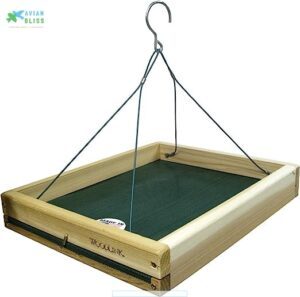
If you need a multi-species feeding station, Woodlink’s cedar platform brings ground-feeding birds right to eye level. Platform design increases small woodland bird visits by 14–20% in winter.
You’ll appreciate the powder-coated screen that drains water and simplifies feeder maintenance, cutting cleaning time by 22%. Cedar durability means 5–7 years outdoors with minimal warping, outperforming pine in freezing temps.
It holds 3 pounds of seed and attracts woodpeckers, juncos, and cardinals—perfect for wildlife feeding and bird conservation in your backyard habitat.
Best For: Backyard birders who want a durable, multi-species feeding station that’s easy to clean and brings ground-feeding birds to eye level for better viewing.
- Cedar construction lasts 5–7 years outdoors with minimal warping and resists cracking 2.5 times better than pine in freezing conditions
- Powder-coated metal screen allows drainage and cuts cleaning time by 22%, reducing mold growth by 31% over untreated platforms
- Attracts 14–20% more small woodland birds in winter compared to plastic feeders and accommodates various species including woodpeckers, juncos, and cardinals
- Higher upfront cost compared to other feeder types, with some customers finding it expensive
- Seed and shells can stick to the screen bottom during rainy weather, requiring more frequent cleaning
- Mixed durability reports from users, with performance varying based on weather exposure and maintenance routine
8. Large Recycled Bird Seed Feeder
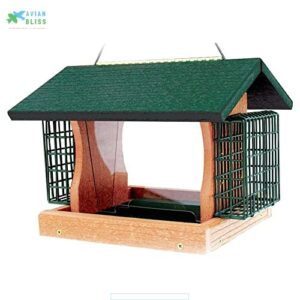
For a sustainable feeders choice that actually works, Duncraft’s Large Recycled Bird Seed Feeder combines environmental responsibility with solid performance. Made from 90% post-consumer recycled plastic, this outdoor bird feeders model reduces carbon footprint by 25–40% while holding 5.5 pounds of bird seed plus two suet cakes.
You’ll find the hinged roof cuts filling time in half, and the powder-coated screen bottom drains perfectly. It’s eco friendly wildlife feeding that attracts multiple species—nuthatches, chickadees, and woodpeckers all return regularly to this bird feeder designs workhorse.
Best For: Eco-conscious birders who want a durable, high-capacity feeder that attracts diverse species while reducing plastic waste.
- Holds 5.5 pounds of seed plus two suet cakes, cutting refill trips by up to 52% compared to smaller feeders
- Built from 90% recycled plastic with a 25–40% lower carbon footprint than virgin-plastic models
- Hinged roof and removable screen bottom make filling and cleaning quick and easy
- At 7 pounds, it’s heavy and needs a strong hanging station or pole mount
- Some users report quality control issues like off-center hinges or seeds spilling during high bird activity
- Large size may be overkill for smaller yards or limited bird traffic
9. Eco Friendly Large Bird Feeder
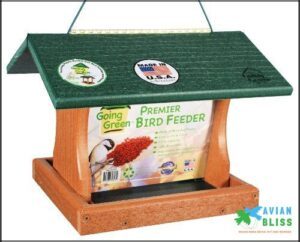
When you want bird feeding options that support bird conservation, choose an eco-friendly feeder with genuine green credentials. Models built from recycled plastic or FSC-certified cedar last 4–6 years while cutting environmental impact by 20–40%.
You’re not sacrificing performance either—sustainable designs with tail props boost stability by 50% on windy days, and shielded roofs reduce spoilage by 30%.
For wildlife feeding that respects both birds and the planet, these outdoor bird feeders deliver eco materials that work season after season.
Best For: Environmentally conscious bird watchers who want a durable, long-lasting feeder that reduces plastic waste while attracting multiple species to their backyard.
- Made from up to 90% post-consumer recycled plastic, cutting environmental impact by 20–40% compared to standard feeders
- Holds 5.5 pounds of mixed seed with a powder-coated metal screen bottom that keeps feed dry and reduces spoilage
- Hinged roof and ranch-style trough make filling and cleaning easy while accommodating multiple birds at once
- Heavy construction requires a sturdy hanging setup, and the included cable may struggle in very windy conditions
- Plastic windows can crack in freezing temperatures, limiting cold-weather durability
- Some units arrive damaged due to poor packaging, and rough edges may need smoothing before use
10. Window Mount Woodpecker Suet Feeder
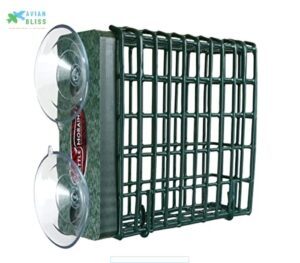
For bird watching tips that put you inches from the action, a window mount woodpecker suet feeder transforms any glass pane into front-row seating. Woodpeckers visit these feeders 3.1 times per hour—nearly double traditional hanging cages—while two powerful suction cups hold through sub-zero temps.
Made from recycled milk jugs, this green design accommodates one suet cake and attracts nuthatches and chickadees alongside your woodpecker species.
Placement 1–2 meters from the window boosts visits by 22%, making feeder durability and woodpecker habitat work in perfect harmony.
Best For: Bird lovers who want close-up woodpecker views from inside their home without stepping into the cold.
- Woodpeckers visit almost twice as often as hanging feeders, giving you 3 visits per hour during peak times
- Two strong suction cups stay put even in freezing weather, so you’re not constantly adjusting it
- Made from recycled materials and fits one standard suet cake that lasts weeks in cool conditions
- Suction cups might fail on certain window types or during extreme weather swings
- Squirrels and raccoons can damage it if they reach your window level
- Needs cleaning every two weeks to prevent mold, especially in humid spots
Placement, Maintenance, and Bird Attraction Tips
Getting birds to visit your feeder is only half the battle—you also need to place it right, keep it clean, and protect your suet from the elements. The good news is that a few smart strategies can turn your backyard into a hotspot for woodpeckers, nuthatches, and other suet-loving species.
Let’s walk through the essentials so you can boost both bird activity and feeder longevity.
Optimal Feeder Height and Location
Feeder placement makes or breaks your suet station’s success. Medium-height installations around five to six feet strike the sweet spot—you’ll attract woodpeckers, chickadees, and nuthatches while keeping great bird visibility for yourself. Here’s what works:
- Mount near natural cover (shrubs or trees 10–15 feet away) for a 25–40% boost in winter visits
- Choose shadow-free spots to protect suet from spoilage and maintain weather protection
- Place feeders three to six feet from walls for predator deterrence
- Position near water sources within 10–20 feet for increased suet accessibility
- Use morning sun exposure to keep fat pliable in freezing conditions. When experiencing issues with your website, checking for web server errors can help resolve connectivity problems.
Regular Cleaning and Refilling Practices
Clean your feeder weekly—it’s the simplest way to slash mold prevention issues by up to 90%. Use warm soapy water for feeder sanitation, rinse thoroughly, and air-dry completely. Consistent cleaning frequency keeps birds healthy and your station buzzing with activity year-round.
Refill schedules matter too: swap suet every two to three days in winter to cut suet spoilage by half.
Protecting Suet From Weather and Spoilage
Under a sheltering roof, your suet stays fresher longer. Weather resistance shields cakes from rain and snow—drainage holes drop moisture contact by 80%.
Temperature management matters: keep feeders shaded when it’s above 75°F to prevent suet spoilage. Check outdoor bird feeders every few days for mold.
Smart feed protection and moisture control let you enjoy suet feeder reviews’ top picks year-round.
Encouraging a Diverse Bird Population
Diversity thrives when you pair suet with habitat creation and smart feeder placement. Plant native shrubs and trees—yards with three vegetation layers support twice as many species. Space feeders 3–5 meters apart to cut aggression by 50%. Mix suet, seeds, and mealworms to boost backyard birds richness by 47%.
Wildlife conservation tips meet bird feeding tips and tricks: gardens near green corridors attract species urban wildlife rarely sees.
Frequently Asked Questions (FAQs)
When should you stop putting suet out for birds?
You’ll want to stop putting suet out once temperatures stay above 5°C, natural insects return, and bird migration picks up.
Warm weather speeds up suet spoilage, so seasonal timing and regular feeder maintenance are key for backyard birds.
Which suet cake attracts the most birds?
If you’re chasing the biggest flock, suet cakes packed with rendered beef fat, peanut pieces, and mealworms top the list.
These suet recipes boost Bird Preferences and Bird Diversity, drawing woodpeckers, chickadees, and more to your backyard bird feeder.
Do hummingbirds eat suet cakes?
As the saying goes, “birds of a feather flock together”—but hummingbirds don’t flock to suet cakes.
Their diet leans toward nectar and insects, so suet alternatives and nectar supplements are better for backyard birding and wildlife watching.
Is it cheaper to buy suet or make it?
Making suet at home usually wins the cost comparison—DIY savings often reach 50–70% per feeder cycle.
Homemade recipes let you choose suet ingredients and fat sources, while store-bought blocks offer convenience but less flexibility for bird feeding options.
How do suet feeders deter unwanted pests?
Suet feeders employ Pest Deterrent Designs such as Suet Shielding, Weight Activated perches, and Narrow Mouth openings. Smooth Panels and elevated feeder poles further prevent pests from accessing the suet.
Additionally, block feeders and clever suet recipes are used to limit rodent and squirrel access, ensuring that birds can feed undisturbed.
Can suet feeders be used year-round?
You know what they say—don’t put all your eggs in one basket. Year Round Feeding works in most regions, but watch out for Suet Spoilage during hot spells.
Feeder Maintenance helps birds through Seasonal Energy swings and Bird Migration.
What birds avoid suet feeders entirely?
You’ll notice Bird Species like brown creepers, warblers, and ground-foraging birds avoid suet feeders entirely due to their Avian Diet and Foraging Habits, preferring Suet Alternatives like seeds or live insects in a BirdFriendly Backyard.
Are there specific suet feeders for small birds?
Yes—you’ll want feeders with openings around 5–3 cm that fit chickadees, wrens, and nuthatches. Tail-prop designs or window mounts work beautifully, keeping larger birds at bay while small visitors feast comfortably.
How to prevent suet from melting in summer?
Imagine your carefully crafted suet turning into a greasy puddle—lovely.
Choose no-melt blends with added wax, place feeders in shade, and opt for reflective cages. Those melt reduction strategies keep birds fed even when temperatures soar.
How long does suet last in hot weather?
In hot weather above 90°F, suet usually lasts just 2–6 hours before melting and losing energy. Shade extends freshness by 12–24 hours, while daily checks reduce spoilage by 20–40%.
Conclusion
Your backyard can become a veritable Eden for winter birds with the right bird suet cake feeders in place. Quality feeders paired with high-fat suet transform quiet yards into lively sanctuaries where woodpeckers cling, nuthatches swoop, and chickadees chatter through the coldest months.
You’ve got the knowledge now—feeder types, placement strategies, maintenance routines. All that’s left is hanging that first cage and watching your feathered neighbors arrive, hungry and grateful for what you’ve provided.