This site is supported by our readers. We may earn a commission, at no cost to you, if you purchase through links.
Squirrels are impressive little engineers. They’ll memorize your feeder’s position, test every angle, and crack your defenses within a day of installation. One backyard birder timed it — eleven minutes from setup to a squirrel hanging upside-down, cleaning out the seed tray.
The frustrating part isn’t losing the seed. It’s watching the birds disappear because the feeder belongs to something else now. Building a DIY squirrel-proof bird feeder fixes that problem for good, and it costs less than most store-bought options that squirrels eventually outsmart anyway.
The right design, placement, and barrier setup changes everything.
Table Of Contents
- Key Takeaways
- Choose Your Squirrel-Proof Feeder Design
- Gather Materials and Tools
- Build The Feeder Step-by-Step
- Squirrel-Proof Placement Rules
- Top 7 DIY Feeder Supplies
- Frequently Asked Questions (FAQs)
- Why put a potato in your bird feeder?
- How do you make a squirrel-proof bird feeder?
- How do I stop squirrels from eating my bird feeder?
- What is the 5 7 9 rule for squirrels?
- What is a homemade squirrel deterrent for bird feeders?
- What bird species visit squirrel-proof feeders?
- Can I use plastic bottles as feeders?
- How often clean bird feeder trays?
- Do squirrels prefer certain bird seeds?
- Are homemade feeders durable outdoors?
- Conclusion
Key Takeaways
- A smooth PVC pole with a wide cone baffle mounted five feet up is your single most effective weapon against squirrels — no grip, no climb, no seeds stolen.
- Smart placement wins by geometry: keep your feeder five feet high, seven feet from structures, and ten feet from any tree or fence a squirrel could leap from.
- Your seed choice does quiet work — switch to safflower, Nyjer, or hot pepper blends and most squirrels walk away on their own.
- A solid DIY build doesn’t have to break the bank — most setups run between $35 and $85 and outlast store-bought options that squirrels figure out anyway.
Choose Your Squirrel-Proof Feeder Design
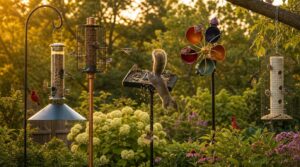
The design you pick sets the tone for everything else — how much you build, how much you spend, and how well it holds up against determined squirrels. Some options are dead simple, and others take a little more elbow grease, but all of them get the job done.
Whatever direction you go, browsing a solid range of wild bird feeding supplies can spark ideas and help you match the feeder style to your yard.
Five solid builds to explore are outlined here, each offering a unique approach to meet your needs.
PVC Pole Feeder
A DIY PVC bird feeder pole is one of the smartest starting points because it’s cheap, lightweight, and genuinely squirrel-proof when built right.
Schedule 40 PVC pipe provides a smooth, gripless surface that squirrels can’t scale. Adding a portable base, corrosion-resistant fittings, and a UV coating enhances durability.
- Wide-diameter pipe (1"+ ) to resist bending
- Seed level window for quick checks
- Wind vibration dampener to reduce spillage
- UV-coated finish for long-term weather resistance
Freestanding Feeding Station
A freestanding design takes things further than a single pole — you get multiple feeding spots, all on one squirrel-proof station. The modular design means you can swap feeders using adjustable feeder arms, add an integrated seed tray, and apply weatherproof finishes that hold up year-round.
Base stability keeps everything upright, even on uneven ground.
| Feature | Why It Matters |
|---|---|
| Baffle on post | Blocks climbing squirrels |
| Adjustable arms | Fits any DIY squirrel-proof bird feeder |
Bottle Seed Feeder
Want something simple that actually works? A plastic bottle feeder might surprise you. Gravity feed does the heavy lifting — seeds drop steadily into a shallow tray as birds peck away.
Add a weatherproof seal around the cap, keep seed flow control tight, and mount it at adjustable height on a DIY bird feeder with baffle. Easy refilling, no fuss.
Consider adding painted wooden spoon perches for extra color and bird‑friendly grips.
Copper and Glass Feeder
A copper pipe and glass sides feeder offers a durable, stylish upgrade for bird enthusiasts. Copper develops a natural patina aging over time, enhancing its aesthetic appeal, while the transparent reservoir allows at-a-glance seed level checks.
The design prioritizes functionality: mesh screen integration effectively keeps squirrels out, ensuring seeds are reserved for birds. Regular maintenance of the copper components preserves its appearance and structural integrity.
With consistent care, this squirrel-proof DIY bird feeder maintains its sharpness and durability for years, combining practicality with timeless design.
Multi-feeder Pole Setup
To feed more birds without cluttering your yard, a multi-feeder pole setup is your best move. One feeder mounting pole holds several pole-mounted feeders on adjustable arms, allowing seasonal rearrangement for smarter adjustability.
Arm rotation enables easy repositioning by season, maximizing flexibility. Spacing each feeder at least 12 inches apart ensures proper load distribution and minimizes competition among birds.
Solid ground anchoring and a squirrel baffle address wind stability and deter unwanted visitors, ensuring durability and functionality.
Gather Materials and Tools
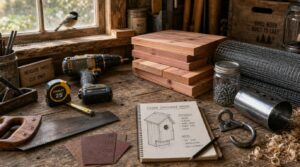
Before you start cutting or drilling anything, it helps to know exactly what you’re working with.
The good news is that most of this build runs on simple, affordable supplies you can grab at any hardware store. Here’s what you’ll need to pull it all together.
PVC or Metal Pipe
Your pipe choice sets the whole project up for success. PVC pipe wins on weight advantage — it’s light, easy to cut, and naturally corrosion resistant. Just watch your schedule choice: Schedule 40 withstands outdoor builds well. However, cold brittleness is PVC’s weak spot too.
Metal pipes offer extra durability, but thermal conductance means seeds can freeze in winter. Pick smart.
Baffles and Collars
Baffles and collars are your squirrels’ worst nightmare. A cone geometry baffle — at least 15 inches wide with a smooth metal surface — gives squirrels nowhere to grip. Collar fit matters too: smooth metal collars should snug tightly around your PVC pipe barriers with zero gaps.
For baffle weatherproofing, use aluminum in wet climates. This material ensures durability against moisture.
Check your mounting techniques to guarantee stability and effectiveness. Follow a quarterly maintenance schedule to keep everything secure and functional, preventing wear or damage over time.
Weatherproof Fasteners
Cheap fasteners are a slow leak in your whole build. Use corrosion-resistant alloys like 316 stainless steel wherever your metal pipe or PVC pipe meets the elements — rain and snow will chew through anything less. For sealant compatibility, match your product to your substrate.
- Apply thread-locking compounds on joints prone to vibration
- Reinforce seams with Gorilla tape before painting
- Choose UV-resistant washers to prevent gasket breakdown
- Pick coated fastener finishes for lasting outdoor feeder design
Cutting and Drilling Tools
You don’t need a full workshop to pull this off. A basic drill with HSS or carbide bits cuts through both PVC pipe and metal pipe cleanly — carbide stays sharper longer on harder materials.
Keep your cutting speed moderate to avoid cracking plastic or overheating metal. Clamp your 2×4 lumber and pipe securely, and let the tool do the work.
Always wear safety glasses when operating power tools to protect against debris and sparks.
Estimated DIY Cost
Most builds land between $35 and $85 total — surprisingly reasonable for a setup that effectively deters squirrels.
A basic PVC pole feeder costs $8–$15 in low-cost materials, while bottle feeders using repurposed containers come in under $20.
Factor in labor time (one to three hours), potential tool rental costs, shipping fees, and a 10% contingency budget to maintain cost-effective solutions.
Build The Feeder Step-by-Step
Now comes the fun part — actually putting this thing together. Each step builds on the last, so you’ll move from raw materials to a finished, squirrel-ready feeder faster than you’d expect.
Here’s exactly how to do it.
Cut Feeder Supports
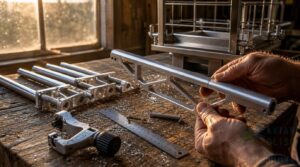
Start by cutting your support arms from aluminum or steel — both resist rust and hold their shape through wind and rain. Aluminum keeps things light for taller pole-mounted feeders, while steel adds muscle if you’re going big.
Add cross braces for wind bracing, and use easy-release mounts so cleaning stays simple.
Adjustable height mechanisms let you align ports exactly where birds feed best.
Attach Seed Container
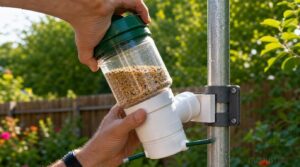
Once your brackets are trimmed and set, the seed container snaps everything into place. Pick a clear or translucent HDPE container — the Capacity Window lets you check birdseed levels at a glance without fussing with the lid. A Weatherproof Coupler connects it snugly to your PVC pipe bird feeders or seed cylinder feeder frame.
Here’s what makes the connection solid:
- Twist the Secure Lock Lid 45 degrees until it clicks and holds firm
- Press the Gasket Seal flush so rain can’t sneak into your seed dispenser
- Slide the Mounting Bracket onto the pole until the collar seats evenly
- Use ultrasonic-welded seams — no gaps where moisture or seeds hide
- Confirm the 28 mm neck opening clears your seed mix for plastic bottle squirrelproof birdfeeder builds
Install Hanging Hardware
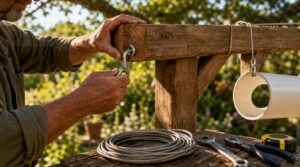
Anchor Selection matters more than most people think — match your Load Rating to at least 1.5 times the feeder’s weight.
For hanging bird feeders on metal poles, use Corrosion-Resistant Finish fasteners to prevent rust.
Clean the surface preparation spot first. Maintain safety clearance around moving parts, and run wire rope through your hanging PVC squirrel-proof birdfeeder loop snugly.
Add Squirrel Barriers
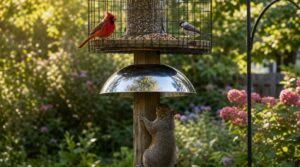
Now that your hardware is locked in, it’s time to make the feeder genuinely squirrel-proof. Mount a Dome Barrier or metal squirrel baffle around 5 feet up the pole — a baffle designed for feeders works best at that height.
Add a Weight-Activated Pad, wire mesh Mesh Enclosure, or Umbrella Canopy for extra coverage.
An Ultrasonic Deterrent complements your metal baffle setup perfectly.
Test Feeder Stability
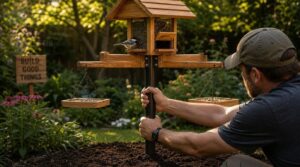
Before you call it done, give your feeder a proper shakedown test. Push the pole sideways and check for wobble—good anchor depth of 6 to 12 inches makes a real difference. Then run a quick wind-load test by simulating gusts with your hand.
- Check load distribution across each arm or hook
- Confirm base ballast holds firm on soft ground
- Test weight-sensitive perches and weight-activated doors manually
- Verify vibration damping at all pole-mounted feeder joints
Tight connections mean safety for birds every visit.
Squirrel-Proof Placement Rules
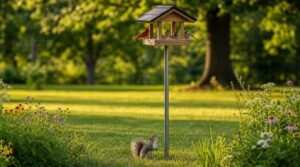
Building a great feeder is only half the battle — where you put it matters just as much. Squirrels are surprisingly athletic, and they’ll use every nearby tree, fence, or rooftop as a launchpad if given the chance.
These placement rules close off those options for good.
Follow The 5-7-9 Rule
Squirrels are surprisingly athletic — and knowing their limits is how you beat them. The 5-7-10 rule gives you three numbers to keep in mind: mount feeders at 5 feet minimum (Height Safety Buffer), stay 7 feet from any structure, and maintain 10 feet of Launch Point Clearance from trees or fences — well beyond their Horizontal Jump Limit.
Beat squirrels by their own limits: keep feeders 5 feet high, 7 feet from structures, and 10 feet from any launch point
| Rule | Measurement | Why It Matters |
|---|---|---|
| Height Safety Buffer | 5 ft minimum | Clears vertical leap range |
| Squirrel Leap Radius | 7 ft from structures | Reduces lateral jump angles |
| Launch Point Clearance | 10 ft from trees/fences | Exceeds Horizontal Jump Limit |
Nail all three, and your DIY squirrel‑proof bird feeder wins by geometry alone.
Mount Five Feet High
Five feet is your magic number—the minimum height for pole-mounted feeders to thwart squirrels’ vertical leaps. Use weather-resistant posts and a solid anchor base design to ensure the setup remains stable against wind and wildlife interference.
- Height measurement starts from ground to feeder base
- Platform stabilization prevents wobble that spills seed
- Quick-release mounting makes refilling fast and easy
- Strategic placement on sturdy poles keeps feeder placement consistent year-round
Keep Ten Feet Clear
Think of ten feet as your squirrel-free zone—a safety buffer that cuts off every realistic launch point a squirrel could use. This distance also helps with seed spill prevention, predator deterrence, and keeps the visibility zone clean.
Solid feeder placement guidelines put your feeder at least ten feet from trees, fences, and rooftops. Follow these feeder placement rules and squirrel deterrent methods do half the work for you.
Add Pole Baffles
A good baffle is your last line of defense. For pole-mounted feeders, aim for a baffle diameter between 12 and 24 inches — wide enough that squirrels can’t reach around it. Installation height matters too: mount it 6 to 8 feet up.
Metal baffles win on material durability, shrugging off rain and rust for seasons. Check your pole compatibility before buying.
Build a quick maintenance schedule into your routine.
Use Squirrel-resistant Seed
Your seed choice is a quietly transformative. Load your feeder with the right birdseed and squirrels lose interest fast.
- Safflower seed — thick hulls that squirrels struggle to crack
- Nyjer seed — too small for squirrels to bother with
- Capsaicin coating or hot pepper blends — birds don’t feel the burn, squirrels do
- Bittering additives in low-attractant blends — make squirrelproof feeding nearly trouble-free
Top 7 DIY Feeder Supplies
You don’t need a fancy setup to build something that actually keeps squirrels out.
The right supplies make every step faster, cleaner, and a whole lot less frustrating.
Here are seven tools and feeders worth having before you get started.
1. Gorilla Crystal Clear Duct Tape
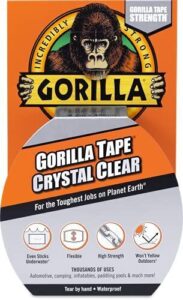
Every squirrel-proof build has at least one moment where you need a fast, clean fix — and Gorilla Crystal Clear Tape earns its spot in your toolkit. It’s UV-resistant, waterproof, and holds strong from 10°F to 120°F, so it won’t fail when the weather turns.
Use it to reinforce umbrella canopy edges, seal gaps on bottle feeders, or secure PVC fittings.
The tape tears by hand, sticks to almost anything, and stays invisible on light surfaces.
Simple, tough, and reliable.
| Best For | DIYers and outdoor enthusiasts who need a nearly invisible, weatherproof fix without hauling out a toolbox. |
|---|---|
| Material | Blended polymer film |
| Weather Resistance | UV-resistant, waterproof |
| Durability | Heavy-duty adhesive |
| Weight | 3.52 oz (100 g) |
| Ease of Use | Hand-tearable, no tools |
| Primary Use | Sealing and bonding |
| Additional Features |
|
- Stays clear and won’t yellow — great for repairs where looks matter
- Handles real-world temps and wet conditions without peeling off
- Tears by hand and sticks to almost any surface, smooth or rough
- Tack can wear down after a month or so in harsh outdoor conditions
- Leaves fingerprints easily, so you have to be careful handling it
- Not safe for submerged use or sealing inflatable seams long-term
2. MulWark Exacto Knife Set
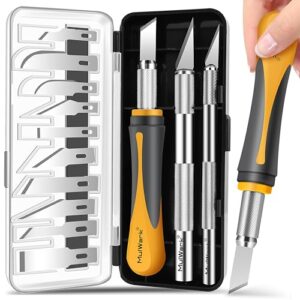
Once the tape seals your edges, clean cuts are next — and sloppy ones waste materials fast. The MulWark 16-piece precision knife set performs the detail work most people reach for scissors to do.
Its SK4 carbon steel blades stay sharp through foam board, plastic, and cardstock without slipping. The soft rubber, ambidextrous grip gives you real control when scoring bottles or trimming canopy slits.
At $13.99, it punches well above its price tag.
| Best For | Artists, hobbyists, architects, and model makers who need precise cutting and trimming for light- to medium-weight materials like paper, foam board, fabric, and thin plastic. |
|---|---|
| Material | Hardened carbon steel (SK4) |
| Weather Resistance | Not weather-rated |
| Durability | Hardened blades |
| Weight | Not specified |
| Ease of Use | Interchangeable blades |
| Primary Use | Cutting and scoring |
| Additional Features |
|
- SK4 carbon steel blades stay sharp longer and resist rust, so you’re not constantly swapping them out
- The soft rubber grip is genuinely comfortable for long sessions — ambidextrous too, so lefties aren’t left out
- 13 interchangeable blade types in a compact hard case means you’ve got the right edge for almost any detail job
- The case hinges feel flimsy and have been known to crack or stick after regular use
- Blade hold-downs can be stiff, so swapping blades takes more fussing than it should
- Not built for heavy-duty work — if you’re cutting anything thick or industrial, this isn’t your tool
3. GreatNeck Heavy Duty Adjustable Hacksaw
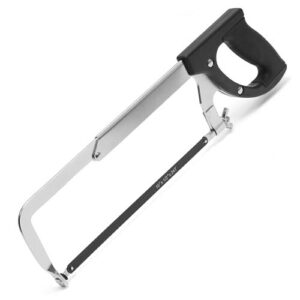
When precision cuts are done, the bigger cuts come next—PVC pipe, stove pipe, metal collars. That’s where the GreatNeck Heavy Duty Adjustable Hacksaw earns its spot in your kit.
Its alloy steel frame holds firm under pressure without bending mid-cut, and four cutting angles let you work at the right angle every time. The included 12-inch bi-metal blade manages hardened materials right out of the box. At $21.16, it’s a workhorse that won’t quit on you.
| Best For | DIY enthusiasts and field workers who need a reliable, affordable hacksaw for cutting metal, wood, and other hard materials on the go. |
|---|---|
| Material | Alloy steel |
| Weather Resistance | Not weather-rated |
| Durability | Heavy-duty alloy frame |
| Weight | 1.4 lb (0.64 kg) |
| Ease of Use | Side-lever blade adjust |
| Primary Use | Sawing materials |
| Additional Features |
|
- Comes with a 12-inch bi-metal blade right out of the box—no extra purchase needed.
- Four preset cutting angles give you real flexibility depending on the job.
- Alloy steel frame stays rigid under pressure, so cuts stay straight and controlled.
- Not great for thick or bulky materials—it’s built for smaller workpieces.
- The blade-holding lug can loosen over time, which throws off cut accuracy.
- Falls short on heavy industrial jobs; very thick or hardened metals may push it past its limits.
4. Irwin Vise Grip Diagonal Cutting Pliers
Once the big cuts are done, you’ll need something nimble for trimming wire, snipping zip ties, and handling the fiddly finishing work. That’s where the Irwin Vise-Grip Diagonal Cutting Pliers shine.
The induction-hardened nickel-chromium steel blades stay sharp through repeated use, and the ProTouch grips keep your hand comfortable during long build sessions.
At just 23 grams, they slip right into your pocket. Clean cuts, no fuss.
| Best For | DIYers, electricians, and field techs who need a lightweight, pocket-friendly cutter for everyday wire trimming and finishing work. |
|---|---|
| Material | Nickel-chromium steel |
| Weather Resistance | Not weather-rated |
| Durability | Induction-hardened edge |
| Weight | 0.05 lb (23 g) |
| Ease of Use | Compact, pocket-sized |
| Primary Use | Wire cutting |
| Additional Features |
|
- Induction-hardened blades stay sharp longer, even with regular use
- ProTouch grips cut down on hand fatigue during longer jobs
- At just 23 grams, it’s easy to toss in a pocket or tool belt
- A small gap near the rivet means you may need to reposition for cleaner cuts on thicker, stranded wire
- Not the best choice for heavy-gauge cutting — premium brands like Klein or Milwaukee hold up better there
- Edge finish can be inconsistent compared to higher-end options
5. Wildlife Sciences Fly Through Suet Feeder
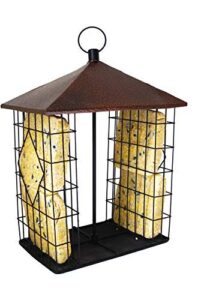
The Wildlife Sciences Fly Through Suet Feeder holds up to four suet cakes at once, eliminating frequent refills. Its powder-coated metal frame and antiqued copper roof provide durability and weather resistance, effectively shedding rain to protect the feed.
The feeder’s mesh bottom ensures proper drainage, preventing moisture buildup and mold growth. This design allows multiple birds to feed side by side comfortably, reducing crowding.
For maintenance, the roof unscrews easily, enabling hassle-free cleaning. At $24.99, it delivers exceptional value with its robust construction and practical features.
| Best For | Backyard bird enthusiasts who want to attract a wide variety of species — from woodpeckers to cardinals — without constantly refilling their feeder. |
|---|---|
| Material | Plastic with metal hardware |
| Weather Resistance | Powder-coated, rain shelter |
| Durability | Powder-coated finish |
| Weight | Not specified |
| Ease of Use | Removable roof, hoseable |
| Primary Use | Suet bird feeding |
| Additional Features |
|
- Holds up to four suet cakes at once, so you’re not out there refilling every other day.
- The copper-finish roof keeps rain and wind off the feed, and the mesh bottom drains moisture so things don’t get soggy or moldy.
- Super easy to clean — just unscrew the roof, hose it down, and you’re done.
- Not critter-proof at all; squirrels, raccoons, and especially bears can do real damage to it.
- The diamond-shaped side openings have reportedly trapped smaller birds, which is a safety concern worth knowing about.
- You’ll need to bring it in at night or move it somewhere protected, otherwise wildlife will help themselves and potentially wreck it.
6. MEKKAPRO Double Suet Bird Feeder
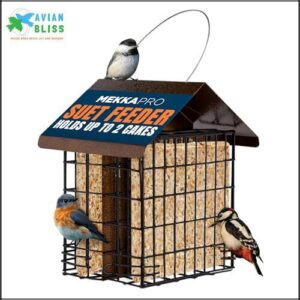
The MEKKAPRO Double Suet Bird Feeder punches above its weight for such a compact setup. Two separate suet chambers allow you to offer different foods simultaneously, attracting a wider variety of clinging species like woodpeckers and nuthatches.
Its rust-resistant iron frame and metal roof withstand rain and snow reliably. This durable design ensures the feeder handles harsh weather without issues.
Loading and cleaning take minutes thanks to the convenient latching doors, simplifying maintenance.
Just add a baffle to your hanging pole, and squirrels will be denied easy access to the food.
| Best For | Backyard birders who want to attract woodpeckers, nuthatches, and chickadees while keeping suet fresh through wet winters. |
|---|---|
| Material | Iron (rust-proof coated) |
| Weather Resistance | Rust-resistant, rain roof |
| Durability | Rigid iron construction |
| Weight | 0.56 kg (1.23 lb) |
| Ease of Use | Latching doors, easy load |
| Primary Use | Suet bird feeding |
| Additional Features |
|
- Two separate compartments let you offer different foods at once, which pulls in a bigger variety of birds.
- The metal roof and rust-resistant iron frame hold up well in rain and snow without rusting or cracking like plastic.
- Latching doors make loading and cleaning quick — no fuss.
- Squirrels and raccoons can still get into it, so you’ll likely need a baffle or extra clips to keep them out.
- The door openings are big enough that loose suet pieces can fall through — a catch tray helps.
- May need zip-ties or extra hardware to keep it secure on the hook.
7. Birds Choice Seed Suet Cage Feeder
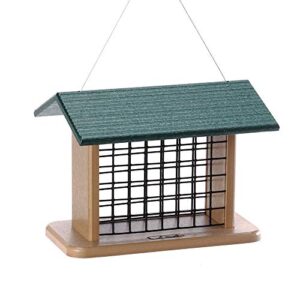
The Birds Choice Seed Suet Cage Feeder is a solid all-rounder that accommodates both seed and suet blocks in one compact unit. Built from recycled poly-lumber with stainless-steel hardware, it resists rust, cracking, and fading season after season.
The lift-top roof keeps rain off your seed, minimizing waste. Birds like woodpeckers, nuthatches, and chickadees cling directly to the grid and feed comfortably.
It’s not squirrel-proof on its own, so pair it with a pole baffle for optimal results.
| Best For | Backyard bird enthusiasts who want a low-maintenance, weather-protected feeder that works with both seed and suet blocks. |
|---|---|
| Material | Recycled poly-lumber |
| Weather Resistance | Rust-resistant, lift-top roof |
| Durability | Stainless steel hardware |
| Weight | 2.4 lb (1.1 kg) |
| Ease of Use | Lift-top roof access |
| Primary Use | Seed or suet feeding |
| Additional Features |
|
- Built from recycled poly-lumber with stainless-steel hardware, so it holds up through rain, heat, and cold without rusting or cracking.
- The lift-top roof keeps food dry and fresh longer, which means less waste and more birds showing up.
- Heavy, stable design stays put in wind and attracts a solid mix of birds — woodpeckers, nuthatches, chickadees, and more.
- Not squirrel-proof — determined squirrels can pry the grid or force their way in without a separate baffle.
- The metal screen can loosen over time if the plastic body shifts, which may need occasional repair.
- Refilling can be a bit awkward since you often have to lift the whole feeder down just to open the roof.
Frequently Asked Questions (FAQs)
Why put a potato in your bird feeder?
Potatoes give birds a real energy boost, especially in cold weather. They are packed with carbs, potassium, and vitamin C — all useful for small birds burning fuel just to stay warm and keep moving.
How do you make a squirrel-proof bird feeder?
Squirrels are basically tiny furry engineers who treat your feeder like a personal buffet.
Stop them with a smooth PVC pole, a wide baffle, and smart placement at least five feet up.
How do I stop squirrels from eating my bird feeder?
To stop squirrels from raiding your feeder, combine a smooth pole, a wide baffle, and the right seed. Those three things together make your setup genuinely squirrel-resistant.
What is the 5 7 9 rule for squirrels?
Think of squirrels as Olympic-level acrobats.
The 5-7-9 rule keeps your feeder out of reach: mount it five feet high, seven feet from structures, and nine feet below any overhang.
What is a homemade squirrel deterrent for bird feeders?
A pinch of cayenne pepper mixed into your seed works surprisingly well.
Squirrels hate the burn, but birds can’t taste capsaicin at all.
Simple, cheap, and it won’t cost you more than a few cents.
What bird species visit squirrel-proof feeders?
A squirrel-proof feeder is like a VIP lounge — only the right guests get in.
Goldfinches, chickadees, house finches, nuthatches, and downy woodpeckers all show up regularly once squirrels stop raiding the buffet.
Can I use plastic bottles as feeders?
Yes, you can. A plastic bottle makes a surprisingly solid seed feeder. Invert it on a pole, drill small ports, and add a baffle — birds love it, squirrels won’t.
How often clean bird feeder trays?
Clean your feeder trays every one to two weeks during peak season. In wet weather or heavy bird traffic, bump that up to weekly — soggy seed breeds mold fast.
Do squirrels prefer certain bird seeds?
Absolutely. Black oil sunflower seeds are their top pick — high fat, thin shells, easy to crack.
Peanuts and corn come in close second.
Swap to safflower or Nyjer seed and most squirrels lose interest fast.
Are homemade feeders durable outdoors?
Homemade feeders hold up surprisingly well when you use the right materials. PVC and copper can last 5–10 years outdoors. Just seal your joints, use stainless hardware, and you’re set.
Conclusion
Think of your backyard as a stage — right now, squirrels own it. Building a DIY bird feeder squirrel-proof design shifts that balance for good.
The right pole height, solid baffle, and smart placement work together like a lock with no spare key.
Once the birds find a feeder that’s actually theirs, they stay. That’s the whole point — a yard full of birds, not a buffet run by bushy-tailed thieves.
- https://growitbuildit.com/bird-feeder-squirrels-deer/
- https://duncraft.com/collections/squirrel-baffles-guards?srsltid=AfmBOoqkKvUg7gL-wE6ydDj-LNxCRG_U9bHfc3BEt6ZY-QYggnvtx7gF
- https://dianarambles.com/diy-squirrel-baffle/
- https://www.backyardboss.net/squirrel-proof-bird-feeder/
- https://www.birdwatching-bliss.com/homemade-squirrel-baffle.html