This site is supported by our readers. We may earn a commission, at no cost to you, if you purchase through links.

A birdbath sitting still and silent rarely draws a crowd. But add moving water—even a gentle trickle—and you’ll start seeing visitors within days.
Birds are wired to seek out the sound of running water; it signals safety, cleanliness, and a reliable source they can trust.
That instinct works in your favor when you install a bird fountain, because the setup does most of the attracting for you. Get the basin, pump, and placement right, and your garden becomes a destination.
This guide walks you through every step, from choosing durable materials to keeping the water flowing season after season.
Table Of Contents
- Key Takeaways
- Essential Bird Fountain Materials
- Step-by-Step Bird Fountain Installation
- Bird Fountain Care and Maintenance
- Top 5 Bird Fountain Setup Products
- Frequently Asked Questions (FAQs)
- How do I attract specific bird species?
- Can I use tap water safely for birds?
- What causes pump noise and how to fix it?
- How far should fountains be from bird feeders?
- Do fountains work during freezing winter temperatures?
- What bird species are attracted to fountains?
- How deep should bird fountain water be?
- Can multiple birds use the fountain simultaneously?
- How do I keep cats away from fountains?
- Should I add rocks or perches inside?
- Conclusion
Key Takeaways
- Moving water attracts birds far more effectively than a still birdbath, because the sound and motion signal safety and cleanliness to birds instinctively.
- A low-volume submersible pump rated at 70–100 L/hr, paired with UV-resistant tubing and a GFCI outlet, gives you a reliable, safe setup without overcomplicating the build.
- Placement matters as much as equipment—position your fountain 20–30 feet from low shrubs, on level ground with morning sun, and at least 10 feet from any bird feeder.
- Consistent weekly cleaning, daily water top-ups in summer, and full winterization before the first freeze are what keep your fountain running season after season.
Essential Bird Fountain Materials

Before you buy anything, it helps to know exactly what you’re working with.
A quick look at multi-level bird bath designs can help you figure out what size, style, and setup actually makes sense for your space.
A bird fountain is made up of just a few key components, and choosing the right ones makes everything easier down the line. Here’s what you’ll need to get started.
Choosing The Right Basin
The basin you choose sets the tone for everything else. Here’s what to look for:
- Material Durability — Ceramic and stone resist weathering and are easy to clean.
- Size Proportions — A large bowl, 12–20 inches wide, gives birds room to bathe.
- Shape Options — Round or oval forms suit most garden styles.
- Mounting Style — Ground-level placement keeps birds feeling safe.
- Seal Requirements — Plug any drain holes with waterproof silicone before filling.
Consider wall‑hung basins free floor space for compact garden setups.
Selecting a Submersible Pump
Once your basin is sorted, the pump is what brings it to life. For a bird fountain, you don’t need anything powerful — a low-volume submersible water pump rated at 70–100 L/hr manages the job cleanly.
Match your pump flow rate and head height compatibility to your basin depth, and check material compatibility so nothing corrodes.
| Pump Feature | What to Look For |
|---|---|
| Pump Flow Rate | 70–100 L/hr for small basins |
| Head Height Compatibility | 12–18 inches minimum |
| Power Source Options | GFCI electric or solar |
| Pump Power Consumption | Under 10 watts |
| Noise Level | Near-silent motor rating |
Flexible Tubing and Fountain Nozzles
With your pump chosen, the tubing and nozzle are what shape the experience. Use silicone or vinyl hose for material compatibility and UV resistance — both hold up outdoors without cracking.
Cut tubing without sharp angles to guarantee kink prevention and steady flow regulation.
Nozzle pattern variety lets you customize the spray; just plan on regular cleaning to avoid fountain nozzle clogging.
Outdoor Power and Safety Supplies
Power comes next. Plug your low voltage pump into a GFCI outlet — that single step provides electrical safety for outdoor pumps by cutting power instantly if water contacts the wiring.
For a full breakdown of safe setup options, bird bath heater installation and electrical safety tips can help you choose the right cord gauge and waterproof connectors for your setup.
Solar panel mounting is a clean alternative if you’re away from outlets.
Wear ANSI cut gloves and slip-resistant boots during setup, and monitor battery health monitoring indicators regularly if you’re running a battery-backed unit.
Step-by-Step Bird Fountain Installation
Getting the installation right makes all the difference between a fountain that birds love and one they ignore.
Before you fill it up and step back to admire your work, there are a few key steps to get through first.
Here’s how to set everything up the right way, from picking the perfect spot to getting the pump running.
Choosing The Ideal Location

Location makes or breaks a bird fountain. Aim for a spot with four to six hours of morning sunlight exposure — enough to keep algae at bay without overheating the water.
Position it within 20 to 30 feet of low shrubs for bird perching access, on level ground for stability leveling, and near a weatherproof outlet or clear sky for your solar panel.
Preparing and Leveling The Base

Once your location is locked in, getting the ground right is what actually stabilizes the fountain long‑term.
- Clear all roots and debris, then compact the subgrade to a firm, stable base
- Lay a 3–4 inch gravel base layer, then smooth a sand bed on top
- Use leveling tools to confirm the surface is flat within ⅛ inch over 4 feet
- Shape a slight drainage slope — about ¼ inch per foot — so water runs away, not under your container or basin
Installing The Pump and Tubing
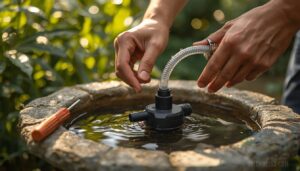
With your base level and stable, it’s time to bring the water to life. Center your low-volume submersible water pump in the basin, then attach the hose or tubing using tubing clamps at the pump barb—snug, not stripped.
Pump priming matters here: fill the basin before powering on. Check for leaks, then dial in flow adjustment and nozzle alignment until the arc looks steady and clean.
Bird Fountain Care and Maintenance
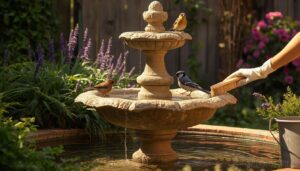
Getting your fountain built is only half the job — keeping it running well is where the real work begins. A little regular attention goes a long way toward keeping the water fresh, the pump humming, and the birds coming back.
Here’s what you need to stay on top of.
Weekly Cleaning and Algae Prevention
Think of algae as a slow-moving takeover — and regular cleaning is your best defense.
Each week, remove surface debris, vacuum basin sediment, and scrub surfaces to disrupt early biofilm.
A filter maintenance routine keeps water moving, while a sanitizer level check ensures inhibitors stay effective.
Introduce beneficial bacteria to outcompete algae naturally, and practice light exposure management by positioning your fountain where afternoon shade limits peak photosynthesis.
Checking Water Levels and Refills
Water levels drop faster than you’d expect — evaporation rate spikes on hot, windy days, pulling 0.5 to 1.5 liters daily from your basin. Daily topups keep your pump fully submerged and humming smoothly.
Hot, windy days can drain your bird fountain of up to 1.5 liters daily — top it up or your pump runs dry
- Use water level markers to monitor depth without guesswork
- Refill the water using distilled water use to slow mineral buildup
- Check water level every morning during summer
- Adjust refill frequency based on heat and wind
- Maintain water depth for birds and algae control
Seasonal Winterizing and Storage
Before the first hard freeze hits, winterizing the fountain protects every component you’ve invested in. Start with drainage preparation — fully empty the basin to prevent ice expansion from cracking it.
Wrap exposed pipes with pipe insulation foam sleeves, then disconnect power completely. Move the pump and solar panel indoors for component storage, and finish by securing a weatherproof cover over the basin.
Troubleshooting Weak Flow and Leaks
Even a well-maintained fountain runs into hiccups. If you notice insufficient water flow, start with the obvious: nozzle clogging from mineral buildup cuts output noticeably, so rinse it with vinegar.
Check for tubing kinks and air leak detection at every fitting. Pump priming issues and seal integrity checks matter too — a dry-running pump wears fast.
Tighten connections to stop water loss before it worsens.
Top 5 Bird Fountain Setup Products
With the right products, setting up a bird fountain goes from guesswork to a straightforward afternoon project. Each item on this list was chosen for a specific job — from moving water efficiently to holding it all together.
Here are five products worth having before you start.
1. Raindrip Drip Irrigation Compression Adapter
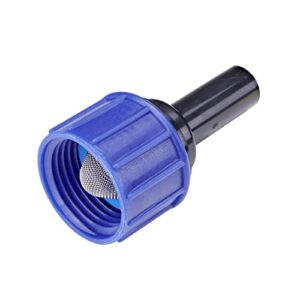
One small fitting can make or break your entire fountain setup — and the Raindrip Compression Adapter (model R325C) earns its place in any bird fountain build.
It connects standard 1/4-inch drip tubing to a 3/4-inch hose thread without tools, using a compression ring that locks tubing in place and a built-in filter washer to catch debris before it clogs your pump.
Rated for up to 50 psi, it’s dependable for low-volume fountain systems and surprisingly durable for a lightweight plastic component.
| Best For | DIYers and gardeners who want a simple, tool-free way to connect drip tubing to a garden hose or bird fountain without messing with complicated fittings. |
|---|---|
| Material | Plastic |
| Color | Black or Blue |
| Weight | 0.04 lb |
| Power Source | Water pressure |
| Water Flow Control | Compression valve |
| Intended Use | Drip irrigation/birdbath |
| Additional Features |
|
- Snaps 1/4-inch drip tubing onto a standard 3/4-inch hose thread in seconds — no tools needed
- Built-in filter washer keeps debris out of your drip system before it becomes a problem
- Handles up to 50 psi, making it reliable for low-pressure fountain and irrigation setups
- Plastic build won’t hold up as well as brass under heat or prolonged high pressure
- May need occasional retightening or a wrap of plumber’s tape to stop minor drips over time
- Not a great fit for high-flow or permanent plumbing where metal fittings are the safer bet
2. Hottche Plastic Fountain Nozzle Kit
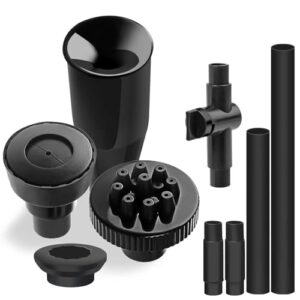
Once tubing is locked in, your next question becomes: what do you put on top?
The Hottche Plastic Fountain Nozzle Kit ($9.99) answers that with five interchangeable heads — fountain, rainfall, water column, trumpet, and mushroom — each snapping onto a standard 1/2-inch pump outlet without adapters. You can switch patterns in seconds depending on what birds respond to.
The built-in adjustable flow valve lets you dial the spray down to a gentle trickle, which smaller birds like finches genuinely prefer.
| Best For | Hobbyists who want flexible, low-cost fountain options for small ponds, fish tanks, or garden water features without committing to pricier hardware. |
|---|---|
| Material | Plastic |
| Color | Black |
| Weight | Not specified |
| Power Source | Pump-dependent |
| Water Flow Control | Adjustable flow valve |
| Intended Use | Pond/birdbath fountain |
| Additional Features |
|
- Five nozzle styles in one kit — swap between fountain, rainfall, mushroom, and more in seconds, no tools needed.
- Built-in flow valve on each head lets you dial the spray down to a gentle trickle, which smaller birds and fish prefer.
- At $9.99, it’s an easy way to experiment with different water effects without spending much.
- Only fits pumps with a 0.5 in outlet — anything else and you’re buying a separate adapter.
- Plastic construction can crack over time, especially with UV exposure or repeated adjustments; some users report leaking joints.
- Spray performance depends heavily on your pump’s pressure — a weak pump means a weak display.
3. GetKen Portable Water Dispenser Pump
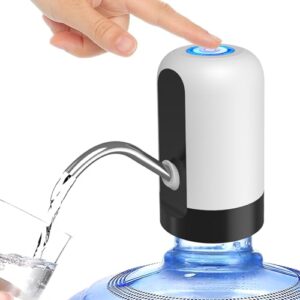
Not every setup needs a hardwired pump. The GetKen Portable Water Dispenser Pump runs on an 800 mAh rechargeable battery, so you can place it wherever birds feel safest — no outlet required.
A single press triggers timed dispensing that shuts off automatically after one minute. Hold the button for continuous flow when you’re topping off a larger basin.
It fits standard 5-gallon bottles and lasts 30–40 days per charge, making it a practical pick for patios, balconies, or temporary garden stations.
| Best For | People who want a simple, portable way to dispense water from a 5-gallon bottle without needing an outlet or complicated setup. |
|---|---|
| Material | Food-grade metal |
| Color | White/Black |
| Weight | Not specified |
| Power Source | 800 mAh battery |
| Water Flow Control | Press-and-hold mode |
| Intended Use | Water dispensing |
| Additional Features |
|
- Battery lasts 30–40 days per charge, so you’re not constantly plugging it in
- Two dispensing modes give you flexibility — quick timed pours or continuous flow when you need it
- Food-grade metal parts in all water-contact areas, so what you’re drinking from is actually safe
- Only works with 2.16-inch diameter bottles, so if yours doesn’t match, you’re out of luck
- Some users ran into motor failure after just a month, which is a reliability red flag
- Comes with no USB-C cable, and you’re stuck using a 5W charger — anything stronger can damage the battery
4. Mademax Solar Bird Bath Fountain
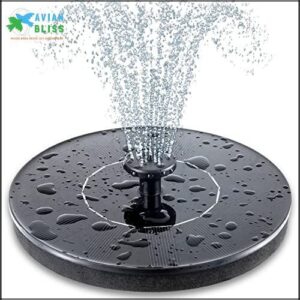
Solar simplicity at its best — the Mademax Solar Bird Bath Fountain runs on a 1.4W panel and kicks into action within three seconds of direct sunlight. No wiring, no batteries, no fuss.
At just $16.79, it floats right in your existing bird bath and circulates water continuously to attract hummingbirds and songbirds alike.
You get eight interchangeable nozzles to customize the spray pattern and height.
Just note: cloudy days will pause the show, and small basins may need frequent refilling.
| Best For | Anyone who wants a simple, affordable way to add movement to their bird bath or small water feature without dealing with wiring or batteries. |
|---|---|
| Material | Plastic |
| Color | Black |
| Weight | 0.6 lb |
| Power Source | Solar panel |
| Water Flow Control | Adjustable brackets |
| Intended Use | Bird bath/pond |
| Additional Features |
|
- Starts working in seconds — just set it in sunlight and you’re done
- Eight nozzle options let you switch up the spray pattern to your liking
- At $16.79, it’s a low-risk way to attract more birds to your yard
- No sun, no spray — cloudy days and nighttime mean zero water flow
- Small bird baths may drain fast and need constant refilling on bright days
- Some users report the pump dying after just a few days or weeks of use
5. Tribello Heavy Duty Plastic Wash Basin
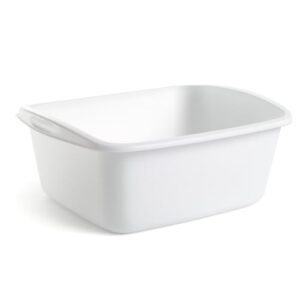
Need a reliable basin without spending a fortune? The Tribello Heavy Duty Plastic Wash Basin delivers exactly that at $17.98.
Measuring 15 × 12.75 inches with a 6.5‑inch depth, it holds around 12 quarts — enough water to keep birds coming back between refills.
The non‑porous surface resists algae buildup, and the molded side grips make moving it a breeze.
Just keep in mind that it runs shallow for larger birds, so place it on stable ground with easy access for weekly cleaning.
| Best For | Anyone who needs a simple, no-fuss basin for hand-washing dishes, soaking clothes, or light household tasks without breaking the bank. |
|---|---|
| Material | Plastic |
| Color | White |
| Weight | Not specified |
| Power Source | Manual/unpowered |
| Water Flow Control | Open basin |
| Intended Use | Washing/soaking basin |
| Additional Features |
|
- Non-porous surface is easy to wipe clean and won’t hold onto grime or odors
- Molded handles on both sides make it easy to carry around, even when full
- Versatile enough for dishes, laundry, foot soaks, or even pantry storage
- Runs smaller than expected — larger plates and cookware won’t fit comfortably
- The plastic feels thin, so don’t expect it to hold up to heavy daily abuse
- At $17.98, it feels a little pricey for what you’re getting in terms of size and thickness
Frequently Asked Questions (FAQs)
How do I attract specific bird species?
Match your setup to what birds need. Offer black sunflower hearts for finches, suet for woodpeckers, and moving water for robins.
Native shrubs and berry plants pull in thrushes, waxwings, and cardinals naturally.
Can I use tap water safely for birds?
Tap water is generally safe for birds, though it contains chlorine and trace minerals that can build up over time.
Letting it sit uncovered for an hour before filling helps dissipate chlorine naturally.
What causes pump noise and how to fix it?
noisy pump usually means a clogged inlet or trapped air.
Clean the filter, check for debris, and tighten all hose connections.
If grinding persists, impeller may be worn — replace the pump.
How far should fountains be from bird feeders?
Keep your fountain at least 10 feet from your bird feeder. This reduces contamination, limits predator ambush spots, and lets different bird species use both stations comfortably without crowding or competition.
Do fountains work during freezing winter temperatures?
Most fountains don’t survive freezing temps without help. Ice expands, cracking basins and pipes.
Drain the pump before the first hard freeze, or use a heated basin element to keep water moving safely.
What bird species are attracted to fountains?
Song sparrows, goldfinches, robins, cardinals, and bluebirds are among the most frequent visitors. Hummingbirds are drawn by the glint and sound of moving water, often stopping to sip and preen.
How deep should bird fountain water be?
Keep your bird fountain between 1 and 2 inches deep. Shallow edges let small birds like finches wade safely, while a gently sloped center reaching 2 inches accommodates larger visitors without drowning risk.
Can multiple birds use the fountain simultaneously?
Yes, multiple birds can use the fountain at once.
The continuous water movement and shallow basin naturally create space for several birds to perch, drink, and bathe from different angles simultaneously.
How do I keep cats away from fountains?
Persistent, prowling predators pose real problems for backyard bird fountains.
Scatter citrus peels nearby, place rough gravel around the base, or install a motion-activated sprinkler to reliably discourage curious cats from approaching.
Should I add rocks or perches inside?
Both are worth adding. Rocks give birds a stable grip and a safe perching spot, while elevated perches help reduce splashing. Together, they make your fountain more inviting and functional.
Conclusion
Picture a gardener who spent weeks watching an empty birdbath collect dust—then installed a simple fountain pump. Within three days, finches appeared.
By the second week, a pair of robins claimed it as their morning stop. That’s what knowing how to install a bird fountain actually delivers: not just water, but life drawn into your garden.
Dial in your setup, stay consistent with care, and your outdoor space becomes somewhere birds genuinely choose to return.