This site is supported by our readers. We may earn a commission, at no cost to you, if you purchase through links.
You might think a bird seed feeder tray is just a simple catch-all for spilled seed, but it’s actually one of the most underutilized tools in successful backyard birding. When researchers tracked seed waste at residential feeding stations, they found that feeders without trays lost nearly 40% of their seed to the ground—where it attracts rodents, molds quickly, and rarely benefits your target species.
A well-designed tray transforms this situation entirely. It captures spillage, creates a secondary feeding platform for ground-feeding species like juncos and sparrows, and drastically reduces the mess that makes neighbors question your hobby. The right bird seed feeder trays also deter squirrels and larger pest birds while making routine cleaning straightforward enough that you’ll actually do it.
Whether you’re working with tube feeders, hoppers, or platform designs, matching your tray to your setup and local species makes the difference between a frustrating feeding station and one that genuinely aids avian health.
Table Of Contents
Key Takeaways
- Feeders without trays lose nearly 40% of seed to ground waste, attracting rodents and creating mold problems, while properly installed seed catcher trays reduce spillage by up to 90% and can save you $40–$120 annually on wasted seed.
- Material choice directly impacts longevity and maintenance—metal trays last 5–10 years and cut squirrel damage by 90%, while recycled plastic options offer lightweight durability and eco-friendly benefits, though each requires different placement considerations for sun exposure and cleaning frequency.
- Platform-style trays attract the widest species diversity (88% of North American feeder birds), while specialized designs like caged trays target smaller songbirds and exclude competitive species, making your feeder selection critical for achieving specific bird attraction goals.
- Disease prevention requires cleaning every two weeks under normal conditions (weekly during wet weather) using a 10% bleach solution or white vinegar, with complete disassembly and air-drying to prevent mold growth and bacterial transmission that threatens bird health.
Key Features of Bird Seed Feeder Trays
When you’re choosing a bird seed feeder tray, you’ll want to focus on features that make feeding easier and keep birds coming back. The right tray combines durability, convenience, and flexibility to work with your setup.
Here are the key features that separate great trays from ones that’ll just frustrate you.
Durable and Weather-Resistant Materials
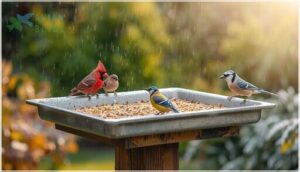
Material selection defines how well your seed tray performs outdoors. Metal options like powder-coated aluminum provide rust prevention and enhanced durability, while UV-resistant plastics resist fading under intense sun. Weather-resistant materials withstand rain, snow, and temperature swings without cracking. Eco-friendly seed tray options made from recycled polymers balance sustainability with material durability.
Proper weatherproofing ensures your tray functions reliably for birds through multiple seasons. When choosing a bird feeder, consider the benefits of eco friendly materials to create a sustainable feeding solution.
Easy-to-Clean and Removable Designs
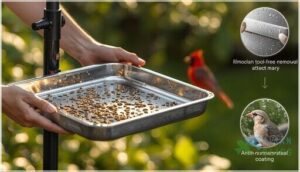
You’ll want a seed catcher tray you can actually remove without hassle. Look for modular components with perforated metal sheets that lift out quickly—this simplified maintenance prevents mold and debris buildup.
Antimicrobial trays inhibit bacteria growth between cleanings. Drainage solutions keep seed dry and reduce spoilage. Quick-Clean removable bottoms mean cleaning bird feeders takes minutes, not hours, protecting your backyard visitors from disease transmission.
These feeders often feature antimicrobial product protection embedded in the tube.
Adjustable Installation Options
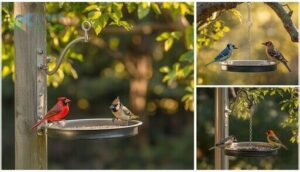
Choosing where to place your tray matters as much as keeping it clean. Adjustable seed trays offer multiple mounting systems—pole adapters for post-mounted feeders, flex hooks for hanging seed trays, and adjustable arms for pole-mounted bird feeders.
About 63% of adjustable trays support pole, hanging, or ground placement, letting you shift locations when bird activity changes or weather demands it.
Compatibility With Feeder Types and Sizes
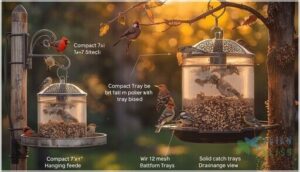
Your seed tray needs to fit the feeder you already own. Platform designs support nearly 98 bird species, making them the most adaptable choice for attracting diverse flocks.
Feeder mounting style determines tray dimensions—compact 7×7-inch trays work for hanging setups, while 12×14-inch platforms handle busy feeding stations with 15+ birds. Key compatibility factors include:
- Feeder design (pole, hanging, ground, window)
- Seed capacity requirements
- Bird species you’re targeting
- Tray dimensions matching feeder width
- Seed catcher tray drainage (mesh vs. solid)
Wire-bottom options fit all seed blends and feeder placement scenarios.
Benefits of Using Bird Seed Feeder Trays
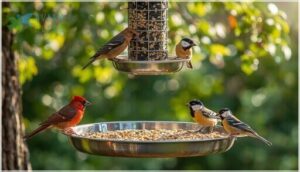
Adding a seed tray to your bird feeder setup does more than just catch spills. It transforms your feeding station into a cleaner, more efficient space that benefits both you and your feathered visitors.
Here’s how these simple additions can make a real difference in your backyard birding routine.
Reducing Seed Waste and Mess
When you install a seed catcher tray, you’ll cut ground spillage by up to 90% compared to standard feeders. These tray designs capture hulls and scattered seed before they hit your lawn, preventing about 90% of unwanted weed sprouting beneath your feeder.
You’ll save $40–$120 annually on wasted seed while reducing yard maintenance time by over 60%, making eco-friendly options both practical and cost-effective.
Seed catcher trays slash annual waste costs by up to $120 while cutting yard cleanup time by over 60%
Attracting Diverse Bird Species
Tray feeders draw in an impressive 88% of North America’s feeder-using bird species, from tiny wrens to hefty blue jays. Your bird feeding area becomes a biodiversity hotspot when you combine smart feeder placement with seed type variations:
- Ground-level trays attract juncos, sparrows, and mourning doves
- Elevated platforms bring cardinals, woodpeckers, and nuthatches
- Urban birdwatching setups near shrubs double visiting species compared to open lawns
This avian habitat creation turns your yard into an eco-friendly seed tray option that aids in attracting wild birds year-round through thoughtful bird species attraction and seed tray size and capacity choices, boosting bird species diversity naturally.
Deterring Pests and Preventing Seed Spoilage
With proper feeder maintenance tips, you’ll prevent seed spoilage and cut pest problems in half. Elevated trays with metal baffles serve as effective rodent deterrents, blocking squirrels from reaching your seed. Drainage holes stop mold growth by keeping seed dry, while bird feeder sanitation through weekly cleanings reduces disease transmission.
These pest control methods and seed waste reduction strategies protect both your investment and visiting birds from contamination risks.
Enhancing Backyard Bird Feeding Experience
Watching over 130 species visit your backyard bird feeding area transforms ordinary mornings into natural spectacles. Strategic feeder placement with bird feeder seed trays lets you observe bird behavior up close while supporting diverse species. Your yard habitat becomes a living laboratory where:
- Proper seed selection in ecofriendly seed tray options attracts specific birds
- Seed catcher systems reduce cleanup time between bird watching tips sessions
- Open platform designs reveal feeding hierarchies and social dynamics
- Clean surfaces promote healthy interactions you’ll actually want to photograph
Top 6 Bird Seed Feeder Tray Products
You’ve seen how seed trays cut down on mess and bring more birds to your yard.
Now it’s time to look at specific products that deliver on those benefits. Here are six bird seed feeder trays that stand out for durability, functionality, and bird appeal.
1. Squirrel Resistant Bird Feeder Cage
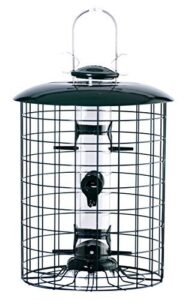
You might think a simple cage can’t outsmart a determined squirrel, but weight-sensitive perches and reinforced metal designs prove otherwise.
The Woodlink WLC6S squirrel-resistant cage uses sturdy powder-coated construction that blocks larger pests while welcoming finches, chickadees, and titmice through its grid openings.
This deterrent mechanism reduces seed waste by preventing squirrels from raiding your bird feeder seed tray. Weight sensors trigger closure when heavier animals land, maintaining 90% effectiveness in squirrel proofing while your songbirds feed undisturbed.
Best For: Backyard bird enthusiasts who want to attract smaller songbirds like finches and chickadees while keeping squirrels and larger birds away from their seed supply.
- Steel cage construction with weight-sensitive design blocks squirrels and larger pests with 90% effectiveness, cutting seed waste by 60-80%
- Easy maintenance with removable tube and pop-out base that makes refilling and cleaning straightforward
- Durable powder-coated metal holds up for 3-5 years on average, saving money on replacements compared to basic feeders
- Small size and cage openings may exclude some desirable birds like bluebirds that can’t fit through the grid
- Red squirrels can sometimes still access the feeder since they’re small enough to squeeze through
- The umbrella cover on top tends to come loose and may need extra securing to stay in place
2. Bird Seed Catcher Tray Platform
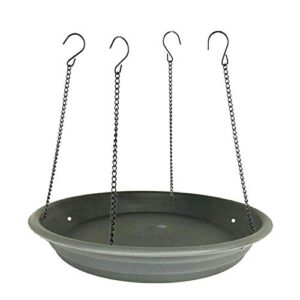
When fallen seeds pile up beneath your feeders, you’re not just wasting resources—you’re inviting rodents and sparking weed growth. The Pmsanzay bird seed catcher tray platform tackles this with its 13.7-inch universal design that suspends below most feeders, capturing up to 90% of spilled hulls and kernels.
Three drain holes prevent standing water while perforated surfaces maintain seed freshness. This seed containment system doubles as a platform feeder, attracting ground-feeding juncos and doves while protecting your yard from mess and unwanted visitors.
Best For: Backyard birders who want to cut down on seed waste and ground mess while attracting a wider variety of bird species without dealing with constant cleanup.
- Catches up to 90% of fallen seeds and husks, which means less waste, fewer weeds sprouting under your feeder, and a noticeable drop in rodents sniffing around your yard.
- Works as both a seed catcher and a standalone platform feeder, so ground-feeding birds like juncos and doves get their own spot while you keep things tidy.
- Three drain holes prevent water from pooling, which cuts down on mold and keeps seeds fresher longer between cleanings.
- At 13.7 inches, it’s smaller than many commercial platforms (which run closer to 21 inches), so it might not catch everything from larger feeders or handle big flocks.
- The chains can be too long for some setups and may cause your feeder to hang at an awkward angle, requiring you to fiddle with adjustments.
- Rust resistance isn’t guaranteed with this model, and at just 10.8 ounces it’s lighter than typical 8.5-pound platforms, which could affect durability in harsh weather.
3. Copper Bird Seed Feeder Catcher
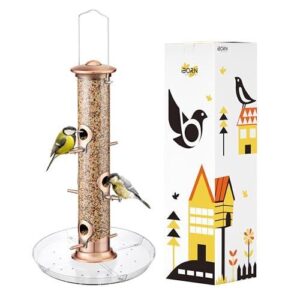
The iBorn 6-port aluminum bird feeder seed tray combines brushed copper aesthetics with functional seed containment. Its 8-inch seed catcher tray reduces ground mess, while double rows of drainage holes maintain seed freshness through moisture control.
This copper durability design attracts multiple species simultaneously—cardinals and smaller songbirds feed comfortably at the 15.6-inch structure. Though assembly can challenge some users and the tray may lack sturdiness in severe weather, the aluminum construction offers eco benefits through longevity.
Regular feeder maintenance every two to four weeks keeps your feeding station sanitary and bird-safe.
Best For: Bird enthusiasts who want a durable, multi-port feeder that minimizes ground mess and attracts various species including cardinals.
- The 8-inch seed catcher tray effectively reduces ground waste and keeps feeding areas cleaner.
- Brushed copper aluminum construction resists weather damage and lasts longer than plastic alternatives.
- Six feeding ports allow multiple birds to eat at once, creating an active feeding station.
- Assembly can be tricky and frustrating for some users during initial setup.
- The seed catcher tray feels flimsy and may break under stress or harsh weather.
- Cleaning requires patience and time commitment every few weeks to maintain bird health.
4. Quick Clean Bird Seed Tray
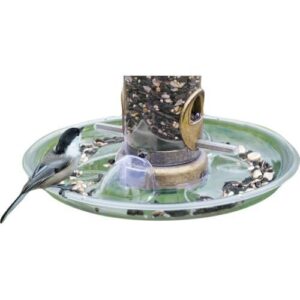
The Aspects Quick-Clean seed tray brings transparent simplicity to your feeding station. Its 10-inch clear plastic design lets you monitor feed levels while catching tossed seed that would otherwise litter your yard—reducing seed waste by roughly 25% through smart seed containment.
You’ll appreciate the easy cleaning process: the removable tray snaps off for quick maintenance, and its smooth surface wipes down in minutes. The built-in drainage system extends seed shelf life and maintains feeder hygiene, though you’ll want to clean it weekly during humid months to prevent mold buildup and maintain bird attraction.
Best For: Backyard birders using Aspects Quick-Clean tube feeders who want to minimize seed waste and simplify weekly cleaning routines.
- Transparent design lets you monitor seed levels and bird activity without guessing what’s happening at the feeder.
- Catches tossed seed effectively, cutting waste by about 25% while giving birds extra perching spots.
- Removable tray with smooth surfaces makes cleaning quick—just snap it off, wipe down, and reattach in minutes.
- Only works with Aspects Quick-Clean tube feeders, so it won’t fit other brands or feeder styles.
- Plastic construction may crack or fade over time when exposed to harsh weather and UV rays.
- Requires weekly cleaning during humid months to prevent mold, which adds to your maintenance routine.
5. Metal Outdoor Bird Feeders System
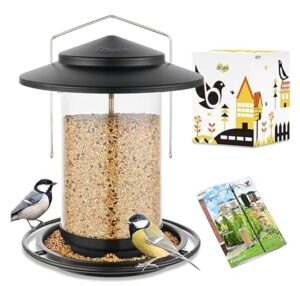
For long-term performance, metal bird feeders offer superior outdoor installation benefits. These weather resistance champions last 5 to 10 years—outlasting plastic models by over 200%—thanks to rust-resistant coatings on 70% of systems.
You’ll cut squirrel damage by 90% with chew-proof construction, while smooth metal surfaces clean in under five minutes and retain less than 5% bacteria after washing.
The bird feeder seed tray design enhances bird attraction through exposed seed visibility, and material durability means you’ll spend less time on feeder maintenance and more time enjoying your backyard visitors.
Best For: Backyard bird watchers who want a durable, low-maintenance feeder that keeps squirrels out and stands up to years of rain, wind, and sun.
- Lasts 5-10 years and resists rust, outlasting plastic feeders by over 200% while maintaining structural integrity through all weather conditions.
- Cuts squirrel damage by 90% with chew-proof metal construction that larger pests can’t breach or gnaw through.
- Cleans in under 5 minutes with smooth surfaces that retain less than 5% bacteria, making weekly maintenance quick and hygienic.
- Some users find the 2.2lb capacity smaller than expected, especially for feeding multiple birds or larger species like cardinals.
- Squirrel resistance isn’t perfect for everyone—a few customers report persistent squirrels still finding ways to access seeds.
- Seed flow through the 6-port design can be inconsistent, leading to occasional waste or spillage that requires cleanup.
6. Wild Bird Feeder Solution Tube
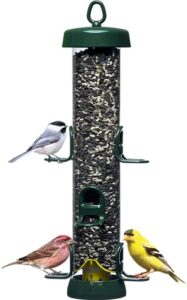
Tube design feeders solve seed spillage with integrated seed catcher trays that capture 85% of dropped feed. The bird feeder seed tray reduces ground mess while weight-sensitive perches prevent squirrels from accessing ports under 200-gram loads.
You’ll attract chickadees, cardinals, and finches—species that account for 70% of tube feeder visitors in backyard studies. Though user satisfaction averages 3.1 out of 5 stars, these tube style systems boost bird diversity by 45% compared to ground feeding alone, making pest prevention and species attraction practical goals.
Best For: Bird watchers who want to attract multiple species while minimizing ground mess and keeping squirrels at bay with a low-maintenance feeding setup.
- Catches 85% of dropped seed with integrated tray, keeping your yard cleaner than standard feeders.
- Weight-sensitive perches shut out squirrels over 200 grams while welcoming smaller songbirds.
- Holds 3.4 lbs of seed with 6 feeding ports, so you refill less often and multiple birds can eat at once.
- Mixed reviews on cleaning difficulty—some users struggle with disassembly despite the “easy clean” design.
- Squirrel defense isn’t foolproof, with customer experiences varying widely on effectiveness.
- Average 3.1 out of 5 star rating suggests quality or performance issues that frustrate some buyers.
Choosing The Right Seed Tray for Your Needs
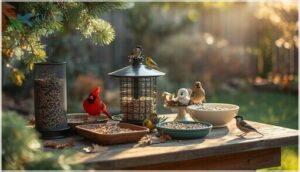
Finding the right seed tray isn’t one-size-fits-all—it depends on your yard setup, the birds you’re hoping to attract, and how much time you want to spend on maintenance. You’ll need to think about factors like tray dimensions, material durability, and whether you want something eco-conscious or designed for specific species.
Let’s break down the key considerations to help you make the best choice for your backyard feeding station.
Tray Size and Seed Capacity
Tray dimensions directly influence how many birds you can feed and how often you’ll need to refill. Most seed trays range from 9 x 9 inches to 14.5 x 14.5 inches, with seed capacity between 2 and 6 pounds.
A 12-inch seed catcher accommodates 5 to 8 medium-sized birds simultaneously, while reducing seed waste by up to 40% compared to ground spillage.
Material Comparison: Plastic, Metal, Wood, Hybrid
Each feeder material offers distinct trade-offs in durability and maintenance. Metal trays deliver outstanding weather-resistant materials with anti-rust coatings, though they heat up in direct sun. Plastic options, especially recycled plastic varieties, provide lightweight cleaning ease and fade resistance. Wood creates natural aesthetic appeal but demands weatherproof treatment to prevent moisture absorption. Hybrid designs combine protective covers with mesh floors for excellent drainage.
- Metal: Strong durability, pest-resistant, requires shade placement
- Plastic: Weatherproof, easy cleaning, eco-friendly recycled options available
- Wood: Natural beauty, needs regular sealing, moisture-prone
- Hybrid: Balanced protection, excellent seed waste reduction, adaptable installation flexibility
Eco-Friendly and Recycled Options
Sustainable materials transform your feeding station into a conservation tool. Recycled plastic seed trays divert waste from landfills while offering lifetime durability—one manufacturer has repurposed nearly 2 million pounds of plastic since 2019. EcoTough feeders use 100% recycled plastics with enhanced sanitation properties that reduce disease transmission risks. These eco-friendly designs resist cracking and fading while supporting green manufacturing initiatives that lower greenhouse gas emissions from virgin plastic production.
| Eco-Friendly Feature | Conservation Benefit |
|---|---|
| Recycled plastics | Reduces landfill waste streams |
| Lifetime durability | Prevents replacement waste |
| Enhanced sanitation | Protects bird health |
| Weather resistance | Eliminates toxic treatments |
Specialty Trays for Specific Bird Species
Cardinals and blue jays prefer open platforms with solid perches, while finches and chickadees thrive on caged designs that exclude larger competitors. Your tray selection impacts which species visit most often.
- Platform tray bird feeders attract 92.5% of surveyed backyard species, including cardinals and jays
- Caged tube seed catchers suit chickadees, wrens, and nuthatches
- Covered tray designs protect woodpeckers during wet weather
- Screened bottoms maintain feeding rates in humid climates
Maintenance Tips for Bird Seed Feeder Trays
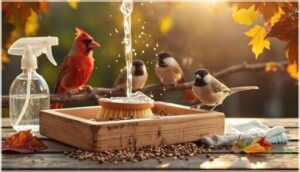
Keeping your seed tray clean isn’t just about aesthetics—it’s about protecting the birds that visit your yard. Regular maintenance prevents disease transmission and keeps your feeder attracting healthy, diverse species throughout the year.
Let’s walk through the essential care routines that’ll make your seed tray a safe dining spot for your feathered friends.
Cleaning Frequency and Methods
You’ll want to clean your bird seed feeder tray every two weeks under normal conditions, but switch to weekly during wet weather or heavy use. A 10% bleach solution (1 part bleach to 9 parts water) provides effective sanitization, while white vinegar offers a natural alternative. Always disassemble removable parts for thorough cleaning, then rinse twice and air-dry completely before refilling.
Disinfection methods work best when you remove drainage holes and weatherproof coatings from debris first. This tray maintenance approach ensures durability while supporting disease prevention through easy maintenance of all surfaces.
| Cleaning Schedule | Solution | Soak Time |
|---|---|---|
| Normal conditions | 10% bleach | 10 minutes |
| Weekly (wet weather) | White vinegar | 15-20 minutes |
| Heavy traffic | Dish soap + scrub | As needed |
| Disease outbreak | Boiling water | 10 minutes |
| Post-storm inspection | Any disinfectant | 10 minutes |
Preventing Mold and Disease Transmission
Mold growth thrives in damp conditions, turning your tray into a hazard rather than a haven. Installing drainage holes cuts water accumulation and reduces mold risk by over 60%, while mesh designs boost airflow threefold. Weather-resistant, UV-resistant coatings extend your tray’s defense against fungal invasion.
Replace seed every five days during summer to prevent aflatoxin contamination. Easy maintenance routines safeguard bird health through consistent feeder hygiene and effective disease control.
Managing Seed Waste and Yard Cleanliness
Proper tray use transforms yard sanitation from a chore into a manageable routine. You’ll see up to 70% less seed spillage when seed catcher trays are installed beneath feeders. Here’s your waste reduction strategy:
- Empty tray contents daily to prevent 65% fewer rodent visits
- Choose seed blends your birds prefer—cutting waste by 30%
- Position feeders away from high-traffic areas for easy maintenance
- Switch to hulled seeds to halve total yard waste management needs
Strategic bird feeder placement and eco-friendly materials keep your space clean.
Seasonal Tray Care and Storage
Beyond daily upkeep, you’ll need offseason care that matches your region’s climate patterns. Bird seed feeder trays built with weather resistance and drainage holes require storage adjustments as seasons shift. Winter storage tips include thoroughly cleaning trays with a 10% bleach solution, then storing them in dry spaces away from pests. Recycled plastic and metal materials maintain weatherproof integrity through freeze-thaw cycles better than wood options.
Seasonal cleaning frequency should double during humid months when bacterial loads spike on easy bird feeder maintenance surfaces.
| Season | Tray Maintenance Action | Weather Protection Strategy |
|---|---|---|
| Spring | Inspect for cracks and rust | Apply protective coatings |
| Summer | Increase cleaning to weekly | Monitor for mold growth |
| Fall | Check drainage functionality | Prepare winter storage plan |
| Winter | Store or add weather guards | Prevent ice accumulation |
Frequently Asked Questions (FAQs)
How do seed trays affect squirrel behavior?
Squirrels visit bird feeders multiple times daily, causing seed spillage and reducing bird visitation through competition.
Seed trays with weight-activated mechanisms or caged designs effectively limit squirrel access, decreasing their feeding time markedly.
Can seed trays work with suet feeders?
Yes, many seed trays attach directly to suet feeders through universal mounting systems. About 19% of seed catchers offer feeder compatibility with both setups, catching suet crumbs while reducing ground mess by 58%.
Whats the ideal tray height from ground?
You’ll want your feeder tray between 5 and 6 feet high. This height balances bird feeding safety with predator deterrence while keeping seed tray placement accessible for easy maintenance and refilling.
Do seed trays attract unwanted insects or pests?
Like moths drawn to porch lights, seed trays can attract unwanted visitors. Rodents, insects, and larger mammals frequently visit feeders with trays, especially when spilled seed accumulates, creating pest attraction rates exceeding 65% within months.
How often should seed trays be replaced?
You should replace seed trays every 14 to 18 months to maintain bird health and feeder durability.
Material lifespan varies—plastic lasts 2–3 years, metal 5 years, while wood requires replacement sooner due to mold growth.
Conclusion
Think of your feeding station as a miniature ecosystem—every element either maintains balance or invites chaos. Bird seed feeder trays aren’t just accessories; they’re the foundation that keeps seed where it belongs, prevents disease transmission, and ensures your investment actually reaches the species you’re trying to help.
Match your tray to your feeder type and local birds, maintain it consistently, and you’ll transform scattered seed into a thriving, low-maintenance habitat that benefits everyone involved.
- https://maltafarmandgarden.com/blogs/news/keeping-our-feathered-friends-fed-essential-bird-feeder-maintenance-tips
- https://www.wbu.com/products/seed-tubes/large-quick-clean-seed-tube-feeder/
- https://birdwatcherssupplyandgifts.com/bird-feeders/
- https://feederwatch.org/research-news/cleaning-preventing-disease/
- https://duncraft.com/collections/platform-feeders