This site is supported by our readers. We may earn a commission, at no cost to you, if you purchase through links.
Most seed mixes sold for pet birds look complete on the label—but they leave out vitamin A, D3, and calcium at rates that quietly damage bones, eyesight, and eggshells over months. For bird watching enthusiasts who also keep birds at home, that gap between what a bird eats and what it actually needs can mean the difference between a bird that thrives and one that slowly declines.
Avian vitamins for bird watching enthusiasts aren’t just a niche product category—they’re a practical tool for closing nutritional gaps that even attentive owners miss. Knowing which vitamins matter, which birds need them most, and how to use them safely puts real health outcomes within reach.
Table Of Contents
- Key Takeaways
- What Vitamins Matter Most for Birds?
- Which Birds Benefit From Supplements?
- Why Minerals and Amino Acids Matter
- How to Use Avian Vitamins Safely
- How to Choose a Bird Supplement
- Frequently Asked Questions (FAQs)
- What are the most important vitamins for birds?
- Can wild birds benefit from vitamin supplements?
- How does molting affect a birds nutrient needs?
- Do seasonal changes impact avian vitamin requirements?
- Are liquid vitamins better than powder for birds?
- How long until supplements show visible health results?
- Conclusion
Key Takeaways
- Most seed-only diets commonly lack vitamin A, D3, and calcium, and those gaps can damage your bird’s bones, eyesight, and feathers long before you notice any problems.
- Fat-soluble vitamins A, D, E, and K build up in the liver over time, so more is not better—dosing above species-specific thresholds can cause serious harm.
- Birds with the greatest need for supplements include chronic egg layers, indoor birds without UVB access, and any bird eating mostly seeds or fruit.
- A full-spectrum, sugar-free powder with calcium gluconate and ultrafine particles gives your bird the best chance of actually absorbing what’s in the supplement.
What Vitamins Matter Most for Birds?
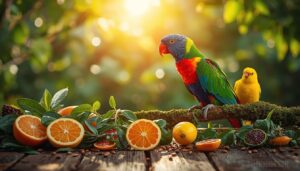
Not all vitamins do the same job, and birds need the right ones to truly thrive. Your bird’s diet is the foundation, but knowing which vitamins carry the most weight helps you make smarter choices.
A closer look at essential vitamins for bird health can help you spot the gaps a seed-heavy diet often leaves behind.
Here are the ones that matter most.
Vitamin a for Vision, Skin, and Immune Health
Vitamin A is one of the most essential vitamins for birds, quietly running things behind the scenes. It drives retinal rhodopsin production, enabling birds to see clearly in dim light and preventing night blindness.
Vitamin A also supports epithelial moisture retention, which is critical for maintaining healthy skin and feathers. Without sufficient Vitamin A, mucosal immunity drops fast, compromising overall health.
Birds relying on fruit and vegetable diets depend on carotenoid conversion efficiency to meet their Vitamin A needs, as plant sources require this process to become bioavailable.
Vitamin D3 for Calcium Absorption and Bone Strength
Just as Vitamin A keeps tissues healthy, D3 keeps bones strong. Here’s what it does:
Adequate intake ensures vitamin D aids calcium absorption for peak bone health. This occurs through three key mechanisms:
- The active D3 form activates intestinal transporters to pull calcium from food into the bloodstream.
- It drives bone remodeling, helping calcium deposit correctly into hard tissue.
- Low D3 raises parathyroid hormone, which quietly strips calcium from bones over time.
Seasonal sunlight helps, but indoor birds require Vitamin D3-enriched bird products as a reliable calcium source and for overall avian health.
Vitamin E for Antioxidant Support and Muscle Function
Bones need D3, but muscles need Vitamin E. Think of it as your bird’s built-in shield against cellular damage. As a chain-breaking antioxidant, Vitamin E delivers oxidative muscle protection by neutralizing free radicals before they damage flight muscle performance.
Without sufficient Vitamin E, bird vitamins cannot prevent muscle dystrophy — a condition where white streaks in breast tissue serve as a critical warning sign.
Selenium synergy naturally amplifies these protective effects.
Vitamin K for Normal Blood Clotting
Beyond antioxidant protection, your bird’s blood needs something quite as important. Vitamin K drives clotting factor synthesis in the liver — without it, prothrombin activation fails, and even minor injuries can bleed longer than they should.
Through the vitamin K cycle, K1 performs most of this work. As part of any bird health supplement, it’s a small nutrient doing a big job.
B-complex Vitamins for Energy and Nerve Function
Think of the B-complex family as your bird’s internal power grid. Thiamine, riboflavin, and niacin drive mitochondrial ATP production, fueling everything from flight to foraging. B6, B9, and B12 support neurotransmitter synthesis and cognitive alertness, while B12 specifically aids peripheral nerve regeneration.
Seed-heavy diets often cause vitamin deficiencies in birds, making these essential vitamins and minerals a core part of any bird health supplement routine.
Which Birds Benefit From Supplements?
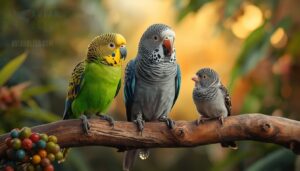
Not every bird needs a supplement — but some really do. The gap between what a bird eats and what it actually needs can quietly cause real health problems.
Here’s a look at which birds tend to benefit most.
Companion Birds on Seed-based Diets
Seed diets look full but often leave real gaps. Most mixes fall short on essential vitamins and minerals for birds — raising serious seed diet deficiencies that quietly affect your companion bird over time.
Adding a quality supplement — like those covered in this guide to avian vitamins and targeted bird nutrition — can quietly fill the gaps a seed-only diet leaves behind.
- Bone fragility risks from low calcium and vitamin D3
- Feather quality decline linked to vitamin A shortfalls
- Metabolic stress factors from missing amino acids like lysine
- Behavioral changes diet-driven by nutrient imbalances
Nutritional supplementation for companion birds helps close those gaps — especially with formulations designed for seed-based bird diets.
Birds Eating Mostly Fruits and Vegetables
Fruits and vegetables offer real nutrition, but they don’t cover everything. Seasonal fruit availability creates gaps year-round — what’s abundant in summer dwindles by winter.
Dark greens support calcium, carrots deliver beta carotene, yet protein augmentation, fiber management, and digestive enzyme support still fall short. These deficiencies persist despite the benefits of whole foods.
Multivitamin powders for healthy birds help fill those gaps, making nutritional supplementation for companion birds a smart, consistent habit.
Chronic Egg-laying Birds With Higher Calcium Demands
Chronic egg layers — cockatiels, lovebirds, and budgies especially — drain calcium faster than most birds can replace it. Every egg pulls from medullary bone turnover, quietly weakening the skeleton.
Without calcium supplementation timing aligned to hormonal laying triggers, eggshell quality drops and bone fracture prevention becomes impossible.
Feeding strategies for chronic egg layers must prioritize calcium as a core essential mineral, not an afterthought.
Indoor Birds With Limited UVB Exposure
Glass blocks UVB, and most indoor birds never get what they need to make vitamin D3. Without it, calcium absorption drops, and metabolic bone disease becomes a real risk. Feather integrity, circadian rhythm, and behavior all suffer as well.
Watch for these signs your bird needs UVB lighting design and vitamin D3 supplementation:
- Dull or brittle feathers
- Reluctance to perch or a cautious gait
- Irregular sleep or mood swings
- Low energy and reduced playfulness
- Poor feather condition despite a good diet
Birds on Complete Pellet Diets That May Not Need Extras
If your bird already eats a quality pellet diet, extra supplements may do more harm than good. Pellets achieve nutrient completeness by design — covering essential vitamins and minerals for birds without the gaps a pellet vs seed diet creates.
Following species guidelines during pellet changeover simplifies feeding, promotes consistent vitamin-mineral balance, and can mean reduced vet visits over time.
| Pellet Diet Benefit | What It Means for Your Bird |
|---|---|
| Nutrient completeness | No missing vitamins or minerals daily |
| Simplified feeding | No need for extra bird health supplements |
| Balanced amino acids | Promotes growth, feather, and muscle repair |
| Reduced supplement risk | Avoids fat-soluble vitamin toxicity |
Why Minerals and Amino Acids Matter
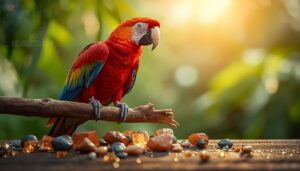
Vitamins get a lot of attention, but minerals and amino acids are just as important for keeping your bird healthy. Without them, even a vitamin-rich diet leaves real gaps.
Here’s what each component does and why it belongs in your bird’s daily routine.
Calcium for Bones, Eggshells, and Muscle Health
Calcium is the foundation of your bird’s health. It builds bones, fuels muscle contractions through sarcoplasmic calcium flux, and drives eggshell calcium budgeting—each shell requiring up to 2.4 grams of calcium carbonate.
Chronic layers draw from medullary bone reserves, risking osteopenia.
Calcium gluconate offers a sugar-free calcium source for birds, making mineral supplementation safer and more effective.
Trace Minerals That Support Metabolism and Feather Condition
Beyond calcium, trace minerals quietly run the show. Zinc acts as an enzyme cofactor, powering over 300 metabolic processes, while manganese strengthens feather integrity from the inside out. Copper drives keratin synthesis, and selenium provides antioxidant defense during molting.
- Zinc prevents feather fraying in growing birds
- Manganese strengthens feather tissue structure
- Copper protects shaft and beak keratin
- Selenium shields follicles from oxidative stress
- Chelated mineral bioavailability means lower doses, better results
Essential Amino Acids for Growth and Repair
Minerals lay the groundwork, but amino acids do the building.
Lysine Optimization promotes breast muscle development, while Methionine Balance drives tissue repair and helps your bird absorb zinc and selenium more effectively.
Arginine Supplementation promotes steady weight gain, and meeting Threonine Requirements keeps protein synthesis on track.
Getting Branched-Chain Ratios right means stronger feathers and faster recovery — avian amino acids aren’t optional; they’re foundational.
Nutrient Support During Molting and Recovery
Molting puts real stress on your bird’s body. Feathers are 91% keratin, so a solid protein boost matters.
Biotin supplement support, Zinc Enrichment for follicle health, and Antioxidant Therapy with vitamin E and selenium protect new growth. Omega Enrichment adds shine and pliability.
These Molting Support Supplements for Birds, combined with quality Avian Vitamin and Mineral Products, make recovery noticeably smoother.
How Balanced Formulas Help Fill Dietary Gaps
A seed-heavy diet is like a puzzle missing half its pieces. That’s where bird dietary supplements come in. Balanced Avian Vitamin and Mineral Products address nutrient gaps through Calcium Phosphorus Ratio correction, Amino Acid Completeness, and Trace Mineral Synergy.
These formulations enhance Nutrient Bioavailability and Protein Ratio Optimization, ensuring companion birds receive their full nutritional requirements. A quality Multivitamin Powder for Healthy Birds bridges these critical gaps, transforming incomplete diets into balanced nourishment.
How to Use Avian Vitamins Safely
Getting vitamins right matters, but how you use them matters just as much. Too little won’t help, and too much can actually hurt your bird.
Here’s what you need to know to supplement safely.
Mixing Powder Thoroughly Into Food
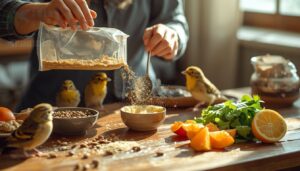
Getting the powder into your bird’s food the right way makes all the difference. Ultrafine dispersion means the supplement coats every piece evenly — no hot spots, no waste.
- Shake mixing: Seal seeds and powder in a bag, shake for 20 seconds
- Paste integration: Mix into warm water first, then stir into mash
- Stirring soft foods: Blend continuously for one minute until uniform
- Moist adhesion: Sprinkle over greens or chopped fruit and toss lightly
Matching Supplements to Seed, Fruit, and Vegetable Diets
Your bird’s diet shapes which supplement it actually needs. Seed mineral balance matters most for millet-heavy feeders—think calcium and zinc gaps. Fruit sugar balance calls for fruit-flavored bird powder that’s low in added sugars. Veg antioxidant coverage suits greens-forward birds needing D3 and E support.
Matching custom diet ratios and temporal supplement cycles to seed, vegetable, and fruit-based diets keeps your bird’s dietary requirements genuinely covered.
Avoiding Over-supplementation of Vitamins A, D, E, and K
Too much of a good thing can quietly hurt your bird. Fat-soluble vitamins A, D, E, and K build up in the liver — they don’t flush out daily. Blood level testing before starting bird supplements helps you avoid guesswork. Tapering dosage based on species thresholds and seasonal sunlight exposure matters, too.
Fat-soluble vitamins don’t flush out daily — they build up, and too much can quietly harm your bird
Watch for these cumulative tracking red flags:
- Excess vitamin A damages the liver at just 3,000 mcg per kg of diet
- Vitamin D3 supplementation above 1,000 IU per kg triggers dangerous hypercalcemia
- Vitamin E over 2,000 IU per kg weakens bone mineralization
Maintaining vitamin-mineral balance protects your bird’s long-term health.
Watching for Toxicity and Imbalance Signs
Your bird’s body keeps score. Watch for eye swelling, skin dermatitis, and feather picking — these are early signs of vitamin-mineral balance breaking down.
Lethargy and polyuria detection matter too: excessive drinking paired with low energy often signals D3 excess.
Consistent bird health monitoring protects against supplement dosage issues and keeps nutritional requirements balanced.
Pairing Supplements With Fresh Water and Proper Lighting
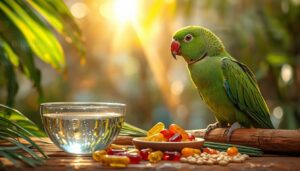
Fresh water and proper light aren’t extras — they’re the foundation your supplement routine stands on.
- Change water daily and mix supplements fresh each time for reliable hydration and dosage consistency.
- Water dosing timing matters: prepare small amounts so your bird drinks the full dose that day.
- UVB basking placement works best over a perch your bird already uses regularly.
- Follow a consistent light exposure schedule and consider seasonal lighting adjustments as daylight hours shift.
How to Choose a Bird Supplement
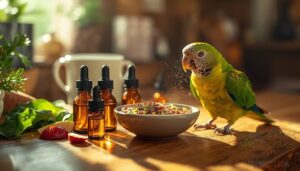
Not every supplement on the shelf is worth your bird’s bowl. The right choice comes down to a few key factors that make a real difference in how well your bird actually absorbs and accepts what you’re giving.
Here’s what to look for.
Full-spectrum Formulas With Vitamins and Minerals
Look for a full-spectrum vitamin and mineral formula that covers your bird’s complete dietary requirements for companion birds. Products like Prime Vitamins Mineral Supplement or FastVit Avian Multivitamin Powder use carrier technology and bioavailability enhancement to help nutrients actually absorb.
Micronutrient synergy matters — a 14-vitamin and 9-mineral combination working together outperforms single-nutrient options. Stability testing confirms potency holds over time.
Sugar-free Options for Sensitive or Egg-laying Birds
Sugar matters more than you’d think. Added sugars feed Candida albicans in your bird’s gut, causing yeast infections — especially in birds on commercial diets. A sugar-free powder supplement for birds cuts that risk directly.
For egg-laying bird nutrition and feather enhancement, pelleted low-sugar formulas work best. These diets offer:
- Yeast prevention through sugar elimination
- Obesity prevention for sensitive parrots
- Safer diet shift with gradual pellet mixing
- Improved vitamin-mineral balance without overload
- Assists chronic egg-layers needing stable calcium
Calcium Gluconate as a Functional Carrier
Calcium gluconate serves a dual nutrient role in bird supplements, acting as both a binding agent and a genuine calcium source. This contrasts with sugar-based binders, which lack nutritional value.
Its meaningful difference lies in functional advantages: solubility benefits ensure even vitamin dispersion, while shelf-life stability eliminates fermentation risks. Unlike sugar-based alternatives, it provides sugar-free binding that supports sensitive avian digestive systems.
In avian nutrition, this dual functionality addresses both structural and nutritional needs, making it a superior choice for bird health and supplement formulation.
Ultrafine Powders for Even Distribution
Beyond the carrier, particle size significantly impacts how effectively nutrients reach your bird. Ultrafine powder consistency—with particles below 10 microns—ensures adhesion to seeds and penetration into soft foods, rather than merely sitting on the surface. This factor is critical for achieving dietary variety in avian nutrition.
- Adhesion longevity: Coating survives shaking and preening.
- Moisture penetration: Absorbs evenly into mashed fruits.
- Caking prevention: Resists humidity during storage.
- Uniform bioavailability: Eliminates nutrient hotspots per bite.
Ultrafine consistency ultimately enables reliable, consistent avian nutrition daily.
Flavor and Palatability for Consistent Intake
Even the best supplement fails if your bird won’t eat it. That’s why fruit aroma and texture pairing matter more than most owners realize.
Exotic fruit flavoring — think banana, papaya, or pineapple — drives species preference and aids aroma continuity across daily feedings.
Sugar-free powder supplements for birds use sweetness mimicry without glucose risks.
Ultrafine powder consistency enhances palatability of fruit-flavored bird supplements, ensuring your bird takes every dose.
When to Consult an Avian Veterinarian Before Supplementing
Before you open any supplement, a baseline health exam tells you what your bird actually needs. Birds hide illness well — by the time you notice something’s off, the problem may already be serious. A vet-recommended checkup covers hidden signs of illness, risk of organ disease, and medication interactions that could alter safe supplement dosages for birds.
Talk to your avian vet if your bird:
- Has never had a full physical exam
- Eats mostly seeds, fruits, or vegetables
- Is a chronic egg-layer or a young bird needing age-specific dosing
- Takes medication that may cause interactions
- Shows any behavior or dropping changes
Frequently Asked Questions (FAQs)
What are the most important vitamins for birds?
Birds need a full-spectrum vitamin blend to stay healthy. Vitamin A, D3, E, K, and B-complex each play a distinct role.
From antioxidant capacity to bone strength, their vitamin synergy keeps your bird thriving.
Can wild birds benefit from vitamin supplements?
Wild birds rarely need supplements. A varied diet usually covers their needs.
Focus on feeder hygiene and seasonal food variety instead.
Habitat stress or disease risk may occasionally justify targeted support.
How does molting affect a birds nutrient needs?
Molting triggers a metabolic rate increase that demands more protein, fat energy boost, and sulfur amino acid demand for keratin synthesis surge.
Your bird’s vitamin-mineral balance matters most during this prolonged molt phase.
Do seasonal changes impact avian vitamin requirements?
Yes. Seasonal shifts change what your bird needs. Cold causes vitamin loss, heat increases antioxidant needs, and reproductive periods cause vitamin spikes, all altering demand.
Matching your bird’s diet to these seasonal shifts ensures its vitamin-mineral balance stays on track.
Are liquid vitamins better than powder for birds?
Neither is universally better. Liquid vitamins absorb faster, which helps during stress response.
Powder supplements for birds offer better shelf life, and stability concerns are far lower with proper storage.
How long until supplements show visible health results?
Results vary by goal. Energy can pick up in just 1 to 3 days. Feather regrowth and skin healing take 4 to 8 weeks. Bone strengthening may need 3 to 6 months.
Conclusion
The birds that thrive longest aren’t always the ones with the best genes—they’re the ones whose owners caught the gaps early. Avian vitamins for bird-watching enthusiasts aren’t about doing more; they’re about doing the right things consistently.
A seed-heavy diet looks fine until it isn’t. Correct the shortfalls in vitamin A, D3, and calcium now, and you won’t spend later trying to reverse damage that built up quietly over years.