This site is supported by our readers. We may earn a commission, at no cost to you, if you purchase through links.

Most bird owners spend hours researching diet and toys, then toss any old material on the cage floor without a second thought. That small decision matters more than you’d think—your bird spends most of its life standing on whatever you put down there.
The wrong bedding can trigger respiratory problems, damage sensitive footpads, or quietly harbor bacteria between cleanings. Comfortable bird cage bedding material isn’t a minor detail; it’s a daily health choice.
The good news is that picking the right substrate doesn’t require a science degree—just knowing what works, what doesn’t, and why the difference matters for your specific bird.
Table Of Contents
- Key Takeaways
- Best Bedding Materials for Bird Cages
- Safe Materials to Choose
- Bedding Materials to Avoid
- Comfort Features That Matter
- Top 10 Bird Bedding Products
- 1. Kaytee Walnut Small Animal Bedding
- 2. Small Pet Select Paper Bedding
- 3. MOACC Warm Fleece Bird Nest Hammock
- 4. Critters Comfort Coconut Fiber Bird Bedding
- 5. Sunseed Corn Cob Bedding
- 6. LeerKing Small Animal Hammock Bed
- 7. Natural Coconut Fiber Nesting Material
- 8. Plush Bird Nest Hammock
- 9. Pestell Corn Cob Small Animal Bedding
- 10. Kaytee Kay Kob Natural Corn Bedding
- Best Bedding by Bird Type
- Cleaning and Replacement Schedule
- Choosing The Right Bedding
- Frequently Asked Questions (FAQs)
- How do parrots express anger?
- Can I mix different bedding types together?
- How often should I completely change the bedding?
- What bedding works best for outdoor aviaries?
- Is newspaper ink safe for all bird species?
- How much bedding depth is ideal for cages?
- Can bedding affect a birds egg-laying behavior?
- How does humidity impact bedding performance long-term?
- Which bedding works best in outdoor aviaries?
- Does bedding choice influence feather-plucking tendencies?
- Conclusion
Key Takeaways
- Paper-based and coconut fiber bedding top the safety list because they are low-dust, absorbent, and won’t irritate your bird’s sensitive lungs or feet.
- Cedar, pine, and walnut shell bedding might look natural, but they release oils and sharp particles that can seriously harm your bird—skip them entirely.
- Matching bedding to your bird’s behavior matters: foragers do best with loose paper or corncob, while small parrots often thrive with a cozy hammock instead of floor lining.
- Spot-clean daily and replace all bedding weekly—humidity above 60% turns even good bedding into a mold risk fast.
Best Bedding Materials for Bird Cages
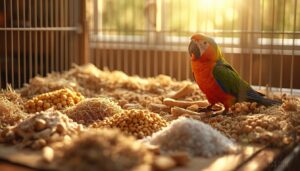
Choosing the right bedding makes a real difference in how comfortable and healthy your bird feels every day. There are a handful of materials that consistently stand out for safety, softness, and easy upkeep.
For a deeper look at what works best, comfortable bird cage bedding options worth considering range from paper-based materials to natural fiber substrates.
Here’s a closer look at the best options worth considering for your cage.
Paper-based Bedding
Paper bedding is one of the safest, most practical choices you can make for your bird’s cage floor. Made from recycled paper composition, it’s soft underfoot, low-dust, and easy to monitor.
- Rapid Moisture Lock keeps the cage floor dry after spills or droppings
- Droppings Visibility on light-colored pelleted paper bedding helps you catch health changes early
- Biodegradable Benefits make recycled paper bedding a guilt‑free, cost‑effective choice
It provides 99% dust‑free performance.
Coconut Fiber Bedding
Coconut fiber bedding takes a different approach, using organic coconut fiber sourced from mature husks. The Elastic Coir Network of hollow fibers stays springy underfoot, while Lignin Reinforcement keeps the material from breaking down quickly.
It offers solid Moisture Regulation Mechanics and natural odor control — and it’s fully biodegradable.
One thing to know: some birds find its wiry texture less appealing than softer options.
Corn Cob Bedding
If you want something drier underfoot, corn cob bedding is worth a look. Sunseed Natural Corn Cob Bedding and Pestell Pet Products Corn Cob Bedding both deliver impressive odor control and are genuinely dust-free. Heat-treated variants improve storage life, while particle uniformity keeps the surface even.
Bird owners particularly appreciate three key advantages:
- Expansion Capacity stretches a small bag surprisingly far.
- Compostable Lifecycle makes disposal guilt-free.
- Bulk Pricing keeps costs manageable long-term.
Hemp Bedding
Hemp bedding takes a different approach — it’s made from hurd, the woody core of the hemp plant, chopped into a soft, straw-like texture that cushions your bird’s feet nicely. Its renewable growth cycle and compost benefits make it a strong choice among eco-friendly pet products.
The fiber softness, low dust levels, and impressive moisture absorption keep bird cage comfort genuinely worry-free.
Aspen Shavings
Aspen shavings are a quietly reliable choice that many bird owners swear by. Each shaving features a fine grain texture and maintains a low-dust environment in the cage.
Thanks to kiln drying, the shavings resist mold naturally, ensuring a healthier habitat.
The strong ammonia-binding properties effectively keep odors down between cleanings, enhancing freshness.
Renewable forestry sourcing makes this product one of the more environmentally friendly pet solutions available.
Hammock Bedding
Hammock bedding takes a completely different approach — instead of lining the cage floor, it gives your bird an elevated, cozy retreat to rest and sleep in. Hook placement matters here, since a well-positioned hammock reduces stress and encourages natural perching behavior.
Options like LeerKing Hammocks Cage Bedding and QBLEEV Hammock Bird Nest Cage Bed come in multi-size hammock styles, offering seasonal insulation through breathable yet warm fleece fabric.
Safe Materials to Choose
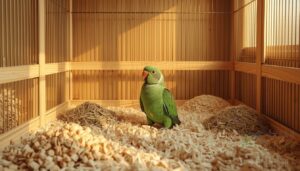
Not every bedding material that looks safe actually is — and with birds, that difference really matters. A few key qualities separate the good options from the ones you’ll want to skip.
Here’s what to look for when choosing bedding you can feel good about.
Low-dust Bedding Options
Your bird’s lungs are surprisingly fragile — even mild dust exposure can trigger chronic respiratory issues. That’s why low-dust bedding isn’t optional; it’s essential. Look for dust-free certifications confirming 99% dust-free performance or better, as highly dust-free materials maintain healthy airflow permeability inside the cage.
Bird lungs are fragile — low-dust bedding isn’t optional, it’s essential
Static charge reduction in quality bedding prevents fine particles from clinging to feathers.
- Paper liners naturally produce a low dust particle count
- Aspen shavings are processed to reduce airborne debris
- Hemp bedding offers dust-free bedding with soft fiber coating tech
- Recycled paper pellets stay highly dust-free even when disturbed
- Static charge reduction in quality bedding prevents fine particles from clinging to feathers
Dye-free and Fragrance-free Materials
Think of dye-free and fragrance-free bedding as the cleaner fine print your bird can’t read but definitely feels. Colorless ingredient sourcing means no synthetic dyes masking the material’s true color, and additive-free labeling keeps the formula simple. EPA fragrance criteria confirm truly scent-free products contain zero masking chemicals — just a natural scent profile from the base material itself.
These sensitivity-friendly formulations work especially well with natural paper and organic pet bedding choices.
Untreated Wood and Natural Fibers
Untreated hardwoods like aspen carry natural antimicrobial properties from their tannins and lignins — no synthetic additives needed. Unlike pine and cedar shavings, they won’t flood your bird’s airways with irritating oils.
Natural paper, natural corn cob bedding, and natural grass or hay share a solid biodegradation timeline, low carbon footprint, and real structural integrity.
Your bird gets a clean, chemical-free floor.
Soft, Non-sharp Walking Surfaces
Footpad pressure relief is crucial for birds due to daily wear and tear on their feet. Soft fleece and flannel surfaces provide non-abrasive texture with gentle traction, ensuring comfort and safety.
Corn cob granules with consistent granule size consistency offer smooth, scrape-free movement underfoot, further protecting sensitive footpads.
Low-dust and dust-free options like hemp also regulate surface temperature, maintaining walking zones that are comfortable, dry, and easy on sensitive feet.
Bedding Safe if Lightly Ingested
Even the most well-supervised bird will peck at what’s underfoot. That’s why choosing gut-friendly particles matters. Natural paper and hemp offer non-toxic pulp that passes with easy passage through your bird’s digestive system.
Their swell-free fibers won’t expand inside the gut, and low dust keeps airways clear. Biodegradable, nontoxic pet supplies like these bring real peace of mind.
Bedding Materials to Avoid
Not every bedding option on store shelves is safe for your bird, and some can cause real harm even with short-term exposure.
A few common materials look harmless but release toxic oils, create dust that damages lungs, or pose serious ingestion risks. Here’s what to steer clear of when shopping for your bird’s cage.
Pine Shavings

Pine shavings might look like a cozy, natural choice, but they’re one to skip for your bird. Even kiln-dried versions release aromatic oils that irritate sensitive respiratory systems.
Particle size and bulk density affect how much dust lingers in the air, and without strong ventilation, those particles build up fast.
Your bird deserves genuinely low-dust, dust-free bedding instead.
Cedar Shavings
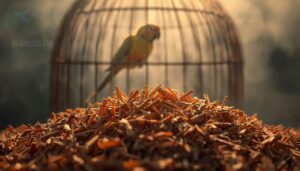
Cedar shavings carry the same aromatic oil risks as pine — actually worse. Cedar’s natural extractives and lignocellulose structure release volatile compounds that go straight to your bird’s airways, causing coughing, wheezing, and real respiratory stress.
The pest repellent myth makes cedar sound useful, but that odor is exactly the problem. Even with dust screening quality claims, cedar shavings are never low-dust or dust-free enough for bird respiratory health.
Redwood Shavings
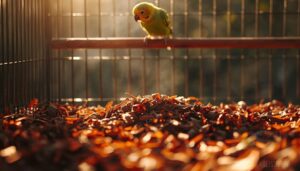
Redwood shavings share the same problem: aromatic oils that irritate your bird’s delicate airways. Despite their low dust and appealing particle size, they aren’t the dust-free bedding your bird actually needs.
Redwood’s slower decomposition speed means oils linger longer in the cage. Skip these entirely and stick with genuinely safe bedding for small birds instead.
Scented or Clumping Litters

Some litters marketed for odor control and elimination can seriously harm your bird. Scented varieties release volatile compounds and fragrance toxicity that damage delicate airways.
Clumping litters carry a real blockage risk — clump expansion inside the digestive tract can prove fatal.
Even dust emissions from clay-based litters coat sensitive air sacs. Skip these entirely; they are never worth the risk.
Sharp Walnut Shell Bedding
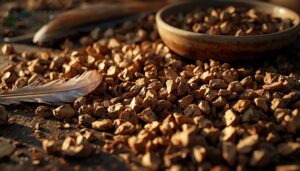
Walnut shell bedding looks natural, and its granular digging texture and heat retention properties make it popular for reptiles.
For birds, however, sharp particle hazards pose a real problem. Natural crushed walnut shells — like Kaytee Walnut Birds Bedding — feature angular edges that can injure a bird’s crop or gut if pecked.
Though the material is biodegradable and absorbs moisture and odors, the risks outweigh the benefits.
Mold-prone or High-dust Substrates
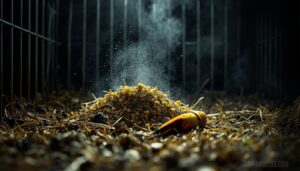
Some substrates quietly cause harm before you even notice a problem. Corn cob and peat moss trap moisture, creating perfect conditions for Aspergillus growth risk — a mold that causes fatal respiratory infections.
Clay litter’s Silica Dust Hazard irritates airways fast.
Hay Mold Potential spikes above 78% humidity.
For dust-free safety, only choose low-dust bird litter options with proven mold prevention in bedding.
Comfort Features That Matter
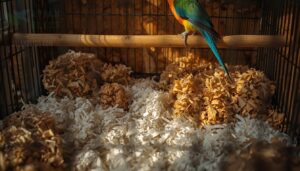
Choosing bedding isn’t just about safety — it’s also about keeping your bird genuinely comfortable day to day.
The right material does more than line the cage floor; it cushions your bird’s feet, absorbs moisture, controls odor, and even encourages natural behaviors. Here are the comfort features worth paying attention to before you buy.
Cushioning for Sensitive Feet
Your bird’s feet take a beating every day — gripping perches, pacing the cage floor, landing hard after flights. That’s why cushioning matters more than most people think.
Good bedding offers essential protection through three key features:
- Pressure Relief — Soft flannel and sponge hammock bedding spreads weight evenly, reducing stress on tender spots.
- Shock Absorption — Small Pet Select Natural Paper Bedding cushions each step with balanced compression.
- Foot Contouring — Prevue Pet Products BPV105 Coconut Fiber Nest and 99% dust-free soft surface options mold gently around sensitive feet.
Moisture Absorption and Dryness
Wet cage floors are a quick path to sick birds. That’s why moisture absorption and dryness matter so much.
Paper bedding acts like an absorbent layer, wicking away droppings quickly — compressed paper holds up to four times its weight in liquid.
Coconut fiber and hemp offer serious humidity resistance and impressive dry surface longevity, keeping cage floors comfortable for days between changes.
Odor Control Performance
Ammonia is the real culprit behind that sharp cage smell — and your bedding’s job is to stop it before it builds up.
Absorbency efficiency matters here: bedding that absorbs moisture and odors quickly slows ammonia absorption at the surface level. Saturation timing is everything — once the material turns soggy, odor elimination drops fast.
Look for bedding that offers:
- Carbon filtration properties — activated-carbon-style materials trap gas molecules instead of masking them
- Highly dust-free construction — odor-neutralizing bedding that’s also low-dust protects your bird’s airways while controlling smell
- Ventilation integration — loose-fill materials allow airflow through the bedding layer, helping it dry between spot-cleans
Flat Surfaces for Droppings Monitoring
Controlling odor and monitoring droppings go hand in hand. High-contrast trays and a smooth plastic surface simplify bird droppings management—dark waste stands out immediately against pale cage bottom liners. A removable monitoring base slides out effortlessly, while a grid overlay enables easy comparison of daily output.
| Surface Feature | Why It Helps | Best Option |
|---|---|---|
| High-contrast color | Droppings visible instantly | White plastic tray |
| Removable monitoring base | Easy full-surface wipe | Slide-out liner |
| Grid overlay | Track droppings density daily | Marked cage liner |
Bright cage lighting over dust-free, absorbent bedding material further enhances health monitoring, making droppings analysis faster and more reliable.
Nesting Warmth and Sleep Support
Good sleep matters as much for birds as it does for us. Dense, lofted comfort bedding—such as the MOACC Winter Warm Bird Nest or Critters Comfort Bird Bedding—traps warm air close to the body, improving heat retention and thermal insulation through the night.
This kind of body support also helps with sleep stability: your bird settles in, stays put, and actually rests.
Foraging and Enrichment Value
Beyond warmth and rest, the right bedding serves as behavioral enrichment. Loose materials like shredded paper or mixed-texture nesting material for birds invite natural digging opportunities and hidden treats searches — giving your bird a real job to do.
Texture diversity, varied search difficulty, and foraging enrichment built into the cage floor all support bird behavior enrichment quietly, without needing a single extra toy.
Top 10 Bird Bedding Products
Finding the right bedding comes down to knowing what’s actually worth your money. The ten products below cover a range of materials, from paper and corn cob to cozy fleece hammocks, so you can match the best fit to your bird’s needs.
Here’s what made the cut for 2026.
1. Kaytee Walnut Small Animal Bedding
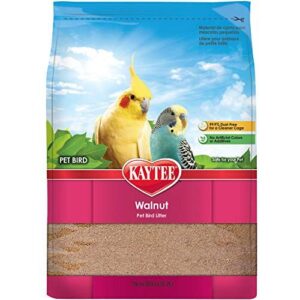
Kaytee’s Walnut Small Animal Bedding is a practical pick, but it comes with one firm rule: your bird can’t touch it directly. It’s designed strictly for under-screen or cage-bottom use, kept safely away from curious beaks.
It earns its place—99% dust-free, highly absorbent, and won’t cling to cage surfaces, making cleanup genuinely easy. At 7 lbs per bag, you get solid value.
Just be sure your cage has a grate separating the litter from your bird.
| Best For | Bird and small mammal owners who want a low-dust, easy-clean bedding solution for caged pets like African Grays or conures. |
|---|---|
| Material | Walnut Shell |
| Dust Level | 99-99.9% Dust-Free |
| Odor Control | Yes |
| Eco-Friendly | Yes |
| Bird Suitable | Yes |
| Washable | No |
| Additional Features |
|
- Nearly dust-free (99–99.9%), which is a real win for birds with sensitive respiratory systems
- Super absorbent and odor-controlling, so cages stay fresher between cleanings
- Doesn’t stick to cage surfaces, making cleanup quick and painless
- Can’t go where your pet actually walks — it needs a grate or screen between the litter and your bird
- Packaging is known to tear or leak during shipping, which can get messy fast
- Hard to find in physical pet stores, so you’re pretty much locked into ordering online
2. Small Pet Select Paper Bedding
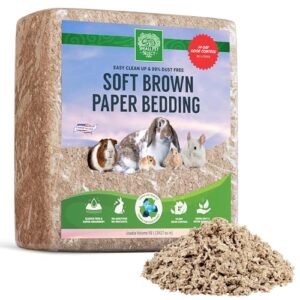
If you want something clean, natural, and genuinely safe for your bird, Small Pet Select Paper Bedding is hard to beat. Made from 100% virgin, unbleached paper fiber with no dyes, fragrances, or chemicals, it checks every box a careful bird owner cares about.
It’s 99% dust-free, highly absorbent, and expands to roughly 178 liters from a 6.5 lb bag — delivering serious value at $19.99. Droppings stay visible on the surface, ensuring easy health monitoring.
This bedding represents one of those quiet wins, combining practicality with peace of mind.
| Best For | Small pet owners who want a natural, chemical-free bedding option that’s safe, low-dust, and easy to dispose of responsibly. |
|---|---|
| Material | Virgin Paper Fiber |
| Dust Level | Dust-Free |
| Odor Control | Yes |
| Eco-Friendly | Yes |
| Bird Suitable | Yes |
| Washable | No |
| Additional Features |
|
- Made from 100% unbleached virgin paper fiber — no dyes, fragrances, or harmful additives, so it’s genuinely safe for sensitive respiratory systems
- Highly absorbent and expands to around 178 liters from a single 6.5 lb bag, making the $19.99 price tag go a long way
- Biodegradable and compostable, so disposal is easy on your conscience and your trash can
- Some people notice a mild paper smell right after opening — it usually fades, but it’s worth knowing about
- In heavily soiled spots, absorption can fall short, leading to pooling if you’re not keeping up with spot cleaning
- The bulk bag is on the heavier side, which can make transferring it into the cage a bit of a workout
3. MOACC Warm Fleece Bird Nest Hammock
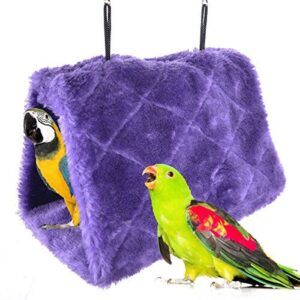
Some birds just need a cozy corner to call their own — and the MOACC Warm Fleece Bird Nest Hammock delivers exactly that. Made from 100% polyester fleece, it hangs inside the cage with bilateral metal hooks, keeping your bird elevated, warm, and stress-free.
It comes in three sizes, fitting everything from budgies to conures. At $15.99, it’s an affordable comfort upgrade.
Just note that the fleece may feel stiff at first, so wash it once before hanging.
| Best For | Bird owners with small to medium parrots — like parakeets, cockatiels, or conures — who want an affordable, cozy spot to help their bird feel secure and sleep better. |
|---|---|
| Material | Polyester Fleece |
| Dust Level | Not Applicable |
| Odor Control | No |
| Eco-Friendly | No |
| Bird Suitable | Yes |
| Washable | Yes |
| Additional Features |
|
- Soft fleece construction keeps birds warm and comfortable, especially during colder months
- Comes in three sizes and hangs easily with metal hooks, making it simple to install or move between cages
- At $15.99, it’s a budget-friendly way to give your bird a more enriching environment
- The fleece can feel stiff out of the box and may need a few washes before it’s truly soft
- Some customers found it bulkier than expected, so it might crowd a smaller cage
- Loose threads have been reported to snag feathers, which is worth keeping an eye on
4. Critters Comfort Coconut Fiber Bird Bedding
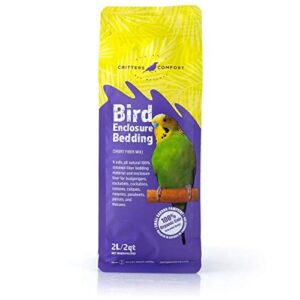
Critters Comfort Coconut Fiber Bird Bedding offers a nature-inspired bedding solution for your birds. Made from 100% coconut husk coir, it provides a soft, dust-free foundation that mimics natural environments.
This bedding excels in practicality: it’s genuinely absorbent, preventing lingering odors unlike cheaper alternatives. Its dust-free composition ensures a cleaner habitat, while the texture remains soft underfoot for comfort.
Your finches, canaries, or budgies will thrive with the freedom to shred and rearrange the fibers, encouraging natural behaviors and mental stimulation.
At just 3.2 oz per bag, the bedding is compact for storage but expands generously. Used material composts effortlessly, supporting eco-friendly disposal. Maintain freshness by replacing every 10–14 days and spot-cleaning daily.
| Best For | Small pet bird owners — finches, canaries, budgies, and parakeets — who want a natural, eco-friendly bedding that doubles as nesting material. |
|---|---|
| Material | Coconut Coir |
| Dust Level | Low Dust |
| Odor Control | Yes |
| Eco-Friendly | Yes |
| Bird Suitable | Yes |
| Washable | No |
| Additional Features |
|
- Absorbs odors well, so you’re not doing a full cage clean-out every other day
- Soft, dust-free texture that birds actually enjoy shredding and rearranging
- Compostable after use, which is a nice bonus if you garden
- Larger fiber chunks mean your birds have to do some work before it’s nest-ready
- The bag is small, so if you’ve got multiple cages, you’ll run through it fast
- Messier to clean up than paper bedding — it gets around
5. Sunseed Corn Cob Bedding
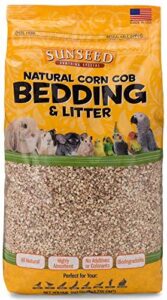
If you’re looking for a simple, no-fuss option, Sunseed Corn Cob Bedding is worth a close look. Made from 100% USA-grown corn cob with no dyes, fragrances, or additives, it keeps things clean and natural.
It absorbs moisture quickly, helps reduce odors, and the low-dust processing means your bird’s air stays cleaner.
At $10.99 per bag, it’s affordable and easy to scoop between full changes.
Spread it flat on the cage floor, and you’re set.
| Best For | Bird and small pet owners who want a natural, low-dust bedding that’s easy to spot-clean between full cage changes. |
|---|---|
| Material | Corn Cob |
| Dust Level | Low Dust |
| Odor Control | Yes |
| Eco-Friendly | No |
| Bird Suitable | Yes |
| Washable | No |
| Additional Features |
|
- 100% natural corn cob — no dyes, chemicals, or artificial additives
- Absorbs moisture fast and keeps odors in check
- Low-dust formula helps protect your pet’s respiratory health
- At $10.99 a bag, it can feel pricey compared to other options
- Odor control and absorption may drop off in warmer environments
- A small amount of dust can still come off during first handling
6. LeerKing Small Animal Hammock Bed
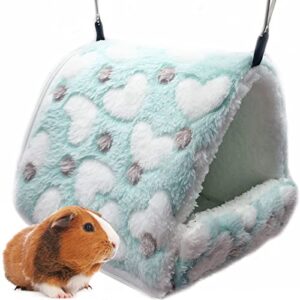
Not every bird needs a flat floor — some thrive with an elevated, cozy nest to curl into. The LeerKing Small Animal Hammock Bed hangs right from cage bars, giving your bird a warm, flannel-lined hideaway off the ground.
It comes in three sizes, with the largest at 8.6 by 8.6 inches, so you can match it to your bird’s frame.
Machine-washable construction ensures easy upkeep. Just check the Velcro closure regularly, as it can wear down with frequent use.
| Best For | Bird owners looking for a cozy, elevated resting spot that hangs directly from cage bars and is easy to keep clean. |
|---|---|
| Material | Flannel & Sponge |
| Dust Level | Not Applicable |
| Odor Control | No |
| Eco-Friendly | No |
| Bird Suitable | Yes |
| Washable | Yes |
| Additional Features |
|
- Hangs from cage bars to give birds an elevated, enclosed space that feels safe and nest-like
- Soft flannel lining with a sponge interior keeps birds warm and comfortable
- Machine-washable design makes cleaning simple — no disassembly needed
- Velcro closure can wear out quickly, especially with birds that like to pick or chew
- Size options may run smaller than expected, so double-check dimensions before ordering
- Fabric durability has been questioned by some users, with stitching holding up less well over time
7. Natural Coconut Fiber Nesting Material
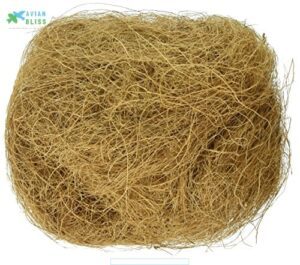
Coconut fiber is one of those materials that birds seem to just get. The PH Prevue Hendryx Natural Coconut Fiber Nesting Material gives your bird something real to work with — coarse, springy strands they can actually grasp, carry, and weave into a nest.
It’s sterilized, dye-free, and low-dust, so it won’t irritate sensitive airways. Finches, canaries, and lovebirds especially take to it.
At $8.60, it’s an affordable way to encourage natural nesting behavior without second-guessing what’s in the material.
| Best For | Bird owners with finches, canaries, lovebirds, or parakeets who want a natural, safe nesting material that encourages real nesting behavior. |
|---|---|
| Material | Coconut Fiber |
| Dust Level | Dust-Free |
| Odor Control | No |
| Eco-Friendly | Yes |
| Bird Suitable | Yes |
| Washable | No |
| Additional Features |
|
- 100% natural and sterilized — no dyes, chemicals, or dust to worry about near sensitive birds
- Coarse, springy texture that birds can actually grab and weave, making it feel instinctive and satisfying for them
- Versatile enough to double as small-animal bedding or even potting material for orchids
- The amount you get is pretty small — one handful may not cut it if you have multiple cages or bigger birds building larger nests
- The shrink-sealed packaging can be a pain to open and tends to make a mess when you’re transferring the fiber
- Some birds just won’t touch it and may prefer other nesting materials, so results aren’t guaranteed
8. Plush Bird Nest Hammock
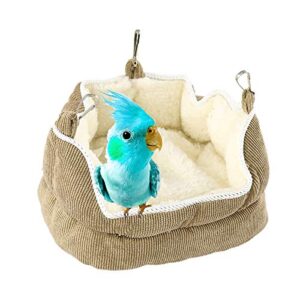
Not every bird wants to burrow into loose material — some just want a cozy spot to curl up and feel safe. That’s where the QBLEEV Plush Bird Nest Hammock earns its place. At $21.59, it offers parakeets, budgies, and conures a soft, flannel-lined retreat they can actually sleep in.
The metal hook ensures simple installation, while the zippered cover detaches for easy washing. Designed for convenience, the hammock prioritizes both comfort and practicality.
Measuring 6.7 × 5.9 × 4.3 inches, this nest works best for smaller birds, providing a secure and snug environment tailored to their needs.
| Best For | Small bird owners looking for a cozy, easy-to-clean sleeping spot for parakeets, budgies, conures, or even tiny pets like hamsters. |
|---|---|
| Material | Velvet Flannel |
| Dust Level | Not Applicable |
| Odor Control | No |
| Eco-Friendly | No |
| Bird Suitable | Yes |
| Washable | Yes |
| Additional Features |
|
- Soft velvet-type flannel inside and out makes it genuinely comfortable for small birds to rest and sleep in.
- The zippered cover comes off easily for washing, so keeping it clean doesn’t feel like a chore.
- The metal hook makes hanging it inside a cage or on a stand quick and hassle-free.
- It runs small, so larger birds like cockatiels may find it too cramped to use comfortably.
- No hanging chain or strap is included, which means you’ll need to source one yourself.
- Metal fittings have to be removed before every wash, which adds a small but repetitive extra step.
9. Pestell Corn Cob Small Animal Bedding
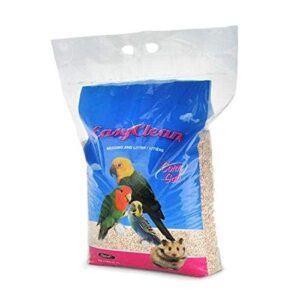
If you’d rather skip the soft nest and go back to basics, Pestell Corn Cob Small Animal Bedding is a solid, no-fuss floor option worth considering.
Made from 100% natural corn cob — no dyes, no added fragrance, it absorbs moisture quickly and helps keep ammonia smells from building up between cleanings.
The light color also makes it easy to spot droppings at a glance.
At just 5 lb per bag, it’s an affordable pick for smaller cages or multi-bird households watching their budget.
| Best For | Bird and small animal owners who want a simple, natural bedding that’s easy to clean and easy on the wallet — especially great for multi-pet households. |
|---|---|
| Material | Corn Cob |
| Dust Level | May Be Dusty |
| Odor Control | Yes |
| Eco-Friendly | No |
| Bird Suitable | Yes |
| Washable | No |
| Additional Features |
|
- Clumps around waste so you can spot-clean without dumping the whole cage
- Made from all-natural corn cob — no dyes, no artificial fragrance
- Budget-friendly, especially if you’re refilling several cages at once
- Can be dusty, so keep an eye on pets with sensitive respiratory systems
- Not ideal for all reptiles — worth double-checking your species before buying
- May need frequent top-ups in busy cages to stay fully effective
10. Kaytee Kay Kob Natural Corn Bedding
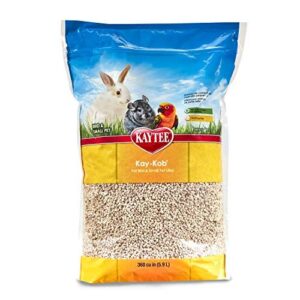
Kaytee Kay-Kob Natural Corn Bedding is another corn cob option worth knowing about, and it brings a few things to the table that set it apart. It’s certified 99.9% dust-free, which matters a lot if your bird is prone to sneezing or has a sensitive respiratory system.
The cobs are stored indoors during processing, so you get a cleaner product right out of the bag. It won’t stick to cage bars, and cleanup stays simple.
| Best For | Bird and small animal owners who prioritize a clean, low-dust environment for pets with sensitive respiratory systems. |
|---|---|
| Material | Corn Cob |
| Dust Level | 99.9% Dust-Free |
| Odor Control | Yes |
| Eco-Friendly | Yes |
| Bird Suitable | Yes |
| Washable | No |
| Additional Features |
|
- Certified 99.9% dust-free, so it’s a solid pick for birds or small mammals that sneeze at the slightest irritant
- No added scents or chemicals — just plain, natural corn cob material straight from the bag
- Easy cleanup since the bedding absorbs waste without clumping or sticking to cage surfaces
- Not the warmest option — if your pet needs cozy, insulating bedding, paper or fleece will serve them better
- Absorbency is decent but not exceptional, so you may need to layer it deeper for busier cages
- Active birds tend to fling the loose cob pieces around, which means a bit more cleanup outside the cage
Best Bedding by Bird Type
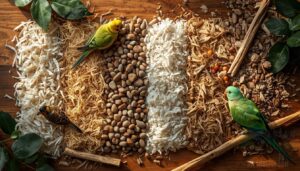
Not every bird has the same needs regarding cage bedding, and picking the right material really does depend on the species you’re caring for.
For instance, a cockatiel has different preferences from a finch or a large parrot. Here’s a closer look at which bedding works best for each type of bird.
Budgies and Parakeets
Budgies are tiny, social birds with a serious need for clean, dry floors — their sensitive respiratory systems simply don’t tolerate dust. Natural paper or corncob bedding works best, since both absorb moisture and odors without releasing harmful particles.
Dust-free options protect their vocal-learning and social bonding behaviors, keeping your feathered companion comfortable, active, and ready for flight exercise and color mutations to shine.
Finches and Canaries
Finches and canaries share similar sizes—both fitting in the palm of your hand—but their needs differ in key ways. Pair bonding in finches requires wide cages with ample flight space, while canaries thrive solo.
For both species, small pet select natural paper bedding ensures a 99% dust-free environment, which supports song development, seed preferences, and safe temperature management.
Cockatiels
Cockatiels wear their emotions on their heads — that rising and falling crest tells you everything about how they’re feeling. Because they’re sensitive to temperature swings and value social bonding, their bedding needs to deliver real comfort and warmth.
- Choose dust-free natural paper bedding to protect their airways
- Corn cob bedding offers excellent moisture control
- Keep depth at 2–3 inches for cushioned walking comfort
Lovebirds
Few birds exhibit bonding behaviors as intensely as lovebirds — feather nibbling, territorial calls, and near-constant companionship define their charm. Their molt patterns and color mutations result in sensitive skin, requiring gentle ground contact.
To protect their airways and skin, dust-free bedding is essential. Options like corn cob bedding provide moisture absorption and warmth, while recycled paper and coconut fiber offer low-dust environments and eco-friendly benefits that support their well-being. These materials ensure lovebirds genuinely thrive in comfort.
| Bedding Type | Key Benefit | Safety Rating |
|---|---|---|
| Corn Cob | Moisture absorption | ✅ Safe |
| Recycled Paper | Low-dust bird litter | ✅ Safe |
| Coconut Fiber | Eco-friendly | ✅ Safe |
| Aspen Shavings | Natural, soft surface | ✅ Safe |
| Cedar Shavings | Aromatic oils present | ❌ Avoid |
Small Parrots Using Hammocks
Small parrots like conures and Quakers genuinely thrive with hammock bedding — it’s one of the best stress reduction techniques you can offer.
Prioritize Proper Sizing (a 30 cm by 22 cm hammock fits these birds well), Thread Tightness under 3 mm, dust-free fabric, Secure Suspension with stainless steel hardware, and Clearance Height of at least 10 cm for daily safety.
Larger Parrots Needing Easy-clean Floors
Macaws and African greys are messy — and that’s perfectly fine if your floor setup is ready for it. Easy-clean options make all the difference.
- Vinyl Flooring or Sealed Linoleum — dust-free, built-in odor control, and simple to wipe down daily
- Rubber Mat Rolls — durable, removable, and easy to rinse
- Removable Paper Liners — budget-friendly and quick to swap
Low-VOC surfaces keep your bird breathing safely.
Cleaning and Replacement Schedule
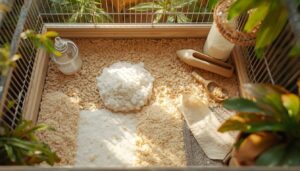
Even the best bedding won’t do much good if it’s sitting in a dirty cage. Maintaining cleanliness isn’t complicated, but it requires a simple, consistent routine.
A solid cleaning and replacement schedule ensures hygiene without overwhelming effort. Stick to a plan that works for your lifestyle to keep the environment fresh and healthy.
Daily Spot-cleaning Routine
Think of spot cleaning as your cage’s daily reset button. A quick cage inspection each morning lets you catch messes before they become problems.
Focus on spot droppings removal right away, since waste left sitting breeds bacteria fast.
A fast floor sweep and rapid odor mitigation keep your bird’s space fresh between full changes — easy to clean, every single day.
Weekly Full Bedding Changes
Daily spot-cleaning is essential, but a weekly full reset is critical. Timing matters—adhering to a seven-day replacement schedule for soiled bird bedding prevents odors by removing droppings, wet food, and hull buildup before they settle.
Follow these steps for efficient replacement and hygiene audits:
- Pull all old bedding out completely
- Wash the cage bottom, then dry every surface fully — Dry Surface Prep prevents mold
- Lay fresh, dust-free, absorbent liner snugly against the base
- Reinstall perches and bowls only after everything’s dry
Consistent cleaning frequency guidelines also support Stress Mitigation—your bird feels calmer in a clean space.
Ideal Bedding Depth Guidelines
Once your weekly reset is done, the next thing to get right is depth. Bedding depth guidelines for different bird species come down to one simple rule: use the shallowest layer that still absorbs waste without pooling.
| Bird Size | Grate Liner Thickness |
|---|---|
| Small (budgies, finches) | 1–2 inches |
| Medium (cockatiels, lovebirds) | 2–3 inches |
| Large (parrots) | 3–4 inches |
Species-specific depth matters because adjustable layering helps balance moisture capacity ratio against depth versus mold risk.
Mold and Odor Checks
Even when depth is right, mold can still sneak in.
Each morning, perform the Moisture Texture Test by pressing a small handful of bedding between your fingers. If it feels cool and clammy or leaves your fingers damp, you’ve identified hidden damp spots before they become a problem.
Watch for Fuzzy Patch ID near water bowls, where moisture accumulation often occurs.
Employ Musty Odor Detection alongside Visual Mold Cues to catch mold growth early, ensuring proactive prevention.
Disinfecting The Cage Base
Once you’ve caught any mold or odor, it’s time for a proper cage cleaning. Begin with surface preparation: remove all bedding, bowls, and debris first, as a bird-safe disinfectant won’t work effectively on dirty surfaces.
Spray the disinfectant evenly, let it sit for at least 10 minutes, then follow a thorough rinse protocol. Always wear protective gear, and use warm water for optimal results.
Safe Storage and Disposal Tips
Storing bedding the right way is just as important as choosing the right kind. Keep it in sealed containers, off the floor, and away from humid spots like laundry rooms or bathrooms. Dry storage extends the bedding’s life and keeps mold from sneaking in.
- Date labeling helps you use older stock first
- Check for musty smells before each use
- Biodegradable options like coconut fiber or corncob are reusable as compost
- Waste segregation matters — bag soiled bedding separately before disposal
- Eco-friendly bedding reduces the environmental impact of biodegradable bird bedding over time
Choosing The Right Bedding
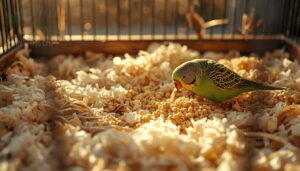
Picking the right bedding comes down to knowing your bird — how it moves, what it chews, and how it likes to rest. A few key factors determine the difference between a setup your bird thrives in and one you’re replacing every other day.
These factors include understanding your bird’s unique behaviors, such as its movement patterns, chewing habits, and resting preferences.
Here’s what to keep in mind before making your decision.
Matching Bedding to Bird Behavior
Your bird’s behavior is the best guide you have. Foragers need a search-friendly substrate they can scratch through, while dust-bathing species require fine, dry dust-bath texture to roll and groom properly. Nest builders benefit from nest-building pliability — something soft they can actually pull apart. Pressure-relief flooring matters for birds that stand and hop constantly.
| Behavior | Best Bedding Match |
|---|---|
| Foraging enrichment | Paper pellets, corn cob |
| Dust-bath texture | Fine sand, dry peat |
| Nest-building pliability | Shredded paper, soft fleece |
Behavior-driven placement and bird-species-specific bedding choices support birds’ comfort and warmth while promoting bird stress alleviation through behavioral enrichment.
Comparing Litter Versus Hammock Styles
Choosing between floor vs elevated bedding really comes down to how your bird spends its day. Bird cage litter addresses waste management directly at the bottom, while hammock bedding keeps your bird lifted and cozy. Each style caters to distinct behavioral preferences.
- Litter absorbs droppings and facilitates foraging.
- Hammocks improve bird comfort and warmth during sleep.
- Dust-free bedding options exist in both styles.
Airflow and mobility also differ: hammocks dry faster, while litter controls odor closer to the source.
Balancing Comfort, Safety, and Cost
The cheapest option isn’t always the best deal. Paper liners score well on cost and dust mitigation, but hemp and coconut fiber offer stronger moisture efficiency — meaning fewer changes weekly. Safety considerations for bird bedding matter too: dust-free bedding reduces respiratory risk, while ingestion safety rules out walnut shells entirely.
A smart value comparison balances bird comfort and warmth against long-term odor control and budget durability.
Picking Biodegradable Bedding Options
Going biodegradable isn’t just a feel-good choice — it’s a smarter one for your bird and the planet. Natural paper bedding, corn cob bedding, hemp, and coconut fiber all break down fully, reducing landfill waste and lowering lifecycle impact over time.
Here’s what to look for:
- Eco Certification: Look for labels confirming 100% biodegradable, compostable materials with supply chain transparency
- Compost Timing: Paper and hemp break down faster than corn cob, making post-use disposal easier
- Cost Efficiency: Corn cob bedding expands considerably from a small bag, stretching your budget further
- Ingestion Safety: Skip natural crushed walnut shells — sharp edges make them unsafe, despite sounding ecofriendly
Switching Bedding Without Stressing Birds
Quiet preparation helps — move slowly, pick a calm time, and keep food and perches exactly where they belong.
Leave a little familiar scent behind by mixing old bedding with the new.
Watch for stress signals like freezing or floor avoidance.
Routine follow-up and a small treat afterward make clean transitions feel normal fast.
Frequently Asked Questions (FAQs)
How do parrots express anger?
Parrots express anger through feather posturing, eye pinning, aggressive calls like hissing or growling, and defensive biting. Territorial triggers — like cage intrusions — often set them off fastest.
Can I mix different bedding types together?
Yes, you can mix bedding types, but keep it simple. Pair plain paper with hemp or aspen for the best results.
Avoid combining corncob, walnut shell, or any scented materials.
How often should I completely change the bedding?
Most birds do well with a complete bedding change once a week. If you notice moisture, odor, or behavioral change signals like floor-sitting, don’t wait — change it sooner.
What bedding works best for outdoor aviaries?
Sand bedding drains well and stays dust free, making it a smart choice outdoors.
Corn cob bedding works great in sheltered sections.
Natural grass or hay adds foraging value when weather stays dry.
Is newspaper ink safe for all bird species?
Newspaper ink isn’t universally safe. Modern soy-based inks are lower risk, but species vulnerability varies — small birds and chewers face higher chewing exposure. Unprinted paper remains the safest alternative.
How much bedding depth is ideal for cages?
Less is more for bedding depth. For small birds, 1–2 inches works well. Medium birds like cockatiels need 2–3 inches. Large parrots do best with 3–4 inches for proper absorbency balance.
Can bedding affect a birds egg-laying behavior?
Soft, shreddable nesting material triggers hormonal responses and nesting cues that spark egg-laying — especially in parrots.
Flat liners and smooth surfaces help reduce stress for birds prone to chronic egg-laying.
How does humidity impact bedding performance long-term?
Humidity quietly wears bedding down over time. Above 60%, a cascade of issues accelerates: mold proliferation kicks in rapidly, fiber compaction sets in, and absorption decline follows.
These conditions foster bacterial overgrowth, transforming even absorbent materials into health hazards, despite diligent humidity control efforts.
Which bedding works best in outdoor aviaries?
For outdoor aviaries, river sand or hemp fiber over a drainage layer works best.
A slope design aids water runoff, while concrete floors stay cleanest. A predator barrier underneath ensures safety for all.
Does bedding choice influence feather-plucking tendencies?
Think of bedding like a bird’s emotional thermostat. Dusty, damp, or rough substrates create Dust-Induced Stress and Moisture Irritation that quietly trigger feather-plucking — yes, bedding choice genuinely shapes that behavior.
Conclusion
Research consistently confirms what attentive bird owners already suspect—what lines the cage floor shapes your bird’s health more than most people realize. Choosing the right comfortable bird cage bedding material isn’t overthinking the small stuff; it’s getting the foundation right. Safe, clean, species-appropriate bedding reduces respiratory risk, protects delicate feet, and makes daily care simpler.
Your bird can’t tell you what’s uncomfortable. But with the right substrate beneath them, they don’t have to.
- https://www.tandfonline.com/doi/full/10.1017/S0043933918000909
- https://www.allaboutbirds.org/news/providing-nest-material-for-birds-dos-donts/
- https://poultrykeeper.com/keeping-chickens/chicken-bedding-material/
- https://forums.avianavenue.com/index.php?threads/litter-vs-bedding-vs-paper-vs-liners.247735/
- https://www.huesler-nest.ch/en-ch/service/material-lexicon/coconut-fibre