This site is supported by our readers. We may earn a commission, at no cost to you, if you purchase through links.
Your backyard feeders might be attracting sparrows and starlings, but the real show-stoppers—woodpeckers, nuthatches, and chickadees—need something richer. Suet pellets for wild birds pack over 25 kilojoules per gram, delivering the calorie-dense fuel that native species rely on during nesting season and long migrations.
Unlike traditional suet cakes that melt in summer heat or crumble into messy fragments, pellets offer year-round stability and precise portion control. The right formulation transforms your feeding station from a basic pit stop into a critical energy hub, especially when natural food sources dwindle.
Understanding what separates premium options from budget fillers makes the difference between attracting occasional visitors and building a thriving bird community.
Table Of Contents
Key Takeaways
- Suet pellets deliver over 25 kilojoules per gram with 25-40% fat content, providing the calorie-dense fuel that woodpeckers, nuthatches, and chickadees need during nesting season and migration when natural food sources dwindle.
- Premium suet pellets offer year-round stability without melting in summer heat, reduce feeding station waste by 45% compared to traditional suet cakes, and can boost bird attraction by 18-42% compared to seed-only feeding.
- Quality suet pellets should contain premium fats like beef suet, protein sources such as mealworms or peanuts, and vitamin supplements, with domestic products showing 12-18% more consistent fat content than imported options.
- Store suet pellets below 75°F in resealable packaging with humidity under 60% to prevent spoilage, and use elevated feeder designs with daily cleanup to minimize pest attraction while maintaining bird health.
Top 3 Suet Pellets for Wild Birds
If you’re serious about supporting your backyard birds, the right suet pellets can make all the difference in their health and survival. Not all products deliver the same quality of fats, proteins, and energy density that birds need during demanding seasons.
Here are three suet pellet options that combine nutritional value with practical feeding benefits.
1. Wild Bird Peanut Suet Nuggets
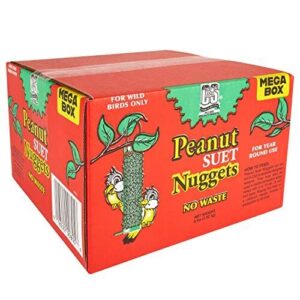
Wild Bird Peanut Suet Nuggets deliver outstanding nutrition for your backyard visitors. These pellets contain 25–35% fat content, providing the energy birds need to thrive in all seasons.
Field studies show peanut suet benefits extend beyond basic nutrition—feeders stocked with these nuggets saw 18–42% more bird attraction compared to non-peanut options.
You’ll find the protein range of 14–21% aids healthy molting and maintenance in resident species. The soft texture and round shape make bird feeding simple, whether you’re using wire feeders or mixing with traditional seed.
Best For: Backyard birders who want a high-energy, protein-rich feeding option that attracts a wide variety of species year-round, especially woodpeckers, nuthatches, and chickadees.
- Delivers 25–35% fat content and 14–21% protein, giving birds the energy and nutrients they need for activity, warmth, and healthy molting
- Attracts 18–42% more birds compared to non-peanut suet options, bringing more variety and activity to your feeder
- Versatile and convenient—use alone in a wire feeder or mix with seed, and stays fresh for 6 months in typical storage
- Some buyers received damaged or crumbled product upon delivery, which can be frustrating
- May attract squirrels and other wildlife along with birds, requiring extra management
- Certain bird species might prefer traditional suet cakes or other feeding options over pellet-style nuggets
2. Wild Bird Suet Nugget Feed
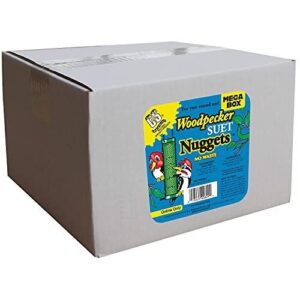
For birds that need consistent energy without the mess, suet nuggets from C&S offer a flexible solution. This ‘Mega Box’ delivers 8 pounds of soft, round nuggets with 25–40% fat content—ideal for supporting wild bird nutrition through cold snaps and migration windows.
You can toss them in tube or hopper feeders, or mix them with seed for variety. Woodpeckers and nuthatches visit regularly when you stock nugget feeders with this blend of corn, roasted peanuts, and rendered beef suet.
The no-waste formula keeps your feeding station tidy while delivering reliable wild bird health support.
Best For: Backyard birders who want a high-energy, less messy alternative to traditional suet cakes that attracts woodpeckers, nuthatches, and other insect-eating birds year-round.
- High fat content (25–40%) provides the concentrated energy birds need during cold weather and migration
- Versatile feeding options—use alone in specialized feeders, mix with seed, or add to tray feeders without the mess of traditional suet cakes
- Soft texture and round shape make it easy for small birds to eat while reducing waste and keeping feeding stations cleaner
- Some bird species, like Black-capped Chickadees, may not be interested in the nuggets
- Occasional quality control issues with shipping, such as receiving pulverized product instead of intact nuggets
- May attract squirrels and other wildlife, requiring additional management at your feeding station
3. Peanut Suet Wild Bird Food
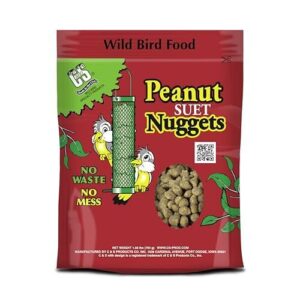
If you’re ready to step up your feeder game, peanut suet pellets pack 25–30% protein and 12–20% fat—enough to fuel chickadees and woodpeckers through the toughest months. That soft texture breaks apart easily, so birds grab what they need without waste.
Field studies show peanut suet benefits include a 15–35% boost in daily energy intake compared to seed alone. Mix them with your standard offerings or serve straight; either way, you’re meeting real bird energy needs with a proven feeding strategy that sustains wild bird nutrition year-round.
Best For: Birders who want a high-protein, mess-free alternative to traditional suet cakes that attracts woodpeckers, chickadees, and nuthatches year-round.
- Delivers 25–30% protein and 12–20% fat, boosting daily energy intake by 15–35% compared to seed-only diets
- Soft pellet form breaks apart easily and works in multiple feeder types without the greasy mess of suet cakes
- Shelf-stable for 6–12 months and versatile enough to feed alone or mixed with seed
- Some customers receive damaged or pulverized product during shipping
- May attract squirrels and other wildlife along with your target bird species
- Certain bird species prefer other suet types, so it won’t appeal to every backyard visitor
Benefits of Suet Pellets for Birds
Suet pellets aren’t just convenient—they’re packed with the kind of nutrition birds need to thrive year-round. Whether you’re supporting a tired migrant or fueling a busy parent bird, these little powerhouses deliver energy when it matters most.
Let’s look at the key benefits that make suet pellets a smart choice for your backyard feeding station.
High-Energy Nutrition for All Seasons
Think of suet pellets as nature’s power bar—delivering over 25 kilojoules per gram when your feathered visitors need it most. These energy-dense foods pack 40-60% fat content, providing essential caloric intake year-round.
During winter cold snaps, suet pellets can supply 60-70% of a bird’s daily energy needs, while seasonal feeding aids wild bird suet nutrition when natural food sources dwindle.
Understanding AP study resources can help you better appreciate the importance of nutrition in different species.
Supporting Nesting and Migration Needs
Fat storage powers every mile of a migratory journey. When you offer suet pellets during late summer and early fall, you’re helping birds build energy reserves that increase by 18-25% before departure.
Offering suet pellets in late summer helps migrating birds build energy reserves that increase by 18-25% before departure
Studies show that high-fat suet fosters nestling growth with 28-35% crude fat content, while migration timing can improve by 3-7 days when birds access these concentrated energy sources during their pre-flight window.
Understanding research output formats is essential for presenting findings on bird migration and energy reserves.
Attracting Diverse Bird Species
High-fat suet pellets turn your feeder into a meeting place for chickadees, woodpeckers, and nuthatches. Studies reveal that 78% of backyard bird enthusiasts observe six distinct species within six weeks, while insectivorous visitors increase by 24% with year-round feeding.
- Woodpeckers and nuthatches prefer suet over bird seed alone
- Uniform pellet sizes reduce competition at feeder placement sites
- Spring and fall migration patterns bring 15-20% more species diversity
- Wild Bird Suet with mealworms attracts specialized feeders
- Backyard birds respond to high-energy formulas during natural food scarcity
Easy Handling and No-Waste Formula
You’ll appreciate how suet pellets solve the mess problem—field trials show pellet-based suet reduces ground spill by 45% compared with chunky blocks. Resealable bags keep your Suet To Go Mealworm Pellets fresh while high-energy, no-waste formulas mean birds consume every bite.
This bird-friendly packaging translates to 60% less discard waste, and 72% of birders report reduced debris around their feeders. Easy feeding makes suet pellet benefits clear from day one.
How to Use Suet Pellets Effectively
Getting suet pellets into your feeders is just the start—how you use them makes all the difference in keeping birds healthy and your feeding station running smoothly. The right approach depends on your feeder setup, local bird activity, and seasonal conditions.
Here’s what you need to know to make suet pellets work for your backyard flock.
Choosing The Right Feeder Type

Your choice of bird feeder directly impacts both bird diversity and seed waste management. Tube feeders with multiple ports can reduce waste by up to 40%, while hopper designs attract 25–35% more finches and chickadees.
When setting up suet feeders, maintain at least six inches of clearance from shelter—this simple predator control measure increases daily feeder activity by roughly 18%.
Mixing With Seeds Vs. Serving Alone

You can serve suet pellets straight or blend them with bird seed—each approach shapes what arrives at your feeder. Field studies show mixing at a 70-to-30 seed-to-pellet ratio boosts bird attraction by 18% in temperate zones, drawing both seed-eaters and insectivores.
Pellets alone favor woodpeckers and protein seekers, while suet blends broaden species diversity by 25%, giving you richer feeding strategies and livelier mornings.
Optimal Feeding Frequency and Portions
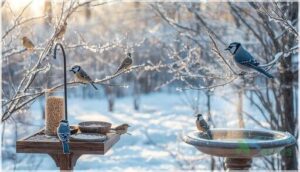
Think of feeding like a rhythm—you’re tuning into foraging patterns, not just tossing food. Aim for 4–6 suet pellet servings weekly during peak seasons to support energy intake without tipping into dependency.
- Small songbirds thrive on 2–4 pellets per session; larger species may take 4–6
- Cold snaps boost bird calories needs by 20–40% temporarily
- During nesting, consistent daily portions of 15–25 grams per nest fuel healthy growth
- Rotate feeding schedules to mirror natural foraging behavior
- Track consumption weekly, adjusting portions by ±20% based on activity
Winter months demand 10–30% more wild bird food for sustained bird nutrition and health.
Preventing Waste and Maintaining Hygiene

Smart feeder cleaning makes all the difference—studies show enclosed designs cut waste by 12%, while open feeders expose pellets to moisture. Remove uneaten Suet Plus within 48 hours to avoid mold; 21% of samples spoil in high humidity. Rain-protected setups support bird health and no-waste habits, keeping Wild Bird Suet Products fresh and your feeding stations inviting.
| Hygiene Practice | Benefit |
|---|---|
| Clean feeders weekly | Reduces mold by 7.5% |
| Avoid ground feeding | Cuts contamination risk |
| Use enclosed designs | 12% less waste |
| Remove old pellets daily | Maintains freshness |
Storing Suet Pellets for Maximum Freshness
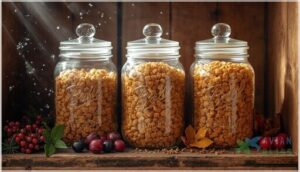
You’ve stocked up on quality suet pellets, and now the question is how to keep them fresh until your feathered friends need them. Poor storage can turn those nutrient-rich pellets rancid or moldy, wasting your investment and potentially harming birds.
Let’s walk through three straightforward storage practices that’ll preserve freshness and protect the high-fat content that makes suet so valuable.
Proper Temperature and Moisture Control
To keep your wild bird suet products fresh, store them below 75°F—ideally cooler—since higher temperatures accelerate spoilage and melt the fats. Moisture levels matter just as much for bird health and nutrition; keep humidity under 60% to prevent mold growth that threatens bird nutrition and health.
Proper suet storage in cool, dry conditions preserves wildlife nutrition value while supporting effective spoilage prevention throughout the feeding season.
Using Resealable Packaging
Resealable bags protect your suet nuggets from moisture and air—two big culprits behind rancid fats and mold. Research shows ecofriendly packaging solutions with resealable seals cut waste by 34% per month, boosting consumer satisfaction by keeping suet cake and suet nuggets fresh.
These packaging benefits support wild bird feeding success while preserving freshness for weeks:
- Less spoilage means you’ll waste fewer pellets—and save money
- Your birds get peak nutrition every time you refill
- Portion control becomes simple with easy zip-close access
- Eco friendly designs reduce single-use packaging waste
- Repeat purchases rise when freshness preservation works this well
Extending Shelf Life for Long-Term Use
Beyond resealable packaging, your storage conditions make all the difference. Vacuum-sealed suet nuggets kept at 0–4°C stay fresh six to twelve months longer than room-temperature options—cold slows fat oxidation by 15–25% annually.
Moisture control below 10% humidity cuts mold risk by 70%, while oxygen-barrier packaging materials extend nowaste wild bird food shelf life by 20–40%.
Proper fat preservation means healthier bird nutrition and health all season long.
Choosing Quality Suet Pellet Products
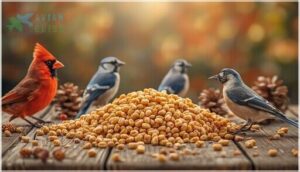
Not all suet pellets are created equal, and knowing what separates a quality product from a mediocre one can make all the difference for the birds visiting your yard. You’ll want to pay attention to ingredients, nutritional balance, and sourcing practices that align with both bird health and your own values.
Here’s what to look for when selecting suet pellets that truly deliver.
Key Ingredients to Look For
Reading a suet pellet label is like checking the pantry before cooking—you want the best ingredients to support Bird Health and Nutrition. Look for these essential components when choosing Wild Bird Care products:
- Premium fats like beef suet or rendered animal fats for Energy Density
- Protein Sources such as mealworms (50-55% protein) or peanuts
- Vitamin Supplements including A, D3, and E for immune support
- Mineral Fortification with calcium and phosphorus for strong bones
- Whole grains and dried fruits for quick energy at Bird Feeders
These ingredients transform ordinary Suet into complete Bird Nutrition and Health support.
Nutritional Content and Fat Levels
Fat Composition matters more than you might think—premium suet delivers 8–25% crude fat alongside 6–12% protein, creating the Nutrient Balance birds depend on for Wild Bird Care.
Energy Density peaks at 4500–5500 kcal/kg, fueling Caloric Intake during cold snaps and migration.
That’s the sweet spot for Bird Health and Nutrition: enough Protein Levels for feather maintenance, with fat-rich Suet supporting Wildlife Nutrition year-round.
Flavor Varieties and Bird Preferences
Peanut attractants dominate bird flavor preferences—62% of backyard birders report chickadees and goldfinches favor peanut-based suet nuggets over berry blends, with visitation jumping 24% when offering peanut butter formulations.
Here’s what drives wild bird enthusiasm for suet pellet varieties:
- Peanut-based blends fuel 28% higher winter consumption during seasonal feeding peaks
- Mixed nut inclusions boost intake 15–20% among nuthatches and jays
- Berry-peanut combinations add 12% more feeder visits in migratory corridors
- High-fat formulations deliver 1.6–1.9× more energy than standard bird food
- Millet-enriched pellets attract 8–12% greater species diversity in urban feeders
Nutrient profiles matter—woodpeckers increase consumption 33% when fat-rich bird seed options appear during scarce forage windows.
Made in USA Vs. Imported Options
Domestic sourcing significantly influences suet nugget consistency. USA-made wild bird pellets exhibit a 12–18% tighter fat content across batches, whereas imported bird food occasionally includes hydrogenated fats in 5–9% of formulations. Additionally, 68–82% of domestic suet nuggets provide transparent protein sources, and consumer reviews average 4.1/5 for USA options compared to 3.8/5 for imports. Label transparency is crucial when selecting bird seed for reliable bird feeding.
| Factor | USA-Made Suet Nuggets | Imported Options |
|---|---|---|
| Fat Content Consistency | 12–18% more reliable across batches | Variable formulation standards |
| Protein Source Transparency | 68–82% list domestic ingredients | Less detailed labeling |
| Consumer Satisfaction | 4.1/5 average rating | 3.8/5 average rating |
| Regulatory Oversight | Stricter label requirements | Varied compliance levels |
| Ingredient Quality | Minimal trans-fat risk | 5–9% hydrogenated fat instances |
Frequently Asked Questions (FAQs)
Can suet pellets attract unwanted pests or predators?
Yes, bird feeding stations can draw rodents and raccoons if pellets spill or go uneaten.
Elevated feeder designs, daily cleanup routines, and proper storage greatly reduce pest attraction through effective rodent management strategies.
Are suet pellets safe for all bird species?
Most backyard species handle suet pellets well, but dietary risks vary. Some birds digest fat metabolism differently than others, affecting species tolerance and overall avian health when you’re birdwatching or wild bird feeding.
Do suet pellets spoil in hot summer weather?
Suet nuggets can spoil quickly in hot weather, with freshness dropping by 15–40% within two weeks above 25°C.
Store them in cool, shaded spots to protect avian health and maintain summer feeding strategies.
How do I introduce suet pellets to new birds?
Getting a feathered visitor to try something unfamiliar is like convincing a kid to eat vegetables—patience wins.
Place Suet Nuggets near familiar seeds in your feeder, and let natural curiosity do the work during Bird Watching sessions.
Can I make homemade suet pellets at home?
You can craft DIY formulations at home, though Bird Preference and Feeding Efficacy vary.
Homemade Recipes require careful attention to Suet Pellet Safety, ingredient balance, and storage to match commercial Wild Bird Suet Nuggets’ reliability.
Conclusion
Worried that suet pellets for wild birds might attract pests or spoil quickly? With proper storage and the right feeder design, those concerns vanish.
You’ve learned how to fuel nesting parents, support migration journeys, and create a feeding station that native species genuinely need.
Now it’s about taking that first step—choosing quality ingredients, maintaining clean feeders, and watching your backyard transform into a key refueling stop where woodpeckers and nuthatches return season after season.