This site is supported by our readers. We may earn a commission, at no cost to you, if you purchase through links.

Colombia logged 1,500 bird species in a single day—a staggering feat achieved not over a season or a year, but in just 24 hours. This record alone signals a remarkable shift in the birding world, with Colombia at the forefront of this phenomenon.
Serious birders understand the thrill of remote dawn expeditions, binoculars in hand, awaiting the flash of a rare species through the canopy. Yet, the difference between a memorable and an unforgettable birding trip often hinges on selecting the right destination. Timing and location are equally critical, as the best birding hotspots defy expectations.
From Papua New Guinea’s dancing Birds of Paradise to the raptor highways over Pennsylvania, these destinations cater to all skill levels, budgets, and bucket lists. Each offers a unique spectacle, proving that the world of birding is as diverse as the species themselves.
Table Of Contents
- Key Takeaways
- Best Birding Tours Worldwide
- Top North American Birding Destinations
- Best International Birding Hotspots
- Best Seasons for Birding Tours
- Choosing The Right Birding Destination
- Frequently Asked Questions (FAQs)
- What are the best places to go bird watching?
- Where are the best bird watching destinations in North America?
- Who is the best birding tour company?
- Which is the best birding destination in India?
- Which state is best for bird watching?
- What is the best birding tour company in Europe?
- Where is the best place in the world to go birding?
- Where is the best place to go bird watching?
- Where is the birdwatching capital of the world?
- What country is best for bird watching?
- Conclusion
Key Takeaways
- Colombia is the world’s top birding destination, packing over 1,900 bird species — roughly 20% of all birds on Earth — into one country, including a record-breaking single-day count of 1,500 species.
- Timing your trip around seasonal migration windows (spring for warblers, fall for raptors, winter for cranes) dramatically increases what you’ll see, so booking 6–12 months early isn’t optional — it’s smart.
- From Magee Marsh’s boardwalk warblers to Papua New Guinea’s dancing Birds of Paradise, the best birding spots reward patience with experiences no field guide can fully prepare you for.
- Whether you’re a beginner or a hardcore lister, there’s a tour style built for you — and the right operator (small groups, conservation-focused, or photography-specialized) makes all the difference.
Best Birding Tours Worldwide

Some corners of the world are built for birders — and a few of them will genuinely stop you in your tracks. Whether you’re chasing a life list or just want to see something unforgettable, the destinations below deliver.
From cloud forests to coastal wetlands, these places put you face-to-face with species you’ve only ever seen in field guides — and top birdwatching destinations for rare species break down exactly what makes each one worth the trip.
Here are the best worldwide birding tours worth planning your whole year around.
Colombia for The Highest Bird Species Diversity
If you’re chasing pure numbers, Colombia wins — full stop. With over 1,900 bird species (roughly 20% of all birds on Earth), it’s the undisputed king of global birding destinations and bird species diversity. The Andean Elevation Gradient creates layered biodiversity hotspots, while the Chocó Rainforest shelters jaw‑dropping endemic species.
Colombia reigns supreme in global birding, with over 1,900 species — roughly 20% of all birds on Earth
Community birding initiatives and conservation funding make ecotourism and sustainable travel genuinely meaningful here. These efforts directly support habitats and local communities, ensuring birding tourism has a lasting positive impact.
Birders have set a record‑breaking Global Big Day in Colombia, spotting over 1,500 species in a single day — a testament to its unparalleled avian wealth.
Peru’s Manu National Park for Rainforest Birding
Colombia’s 1,900 species set a high bar — but Peru’s Manu National Park hits differently.
Spanning 15,000 square kilometers of Amazon rainforest, it shelters over 1,000 birds, including the Harpy Eagle, Bamboo Warbler, and brilliantly colored macaws. Riverbank Dawn sessions from canopy platforms during seasonal flooding are genuinely magical.
For serious birding tour itineraries and experiences, Manu belongs on every global birding destinations list.
Botswana’s Okavango Delta for Wetland Species
From Manu’s canopy towers to Africa’s wetland maze — the Okavango Delta is a whole different world. Flood pulse dynamics drive everything here. As Angolan highland rains push water south, the delta transforms: papyrus swamp specialists like Pel’s fishing owl emerge along inundated channels, and wattled crane habitats shift with each rising waterline. Jacana foraging is constant — watch them "walk on water" across lily pads.
Your birding tour itineraries and experiences here should include:
- Pel’s owl ecology nights — boat quietly into papyrus-lined channels after dark
- Wattled crane floodplain watches — the delta holds Africa’s highest concentration
- Mokoro rides through wetland habitats for eye-level African savanna waterbird views
- Conservation and community support in bird tours — operators like Birding Ecotours funnel profits back locally
Over 400 species recorded. Genuinely unforgettable.
Papua New Guinea for Birds of Paradise
From African waterways to jungle highlands, Papua New Guinea offers a unique experience. Over 40 Birds of Paradise species thrive in these forests, making it a premier destination for birding enthusiasts. Expertise in birding tour guidance is crucial here, as local Highland Community Tours provide exclusive access to the renowned Lear Display Sites. At these sites, males perform breathtaking wild courtship dances at dawn.
| Species | Display Feature | Best Viewing |
|---|---|---|
| Raggiana BOP | Red-orange plumes | Morning Crest Viewing |
| King BOP | Spiraling tail wires | Early highland treks |
| Wilson’s BOP | Iridescent emerald body | Custom birding tour sites |
Conservation partnerships play a vital role in protecting these forests. Initiatives emphasize cultural dance significance and promote ecotourism and sustainable travel principles. By visiting, you directly contribute to these efforts, ensuring the preservation of this extraordinary ecosystem.
Galápagos Islands for Endemic Island Birds
Few places on Earth stop birders dead in their tracks like the Galápagos. About 80% of land birds here are endemic — found absolutely nowhere else. Here’s what makes endemic species tours here unforgettable:
- Finch Adaptive Radiation — 13 Darwin’s finch species, each shaped by isolation
- Santa Cruz Warbler — a stunning local specialty
- Penguin Nesting Sites — yes, penguins at the equator!
- Invasive Species Control — active programs protect fragile habitats
- Habitat Monitoring Programs — ensuring Birding Photo Tours stay sustainable
Ecotourism and sustainable travel genuinely thrive here, supported by dedicated conservation efforts.
Antarctica Cruises for Seabirds and Penguins
If penguins at the equator impressed you, wait until you drift past an ice shelf while a wandering albatross glides overhead. Antarctica delivers pelagic birding like nowhere else.
| Experience | Best Window |
|---|---|
| Penguin Colony Landings | December–February |
| Albatross Roost Viewing | November–January |
| Emperor Penguin Expeditions | November–December |
| Ice-Edge Seasonal Windows | January–March |
Zodiac Biosecurity Practices ensure ecosystems remain intact, so future birders experience the same magic you did.
For tips on picking the ideal time for your next birding adventure, check out seasonal migration insights for birdwatchers that complement these conservation efforts.
Top North American Birding Destinations
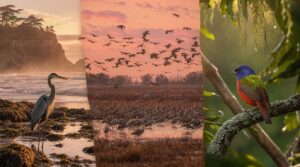
North America punches WAY above its weight in birding spots. From misty Pacific coastlines to Midwestern wetlands packed with migrating shorebirds, the variety here is genuinely hard to beat.
Here are eight destinations worth putting on your list.
Magee Marsh Wildlife Area, Ohio
If warblers are your thing, Magee Marsh Wildlife Area in Ohio is basically the Super Bowl of spring birding. Every May, the mile-long boardwalk turns into a front-row seat for dozens of species passing through on their way north.
- Boardwalk Birding — Eye-level warbler views, no climbing required
- Raptor Lookouts & Waterfowl Resting Zones — Towers overlook wetlands packed with seasonal migrants
- Educational Signage & Local Conservation Programs — Perfect for beginners and hardcore birders alike
Cape May, New Jersey
Cape May isn’t just a pretty postcard — it’s one of the top birdwatching locations across the United States. Sitting right on the Atlantic Flyway, this Victorian Charm-packed town funnels millions of migrants past your binoculars every spring and fall.
| Feature | What You’ll Find |
|---|---|
| Cape May Bird Observatory | Guided counts, viewing stations, peak-season programs |
| Marshland Trails | Shorebirds, woodcocks, warblers at close range |
| Historic District Tours | Birding + 600+ Victorian buildings — multitasking win! |
| Lighthouse Panorama | 157-ft views over Delaware Bay from an 1859 edifice |
Birding festivals here draw crowds for good reason. Add Seafood Festivals and you’ve got a full weekend sorted.
Big Bend National Park, Texas
Big Bend is where Desert Canyon Habitats, Chisos Elevation Birds, and Rio Grande Wetlands collide — all inside one massive park. With 450+ bird species, your birdwatching trip here never gets boring.
Monsoon Season Birding brings surprise arrivals, and Dark Sky Stargazing caps the evening perfectly.
Tour operators offer Customizable birding vacation packages across seasonal birding windows, so you can go deep into this wild corner of Texas on your own terms.
Sax-Zim Bog, Minnesota
If owls are your thing, Sax-Zim Bog is basically a dream come true. This massive Minnesota peatland—just 40–50 miles from Duluth—is famous for winter Great Gray Owls, boreal forest species, and rich Bog Flora.
Local trail access is easy, and Friends of Sax-Zim Bog runs Volunteer Surveys year-round. As a seasonal migration hotspot, the habitat diversity—from wetlands to boreal bogs—is unsurpassed.
Prospect Park, New York
Think owls are the only winter stars? Prospect Park proves urban birding hits different. This 526-acre Brooklyn gem records nearly 300 species along the Atlantic Flyway.
Why it’s worth your time:
- Indigenous forest birds nest in Brooklyn’s last remaining native woodland.
- Lake waterfowl year-round at the 60-acre lake.
- Audubon Center education and birding community resources with local expertise.
- Historic structures tours weaving through Stanford White landmarks.
Brooklyn Bird Club leads regular walks here — don’t miss May migration peaks!
Hawk Mountain Sanctuary, Pennsylvania
From Brooklyn’s urban trails, Pennsylvania’s ridgelines are calling. Hawk Mountain Sanctuary is North America’s first refuge for birds of prey — 2,600 acres of pure raptor magic.
Each fall, Raptor Migration Monitoring counts around 18,000 birds passing through. Scenic Overlook Experiences at the North and South Lookouts are unforgettable.
Educational Visitor Programs and Volunteer Conservation Initiatives make every birding tour here genuinely meaningful.
Cheyenne Bottoms Wildlife Area, Kansas
From Pennsylvania’s ridgelines, let’s head to the heart of the continent. Cheyenne Bottoms Wildlife Area in Kansas is one of North America’s most important birding hotspots — a sprawling Prairie Wetland Mosaic covering 41,000 acres along the Central Flyway.
Smart Water Level Management creates the Mudflat Habitat that millions of shorebirds depend on each spring and fall.
- Over 340 species recorded here
- Critical stopover along migratory flyways
- Kansas Wetlands Education Center offers guided tours
- Serious Ecotourism Impact supporting local communities
Cape Flattery, Washington
From Kansas wetlands to Washington’s wild edge — Cape Flattery sits at the northwesternmost tip of the lower 48, where the Pacific crashes into rugged sea stacks and coastal habitats teem with life.
Tufted Puffins nest nearby, Gray whale sightings are common offshore, and Sea lion haulout spots dot the rocks below.
Makah stewardship keeps this gem beautifully intact.
Best International Birding Hotspots

North America is amazing, but the rest of the world: a whole different level.
From ancient forests to remote island chains, there are international spots that will genuinely stop you in your tracks.
Here are some of the best birding hotspots worth planning your next trip around.
Doñana National Park, Spain
Europe’s largest wetland sanctuary doesn’t mess around. Doñana National Park spans over 54,000 hectares of coastal dunes, marshes, and lagoons — a living classroom in Dune Dynamics and Marsh Hydrology.
It’s a critical migratory stopover along major bird migration routes, hosting 300+ species annually. You’ll spot Spanish Imperial Eagle nesting nearby and benefit from habitat conservation efforts, despite ongoing water management challenges.
Iberian Lynx habitat adds rare mammal magic to your birding tours.
Cape York Peninsula, Australia
If remote is your thing, Cape York Peninsula delivers BIG. Stretching 800 kilometers into the Torres Strait, this Mangrove Wader Hotspot and rainforest endemics paradise rewards serious birding expeditions with tree-kangaroos, coastal waders, and rainforest specialists around every bend.
Plan your nature travel around the dry season — Wet-Season Flooding makes access tough.
Indigenous Cultural Tours add real depth here, and Remote Access Logistics means small operators like Birding Ecotours handle the heavy lifting beautifully.
Amazon Rainforest Birding Routes
Few places on Earth match the Amazon’s sheer scale — over 1,300 bird species spread across flooded várzea forests, open rivers, and dense canopy.
Riverboat Birding lets you glide through várzea flooding zones to spot endemic species like the Varzea Piculet.
Lodge Partnerships mean Morning Birding starts are handled for you — whether you’re a beginner or a hardcore lister chasing rarities.
African Savanna and Delta Tours
Switch from Amazon rivers to African skies — and the contrast hits you instantly. Canoe safaris through the Okavango Delta bring you eye-to-eye with malachite kingfishers, while night drives reveal owls hunting riverine margins after dark.
Acacia perching raptors utilize tall termite mounds as raptor lookouts, and fire mosaics artfully concentrate species.
With over 600 birds, this destination offers serious birding tours, serious ecotourism, and unforgettable wildlife photography.
Asia-Pacific Endemic Bird Destinations
Asia-Pacific is a birder’s treasure chest — and barely anyone’s cracked the lid. Sulawesi Endemics like the maleo stop you cold. Palawan Peacocks strut through Philippine forests. Lord Howe Endemics and New Caledonia Parrots reward seriously remote dedication. Taiwan Cloudbirds haunt misty highland ridges. Hawaiian endemics and seabird tours — including Kilauea Point’s nesting colonies — round it out beautifully.
Birding tourism and ecotravel trends here are booming fast.
Tropical Island Birding Tours
Tropical islands punch WAY above their weight for birding. Endemic species hotspots like Hawaii, the Florida Keys, and Dry Tortugas pack astonishing diversity into small spaces.
Hawaiian endemic and seabird tours combine rainforest walks with boat-access seabird colonies nesting offshore. Mangrove boardwalk tours reveal kingfishers and herons in sheltered channels, while night-time island walks uncover owls and nightjars.
Many operators run community conservation partnerships, so your trip fees genuinely help protect these habitats.
High-elevation Andean Birding Sites
From small islands, the Andes take things VERTICAL. Páramo Treks above 3,500 meters reveal tapaculos and ground-tyrants tucked into rugged mountains’ tussock grass.
Polylepis Groves shelter rare endemics, while Cloud Forest Hummingbirds dart through misty slopes below.
Watch for Andean Condor Soaring on thermals overhead — it’s genuinely breathtaking.
These sites lead ecotourism and sustainable travel in birding, with Torpor Adaptations making highland species endlessly fascinating.
Best Seasons for Birding Tours
Timing is everything in birding — show up too early or too late, and you’ll miss the whole show. The good news is that every season brings something worth getting up before dawn for, whether you’re chasing warblers in spring or watching hawks pile up on a ridgeline in October.
Here’s a breakdown of the best times to plan your trip, by season and destination.
Spring Migration Tours for Warblers and Songbirds
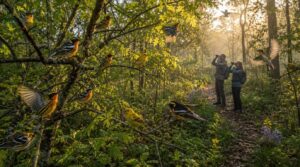
If you only pick one season to go, make it spring. From late April through early June, warblers flood North American flyways — and the action is UNREAL.
- Hit urban park stopovers like Prospect Park for easy access
- Work savanna edge habitats at dawn for peak activity
- Practice songbird acoustic ID using chip notes before you go
Ethical observation practices keep these seasonal migration hotspots thriving for everyone.
Fall Migration Tours for Raptors and Shorebirds
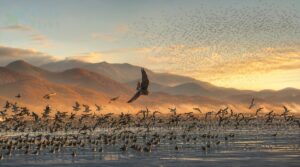
Fall birding offers a unique thrill, with Raptor Watch Windows opening in September. Broad-winged Hawks kettle over Hawk Mountain, attracting 10,000–20,000 raptors in some seasons. Shorebird Tide Timing is equally critical—targeting dawn low tides reveals mudflats teeming with activity.
Strong October tailwinds amplify Tailwind Optimization, while Predator-Prey Dynamics unfold dramatically before observers. These elements combine to create an unparalleled seasonal spectacle.
Summer Breeding Tours for Puffins and Seabirds

Summer shifts the spotlight to nesting cliffs and open water. From late April through August, puffins pack the seabird nesting sites in Iceland, Scotland, and Alaska by the thousands. Elevated viewing platforms allow visitors to observe without disturbing brooding adults, adhering to colony disturbance guidelines.
Pelagic birding excursions from coastal locations offer a unique perspective, bringing participants eye-level with feeding seabirds and adding depth to the experience.
Climate-driven timing shifts and prey availability impacts mean booking early matters.
Winter Birding Tours for Cranes and Waterfowl
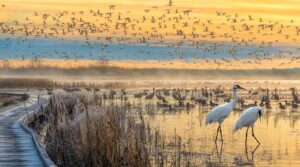
Winter is honestly one of the most underrated seasons for birding. Crane migration timing peaks from December through February — and the concentrations are WILD.
Top winter birding destinations to hit:
- Bosque del Apache, NM — tens of thousands of Snow Geese and waterfowl with boardwalk access year-round
- Aransas NWR, Texas — guided boat tours put you close to endangered Whooping Cranes, now nearing 500 individuals
- Doñana, Spain — wetland wildlife observation at its finest, with flamingos and pintails crowding lagoons
- Müritz, Germany — migratory bird hotspots and rare species sightings from designated hides in frosted fields
- Okavango Delta, Botswana — Blue Cranes and wetland management districts protecting sensitive wintering habitat
Check permit acquisition process requirements early. Some reserves limit access. Don’t forget cold-weather photography gear for those golden dawn shots.
Peak Timing by Destination and Flyway

Timing is everything in birding. Pacific Flyway Peaks hit late March through mid-May, while Atlantic Flyway peaks stretch into late May up north.
Wet-season Surges drive Andean Cloud Peaks for hummingbirds from May to August, and Monsoon Peaks shift Asia-Pacific migration windows each year.
Watch for El Niño Shifts — they can nudge peak timing by days or even weeks across major migration routes.
When to Book Popular Birding Trips

Book early — seriously. Peak Booking Windows fill 6–12 months out, especially for South American rainforest tours and Antarctica cruises.
- Early Bird Discounts save you 5–15% if you book 9–15 months ahead
- Shoulder Season Opportunities mean smaller groups and 10–25% lower accommodation rates
- Flexible Deposit Options let you hold dates without full commitment
Aligning your itinerary with Migration Timing ensures you won’t miss a thing.
Choosing The Right Birding Destination
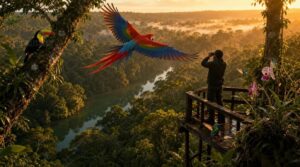
Not every birding destination is right for every birder, and that’s actually a good thing.
Whether you’re just starting out or chasing your 2,000th species, there’s a trip style built around you. Here’s what to think about before you book.
Beginner-friendly Versus Hardcore Birding Tours
Not all birding tours are built the same — and that’s actually great news. Birding tours for beginners vs hardcore birders come down to a few key differences: pace and rest, physical demands, and identification coaching. Beginners get relaxed schedules and guides who slow things down. Hardcore birders? Early alarms, long hikes, no complaints.
| Feature | Beginner Tours | Hardcore Tours |
|---|---|---|
| Pace and Rest | Built-in breaks | Dawn-to-dusk birding |
| Physical Demands | Low to moderate | Strenuous walking |
| Identification Coaching | Step-by-step guidance | Assumed field skills |
| Tour Size Flexibility | Larger, social groups | Smaller, focused teams |
Choose what fits your style.
Small-group Birding Travel Options
Small-group birding travel is where the real magic happens. With small group sizes of six or fewer, dedicated guides can actually tailor the day to you.
Compact vehicle travel keeps things nimble between sites, while flexible itineraries bend around migration windows, ensuring optimal wildlife encounters.
Minimal impact lodging and community partnerships ensure your guided tour does good while you chase lifers, blending adventure with responsible travel.
Bird Photography-focused Tour Destinations
Your camera deserves a seat at the planning table. Bird photography-focused trips treat Golden Hour Timing as sacred. Colombia’s cloud forests, Botswana’s Okavango Delta hides, and Papua New Guinea’s rainforest trails are absolute hotspots.
These destinations offer specialized setups, including Hide Setups and Photographer Guides who coach composition. Night Photography and Macro Opportunities are also featured in specialty photography workshops, enhancing the experience for enthusiasts.
Wildlife photography integration in bird tours has never been more intentional, blending seamlessly with dedicated birdwatching itineraries.
Family-friendly Birding Vacation Ideas
Not every great birding trip needs to be hardcore. Family-friendly birding travel options make it easy to bring the whole crew along — no experience required.
- Kid-friendly trails and boardwalks keep short legs happy
- Junior birder programs hand out certificates kids actually brag about
- Interactive learning stations turn "I’m bored" into genuine curiosity
Family lodging near top sites, guided nature walks, and educational birding expeditions wrap it all into tidy family vacation packages everyone enjoys.
Conservation-focused and Eco-friendly Tours
Want your trip to actually help the birds? Conservation-focused tours do just that.
| Feature | What It Means | Why It Matters |
|---|---|---|
| Green-certified Lodging | Eco-audited stays | Cuts waste and energy use |
| Low-Impact Transport | Electric/hybrid vehicles | Reduces Carbon Neutral Travel footprint |
| Community Benefit Programs | Local revenue sharing | Funds anti-poaching efforts |
Operators like Rockjumper earmark per tour for conservation. Birding Ecotours donates 10% of profits. That’s eco-friendly travel with real impact.
Guided Versus Custom Birding Itineraries
Guided tours handle permits, transport, and daily schedules, allowing you to simply arrive and enjoy birdwatching. Custom itineraries offer tailored routes and flexibility but require you to manage logistics independently.
Guided tours provide distinct advantages, including expert guidance, intimate group settings, and cost-effective bundling of services. Here’s a concise overview of their benefits:
- Guide expertise — Trained birding tour guides spot species you might otherwise miss.
- Small group sizes — Enhanced access, reduced noise, and more opportunities to observe birds.
- Cost efficiency — Tour operators combine lodging and transport, delivering genuine savings.
Essential Gear for Destination Birding Tours
Good gear makes or breaks a birding trip — no matter how well your itinerary is planned. Pack smart and you’ll spend more time watching birds than fumbling with fogged lenses. Birding tour equipment recommendations don’t need to be expensive — just practical. Whether you’re deep into 48-hour birding challenges or a casual weekend outing, solid birding gear and reliable field guides keep you ready when that rare bird shows up.
| Gear Category | Top Pick | Pro Tip |
|---|---|---|
| Binocular Choice | 8×42 or 10×42 optics | Phase-corrected prisms beat overcast skies |
| Field Guide Apps | Offline species lists + audio | Sync notes daily, avoid double counts |
| Layered Clothing | UPF shirt + rain shell | Early mornings get cold FAST |
| Camera Stabilization | Monopod or lightweight tripod | Remote shutter cuts blur in low light |
| Portable Power | Solar charger + power bank | Non-negotiable in remote reserves |
Frequently Asked Questions (FAQs)
What are the best places to go bird watching?
Colombia tops the list with nearly 1,900 species, but top birdwatching locations across the United States — like Magee Marsh and Cape May — rival any global destination for sheer seasonal migration hotspot excitement.
Where are the best bird watching destinations in North America?
North America’s backyard is honestly embarrassing—in the best way.
From Great Lakes Shorelines to Southern Desert Oases, Cape May Bird Observatory to Hawk Mountain Sanctuary, superb birding is practically everywhere you turn.
Who is the best birding tour company?
There’s no single "best" — it depends on what you want. VENT covers 100+ countries, Rockjumper keeps groups to 8, and Birding Ecotours donates 10% to conservation. Pick your priority.
Which is the best birding destination in India?
India is a birdwatcher’s paradise — truly a sub-continent with sub-continental species lists!
From Keoladeo Wetland to Thattekad Rainforest, Eaglenest’s altitudinal gradients, Chilika Lagoon, and the Western Ghats’ endemics, every birding tour rewards you.
Which state is best for bird watching?
Texas tops the list for species richness, flyway convergence, and habitat diversity — over 650 species call it home. It’s basically a state-by-state guide rolled into one state.
What is the best birding tour company in Europe?
Birding Ecotours leads the pack for European tours — small groups of 6–8, expert local guides, and strong post-trip support. Rockjumper and VENT are close runners-up.
Where is the best place in the world to go birding?
Colombia takes the crown. With over 1,900 bird species — the highest Biodiversity Index on Earth — it’s the world’s top birding tour destination.
Packed with endemic species and jaw-dropping habitat diversity, Colombia offers unparalleled experiences at every turn.
Where is the best place to go bird watching?
If you’re chasing the world’s best birdwatching, Colombia is hard to beat — over 1,900 species call it home. But honestly, the best spot is wherever the birds are when you arrive.
Where is the birdwatching capital of the world?
If one place earns the ‘birdwatching capital‘ title, most birders point to Colombia — over 1,900 species, unsurpassed guide density, and a conservation legacy that keeps serious listers coming back.
What country is best for bird watching?
If there’s one country that’ll make every lifer list explode, it’s Colombia — over 1,900 bird species, year-round availability, and unsurpassed habitat diversity from Andean peaks to Pacific coast.
Conclusion
Armchair birders will tell you the best places for birding tours are wherever the Wi-Fi is strongest. Don’t believe them. The real list lives somewhere between a Colombian cloud forest at 5 a.m. and a Minnesota bog in February—uncomfortable, unforgettable, and completely worth it.
Every destination in this guide offers something no algorithm can replicate: a living, breathing world that rewards your patience. Pack your binoculars. The birds aren’t waiting.
- https://www.10000birds.com/the-ten-best-birding-locations-in-the-world-according-to-chatgpt.htm
- https://birding-experience.com/en/best-wildlife-tours-2025/
- https://www.audubon.org/conservation/americas/ecotourism
- https://fatbirder.com/world-birding/asia/
- https://www.discoverafrica.com/blog/top-10-destinations-for-birding-safaris-in-africa/