This site is supported by our readers. We may earn a commission, at no cost to you, if you purchase through links.
Most people pick a bird feeder based on looks and call it a day. Then the squirrels move in, the wrong birds show up, and half the seed rots from rain sitting in the tray. The feeder wasn’t bad—it just wasn’t matched to the birds, the yard, or the conditions.
Tube, hopper, platform, window, and specialty feeders each work differently, attract different species, and hold up to weather and pests in different ways. Knowing which one fits your setup changes everything—from how often you’re cleaning to whether cardinals actually stick around.
Table Of Contents
- Key Takeaways
- Bird Feeder Types Compared
- Top 10 Bird Feeder Picks
- 1. Gray Bunny Green Squirrel Proof Bird Feeder
- 2. Perky Pet Squirrel Proof Bird Feeder
- 3. Perky Pet Glass Hummingbird Feeder
- 4. Lyric Nyjer Wild Finch Seed
- 5. Kingsyard Metal Finch Thistle Bird Feeder
- 6. Birds Choice Hanging Suet Feeder
- 7. Aelean Metal Mesh Bird Feeder Tray
- 8. Gtongoko Peanut Wreath Bird Feeder
- 9. Amzey Natural Dried Mealworms for Birds
- 10. Songbird Essentials Ultimate Oriole Feeder
- Best Feeders by Bird Species
- Seed and Food Compatibility
- Squirrel-Proofing and Durability
- Placement and Maintenance Comparison
- Frequently Asked Questions (FAQs)
- Why put a potato in your bird feeder?
- What kind of bird feeders do birds like best?
- What is the 5 7 9 rule for bird feeders?
- What color bird feeder attracts the most birds?
- What is the best home made bird feeder?
- How high should bird feeders be placed?
- What material is best for winter feeding?
- Can birdseed attract unwanted pests or insects?
- Are DIY homemade bird feeders safe for birds?
- Which bird feeders work best in rainy climates?
- Conclusion
Key Takeaways
- Matching your feeder type to your target species — tube for finches, hopper for cardinals, platform for doves — is the single biggest factor in whether birds actually show up and stay.
- Squirrel-proofing comes down to three things that work together: weight-activated perches, metal construction that can’t be chewed through, and smart pole placement using the 5-7-9 rule.
- Seed choice matters as much as feeder design — black-oil sunflower pulls in the widest variety, while Nyjer targets finches specifically and nectar or suet opens the door to hummingbirds and woodpeckers.
- Cleaning frequency is non-negotiable: specialty feeders need attention every 2–3 days, tube and window feeders every week, and skipping the schedule invites mold and disease that drive birds away fast.
Bird Feeder Types Compared
Not all bird feeders are created equal, and the type you choose makes a real difference in which birds show up. Each design has its own strengths depending on the species you want to attract, the seed you plan to use, and how much upkeep you’re willing to do.
Matching your feeder to the right species makes all the difference, and a guide to backyard birds of Florida can help you figure out exactly who’s likely to visit your yard.
Here’s a look at the five main feeder types to help you find your best match.
Tube Feeders
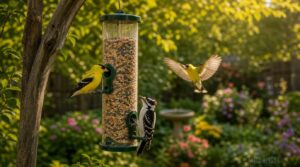
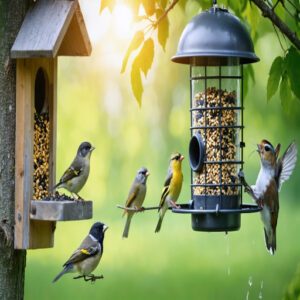
Tube feeders are one of the most practical setups you can hang in your yard. The plastic tube keeps seed visible through its clear walls, so you always know when it’s time to refill.
Port positioning matters—smaller ports suit finches, while larger ones welcome woodpeckers.
Anti-clogging screens and easy disassembly make cleaning simple, and the portable hanging design fits almost any spot.
The feeder relies on a gravity refill mechanism that continuously supplies seed to the ports.
Hopper Feeders
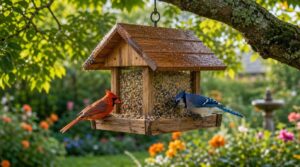
Hopper feeders go big where tube feeders keep things lean. Think of them as a small house that birds actually want to visit—featuring a pitched roof, clear sides, and a steady Gravity Feed Rate that keeps seed flowing to the tray below.
Hopper Capacity Options range from 4 to 10 lbs, ensuring infrequent refills. The design includes Ventilation Roof Flaps to reduce moisture and a Seed Diverter Design to prevent jams, maintaining smooth operation.
An Adjustable Perch Height accommodates cardinals, jays, and grosbeaks, allowing them to feed comfortably.
Platform Feeders
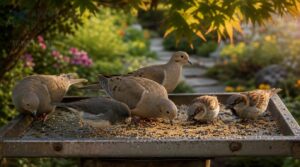
Platform feeders bring everything down to earth—literally. The open tray platform sits close to ground level, welcoming juncos, sparrows, and mourning doves that prefer foraging low.
Look for metal construction, drainage holes, and a removable tray for easy cleanup. Adjustable-height stands and raised edges handle seed spillage prevention naturally.
Window Feeders
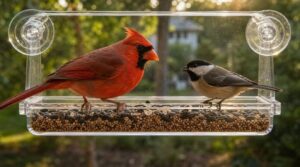
Window feeders flip the script entirely—instead of watching from afar, you’re separated by just a pane of glass. They attach via suction cups (check Suction Strength regularly on clean, dry glass) and use transparent plastic for clear Transparency Benefits.
- Dual‑Side Design reduces Bird Wariness noticeably
- Port Adjustability lets you mix seed types
- Placement within 3 feet helps window collision prevention
Specialty Feeders
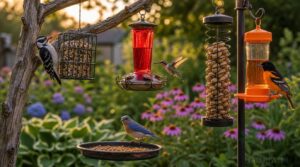
When your backyard goals get specific, specialty feeders step in.
A Nectar Feeder uses magnetic closure caps to seal between fills, while a Suet Feeder and Mealworm Feeder feature detachable baffles for quick cleaning.
Port size calibration keeps the right seed moving to the right bird.
Peanut Feeder and Oriole Feeder designs add anti-seed spillage trays, and multi-height towers serve several species at once.
Top 10 Bird Feeder Picks
Finding the right feeder comes down to knowing what you want in your backyard and which birds you’re hoping to attract. Each pick on this list was chosen for a specific reason — whether that’s squirrel resistance, seed type, or how easy it is to keep clean.
Here are ten feeders worth a close look.
1. Gray Bunny Green Squirrel Proof Bird Feeder
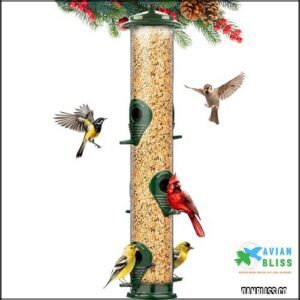
The Gray Bunny Green Squirrel Proof Bird Feeder is a solid choice if you’re tired of squirrels raiding your seed supply. Its chew-proof metal lid, base, and six feeding ports hold up well against persistent gnawers, offering durable protection.
The clear plastic tube allows easy monitoring of seed levels, while the feeder holds about 4 cups of seed. It accommodates smaller birds like finches and chickadees comfortably and remains weather-resistant year-round, ensuring longevity in outdoor conditions.
However, users with limited hand strength may find the screw-on lid a bit stiff, which could pose a minor challenge during refills.
| Best For | Backyard bird lovers who want to attract small birds like finches and sparrows while keeping squirrels and larger birds out. |
|---|---|
| Material | Metal + plastic tube |
| Weather Resistance | Yes |
| Ease of Cleaning | Moderate (non-removable base) |
| Squirrel Resistance | Partial |
| Target Bird Type | Small to medium birds |
| Assembly Required | No |
| Additional Features |
|
- The clear plastic tube makes it easy to see when seed is running low — no guessing needed.
- Metal construction on the lid, base, and ports holds up against chewing and resists rust in typical weather.
- Six feeding ports mean more small birds can eat at once, and the weather-resistant design keeps seed fresh longer.
- The screw-on lid can be really tough to open, especially if you have arthritis or limited grip strength.
- Rust has shown up early on the lid and base for some users in humid or coastal climates.
- The base can’t be removed, so cleaning out seed debris that collects between the tube and base is a hassle.
2. Perky Pet Squirrel Proof Bird Feeder
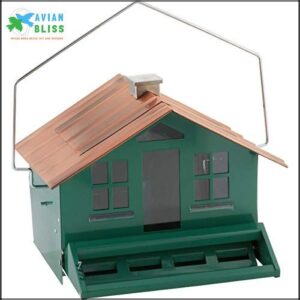
The Perky Pet Squirrel Proof Bird Feeder excels at balancing function and simplicity. Its weight-activated perch bar instantly closes feeding ports when a squirrel steps on it, requiring no manual adjustments.
Constructed from powder-coated metal, the feeder withstands rain, humidity, and freezing temperatures without rusting. This durability ensures long-term reliability in harsh weather conditions.
With an 8 lb seed capacity, the feeder minimizes frequent refills—you won’t need to refill it every other day. This design prioritizes convenience for bird enthusiasts.
The removable lid simplifies cleaning, maintaining a hygienic environment for birds. Meanwhile, the adjustable spring sensitivity allows customization to accommodate smaller birds like chickadees or cardinals.
| Best For | Backyard bird lovers who are tired of squirrels raiding their feeders and want a low-maintenance solution that just works. |
|---|---|
| Material | Powder-coated metal |
| Weather Resistance | Yes |
| Ease of Cleaning | Easy (removable lid) |
| Squirrel Resistance | Yes (weight-activated) |
| Target Bird Type | Songbirds |
| Assembly Required | No |
| Additional Features |
|
- The weight-activated perch is smart and automatic — no buttons, no fuss, squirrels just get shut out.
- Holds 8 lbs of seed, so you’re not refilling it every couple of days.
- Built from powder-coated metal, so rain and cold won’t turn it into a rusty mess.
- A really determined squirrel can still get in by hanging upside-down from the hook — they’re crafty like that.
- Wet weather means more cleaning since seed can clump and go moldy pretty fast.
- If the spring sensitivity is off, smaller birds might get blocked out along with the squirrels.
3. Perky Pet Glass Hummingbird Feeder
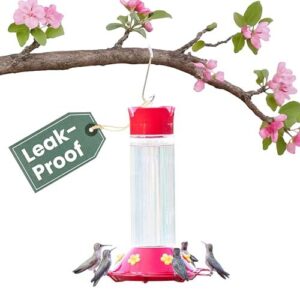
Hummingbirds are fast and picky—so your feeder needs to keep up. The Perky-Pet 209B-1SR holds 30 fl oz of nectar in a clear tempered glass reservoir, allowing easy level checks without removal. Its design prioritizes functionality and durability.
Six flower-shaped ports with built-in bee guards and an ant moat prevent crawling insects from contaminating the nectar. These features ensure a pest-free feeding environment for hummingbirds.
The wide-mouth opening simplifies filling and cleaning, while the glass construction withstands heat and bleach sterilization better than plastic. This durability is essential for maintaining hygiene with frequent daily or bi-daily cleaning.
| Best For | Backyard birders who want a low-maintenance, easy-to-clean feeder that can handle heavy hummingbird traffic without constant refilling. |
|---|---|
| Material | Glass + ABS plastic |
| Weather Resistance | Yes |
| Ease of Cleaning | Easy (fully separable) |
| Squirrel Resistance | No |
| Target Bird Type | Hummingbirds |
| Assembly Required | No |
| Additional Features |
|
- The 30 oz tempered glass reservoir holds a ton of nectar and lets you see the level at a glance—no guessing, no unnecessary trips outside.
- Built-in bee guards and an ant moat keep bugs out of the nectar, so the birds actually get what you put in there.
- Wide-mouth opening plus fully separable sections make filling and deep cleaning genuinely quick and hassle-free.
- The plastic flower ports can discolor and get moldy over time, which means you might need to replace them sooner than you’d like.
- The included S-hook is pretty short and won’t fit on thicker brackets, so you may need to grab different hanging hardware.
- The ant moat needs to stay filled with water to work—in dry weather, it can dry out fast and lose its effectiveness.
4. Lyric Nyjer Wild Finch Seed
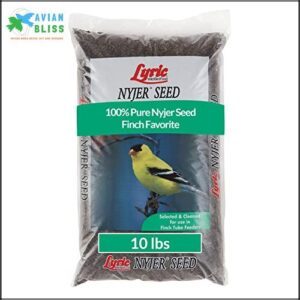
If you want goldfinches crowding your yard, seed quality matters. Lyric’s Nyjer seed is sterilized and cleaned to minimize dust and debris, preventing feeders from becoming waterlogged messes. At 10 lbs per bag, it offers a reliable supply for peak feeding periods.
The seed’s high-fat content provides essential calories for finches—American Goldfinches, Pine Siskins, Purple, and House Finches—particularly during colder months when energy demands surge.
| Best For | Backyard birders who want to draw in goldfinches and other finches, especially through the colder months when the birds need the extra calories. |
|---|---|
| Material | N/A (seed product) |
| Weather Resistance | N/A |
| Ease of Cleaning | N/A |
| Squirrel Resistance | N/A |
| Target Bird Type | Finches |
| Assembly Required | N/A |
| Additional Features |
|
- Cleaned and sterilized seed means less dust and mess in your feeders
- High-oil content gives finches the fat they need to get through winter
- Pulls in a solid variety of finches — goldfinches, siskins, purple and house finches
- Can feel pricey for a 10 lb bag, especially if you’re feeding a lot of birds
- Seed loses freshness over time, and birds will notice — they’ll skip it if it’s past its prime
- Contains trace peanuts, so handle with care if allergies are a concern
5. Kingsyard Metal Finch Thistle Bird Feeder
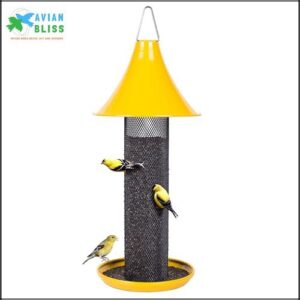
The Kingsyard Metal Finch Thistle Bird Feeder is constructed entirely from powder-coated metal, ensuring squirrels can’t gnaw through it and rust won’t cut its lifespan short. This solid construction provides durability season after season.
Its diamond-shaped mesh allows goldfinches, siskins, and house finches to cling naturally from any angle, while the 360° seed tray captures spillage and offers extra perching room.
The feeder holds around 3 lb of nyjer seed and twists apart without tools for quick cleaning, combining functionality with ease of maintenance.
| Best For | Bird lovers and backyard wildlife watchers who want a durable, low-maintenance feeder that attracts finches and other small birds without giving squirrels a free meal. |
|---|---|
| Material | Powder-coated metal |
| Weather Resistance | Yes |
| Ease of Cleaning | Easy (twist-off top/base) |
| Squirrel Resistance | Partial |
| Target Bird Type | Finches, small birds |
| Assembly Required | No |
| Additional Features |
|
- All-metal build means squirrels can’t chew through it, and the powder-coat finish keeps rust from becoming an issue over time.
- The diamond mesh lets birds cling from any direction, so you can have 7–8 birds feeding at once without a lot of squabbling.
- Twist-off top and base make refilling and cleaning quick and tool-free — no fussing around.
- The top opening is pretty narrow, so heavy rain can still get in and dampen the seed.
- Small drainage holes in the tray can let water pool, which may lead to clumping or mold in humid weather.
- There’s no locking mechanism on the twist-off sections, so parts could work loose over time if you’re not careful.
6. Birds Choice Hanging Suet Feeder
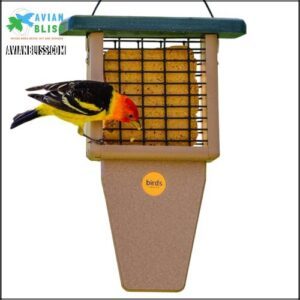
Switching from seeds to suet opens up a whole new crowd at your feeder.
The Birds Choice Hanging Suet Feeder is built from recycled poly-lumber with stainless-steel screws and aluminum hinges, ensuring it won’t crack, warp, or rust through seasons of heavy use.
The tail-prop perch is a thoughtful detail, providing larger woodpeckers, nuthatches, and chickadees with a stable foothold while feeding. An integrated roof keeps suet dry, and the removable lid makes refilling straightforward.
Just know squirrels can access it, so hot-pepper suet helps.
| Best For | Backyard bird enthusiasts who want to attract woodpeckers and clinging birds with a durable, low-maintenance feeder built to last through tough weather. |
|---|---|
| Material | Recycled poly-lumber + metal |
| Weather Resistance | Yes |
| Ease of Cleaning | Easy (removable lid/grid) |
| Squirrel Resistance | No |
| Target Bird Type | Woodpeckers, clinging birds |
| Assembly Required | No |
| Additional Features |
|
- Made from recycled poly-lumber, so it won’t crack, warp, or fade — basically set it and forget it.
- The tail-prop perch lets big birds like pileated woodpeckers feed comfortably without slipping.
- Easy to refill and clean — the lid slides off and the wire grid comes out, no tools needed.
- Squirrels can get into it, so you’ll likely need hot-pepper suet to keep them away.
- The hanging cord is only held by a single screw, which can loosen over time.
- The lid doesn’t stay on super securely and may need a clip to keep it in place.
7. Aelean Metal Mesh Bird Feeder Tray
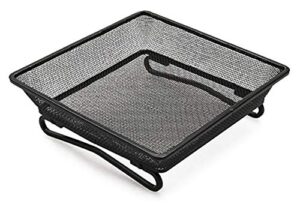
If suet brings woodpeckers, a simple tray brings everyone else. The Aelean Metal Mesh Bird Feeder Tray gives ground-feeding birds like juncos, sparrows, and doves a defined spot to eat without the mess spreading across your lawn.
At just 8×8 inches, it’s compact but accommodates multiple birds at once. The metal mesh drains rainwater fast, keeping seeds drier and reducing mold.
Attach it to a deck railing, rinse it weekly, and you’re done.
| Best For | Backyard birders who want a low-maintenance feeding spot for ground-feeding birds like sparrows, juncos, and doves without seed spreading all over the yard. |
|---|---|
| Material | Metal mesh |
| Weather Resistance | Partial (drainage holes) |
| Ease of Cleaning | Easy (weekly wash) |
| Squirrel Resistance | No |
| Target Bird Type | Ground/platform feeders |
| Assembly Required | No |
| Additional Features |
|
- The metal mesh drains rainwater quickly, so seeds stay drier and you’re not constantly fighting mold
- Sturdy enough that birds and squirrels won’t tip it over while feeding
- Easy to attach to a deck railing and takes about a minute to rinse clean each week
- The low profile means seeds can contact soil and grass, which can lead to sprouting or dead patches after heavy rain
- May arrive with minor dents or bends and need a little reshaping right out of the box
- Fine seeds can still make a mess since the mesh doesn’t fully contain debris from sloppy feeders
8. Gtongoko Peanut Wreath Bird Feeder
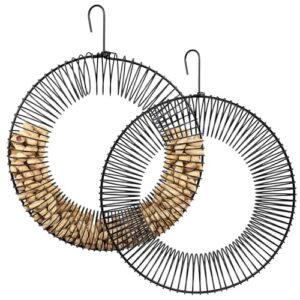
Not every bird waits for a perch. Some, like woodpeckers, chickadees, and tufted titmice, cling and work for their food. The Gtongoko Peanut Wreath gives them exactly that.
Its alloy steel ring holds about 1.25 lb of whole peanuts, accessible from every angle at once. The powder-coat finish withstands cold winters without rusting.
Hang it 5–6 feet up, away from easy squirrel launch points, and watch the action start.
| Best For | Bird lovers who want to attract clinging species like woodpeckers, chickadees, and titmice with a durable, no-fuss whole peanut feeder. |
|---|---|
| Material | Alloy steel |
| Weather Resistance | Yes |
| Ease of Cleaning | Easy (open wreath) |
| Squirrel Resistance | No |
| Target Bird Type | Woodpeckers, jays |
| Assembly Required | No |
| Additional Features |
|
- Holds about 1.25 lb of peanuts and gives birds access from every angle — way more action than a single-port feeder.
- Alloy steel with powder-coat finish handles tough winters without rusting out on you.
- Comes as a 2-pack, so you can set up two spots or keep a spare ready to go.
- Squirrels will treat this like an all-you-can-eat buffet — placement really matters.
- Whole peanuts can fall out and pile up on the ground, which might draw in critters you didn’t invite.
- Active feeding areas may need a daily refill, which adds up in both time and peanut costs.
9. Amzey Natural Dried Mealworms for Birds
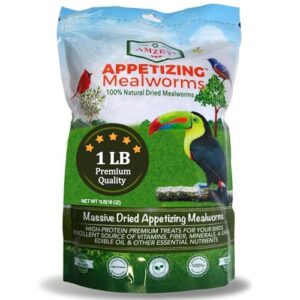
Peanuts bring in the clingers, but mealworms pull in a whole different crowd. Bluebirds, robins, wrens, and chickadees go straight for them — especially during nesting season when protein is everything.
Amzey’s dried mealworms are 100% natural, non-GMO, and pack around 49% protein by weight. The 7-oz zip-seal pouch ensures easy dispensing without refrigeration.
Scatter them on a platform tray or mix into seed. Store in a dry spot once opened, and they’ll stay fresh through weeks of feeding.
| Best For | Backyard bird lovers who want to attract bluebirds, wrens, and robins — plus anyone raising chickens, ducks, or keeping reptiles as pets. |
|---|---|
| Material | N/A (food product) |
| Weather Resistance | N/A |
| Ease of Cleaning | N/A |
| Squirrel Resistance | N/A |
| Target Bird Type | Bluebirds, songbirds |
| Assembly Required | N/A |
| Additional Features |
|
- 100% natural, no preservatives or GMOs — just straight mealworms
- Works for a wide range of animals, from wild songbirds to backyard poultry to hedgehogs
- No refrigeration needed, and the zip-seal pouch makes dispensing easy
- The zip-seal can wear out over time and stop closing properly
- A few buyers have reported off smells or occasional bug contamination in the bag
- Worms crumble easily in transit, so you may end up with more fragments than whole pieces
10. Songbird Essentials Ultimate Oriole Feeder
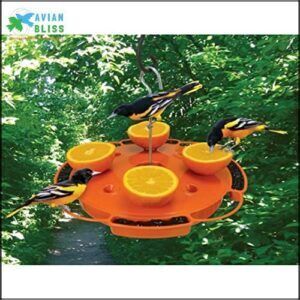
If you’re serious about attracting orioles, this feeder earns its spot. The Songbird Essentials Premier Oriole Feeder holds 32 oz of nectar plus four orange halves and jelly — all in one compact, 12.5-inch unit. The built-in ant moat keeps insects out of the nectar, and the bright orange body does the recruiting for you.
Cleanup is quick thanks to smooth plastic surfaces and snap-apart parts. Just remember to swap out fruit and nectar every couple of days in warm weather.
| Best For | Backyard birders who want to attract orioles with multiple food options — nectar, fruit, and jelly — all from one feeder. |
|---|---|
| Material | Food-grade plastic |
| Weather Resistance | Partial (no UV protection) |
| Ease of Cleaning | Easy (smooth surfaces) |
| Squirrel Resistance | No |
| Target Bird Type | Orioles, hummingbirds |
| Assembly Required | No |
| Additional Features |
|
- Holds nectar, orange halves, and jelly all at once, so you’re covering all the bases for orioles in a single setup
- The 32 oz nectar reservoir means fewer refills, and the built-in ant moat keeps bugs out of the food
- Smooth plastic surfaces and simple disassembly make cleaning fast and easy
- Nectar ports can be hard for birds to reach when the reservoir gets low, which leads to wasted nectar
- The plastic fades and can get brittle over time with regular sun exposure
- The hanging hook tends to loosen and tilt, especially when the feeder isn’t evenly loaded
Best Feeders by Bird Species
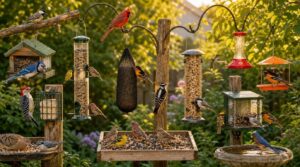
Different birds have different needs, and the feeder you choose makes a real difference in who shows up. Matching the right feeder to the right species doesn’t have to be complicated.
Here’s a straightforward breakdown by bird type to help you get started.
Finches and Chickadees
Finches and chickadees seem like similar backyard visitors, but their beak morphology tells a different story. Finches crack larger seeds with strong conical bills, while chickadees use slender pointed beaks to pick smaller morsels.
Tube feeders stocked with Nyjer seed draw goldfinches year-round, and black-oil sunflower seeds bring both species reliably. Their feeding preferences highlight distinct ecological niches despite overlapping habitats.
Their social behavior and winter foraging flocks create a ripple effect: once one arrives, others follow. This collective dynamic ensures shared resources become communal gathering points.
Cardinals and Grosbeaks
Cardinals and evening grosbeaks share strong conical bills, bold plumage differences between males and females, and a serious preference for black-oil sunflower seeds.
Hopper feeders work best here, offering the wide landing platform both species require. Their territorial songs peak in spring, but winter foraging ensures consistent feeder visits, making seed selection and feeder stability critical priorities.
Woodpeckers and Nuthatches
Both woodpeckers and nuthatches are built for bark — tail bracing and cavity excavation define how woodpeckers forage, while nuthatches master bark probing headfirst down trunks. Suet feeders and caged feeders work best for both.
- Offer suet cakes for high-energy winter foraging
- Use species-specific feeders with larger ports for woodpeckers
- Add drumming behavior cues like nearby snags to attract both
Hummingbirds and Orioles
Hummingbirds and orioles share a love of nectar, but they’re not interchangeable guests. Hummingbird feeders work best with a simple hummingbird nectar recipe — one part sugar to four parts water — hitting the nectar concentration these migrants need for migration refueling. Oriole feeders require bigger perch size and accept fruit too.
Color attraction matters: red for hummingbirds, orange for orioles.
Their seasonal diet shifts as migration moves through.
Doves and Ground Feeders
Doves are classic ground foragers — they’re happiest on a flat, open platform feeder close to earth level. Low-level perches, edge containment lips, and solid ground moisture management keep seeds fresh and doves comfortable.
- Clear flight paths create quiet landing zones
- Open placement facilitates natural predator surveillance
- Millet-heavy seed mix suits dove preferences perfectly
- Smart feeder placement guidelines reduce spillage and waste
Seed and Food Compatibility
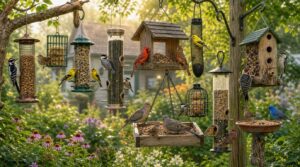
The right food makes all the difference — even the best feeder won’t get much traffic if it’s stocked with the wrong seed. Birds are surprisingly picky, and matching what you offer to what they actually eat is the fastest way to fill your yard with the species you want.
Even the best feeder stays empty if you’re offering the wrong seed
Here’s a look at the five most effective food types and which feeders they pair with best.
Black-oil Sunflower Seed
Black-oil sunflower seed is the closest thing to a universal bird food you’ll find. Its oil richness comes from a fat content of 40–50%, delivering high calorie density for cold-weather birds. The thin hull and small seed size make it easy for chickadees, finches, and cardinals to crack open. It also contains vitamin E for plumage health.
| Feature | Black-Oil Sunflower | Striped Sunflower |
|---|---|---|
| Oil Content | 40–50% | Lower |
| Hull Thickness | Thin | Thick |
| Bird Variety | Broad | Limited |
Storage tips: Keep it sealed, cool, and dry.
Nyjer Seed
While sunflower seed casts a wide net, Nyjer seed does the opposite — it targets specific birds with precision. With roughly 32% fat, it delivers serious cold-weather energy for finches and pine siskins when temperatures drop.
What makes Nyjer feeders work:
- Fine mesh ports match the tiny 1.5–2mm seed size
- Fat-rich nutrition aids plumage and migration readiness
- Shelf-life preservation requires sealed, cool, dry bulk storage tips
- Feeding posture lets goldfinches cling sideways naturally
Suet Cakes
Where Nyjer targets specialists, a suet cake feeds a broader crowd — woodpeckers, nuthatches, chickadees, and more.
Its Fat Base Selection starts with rendered beef fat or lard, then Additive Varieties like sunflower seeds, peanuts, and Calcium Enrichment from crushed eggshells round out the suet composition.
Melt-resistant formulas keep your suet feeder tidy above freezing.
For Storage Tips, freeze extras to lock in that energy-rich suet freshness all winter.
Nectar Solution
Unlike suet, nectar solution is one food you make yourself. The sweet spot is a 1:4 sugar ratio — one part white sugar, four parts water. Skip red dye; your hummingbird feeders don’t need it.
- Fermentation Prevention: Swap nectar every 2–3 days in heat.
- Temperature Storage: Refrigerate extra nectar solution up to two weeks.
- Acidity Adjustment: A drop of citric acid mimics natural mineral content.
Mealworms and Peanuts
Both mealworms and peanuts earn their spot at bird feeding stations for good reason. Mealworms are an excellent high-protein snack that drive insectivore attraction, pulling in bluebirds, wrens, and chickadees — especially during breeding season.
Peanuts serve as a reliable fat energy source.
Use shell-free presentation in a peanut feeder or mealworm feeder, and always practice aflatoxin prevention by keeping supplies cool and dry.
Squirrel-Proofing and Durability
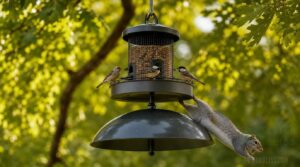
Squirrels are persistent, and a feeder that can’t hold up to them won’t last long. The good news is that a few smart design choices can make a real difference in what you keep—and what you lose.
Here’s what to look for when durability and squirrel-proofing matter.
Weight-activated Mechanisms
Weight-activated perches are the real brains behind the best squirrel-proof feeder designs. When a squirrel climbs on, its extra weight triggers the activation mechanism, closing off the seed port instantly. The cam profile and spring stiffness determine how fast and smoothly that happens.
A good reset speed ensures the feeder is ready for the next bird within seconds, while an anti-rattle design keeps everything quiet and steady.
Metal Versus Plastic
Metal tube feeders win on durability — corrosion resistance, UV durability, and the ability to handle hail without cracking give them a clear edge.
Plastic tube feeders are lighter, making repositioning easier, but they can crack in cold snaps.
Cleaning ease favors metal, as smooth surfaces prevent residue buildup.
The tradeoff lies in cost: metal costs more up-front but lasts longer.
Baffles and Pole Placement
A good squirrel baffle blocks climbing and blocks jumping. For dome height, position it 12–18 inches below the feeder. Cylinder clearance requires at least 6 inches above the top arm.
Keep feeder hanging locations 5 feet off the ground, ensuring baffle edge alignment remains flush to the pole.
After heavy storms, seasonal baffle adjustments maintain the effectiveness of squirrel-proof feeder designs.
Weather-resistant Feeder Designs
A weather-resistant feeder with sloped roofs efficiently sheds water, while overhangs of 2–4 inches deflect wind-driven rain, ensuring seeds stay protected from the elements.
UV-resistant panels withstand prolonged sun exposure without cracking, maintaining durability over years of outdoor use.
Sealed seed ports and gasketed lids create a moisture-proof barrier, locking out humidity to preserve seed freshness.
Mesh drainage underneath prevents water pooling, providing an additional safeguard against dampness and spoilage.
Reducing Seed Waste
Seed waste adds up fast if you’re not paying attention. Implement simple portion control by filling feeders to about 70 percent capacity, keeping seed fresh and reducing spoilage. Anti-spill baffles redirect scattered seed back into the tray, while a smart seed tube design limits over-dispensing.
Rotate your seed types weekly, and store reserves in airtight storage to maintain quality.
Regular feeder maintenance and capacity planning ensure every refill counts, maximizing efficiency and minimizing waste.
Placement and Maintenance Comparison
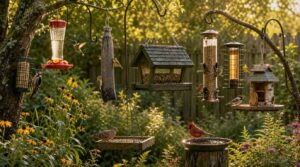
Where you place your feeder and how often you clean it can make or break your backyard setup. Small decisions — like seasonal height adjustments or how quickly you scrub out a hummingbird feeder — have a real impact on bird health and how many species stick around.
Here’s what to know across the most common feeder types.
Safe Window Feeder Placement
Where you place a window feeder matters more than most people realize. Keep it within three feet of glass — that short distance actually reduces collision risk because birds don’t build enough speed to get hurt.
| Placement Factor | Recommendation | Why It Matters |
|---|---|---|
| Mount height | 5–6 feet above ground | Optimizes visibility and safety |
| Reflective glass avoidance | Apply outside decals or film | Breaks up dangerous reflections |
| Clear flight path | No dense branches nearby | Reduces sudden turns near glass |
| Predator shielding | 6-foot open buffer below | Limits cat and ground predator access |
| Suction cups | Inspect monthly | Prevents unexpected feeder drops |
Strong suction cups, a clear flight path, and decal treatment on reflective glass all make a real difference. Following these feeder placement guidelines keeps birds safe and your view unobstructed.
Weather-protected Feeding Areas
Window placement keeps birds safe — but protecting your feeder from rain is a whole different challenge. Rain Shields, Angled Roofs, and Side Overhangs act as your feeder’s first line of defense, while Drainage Channels and Ventilated Enclosures prevent mold that can soak seeds overnight.
| Feature | Function | Best Feeder Type |
|---|---|---|
| Rain Shields | Block direct rainfall | Hopper, Platform |
| Angled Roofs | Redirect snow and runoff | Hopper, Tube |
| Drainage Channels | Clear pooled water fast | Platform, Tray |
| Ventilated Enclosures | Improve airflow, reduce mold | All types |
| Side Overhangs | Shield from wind-driven rain | Tube, Window |
A weather-resistant feeder with solid rain protection keeps seeds fresh longer and ensures birds return reliably.
Seasonal Feeder Adjustments
Your feeder setup doesn’t stay the same year-round — and it shouldn’t.
Shifting from fat-rich mixes in winter to shade relocation and nectar timing in summer keeps birds healthy through every season. A weather-resistant feeder helps, but adjusting what’s inside matters just as much.
| Season Shift | Feeding Strategy | Key Adjustment |
|---|---|---|
| Winter | Winter feeding with suet | Add winter water additives |
| Spring | Nectar timing for arrivals | Introduce hummingbird feeders |
| Summer | Summer feeding in shade | Shade relocation, reduce fat |
| Fall | Migration fueling priority | High-calorie hulled seeds |
| Year-round | Seasonal feeding strategies | Monitor waste, rotate placement |
Cleaning Frequency by Type
Adjusting what goes in your feeders seasonally is half the job — keeping them clean is the other half. Each bird feeder type has its own cleaning schedule, and skipping it invites mold quickly.
| Feeder Type | Cleaning Frequency | Key Task |
|---|---|---|
| Tube | Every 7–10 days | Rinse ports, check condensation |
| Hopper | Every 1–2 weeks | Empty husks, wash seed cups |
| Platform | Weekly | Scrub tray, sanitize with diluted bleach |
| Window | Every 4–7 days | Wipe surfaces, inspect suction mounts |
| Specialty | Every 2–3 days | Deep clean nectar and suet feeders |
Tube cleaning cadence matters most in humid weather, where condensation risks mold growth. Hopper maintenance ensures seed flows freely and prevents clogging from debris. For platform feeders, a strict sanitization routine is critical to eliminate fecal buildup and pathogens. Window feeder upkeep protects glass surfaces and maintains a clear view, while specialty feeder cycles—particularly for hummingbird and suet feeders—demand the tightest schedules to safeguard perishable contents.
Preventing Mold and Disease
Mold doesn’t wait around — and neither should you. Keeping humidity between 30 and 50 percent near your feeders, paired with smart airflow management, makes a real difference in seed spoilage and feeder hygiene.
| Prevention Focus | Tool or Method | Benefit |
|---|---|---|
| Humidity Control | Dehumidifier or sensor | Slows mold establishment |
| Daily Sanitation | Diluted bleach rinse | Aids bird disease prevention |
| Mold Detection Tools | Moisture meter | Catches hidden dampness early |
| Antimicrobial Materials | Metal or coated surfaces | Resists bacterial buildup |
| Rain Protection | Roof covers, drainage holes | Prevents seed spoilage within 24 hours |
Bird feeder cleaning works best when it’s routine, not reactive.
Frequently Asked Questions (FAQs)
Why put a potato in your bird feeder?
Sounds odd, right? But a plain boiled potato delivers real caloric boost — carbohydrate energy plus Vitamin C — especially for ground feeder visitors.
Portion control matters: small pieces, no salt, gone within 24 hours.
What kind of bird feeders do birds like best?
Birds tend to gravitate toward feeders that match their natural feeding habits. Port aperture design, feeder size preference, seed visibility, material texture appeal, and color attractiveness all shape which bird feeder types different species return to consistently.
What is the 5 7 9 rule for bird feeders?
Think of it as a geometry problem squirrels always lose. The 5-7-9 rule sets pole elevation at five feet, structure distance at seven feet, and overhead clearance at nine feet for smart feeder placement.
What color bird feeder attracts the most birds?
No single color wins every bird over, but red and yellow do the most work.
Red pulls in hummingbirds, yellow draws goldfinches, and blue attracts a solid mix of songbirds year-round.
What is the best home made bird feeder?
A pinecone feeder rolled in peanut butter and seed costs almost nothing and works surprisingly well. Cedar wood and recycled bottle builds are solid DIY bird feeder projects.
But a suet cake cage made from hardware cloth is the most effective.
How high should bird feeders be placed?
Most feeders do best at five to six feet — high enough to slow down cats and ground predators, low enough that you can refill without dragging out a ladder every time.
What material is best for winter feeding?
Metal is your best bet.
Stainless steel resilience holds up against snow and ice without warping, while high-density plastic won’t crack in freezing temperatures. Both keep your winter feeding routine convenient.
Can birdseed attract unwanted pests or insects?
Yes, birdseed can attract ants and wasps, especially when moisture mold develops or seed spillage builds up beneath your feeder.
Good storage hygiene, an ant moat, and regular pest monitoring keep things clean.
Are DIY homemade bird feeders safe for birds?
DIY bird feeders can be safe when built with food-grade materials, smooth edges free of sharp edges, and proper ventilation design.
Maintaining a consistent cleaning schedule helps keep your birds healthy.
Which bird feeders work best in rainy climates?
Hopper and tube feeders with sloped roofing, gutter drainage, and moisture-tight seals handle rainy climates best.
Choose rust-free metal builds, use overhang positioning, and add a protective cover for feeders to keep seed dry.
Conclusion
The simplest feeder choice often attracts the most birds—yet the wrong simple choice drives them away for good. That’s the quiet truth behind any bird feeder types comparison: fit matters more than features.
Match the feeder to your birds, your yard’s conditions, and your willingness to maintain it, and you’ll build something steady—a reliable stop on a daily route that real wildlife actually uses.
The birds will sort out the rest.
- https://www.birdwatching-bliss.com/hopper-bird-feeders.html
- https://www.allaboutbirds.org/news/how-to-choose-the-right-kind-of-bird-feeder/
- https://www.reviewed.com/home-outdoors/best-right-now/best-bird-feeders
- https://www.kingsyard.com/blog/9-types-of-bird-feeders-you-should-know/?srsltid=AfmBOorXvX1RRTIzQQ66RYxLy9o7yhmlqtLxhWp-p5JCM4BHz367qGcN
- https://www.bestgardeningforbeginners.com/squirrel-resistant-bird-feeders-5-reviews/