This site is supported by our readers. We may earn a commission, at no cost to you, if you purchase through links.
Owls have captivated human imagination for centuries—silent hunters, symbols of wisdom, creatures that seem to exist in a world just beyond our reach. That mystique makes the question feel almost inevitable: can you have an owl as a pet?
The short answer is almost certainly no, at least not the way you’re picturing it. Federal law under the Migratory Bird Treaty Act prohibits owning native owl species outright, and violations carry fines reaching $15,000.
A handful of states do permit non-native owl possession with the right permits, but those permits come with strict facility standards, veterinary requirements, and regular inspections. Understanding exactly where the legal lines fall—and what responsible owl ownership actually demands—is where most people’s assumptions unravel.
Table Of Contents
- Key Takeaways
- Owls as Pets Overview
- Can You Own an Owl
- Owl Ownership Laws
- Getting an Owl Permit
- Owls as Pets Challenges
- Suitable Owl Species
- Owls in Captivity
- Alternatives to Owning an Owl
- Frequently Asked Questions (FAQs)
- Is it illegal to own an owl as a pet?
- Do owls like to be petted?
- Do you own an owl?
- Can you have an owl for a pet?
- Which states allow owls as pets?
- Do screech owls make good pets?
- What kind of owls can I have as a pet?
- Why is it harmful to keep an owl as a pet?
- What are the pros and cons of owning a pet owl?
- What are the challenges of keeping an owl as a pet?
- Conclusion
Key Takeaways
- Federal law under the Migratory Bird Treaty Act makes owning a native owl illegal without a permit, and violations can cost you up to $15,000 in fines.
- A handful of states like Alabama, Arkansas, and Tennessee allow non-native owl ownership, but only with strict permits, facility inspections, and documented experience.
- Owls aren’t pets in any traditional sense—they need whole prey diets, large enclosures, specialist vets, and daily enrichment that mimics wild hunting behavior.
- If you genuinely care about owls, volunteering at a wildlife rehabilitation center or supporting conservation programs gives you a real connection without the legal and ethical burden of captivity.
Owls as Pets Overview
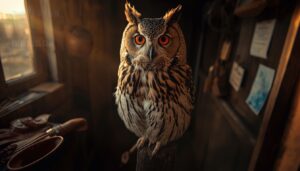
Owls are fascinating, but owning one isn’t as simple as picking up a parrot. Before you even think about which species suits you, the law has a lot to say about whether you can have one at all.
Even something as small as picking up a stray feather from the ground can get you in legal trouble, which hints at just how strictly owl ownership and feather possession laws are enforced in the U.S.
Here’s what you need to know about the legal framework, species suitability, and permits required.
Legal and Regulatory Framework
Owning an owl isn’t just complicated — it’s a legal minefield. Federal law, specifically the Migratory Bird Treaty Act, prohibits possession of native species without authorization from the US Fish and Wildlife Service.
State wildlife agency rules layer on top, and they don’t always agree with each other. Interstate Transfer Rules, CITES Compliance, Permit Renewal deadlines, and Recordkeeping Obligations all apply — and Penalty Structures are serious.
- Federal law governs all native owl species
- State permits vary widely by jurisdiction and purpose
- Violations can trigger fines, seizure, or criminal charges
Types of Owls and Their Suitability
Not all owls are built the same. Barn Owl’s shy, nocturnal nature differs sharply from Eagle Owl’s raw power and territorial dominance. Screech Owls are compact but feisty; Snowy Owls demand cold-climate conditions, few homes can match.
| Species | Key Trait | Challenge |
|---|---|---|
| Barn Owl | Quiet, nocturnal | Habitat Compatibility |
| Eagle Owl | Powerful, territorial | Size Constraints |
| Snowy Owl | Cold-adapted | Dietary Needs |
| Great Horned Owl | Bold, dominant | Temperament Fit |
| Screech Owl | Small, feisty | Noise Levels |
Owls are subject to the Migratory Bird Treaty Act, which requires permits for possession.
Permits and Legal Requirements
Beyond species selection, the permit application process is where most people hit a wall. Federal law under the Migratory Bird Treaty Act and CITES governs what you can possess — and state wildlife agency rules layer on top of that.
Bird of prey licensing isn’t a formality; it’s a genuine vetting system. You’ll need to meet strict documentation standards, pass inspection protocols, and demonstrate proper facilities.
Permits also carry transfer regulations, meaning you can’t simply hand the owl off without approval. Miss your renewal deadlines, and you risk losing the bird entirely.
Here’s what permit requirements for keeping owls as pets generally cover:
- Verified acquisition records and species identification
- Facility inspections confirming enclosure size and safety
- Defined purpose — education, rehabilitation, or propagation only
- Regular reporting to federal and state wildlife authorities
Can You Own an Owl
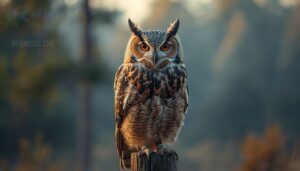
Owning an owl isn’t as simple as picking one up from a breeder — the law has a lot to say about it. Where you live, which species you want, and whether native to North America all determine what’s actually possible for you.
Here’s what you need to know before anything else.
States Where Owl Ownership is Legal
Not every state draws the same line. States like Alabama, Arkansas, Delaware, Louisiana, Minnesota, Nevada, and Tennessee allow non-native owl possession under state wildlife permits, but don’t mistake "allowed" for "easy."
State-by-state owl ownership laws vary sharply — permit renewal timelines, state-specific fee structures, and local zoning restrictions all shape what’s actually possible.
Your first call should be to your state wildlife agency, because legal permits for raptors hinge on your exact species, your facility, and your documented experience with birds of prey.
Federal Law and Regulations
Federal law doesn’t bend for state permissions. The Migratory Bird Treaty Act prohibits possessing native owls without a federal permit — and USFWS Enforcement means violations carry real consequences. Here’s what you’re up against:
Even falconry permits come with tight restrictions, so if you’re in the South, understanding owl species and regulations specific to Alabama can help you figure out exactly where the lines are drawn.
- Fines up to $15,000 and six months imprisonment under the Migratory Bird Treaty Act
- Lacey Act Penalties add $20,000 fines and five years for illegal Interstate Transport Rules
- CITES Compliance requires import permits for listed species
- The Endangered Species Act adds stricter controls for threatened owls
- The Federal Permit Process doesn’t include personal pet permits
Non-Native Owl Species Ownership
Not all owls fall under the same rules. Nonnative owl species aren’t protected by the Migratory Bird Treaty Act, but that doesn’t mean you’re in the clear.
CITES compliance is still required, meaning you’ll need proper import documentation and a federal permit to bring certain species into the country.
Captive breeding programs are usually your only legal source, and you’ll need veterinary certification to prove the bird’s health.
Wildlife permits and licensing vary by state, and import restrictions can shut the door entirely.
Public safety concerns also factor into approvals.
Owl Ownership Laws

Owl ownership laws are layered, and knowing which ones apply to you can make or break your plans. Federal rules set the baseline, but your state has its own say in the matter too.
Here’s what you need to understand about the laws governing owl possession.
Migratory Bird Treaty Act
The Migratory Bird Treaty Act isn’t just a rule — it’s a wall. This federal law, built from international treaty obligations, makes it illegal to possess, capture, or transport any native North American owl without a permit. The US Fish and Wildlife Service holds permit issuance authority and enforces broadly — the definition of take covers even attempted capture. Violations trigger serious penalty provisions: fines up to,000 and potential imprisonment.
The Migratory Bird Treaty Act makes possessing any native owl without a federal permit illegal, full stop
- Over 1,000 species fall under the species protection scope
- All 19 native owl species are covered under federal law
- Feathers, nests, and eggs are included — not just live birds
- Legal requirements for exotic pets start here, at the federal level
- No permit means no legal path — full stop
State-Specific Approaches to Owl Possession
State laws on owl possession aren’t uniform — each state sets its own rules, and the gaps between them are significant. State wildlife agencies maintain Species Eligibility Lists that determine which owls you can legally keep. Some states permit non-native species with proper documentation; others ban all ownership outright.
You’ll navigate State Permit Fees, Facility Inspections, and Recordkeeping Requirements that vary widely.
Understanding state-by-state owl ownership laws means knowing exactly where you stand before you act.
- Transport Documentation required before crossing state lines
- Facility Inspections conducted by authorized wildlife officials
- Species Eligibility Lists defining approved owl types
- Permit requirements for keeping owls as pets tied to specific categories
Enforcement of Owl Ownership Laws
Breaking the rules isn’t just a fine — it can cost you the owl entirely. Wildlife agents use Inspection Protocols and Documentation Verification to confirm your permit is valid and your setup is legal. Confiscation Authority kicks in quickly when paperwork fails.
| Violation Type | Penalty Range | Enforcement Tool |
|---|---|---|
| Missing permits | Up to $15,000 | Documentation Verification |
| Illegal transport | Up to $20,000 | Species Protection Enforcement |
| Severe cases | Criminal Penalties | Confiscation Authority |
Getting an Owl Permit
Getting a permit to keep an owl isn’t a single process — it depends entirely on why you want one. The U.S. Fish and Wildlife Service recognizes several distinct permit types, and each comes with its own rules, responsibilities, and restrictions.
Here are the three most common permits people pursue.
Educational Permit
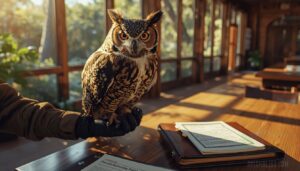
An educational permit lets you keep owls for public programs and conservation demonstrations — not as pets.
You’ll need to meet strict Eligibility Criteria, prove Handler Training experience, and show your facility meets Facility Standards set by the US Fish and Wildlife Service.
Reporting Obligations and the Renewal Process apply throughout.
Wildlife agency regulation compliance governs all educational uses of captive owls and permit requirements for keeping owls as pets.
Rehabilitation Permit
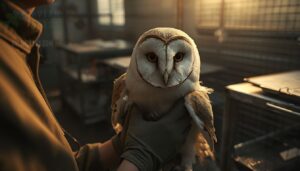
Unlike an educational permit, a rehabilitation permit focuses on one goal: healing injured owls and returning them to the wild.
To get one, your rehabilitation facility must meet strict Facility Standards covering enclosures, nutrition, and sanitation. Wildlife agency regulation compliance also requires you to maintain Intake Documentation, Treatment Planning records, and Disposition Records for every bird in your care.
Rehabilitation procedures must prioritize Human Contact Minimization to protect each owl’s instincts for survival. Key requirements include:
- Approved enclosures meeting species-specific size and construction standards
- Access to a licensed avian veterinary consultant
- Documented experience with raptor rehabilitation procedures
- Verified knowledge of rehabilitation release of injured owls criteria
- Regular inspections and reporting to wildlife authorities
Breeding Permit

breeding permit takes the application process further than rehabilitation. You’ll need to demonstrate operator reliability, submit competence proof, and pass facility inspection requirements before approval.
Authorities assess whether you can manage genetic diversity and offspring tracking responsibly.
Permit renewal demands ongoing compliance reports. This isn’t casual ownership — it’s conservation-level accountability, designed to protect species integrity, not satisfy a desire for an exotic pet.
Owls as Pets Challenges
Owning an owl isn’t like keeping a cat or a dog — it’s a serious commitment that demands time, money, and real expertise. Before you even think about bringing one home, you need to understand what daily life actually looks like.
Here’s what the care really involves.
Specific Care Requirements
Caring for a captive owl demands more discipline than most people anticipate. Ventilation Standards must be met daily, temperature control kept stable, and perch variety maintained so the bird can choose appropriate resting heights. These aren’t optional details — they’re survival factors.
- Veterinary care for birds of prey requires a specialist, not a general vet, and emergencies move fast.
- Environmental enrichment and enrichment activities must simulate natural hunting behavior to prevent stress and feather-plucking.
- strict cleaning schedule controls dangerous bacteria, odor, and parasite buildup around feeding areas.
Specialized care requirements for owls will test your commitment from day one.
Diet and Enclosure Size
Forget kibble — the dietary needs of captive owls mean whole prey only. Prey Size Matching matters more than most realize: feed a screech owl a rat-sized meal, and you’ll have a problem.
Stick to a consistent Feeding Frequency Schedule — once daily for adults — and prioritize Nutrient Balance through varied prey like mice, quail, and chicks. Your large enclosure must meet Flight Space Requirements (at least 8×8×10 ft), with Enclosure Temperature Control held between 50–70°F.
A diet of rodents keeps them sharp. Housing requirements aren’t negotiable.
Handling and Safety Precautions
Owls aren’t impressed by good intentions — and their talons don’t care whether you’re a beginner or not. Safety concerns with owls as pets are real, and professional raptor handling demands both gear and discipline. Before you attempt any contact, get proper raptor handling training and certification for owl owners — this isn’t optional.
Here’s what every handler must account for:
- Protective Gloves, and leather jesses and restraints, give you controlled grip without triggering panic
- Stress Reduction means slow, calm movements — abrupt handling causes wing‑flicking and defensive strikes
- Transfer Protocols require enclosed spaces and body‑close support to prevent dangerous drops
- Escape Containment means sealed rooms, no gaps, no exceptions
Safety concerns with owl talons and beaks are severe. Respect that, or pay the price.
Suitable Owl Species
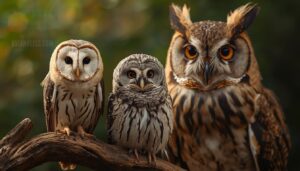
Not every owl species is a realistic option, even when you have the right permits in hand. Some are too rare, too wild, or too difficult to source legally for most applicants.
Here are the species most commonly considered for permitted captive ownership.
Barn Owl
The barn owl is the most commonly permitted species for captive programs — and it’s easy to see why. Its heart-shaped disc, silent flight, and precise night hunting make it a impressive animal to work with. Long legs and a raspy call round out its wild character.
Still, legal considerations for pet owls are strict: wildlife agency regulation compliance, proper permits, and demonstrated care and husbandry needs of pet owls are non‑negotiable.
Speckled Owl
The spectacled owl turns heads for good reason. Its striking facial disk pattern — white "spectacles" set against dark brown plumage — makes it one of the most visually commanding raptors you’ll encounter. Juvenile coloration flips this entirely: mostly white feathers with a dark facial disk.
But owls as pets don’t get more complicated than this. Legal considerations for pet owls here are severe, and permit requirements for keeping owls as pets in this category are nearly impossible to meet outside accredited programs.
Key facts to know:
- Nocturnal hunting demands undisturbed, forested environments
- Prey diversity includes mice, bats, crabs, and small birds
- Geographic distribution spans Central and South American tropical forests
- Specialized care requirements for owls and wildlife agency regulation compliance make private ownership practically off-limits
Oriental Bay Owl
The Oriental bay owl (Phodilus badius) occupies a narrow niche in the exotic pet world — and that niche is mostly closed. Native to densely forested habitats ranging in habitat elevation from roughly 200 to 2,300 meters, this small Tytonidae family member relies on nocturnal hunting to catch its prey, diversity of rodents, bats, frogs, insects, and small reptiles.
It nests in hollow trees, raising clutches of three to five eggs.
Legal considerations for pet owls of this species are severe. Exotic pet regulations and wildlife agency regulatory compliance restrict ownership to licensed facilities. Permitting and licensing processes for exotic pets like this require specialized care requirements for owls that private keepers can’t realistically meet.
Mountain Scops Owl
The Mountain Scops Owl (Otus spilocephalus) is a tiny species of owl — just 18 to 20 centimeters long — adapted to dense forest habitat at mountain elevation ranges between 600 and 2,600 meters.
Its small body morphology, secretive temperament, and nocturnal foraging habits make it exceptionally difficult to keep.
Prey selection centers on insects like moths and beetles, demanding specialized meal planning.
As an exotic pet, state regulations and legal permits make private ownership nearly impossible, and its care and husbandry needs far exceed what most owners can provide.
Northern Saw-Whet Owl
North America’s smallest owl, the Northern Saw-Whet Owl thrives in forest habitat, relying on nocturnal hunting and acute hearing to catch small mammal prey. Its distinctive Y-shaped facial mark makes it instantly recognizable.
But don’t let the cute exterior fool you — owls as pets face serious wildlife regulations. Legal permits are rarely granted, state laws vary widely, and care and husbandry needs, including winter roosting requirements, are demanding.
Owls in Captivity
Keeping an owl in captivity isn’t just about having the right permit — it’s about understanding why legal possession exists in the first place. Wildlife agencies allow it for very specific purposes, and "because I want one" doesn’t make the cut.
Here’s what approved reasons actually look like.
Conservation and Education Goals
When owls are kept in captivity legally, the purpose goes far beyond personal fascination — it’s about advancing biodiversity literacy and meaningful conservation. Your permitted owl becomes a living ambassador, helping educational wildlife programs build community outreach workshops, integrate lessons into school curriculum integration, and drive citizen science participation through hands‑on monitoring projects.
Here’s what conservation-focused captivity generally provides:
- Habitat restoration projects that rebuild nesting corridors
- School curriculum integration connecting students to real ecological data
- Community outreach workshops teaching owl‑friendly practices
- Citizen science participation tracking local population trends
These efforts, grounded in conservation laws, transform wildlife rehabilitation from obligation into genuine environmental impact.
Falconry and Rehabilitation Requirements
Beyond conservation goals, falconry and wildlife rehabilitation represent two disciplined paths to legally working with owls. Both require a falconry permit or rehabilitation permit before you handle a single bird.
Falconry training starts with manning techniques — gradually conditioning the owl to accept your presence through weight control and hand feeding. From there, you build toward:
- Pen flying protocols to develop flight strength within the enclosure
- Creance flight for controlled outdoor exercise
- Jump-up conditioning to rebuild muscle performance using the overload principle
Health fitness metrics guide every session, ensuring rehabilitation and release of injured owls stay on track. Wildlife rehabilitation licensing and legal considerations apply throughout — there are no shortcuts here.
Distinguishing Legal Possession From Pet Ownership
Legal possession isn’t the same as ownership vs custody — and that distinction matters. Even with proper licenses and permits, you don’t hold legal title to the bird.
The U.S. Fish and Wildlife Service retains permit authority distinction and can reclaim any owl if conditions are breached.
Federal protections for birds of prey mean liability attribution stays with the government. These aren’t pets — they’re authorized responsibilities.
Alternatives to Owning an Owl
Owning an owl isn’t the right path for most people, and that’s okay. You can still build a real connection with these birds without the legal headaches or the 30-year commitment.
Here are a few meaningful ways to get involved.
Supporting Owl Conservation Efforts
Supporting owls means wielding real influence over their future. Habitat Restoration Projects rebuild the woodlands and grasslands that these birds depend on. You don’t need a permit to make a difference — conservation ethics starts in your own backyard.
- Fund Nest Box Installation programs
- Join Community Citizen Science surveys
- Advocate Funding Incentives for landowners
- Support Predator Management Strategies
- Promote conservation of owls’ awareness locally
Volunteering at Wildlife Rehabilitation Centers
Volunteering at local wildlife rehabilitation centers puts you directly in the work of owl care. You’ll handle enclosure cleaning, animal enrichment, and data documentation for recovering birds.
Centers also rely on volunteers for health monitoring and public education outreach.
No prior experience is required — just complete a basic orientation. Through the rehabilitation and release of injured owls, you gain real insight into animal welfare requirements and the rehabilitation of injured birds firsthand.
Learning About Owls Through Educational Programs
Educational programs at wildlife centers let you step inside the habitat of owls without a permit or enclosure.
You’ll explore feather morphology lessons, join pellet dissection activities, and sharpen your ear through audio call identification stations.
Night walk simulations reveal nocturnal hunting strategies, while citizen science projects connect you to real conservation work — the same educational uses of captive owls that educational permit holders support every day.
Frequently Asked Questions (FAQs)
Is it illegal to own an owl as a pet?
Yes and no — it depends on where you live.
In most U.S. states, federal wildlife protection makes it illegal to own an owl without a permit under strict legal restrictions.
Do owls like to be petted?
Petting an owl isn’t suggested. Unlike dogs or cats, owls are wild animals with low touch tolerance.
Watch their body language and vocal signals — stress indicators appear fast, and gentle interaction means mostly hands-off.
Do you own an owl?
Owning an owl isn’t a casual arrangement — it’s a regulated commitment involving permits, veterinary oversight, financial commitment, and strict ethical considerations.
Most people don’t own one; they steward one, legally and responsibly.
Can you have an owl for a pet?
Technically, it’s legal to own an owl in some states, but only with the right permit from your state’s wildlife agency.
The care and husbandry needs of pet owls, legal liability, and noise impact make this far from simple.
Which states allow owls as pets?
Almost every state has a different answer.
Alabama, Arkansas, Delaware, Louisiana, and Tennessee allow ownership with proper permits.
Missouri, Nevada, Vermont, and Wyoming follow similar state licensing criteria.
California, Alaska, Colorado, Connecticut, and Oregon prohibit it entirely.
Do screech owls make good pets?
Screech owls don’t make good pets. Their nocturnal lifestyle, stress sensitivity, strict dietary needs, enrichment requirements, legal restrictions, and long lifespan commitment make them poor companions for most people.
What kind of owls can I have as a pet?
Most legal options come down to captive-bred species under state permit limits. Barn owls are commonly approved; great horned owls face stricter review.
Non-native permits may open other doors, depending on your state.
Why is it harmful to keep an owl as a pet?
Keeping owls as pets harms both you and the bird.
Their wild nature makes captivity deeply stressful, triggering aggressive stress, talon injuries, and noise disturbance — while nutritional deficiencies and disease transmission remain constant—serious risks.
What are the pros and cons of owning a pet owl?
Owning an owl means trading convenience for something truly rare — but wild instincts, legal restrictions, financial cost, time commitment, noise impact, and odor management make the cons outweigh the pros for most people.
What are the challenges of keeping an owl as a pet?
Think an owl sounds like a fascinating companion?
The challenges of keeping an owl as a pet are real: costly infrastructure, nightly noise management, strict dietary demands, and a long-term commitment, most people aren’t ready for.
Conclusion
Owning an owl means understanding the law, accepting the commitment, and respecting the animal’s wild nature. Most people asking can you have an owl as a pet discover the answer isn’t just legal—it’s ecological.
These birds aren’t pets; they’re precision-built hunters shaped by millions of years of evolution.
If you truly admire owls, channel that into conservation, volunteering, or education.
That’s how you honor what makes them special without stripping it away.
- https://bioone.org/journals/journal-of-raptor-research/volume-46/issue-1/0892-1016-46.1.146/Raising-Barn-Owls-in-my-Garden/10.3356/0892-1016-46.1.146.full
- https://link.springer.com/article/10.1007/s11252-014-0411-y
- https://www.sciencedirect.com/science/article/pii/S1557506305001047
- https://www.allaboutbirds.org/guide/browse/shape/Owls
- https://www.owlpages.com/owls/articles.php?a=62