This site is supported by our readers. We may earn a commission, at no cost to you, if you purchase through links.

A small bird burning through calories just to survive a single winter night needs fuel you wouldn’t guess—pure fat. Chickadees, woodpeckers, and nuthatches can lose up to 10% of their body weight overnight in freezing temperatures, and seeds alone don’t cut it. Fat delivers more than twice the energy per gram that protein or carbohydrates can offer, which is why suet keeps birds alive when the thermometer drops hard.
The good news is that making your own homemade bird food recipes suet costs almost nothing and takes less time than baking cookies. A few basic ingredients—lard, peanut butter, birdseed—melted together and molded into cakes give backyard birds exactly what they need to stay warm, active, and coming back to your feeder all season long.
Table Of Contents
- Key Takeaways
- What is Suet and Why Birds Need It
- Essential Ingredients for Homemade Suet
- Step-by-Step Homemade Suet Recipes
- Serving and Storing Homemade Suet
- Top 6 Tools and Seeds for Suet Feeding
- Frequently Asked Questions (FAQs)
- How do you make homemade bird feed suet?
- Is it cheaper to make your own bird suet?
- Can I use hamburger grease to make bird suet?
- What is the best fat for bird suet?
- Can I use bacon grease for suet?
- How long does homemade suet last outside?
- Will suet attract unwanted animals like raccoons?
- Can I feed suet to baby birds?
- What temperature is too hot for suet?
- Can suet attract unwanted pests like rats?
- Conclusion
Key Takeaways
- Small birds can lose up to 10% of their body weight overnight in freezing temps, making high-fat suet—not seeds alone—a genuine lifeline for their survival.
- You can make effective homemade suet for a few dollars a batch using lard, peanut butter, oats, and birdseed, cutting costs by 40–60% compared to store-bought blocks.
- Fat choice matters: lard and rendered beef suet stay firm in cold weather and attract more species than vegetable shortening, while hamburger grease and salted bacon fat can actually harm birds.
- Once temps climb past 70°F, standard suet softens and spoils fast—switch to no-melt formulas in warm months and store extra cakes frozen in airtight packaging.
What is Suet and Why Birds Need It
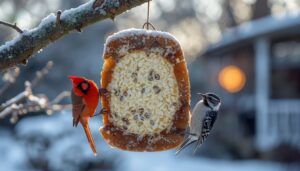
Suet is rendered animal fat — basically the hard fat found around beef or mutton kidneys — and birds absolutely love it. It’s packed with calories, which helps them survive cold nights and fuel long flights.
If you want to go deeper, what suet is and why birds need it breaks down exactly why this kidney fat is such a powerhouse food source.
Here’s a closer look at what makes suet so valuable and which birds will show up the moment you hang a cake.
Suet as High-Calorie Bird Food
Suet is basically a calorie-packed fat block — and birds are wild about it for good reason. With roughly 9 calories per gram, its caloric density makes it one of the highest-energy foods for wild birds available.
fat metabolism kicks in fast, giving birds the seasonal energy they need to stay active.
Think of nutrient-rich suet cakes for wild birds as a reliable, homemade fuel source when natural food runs scarce. Including a tail‑prop feeder design can attract larger woodpecker species.
Energy and Warmth for Winter Birds
Winter is brutal on small birds. Their fast metabolism burns through energy reserves overnight, which is why an energy-dense diet becomes a lifeline when temperatures drop below freezing.
Winter’s brutal cold forces small birds to burn through energy reserves overnight, making high-calorie food a lifeline for survival
High-fat bird food helps with body temperature regulation by fueling internal heat production from the inside out. Birds that find nutrient-rich suet cakes for wild birds can reduce shivering and stretch their fasting tolerance considerably.
Sheltered roosts help with heat conservation too, but winter metabolism demands a reliable energy source for birds — and high-energy foods for wild birds deliver exactly that.
Bird Species Attracted to Suet
The birds that show up most often tell you a lot.
Woodpecker species like Downy and Pileated are regulars, and so are chickadees, whose Chickadee Attraction peaks when insects disappear.
Nuthatch Behavior stands out too — they cling head‑first and work the feeder methodically.
Titmice Feeding often happens in quick, repeated visits.
Even Warbler Visits pop up on cold days when options run thin.
Essential Ingredients for Homemade Suet
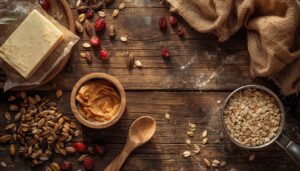
Getting the ingredients right is the foundation of a good suet recipe. A few key items do most of the heavy lifting, and they’re probably easier to find than you’d expect.
Here’s what you’ll want to have on hand before you start mixing.
Animal Fat Vs. Vegetable Shortening
Your fat choice shapes everything about the suet you make. Lard, beef suet, and bacon grease deliver firm texture contrast, a richer flavor profile, and a higher melting point — ideal for cold‑weather feeders.
Vegetable shortening is softer and offers better shelf stability at room temperature, but melts faster in heat.
For health considerations, both work well; your local climate usually makes the decision for you.
Birdseed, Nuts, and Fruits Additions
Choosing the right mix-ins turns a basic suet block into a real draw. A quality birdseed mix with sunflower seeds brings in nuthatches and chickadees quickly. Add unsalted shelled peanuts for woodpeckers, and toss in raisins or dried cranberries for fruit-loving thrushes and waxwings.
That nutrient synergy — fat, protein, and natural sugar together — covers more species and keeps your feeder busy all season.
Peanut Butter, Oats, and Cornmeal Options
Three simple pantry staples — peanut butter, oats, and cornmeal — form the backbone of any solid homemade bird suet. Each one pulls its weight in your DIY bird suet recipes:
- Unsalted peanut butter delivers rich fat for Nutrient Balance and acts as a natural binder
- Quick-cooking oats create soft Texture Variations that birds actually prefer
- Yellow cornmeal adds satisfying crunch and helps Mix Ratio Optimization
- Flavor Enhancements like dried fruit or sunflower chips round out the mix
- Seasonal Adjustments—extra fat in winter—keep your Peanut Butter Suet Recipe working year‑round
Step-by-Step Homemade Suet Recipes
Making suet at home is easier than you might think, and you don’t need a fully stocked kitchen to pull it off. Each recipe below uses simple ingredients and takes just a few minutes of hands-on time.
four solid options to get you started.
Classic Suet Cake With Birdseed
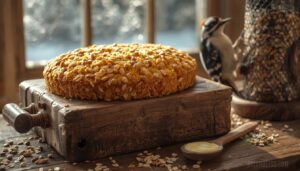
equal parts lard and birdseed mix — that’s your foundation. Stir in rolled oats and cornmeal for nutrient balance, then pour the blend into a mold about 3–4 cm thick.
Sunflower seeds make a great seasonal ingredient swap for flavor variation ideas.
Watch your DIY molding techniques pay off as suet cakes draw woodpeckers and nuthatches through bird behavior observations at your feeder.
Peanut Butter Suet Recipe

Peanut butter is the secret weapon in homemade suet preparation methods — it acts as your binding technique, holding everything together while delivering serious calories. Mix one cup each of peanut butter and lard for the right fat ratio, then stir in oats and cornmeal. Use silicone molds for easy suet cake molding and refrigerate until firm.
- Choose creamy peanut butter for even fat distribution
- Press into your mold selection about 3–4 cm thick
- Apply the cooling method: refrigerate two hours before serving
Nut and Fruit Suet Variations

Nut and fruit suet variations are nature’s power bar for birds. These nutrient-rich suet cakes for wild birds combine roasted peanut pieces, crushed walnuts, and almonds with seasonal fruit choices like dried cranberries and raisins — delivering quick energy through natural sugars and healthy fats.
Nut size optimization matters here; keep pieces moderate so smaller birds like chickadees can feed easily. Balance your nutrient ratios by targeting 15–25% fruit content by weight.
- Use dried cranberries and raisins for smart flavor pairings with peanut butter bases
- Add crushed walnuts for texture balance and polyunsaturated fats
- Follow homemade suet preparation methods: melt fat first, then fold in nuts and fruit
- Keep moisture low to prevent mold in finished cakes
Spreadable Suet for Feeders

Spreadable suet might be the most flexible recipe in your backyard toolkit. Mix equal parts lard and peanut butter — your core spreadable suet recipe — then fold in cornmeal for nutrient balance and raisins for seasonal variations. Temperature stability holds well between 60–70°F, making bark butter applications on trees or suet feeders simple and mess-free.
| Mix Ratio | Ingredient | Purpose |
|---|---|---|
| 1 part | Lard | Fat base |
| 1 part | Peanut butter | Protein boost |
| ½ part | Cornmeal | Binding agent |
| ¼ part | Raisins | Energy and pest deterrence |
Serving and Storing Homemade Suet

Making the suet is only half the job — how you serve and store it makes all the difference. right setup keeps it fresh longer and gets more birds coming back to your yard.
Here’s what you need to know to do it well.
Choosing The Right Feeder or Tray
Once your suet is ready, the right feeder makes all the difference. A cage-style feeder holds standard blocks snugly and cuts crumbling, while tray feeders work well in windy spots.
Look for squirrel-proof suet feeder options with a clear baffle or dome to keep pests out.
Prioritize material durability, weather protection, and capacity sizing that matches how often you can refill. Good suet feeder design and placement tips start here.
Hanging, Attaching, and Placement Tips
With your feeder chosen, placement is where everything clicks into place. Use sturdy metal hangers with corrosion-resistant cables to keep things secure through harsh weather.
Ideal height placement sits between 5 and 6 feet off the ground — high enough to deter ground predators, low enough for easy refills. Wind-resistant brackets help the feeder swing without detaching.
- Attach with a carabiner clip for tool-free refilling
- Position away from dense tree limbs to block squirrel jumps
- Follow suet feeder design and placement tips for a squirrel-proof suet feeder setup
- Practice seasonal placement rotation to keep birds actively exploring
Freezing and Storage Guidelines
Once your feeder is set, keeping your suet fresh is just as important. Pack batches into airtight packaging, removing extra air to prevent freezer burn. Portion size freezing helps — smaller blocks freeze faster and thaw cleaner.
Set your freezer to 0°F and commit to regular freezer temperature monitoring.
Label each package for easy labeling and rotation.
When thawing, follow safe thawing safety procedures by refrigerating suet overnight. Storing homemade suet in the refrigerator works well up to two weeks.
Preventing Spoilage and Pest Issues
Fresh suet won’t stay that way without a little attention. Keep feeders out of direct sunlight and away from dense vegetation — both invite pests fast. Here’s what actually works:
- Ventilation Control and Moisture Management — Use breathable or perforated wrapping to reduce condensation and prevent suet mold.
- Sanitation Protocols — Wipe feeders weekly with hot soapy water; sanitize bins with dilute vinegar between refills.
- Pest Barriers and Temperature Monitoring — Metal caged feeders with tight lids, hung high, stop raccoons and rodents cold.
Inspect weekly. Preventing suet spoilage, rancidity, and mold starts with consistency.
Top 6 Tools and Seeds for Suet Feeding
Having the right tools makes suet feeding so much easier — and more rewarding for the birds. From sturdy molds to quality seeds, a few smart picks go a long way.
Here are the six essentials worth adding to your setup.
1. Non Stick Square Cake Pans Set
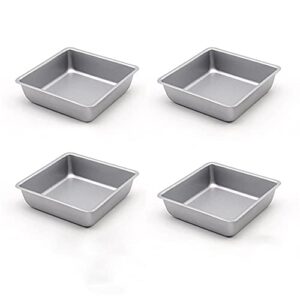
Good molds make the difference between suet cakes that hold together and ones that crumble before they reach the feeder. The Astra Gourmet 4-inch square carbon steel pans are built for exactly this job.
Each pan measures about 4 inches across and 1.2 inches deep — just right for pressing a single-serving suet block. The Whitford non-stick coating releases solidified suet cleanly without prying or chipping.
You get four pans per set for only $7.28, so you can batch-prep and freeze multiple cakes at once.
They’re dishwasher safe, though a quick hand wash keeps the coating lasting longer. Sturdy, practical, and honestly a great value for regular suet makers.
| Best For | Backyard bird enthusiasts and regular suet makers who want an affordable, no-fuss way to batch-prep and freeze homemade suet cakes in perfect single-serving portions. |
|---|---|
| Primary Use | Suet mold/baking pan |
| Bird Benefit | Enables suet cake prep |
| Squirrel Risk | Low |
| Maintenance Needed | Hand wash recommended |
| Price Range | Budget ($7.28) |
| Setup Ease | Ready to use |
| Additional Features |
|
- Four pans for $7.28 is genuinely hard to beat — great value if you’re making suet regularly
- The Whitford non-stick coating releases solidified suet cleanly, no prying needed
- Works in standard ovens, toaster ovens, air fryers, and freezers, so it fits almost any setup
- The actual interior bottom measures closer to 3.5 inches, not the advertised 4 — worth keeping in mind when sizing your recipe
- Shallow depth (about 1.2 inches) means thicker suet mixes or deep fillings could overflow
- A few users have noted occasional dents and say a light layer of butter or oil still helps for best release
2. Bird Feeding Station Kit Stand
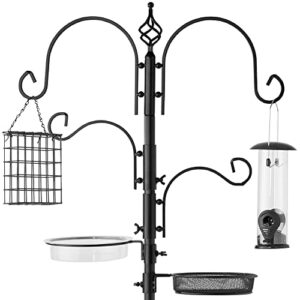
When you’re offering suet and seed at the same time, a dedicated feeding station keeps everything organized and within easy reach for your backyard visitors. The Bird Feeding Station Kit Stand rises 91 inches tall and includes a suet cage, tube feeder, water bowl, and food tray — all in one setup.
Four adjustable steel hooks let you rearrange feeder heights to suit different species, from small chickadees to larger woodpeckers.
The alloy steel frame holds steady in strong winds without constant repositioning.
One honest note: stake it into soft soil for a firm hold, and add a baffle to keep squirrels away from the lower trays.
| Best For | Backyard bird enthusiasts who want to attract a variety of species — cardinals, finches, blue jays, and more — with a single, all-in-one feeding setup. |
|---|---|
| Primary Use | Multi-feeder station |
| Bird Benefit | Attracts multiple species |
| Squirrel Risk | High |
| Maintenance Needed | Rust prevention needed |
| Price Range | Mid-range |
| Setup Ease | Tool-free assembly |
| Additional Features |
|
- Comes fully loaded with a tube feeder, suet cage, water bowl, and food tray right out of the box
- At 91 inches tall with adjustable hooks, it works well for both small and large bird species
- Tool-free assembly and a stake-in base make setup quick and straightforward
- Steel parts can start to rust after a few weeks outside, especially in wet climates
- The pole can feel wobbly in hard or compacted soil — you may need to pre-dig for a stable fit
- Squirrels can easily reach the lower trays, so a separate baffle is pretty much a must
3. Natural Wooden Bird Feeder Tray
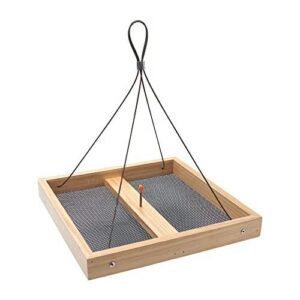
If you want ground-feeding birds like juncos and sparrows feeding close to where you can watch them, a flat wooden tray is one of the simplest solutions you can add to your setup.
The MHHO-WG tray measures 11.8 by 11.8 inches with a rust-proof iron mesh bottom that drains water and keeps seeds dry between feedings. It holds up to 5 pounds of birdseed and includes a central screw-in cap that secures suet blocks, apple pieces, or corn cobs in place.
Raw pine needs a protective sealant for long-term outdoor use — skip that step and you’ll be replacing it within a season.
| Best For | Backyard bird watchers who want to attract a wide variety of birds and don’t mind a little basic maintenance to keep the feeder in good shape. |
|---|---|
| Primary Use | Platform tray feeder |
| Bird Benefit | Attracts ground feeders |
| Squirrel Risk | High |
| Maintenance Needed | Sealant required |
| Price Range | Mid-range |
| Setup Ease | No tools needed |
| Additional Features |
|
- Accepts almost anything — seeds, nuts, fruit, suet, corn cobs — so you’ll draw in a solid mix of birds
- Mesh bottom drains water well, which helps keep seed fresh and reduces mold buildup
- Super easy to fill and clean with no tools required
- Raw pine will weather fast without a sealant, so you’ll need to treat it before putting it outside
- The hanging cable can be uneven, meaning you might have to fiddle with it to get it sitting level
- Squirrels can rock the tray around, and some units have shown inconsistent build quality out of the box
4. Terra Cotta Bird House Tit
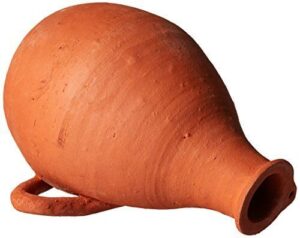
A terracotta birdhouse does more than look nice in your garden — it actually works harder than most people expect. The fired clay walls hold interior warmth better than plastic or wood, which matters most on cold nights when tit species need stable temperatures to stay healthy.
This NK11 model measures about 9.6 by 6.8 inches and weighs just over 2 pounds, so it’s sturdy without being bulky.
Handle the hanging hook carefully during installation — it’s the most fragile part.
Clean the interior every few weeks with a damp cloth to keep things safe for returning birds.
| Best For | Garden lovers and bird-watching enthusiasts who want a functional, decorative nesting spot that also makes a great gift. |
|---|---|
| Primary Use | Nesting birdhouse |
| Bird Benefit | Provides nesting warmth |
| Squirrel Risk | Low |
| Maintenance Needed | Regular interior cleaning |
| Price Range | Mid-range |
| Setup Ease | Simple hanging |
| Additional Features |
|
- Fired clay walls hold heat better than plastic or wood, keeping nesting birds warmer on cold nights
- Comes gift-ready in its own box — no extra wrapping needed
- Adds a natural, handcrafted look to any yard or garden
- Terracotta is fragile, and the hanging hook can snap during installation if you’re not careful
- Packaging has let some buyers down — a few orders arrived damaged
- Birds may take a full season (or more) to actually move in
5. High Quality Sunflower Bird Seed
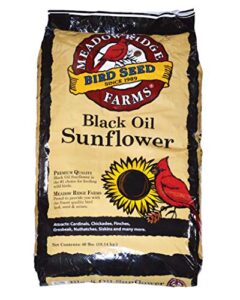
Black oil sunflower seeds are one of the most reliable ingredients you can add to homemade suet — or offer straight in a feeder. They carry around 35 to 50 percent oil by weight, which translates directly into the high-calorie fuel birds need most in winter. Chickadees, nuthatches, finches, and cardinals all go for them quickly.
When you’re mixing suet cakes, aim for roughly 40 to 60 percent sunflower content. That balance boosts both energy value and the variety of species stopping by your station. Store open bags in a cool, dry place, and freeze any extras in an airtight container to preserve freshness and nutritional quality.
| Best For | Backyard bird enthusiasts who want a clean, high-quality seed that draws a wide variety of species without the mess of a mixed bag. |
|---|---|
| Primary Use | Suet/feeder ingredient |
| Bird Benefit | High-calorie winter fuel |
| Squirrel Risk | High |
| Maintenance Needed | Airtight storage required |
| Price Range | Mid-range (bulk) |
| Setup Ease | Ready to use |
| Additional Features |
|
- Pesticide-free and sourced from family farms, so you know exactly what you’re putting out for your birds
- Works with pretty much any feeder you already own — tube, hopper, platform, you name it
- Low debris means less cleanup, and the shells can go straight into your compost
- At 40 lbs, the bag is a beast to haul around and store if you don’t have a good setup
- Squirrels (and in some areas, bears) will absolutely notice this seed, so you may need extra deterrents
- Once opened, freshness fades fast — you’ll need an airtight container and a cool spot to keep it from going stale
6. Wild Bird Sunflower Seed Mix
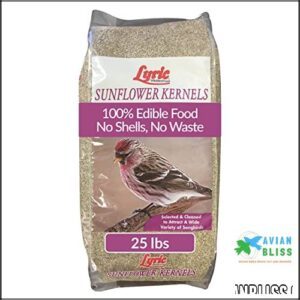
seed mix does what a single seed can’t — it invites the whole neighborhood. When you combine pre-hulled sunflower kernels with millet and cracked corn, you’re setting up a buffet that can attract 15 to 40 percent more bird species than a single-seed feeder.
Sunflower kernels deliver roughly 2.8 to 3.3 kcal per gram, making them a natural match for homemade suet cakes. Chickadees, cardinals, and finches show up reliably.
Store your mix in a cool, dry spot to prevent mold, refresh it every few days, and keep a clean water source nearby. That simple routine keeps your feeder busy all season.
| Best For | Backyard bird lovers who want a clean, low-mess feeding setup that draws in a wide variety of songbirds year-round. |
|---|---|
| Primary Use | Suet/feeder ingredient |
| Bird Benefit | High-protein, hull-free feed |
| Squirrel Risk | High |
| Maintenance Needed | Airtight storage required |
| Price Range | Premium ($50+) |
| Setup Ease | Ready to use |
| Additional Features |
|
- No hulls mean no shell mess on the ground, so your patio or deck stays tidy and weeds stay minimal.
- Attracts a solid mix of birds — cardinals, finches, chickadees, woodpeckers, and more — all from one bag.
- Works with pretty much any feeder style you already own, tube, hopper, mesh, or tray.
- At $50 for a 25 lb bag, it’s pricier than most seed options, which adds up fast if your feeders are busy.
- Fine seed dust and coatings can still hit the ground and attract mice, so it’s not totally mess-free.
- Squirrels will absolutely go for it — you’ll likely need a baffle or a squirrel-proof feeder to stay ahead of them.
Frequently Asked Questions (FAQs)
How do you make homemade bird feed suet?
Melt lard and peanut butter together over low heat, then stir in oats, cornmeal, and birdseed. Press the warm mix into a pan, refrigerate until firm, and hang it outside.
Is it cheaper to make your own bird suet?
Yes, making your own bird suet is almost always cheaper. You can cut costs by 40–60% compared to store-bought blocks by using bulk lard, peanut butter, and simple grains you likely already have.
Homemade suet gives you full control over ingredients — and your wallet. Lard runs about $2–$4 per pound, peanut butter around $2–$3, and oats or cornmeal as little as $50 per pound. A single batch costs just a few dollars and yields 6 to 12 cakes.
Store-bought blocks? You’re often paying extra for fillers that birds don’t need. Buy in bulk, freeze what you don’t use, and your cost per cake drops even further over a full winter season.
Can I use hamburger grease to make bird suet?
Technically, yes — but not a great idea. Hamburger grease carries salt, spices, and proteins that spoil quickly and can harm birds.
Stick to plain rendered lard or unsalted bacon grease instead.
What is the best fat for bird suet?
Lard and rendered beef suet are your best options.
Both stay firm in cool weather, hold ingredients together well, and attract woodpeckers and nuthatches far more reliably than vegetable shortening ever will.
Can I use bacon grease for suet?
Bacon grease can work in a pinch, but it’s not your best option. The salt and seasonings harm birds, and it spoils faster. Use unseasoned lard or beef fat instead.
How long does homemade suet last outside?
Homemade suet won’t last long once it’s outside. Below 60°F, it holds up about 24 hours. When temps climb past 70°F, expect it to soften or melt within 2 to 4 hours.
Will suet attract unwanted animals like raccoons?
Yes, suet does attract raccoons. These clever foragers love its rich fat content, especially in winter.
Use elevated, metal feeders with locking lids, and skip sweet add-ins to keep unwanted visitors away.
Can I feed suet to baby birds?
Think of baby birds like seedlings — they need the right fuel at the right time.
Suet is too rich for nestlings. They need insects first.
Wait until they’re fledging before offering suet.
What temperature is too hot for suet?
Once temperatures hit 70°F (21°C), standard suet starts softening and can go rancid within days. Above 90°F, it melts completely.
Switch to no-melt formulas or pull feeders until cooler weather returns.
Can suet attract unwanted pests like rats?
Where there’s smoke, there’s fire — and where there’s suet, rats may follow. Yes, suet can attract pests.
Use elevated feeders, clean up spills fast, and freeze unused portions to cut down on scent.
Conclusion
You don’t need a fancy kitchen or expensive ingredients to do this well. The best homemade bird food recipes suet comes from simple pantry staples melted together with intention.
Once you’ve made your first batch, you’ll notice the difference at your feeder—more species, more visits, more life in your backyard through the coldest months.
That small cake of fat and seed becomes a lifeline. You made it. They’ll keep coming back because of it.