This site is supported by our readers. We may earn a commission, at no cost to you, if you purchase through links.
Fill a feeder with the wrong seed, and you’ll feed squirrels, house sparrows, or nobody at all. Cardinals turn up their thick bills at Nyjer, goldfinches ignore corn entirely, and a bargain "wild bird mix" often hides more filler than nutrition. Your backyard visitors need specific fuel: sunflower oil for migration, protein-rich safflower for breeding season, millet for the ground-feeders below.
Choosing the best bird seeds for wild birds comes down to matching seed type, freshness, and feeder style to the species you actually want to see. Get it right, and you’ll trade empty feeders for a yard full of color and song, without wasting a dime feeding the wrong crowd.
Table Of Contents
- Key Takeaways
- Best Bird Seed Types for Wild Birds
- Top 10 Bird Seeds for Wild Birds
- 1. Wild Bird Greatest Variety Blend
- 2. High Energy Wild Bird Seed Mix
- 3. Black Oil Sunflower Bird Seed
- 4. High Quality Safflower Bird Seed
- 5. Nyjer Seed Wild Bird Food
- 6. White Proso Millet Bird Seed
- 7. Natural Bird Spray Millet Treats
- 8. Wild Bird Cracked Corn Food
- 9. Wild Bird Peanut Food Delight
- 10. Wild Bird Ground Feeding Seed Mix
- How to Choose Quality Wild Bird Seed
- Best Bird Seeds by Backyard Bird Species
- Feeding Tips for Better Backyard Results
- Frequently Asked Questions (FAQs)
- How often should I refill my bird feeders?
- Can moldy bird seed harm wild birds?
- Do squirrels prefer certain bird seed types?
- When is the best time to feed birds?
- Should I stop feeding birds in summer months?
- Is it safe to feed birds year-round?
- What time of day do birds feed most?
- Should I remove feeders during extreme weather conditions?
- Conclusion
Key Takeaways
- Black oil sunflower seeds work as a near-universal feeder staple, offering 40-50% oil content that fuels cardinals, chickadees, and nuthatches through migration and molt.
- Matching seed type to species matters most: nyjer draws goldfinches and pine siskins, safflower attracts cardinals while repelling squirrels, and millet or cracked corn feeds ground foragers like doves and juncos.
- Proper storage prevents spoilage and health risks, so keeping seed cool, dry, and below 60% humidity in airtight containers stops rancidity, mold, and aflatoxin contamination.
- Pairing the right feeder style with each seed type—mesh for nyjer, hopper for sunflower and safflower, platform for peanuts and corn—reduces waste and keeps birds coming back.
Best Bird Seed Types for Wild Birds
Not every seed on the shelf earns a spot in your feeder, and knowing which ones do makes all the difference for the birds visiting your yard.
This guide to bird seed nutrition breaks down which blends attract cardinals, finches, and other backyard favorites.
Different species have evolved distinct preferences based on bill shape, body size, and energy needs, so one seed rarely fits all.
Here’s a closer look at the five seed types that consistently bring the most life to your backyard.
Black Oil Sunflower Seeds
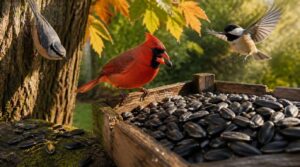
If one seed could feed nearly every bird in your yard, this is it. Black oil sunflower seeds offer 40–50% oil content, giving cardinals, chickadees, and nuthatches concentrated energy for migration and molt.
Their thin shells crack easily, even for smaller beaks, while kernels stay plump and meaty. Store seeds cool and dry to prevent rancidity—heat and humidity spoil oil quality fast. Whole seeds outlast sunflower hearts, which spoil quicker once shelled. Simply put, this bird seed rewards you with steady visitors year-round. These seeds provide essential energy requirements through their high fat levels.
Nyjer Seeds
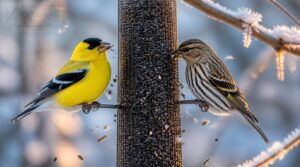
Nyjer seeds (often called nyjer or thistle) come from Guizotia abyssinica, an African daisy grown specifically for oil. These tiny, dark seeds pack 35-40% oil and 16-20% protein, aiding winter thermoregulation.
Why goldfinches and pine siskins flock to nyjer thistle seeds:
- Slender pointed bills fit perfectly
- Tiny seeds mean less waste in mesh feeders
- High oil meets cold-weather energy needs
Handle carefully—wind scatters this featherweight seed fast.
Safflower Seeds
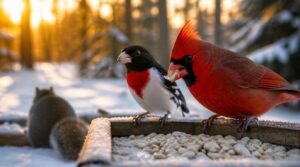
If nyjer solves the goldfinch problem, safflower solves the squirrel problem. These white, cone-shaped seeds carry roughly 20-25% protein and rich linoleic acid content, an unsaturated fat cardinals and grosbeaks convert into steady winter energy.
Their bitter hull works like a bouncer at the door: squirrels and grackles skip it, while chickadees crack right through.
Safflower’s bitter hull acts as a bouncer, turning away squirrels and grackles while chickadees crack right through
Store seeds in cool, dry containers—heat and humidity break down those beneficial antioxidant oils fast, robbing your wild bird seed of freshness within months.
White Proso Millet
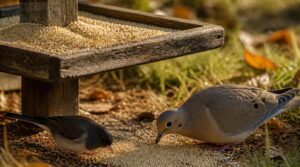
Watch your feeder floor after a windy day, and you’ll likely spot tiny cream-colored grains scattered below—that’s white proso millet, ground-feeders’ favorite. Doves, juncos, and towhees can’t resist it.
This drought-tolerant grain packs roughly 11% protein and essential amino acids like leucine, offering solid nutrition. It’s naturally gluten-free too, though that mostly matters if you’re sampling your own wild bird food supply.
Peanuts and Corn
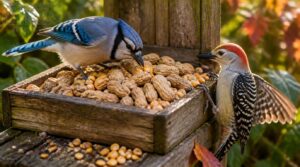
Two workhorses round out your seed lineup: peanuts and cracked corn. Peanuts bring 25 to 30% protein, fueling woodpeckers and jays, while corn delivers carbohydrate energy through starch.
- Shelled and cracked corn
- Nutritious peanut blends
- Watch for peanut aflatoxin in humid weather
- Store below 25°C
- Match seed types to species preferences
Skip moldy kernels—your birds’ health depends on it.
Top 10 Bird Seeds for Wild Birds
Now that you know what makes a seed worth offering, it’s time to see how that plays out in real bags on real shelves.
You’ll find options built for variety, others made for specific species, and a few that solve particular backyard headaches like mess or squirrels.
Here are ten picks worth keeping on your radar.
1. Wild Bird Greatest Variety Blend
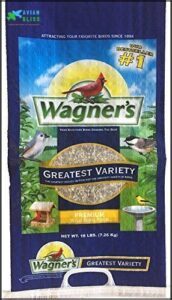
Think of this mix as a buffet spread across your backyard—eleven ingredients working together, with sunflower seeds making up 40% of the mix. Cardinals, finches, and woodpeckers all show up because something in there suits their taste.
Peanut pieces boost the protein content, while safflower resists spoilage better than most seed types. That combination keeps quality high even after weeks in your feeder.
Ground feeders like mourning doves benefit too, since smaller seeds scatter naturally beneath tube or hopper feeders. This mix works for all bird life stages, from spring nesting through winter survival.
Keep it stored somewhere cool and dry, away from humidity, and you’ll preserve those oils that birds depend on for real energy.
| Best For | Backyard bird enthusiasts who want to attract a wide variety of species like Cardinals, Finches, Woodpeckers, Sparrows, and Mourning Doves with one versatile blend. |
|---|---|
| Seed Type | Mixed Seed |
| Target Species | Cardinals, Finches, Woodpeckers |
| Feeder Type | Tube, Hopper, Platform |
| Storage Humidity | Below 60% |
| Life Stage Suitability | All Life Stages |
| Country of Origin | USA |
| Additional Features |
|
- Gourmet 11-ingredient mix with 40% sunflower content appeals to a broad range of birds
- Works well across tube, hopper, or platform feeders, and suits all bird life stages
- Made in the USA with a mix of seed sizes and types, including black oil, striped, and sunflower chips
- Contains peanut pieces, which may pose an allergen concern for some households
- Requires specific feeder types to get the most out of the blend
- Ingredient composition can vary based on bird preference, so results may differ by yard
2. High Energy Wild Bird Seed Mix
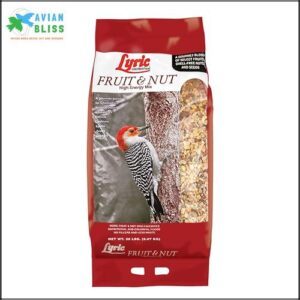
Thirteen wholesome ingredients—almonds, cashews, pistachios, and sunflower kernels among them—make Lyric’s Fruit and Nut mix a genuine energy powerhouse, delivering over 30% crude fat in a shell-free mixture that leaves your feeder tray tidy.
Chickadees, cardinals, grosbeaks, and cedar waxwings all come calling, drawn by a nutrient-dense recipe with zero fillers weighing down the mix.
That fat content matters most during migration and breeding, when your backyard visitors’ metabolic needs climb by roughly 25%. It’s the difference between a bird scraping by and one thriving.
Keep humidity below 60% during storage, and serve it up in hopper or platform feeders for steady, satisfied visits all year long.
| Best For | Backyard bird enthusiasts who want to attract a wide variety of species like cardinals, chickadees, jays, and woodpeckers with a high-energy, all-natural seed blend. |
|---|---|
| Seed Type | Nut & Fruit Mix |
| Target Species | Chickadees, Cardinals, Grosbeaks |
| Feeder Type | Hopper, Tube, Mesh, Tray |
| Storage Humidity | Below 60% |
| Life Stage Suitability | Not Specified |
| Country of Origin | Not Specified |
| Additional Features |
|
- Made with a gourmet mix of nuts, dried fruits, kernels, and seeds for a high-energy diet
- Contains no fillers, so there’s less mess and waste in your feeder
- Works with multiple feeder types, including hopper, tube, wire mesh, and tray feeders
- Requires specific feeder types to get the most out of it
- The variety of nuts may not suit birds with particular dietary sensitivities
- Best suited for outdoor residential setups, which may limit other uses
3. Black Oil Sunflower Bird Seed
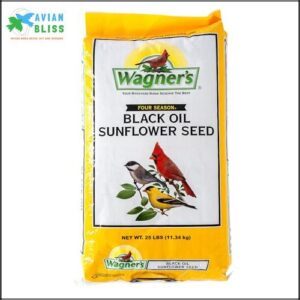
If there’s one seed you can’t go wrong with, it’s black oil sunflower. Its thin hull cracks open with minimal effort, which is exactly why over 15 species—cardinals, chickadees, nuthatches, and more—show up for it again and again.
That thin shell isn’t just convenient. It packs 38–44% crude fat, giving birds the dense energy they need for cold nights and long flights. You’ll notice fewer discarded husks under the feeder compared to striped varieties, since there’s less shell to fight through and more meat to reward the effort.
It fits tube, hopper, and platform feeders alike, though expect to refill every couple of days once word gets out. Keep it dry, under 60% humidity, and it’ll stay fresh for 6–12 months.
| Best For | Backyard bird enthusiasts who want a single seed that reliably attracts a wide variety of species like cardinals, chickadees, finches, nuthatches, and woodpeckers. |
|---|---|
| Seed Type | Black Oil Sunflower |
| Target Species | Cardinals, Chickadees, Nuthatches |
| Feeder Type | Tube, Hopper, Platform |
| Storage Humidity | Below 60% |
| Life Stage Suitability | Not Specified |
| Country of Origin | Not Specified |
| Additional Features |
|
- Thin shell design makes it easy for birds to crack open with minimal effort
- High energy content supports birds through cold nights and demanding activity
- Works well in tray or hopper feeders and appeals to many different species
- Made specifically for wild birds, so it’s not suitable for domestic pets
- Requires the right feeding hardware, like a tray or hopper, to use effectively
- Popularity with birds means feeders may need refilling more often
4. High Quality Safflower Bird Seed
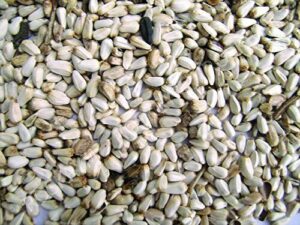
Squirrels raid the sunflower seed but often walk right past safflower — and that’s no accident. Shafer Seed Company’s 25-pound bag delivers all-natural safflower with roughly 30-35% oil content, giving cardinals and grosbeaks a dense energy source while its bitter, thick shell discourages squirrels and blackbirds from bothering.
You’ll notice cardinals settling in for longer visits, since safflower suits their strong beaks better than it does bully birds crowding the tray. Store it below 60% humidity in a sealed container, and it’ll hold its crisp, oil-rich quality for months, making this bulk bag a smart, low-waste choice for feeders.
| Best For | This safflower seed is best for wild bird enthusiasts who want to attract cardinals and similar species while keeping squirrels away from their feeders. |
|---|---|
| Seed Type | Safflower |
| Target Species | Cardinals, Grosbeaks |
| Feeder Type | Any Feeder/Tray |
| Storage Humidity | Below 60% |
| Life Stage Suitability | All Life Stages |
| Country of Origin | Not Specified |
| Additional Features |
|
- Made with all-natural safflower seed ingredients
- Naturally repels squirrels, helping seed last longer in the feeder
- Suitable for all life stages of wild birds
- Bulk 25-pound bag requires adequate storage space
- Not formulated for domestic poultry, so it’s not a multi-purpose feed
- Large dimensions (23.4 x 14.6 x 4.8 inches) may be awkward to store in smaller spaces
5. Nyjer Seed Wild Bird Food
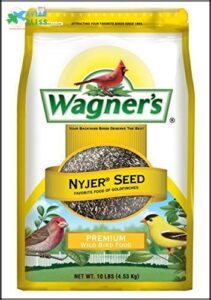
A goldfinch can crack a sunflower shell, but it’s Nyjer it comes back for. This needlelike seed packs 35% fat and enough protein to fuel molting and winter survival, which explains why goldfinches and pine siskins camp out at feeders stocked with it.
Wagner’s 10-pound bag boasts roughly 150,000 seeds per pound, heat-treated so nothing sprouts beneath your feeder. That clean, sterilized process also guards against mold in damp weather.
Pair it with a tube feeder featuring small ports—finches’ fine beaks can’t manage wide openings meant for chunkier seed. Store your supply in an airtight container below 60% humidity, and you’ll preserve that oil-rich quality finches count on all season long.
| Best For | This Nyjer seed is best for backyard bird enthusiasts hoping to attract finches, goldfinches, and pine siskins with a high-energy, oil-rich food source. |
|---|---|
| Seed Type | Nyjer |
| Target Species | Goldfinches, Pine Siskins |
| Feeder Type | Tube with Small Ports |
| Storage Humidity | Below 60% |
| Life Stage Suitability | Not Specified |
| Country of Origin | Not Specified |
| Additional Features |
|
- Extra clean, heat-treated seed that won’t sprout under your feeder and resists mold in damp weather
- High seed density (about 150,000 seeds per pound) means great value and long-lasting supply
- Velcro press-lok packaging makes storage and resealing simple and convenient
- Only suitable for small songbirds, so it won’t attract larger backyard species
- Requires a specialized feeder with small ports or openings, which is an extra purchase if you don’t already have one
- Fine, needlelike seed can spill or waste easily if used in a feeder with wider openings
6. White Proso Millet Bird Seed
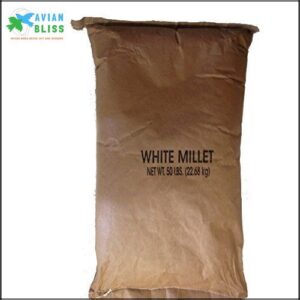
Once Nyjer feeders empty out, keep an eye on the ground below—that’s where White Proso Millet earns its keep. Sparrows, juncos, and mourning doves prefer scattering seed across a low platform or bare patch of soil rather than clinging to a tube feeder.
This small, round seed offers about 11% crude protein and under 5% fat, modest next to sunflower or peanuts, but exactly what ground foragers need for quick, steady energy.
Millet’s B vitamins, phosphorus, and magnesium support feather condition and metabolism through busy migration months. Offer only what birds clear in a day or two, since damp millet molds or sprouts fast. Store it dry, scatter it thin, and you’ll keep ground-feeding visitors returning without waste piling up.
| Best For | bird lovers who want to attract ground-feeding species like sparrows, juncos, and mourning doves to their yard. |
|---|---|
| Seed Type | White Proso Millet |
| Target Species | Sparrows, Juncos, Doves |
| Feeder Type | Platform or Ground |
| Storage Humidity | Dry Storage |
| Life Stage Suitability | All Life Stages |
| Country of Origin | USA |
| Additional Features |
|
- 100% natural seed grown in the USA, gluten free and suitable for all life stages
- Can be used alone in feeders or mixed with other seed for custom blends
- Provides steady energy plus B vitamins, phosphorus, and magnesium to support feather condition during migration
- Lower in protein and fat compared to sunflower or peanut-based seeds
- Molds or sprouts quickly if it gets damp, so it needs dry storage and small daily portions
- Meant for outdoor use only and not suitable for human consumption
7. Natural Bird Spray Millet Treats
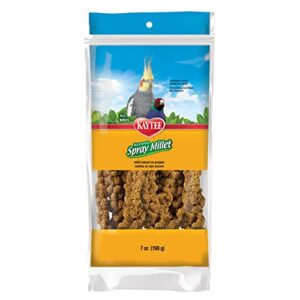
Ground foragers aren’t the only visitors worth tending—cage birds and porch regulars love a good spray millet treat too. Picture natural grain clusters still attached to their stalks, letting birds grab, twist, and peck their way through a snack that mimics wild foraging instead of just scooping from a dish.
Nutritionally, spray millet stays light: 7.5–8% crude protein and just 2–3% crude fat, far leaner than sunflower or peanuts. Finches, canaries, budgies, and sparrows take to it readily, and backyard observations show winter visits climbing as much as 70% higher when millet sprays hang nearby.
Freshness makes or breaks the treat. Keep moisture near 12%, store sprays somewhere cool and dry, and rotate your stock so nothing turns musty. A little care here keeps beaks busy and bellies satisfied all season long.
| Best For | Owners of finches, canaries, budgies, and other small cage or backyard birds who want a natural, engaging treat that encourages foraging behavior and social interaction. |
|---|---|
| Seed Type | Spray Millet |
| Target Species | Finches, Canaries, Budgies |
| Feeder Type | Hanging Holder/Clip |
| Storage Humidity | Around 12% Moisture |
| Life Stage Suitability | All Life Stages |
| Country of Origin | Not Specified |
| Additional Features |
|
- Made with all-natural spray millet, free of artificial colors or flavors
- Highly palatable and appealing across life stages, from fledglings to adults
- Encourages natural foraging behavior, keeping birds mentally engaged
- Not a complete diet—meant only as a supplemental treat, not a sole food source
- Needs a proper holder or clip to hang or feed correctly
- Freshness is easily lost if not stored cool, dry, and rotated regularly
8. Wild Bird Cracked Corn Food
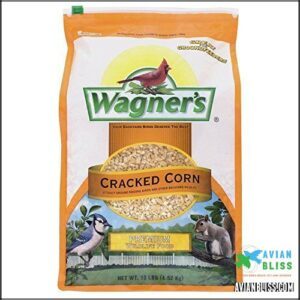
While millet keeps small clingers busy, cracked corn brings in a whole different crowd. Doves, jays, and sparrows flock to it, with nearly half of all feeder birds showing genuine interest in this humble grain.
Fine grades win out over coarse ones here—white-throated sparrows and grackles much prefer smaller bits scattered across a platform feeder or right on bare ground.
Wagner’s 10-pound bags make a budget-friendly mixing base, but moisture turns this energy source risky fast. Store it below 60% humidity to dodge aflatoxin contamination, skip feeding during damp spells, and clean feeders often. That little bit of upkeep keeps your ground-feeding visitors fueled without the health gamble.
| Best For | This cracked corn mix is best for backyard bird enthusiasts who want to attract ground-feeding species like doves, jays, cardinals, and sparrows while giving squirrels and other critters their own separate feeding spot. |
|---|---|
| Seed Type | Cracked Corn |
| Target Species | Doves, Jays, Sparrows |
| Feeder Type | Platform or Ground |
| Storage Humidity | Below 60% |
| Life Stage Suitability | Not Specified |
| Country of Origin | Not Specified |
| Additional Features |
|
- Draws a wide variety of species, from Blue Jays and Cardinals to doves and quail
- Doubles as a smart way to divert squirrels away from your main bird feeders
- Allergen-free formula that’s also gentle on the wallet at 10 pounds per bag
- Only suited for ground feeding, so it won’t work in hanging feeders
- Moisture exposure can lead to aflatoxin contamination if not stored carefully
- Fine grades are preferred by birds, meaning coarser batches may go untouched
9. Wild Bird Peanut Food Delight
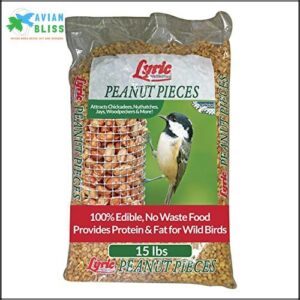
Corn draws the ground crowd, but peanuts pull in the acrobats—jays, woodpeckers, and nuthatches that’ll cache pieces in bark crevices for later.
That’s no accident. Peanuts deliver 24–25% protein and 40–45% fat, exactly what breeding birds and winter foragers need to keep going.
Lyric’s 15-pound bag offers aflatoxin-tested, unsalted kernels, sidestepping both mold toxicity and sodium stress. Feed them through mesh feeders to keep starlings from hogging the buffet, and check weekly for dampness—wet peanuts turn dangerous fast.
Shelled hearts work best for smaller songbirds, rounding out a feeder lineup that suits nearly every wing size in your yard.
| Best For | Bird lovers who want to attract a wider variety of acrobatic species like jays, woodpeckers, and nuthatches to their yard year-round. |
|---|---|
| Seed Type | Peanuts |
| Target Species | Jays, Woodpeckers, Nuthatches |
| Feeder Type | Tube, Mesh, Hopper, Platform |
| Storage Humidity | Dry, Weekly Check |
| Life Stage Suitability | Not Specified |
| Country of Origin | Not Specified |
| Additional Features |
|
- High protein and fat content gives birds the energy they need for winter foraging and spring nesting
- 100% edible, zero-waste formula means less mess and cleanup under feeders
- Compatible with multiple feeder types, including tube, mesh, hopper, and platform styles
- May attract unwanted wildlife like squirrels and chipmunks along with the birds
- Peanut pieces may contain traces of other nuts, which could be a concern for sensitive species or allergy-conscious households
- Requires regular monitoring, since damp peanuts can spoil quickly and pose health risks
10. Wild Bird Ground Feeding Seed Mix
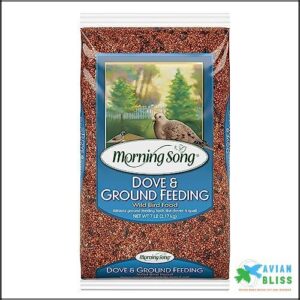
Not every bird wants a perch—robins, towhees, juncos, and mourning doves would rather forage where they land. That’s the appeal of a ground feeding mix built around white proso millet and black oil sunflower, scattered on cleared soil or spread across a low platform tray.
The combination works because millet’s lightweight shell suits smaller birds while sunflower’s oil content fuels bigger foragers, together drawing dozens of species through the seasons.
Keep bags sealed and cool, since damp seed spoils fast and invites mold. Rotate stock regularly, watch for pests nearby, and you’ll give ground feeders a steady, reliable food source right where they’re comfortable eating.
| Best For | This ground feeding mix is best for bird lovers who want to attract mourning doves, quail, pigeons, and other species that prefer foraging on the ground or a low platform rather than perching at a traditional feeder. |
|---|---|
| Seed Type | Millet & Sunflower Mix |
| Target Species | Doves, Quail, Pigeons |
| Feeder Type | Platform or Tray |
| Storage Humidity | Not Specified |
| Life Stage Suitability | Various Life Stages |
| Country of Origin | USA |
| Additional Features |
|
- Blends white proso millet and black oil sunflower to appeal to both small and large ground-feeding birds
- Versatile enough to scatter directly on the ground or use in platform feeders and trays
- Formulated for various life stages, offering balanced nutrition all season long
- Contains wheat and may contain peanuts, soy, tree nuts, or fish, which can be a concern for allergy-sensitive households
- Unflavored formula, which may be less enticing compared to scented or treated blends
- Requires careful storage since damp seed spoils quickly and can attract mold or pests
How to Choose Quality Wild Bird Seed
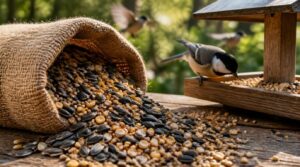
Not all bird seed on the shelf is worth bringing home, and knowing what to look for makes all the difference. Once you understand a few key traits, picking a quality bag becomes second nature. Here’s what to check before you buy.
Freshness and Oil Content
A sunflower seed loses its punch fast once oxygen gets to it, so freshness matters more than the bag label suggests. Look for vibrant color, a nutty aroma, and crisp texture—rancid or musty smells signal nutrient loss.
Vacuum-sealed or nitrogen-flushed packaging slows oxidation, while cool storage preserves seed oil stability and crude fat content birds depend on for winter survival.
Protein and Fat Levels
Two numbers matter here: fat percentage and protein percentage. Black oil sunflower runs 40-50% fat, ideal for winter energy, while peanuts pack 25-30% protein for breeding-season needs.
Aim for balanced mixes offering 15-25% protein with 20-45% fat, matching nutritional seasonal shifts—higher fat before migration, more protein when chicks are nesting. That ratio provides genuine wild bird nutrition, not just filler calories.
Filler Ingredients to Avoid
Grab any bag and flip it over—if milo, oats, or wood pulp top the list, put it back. These low-quality bulking agents cause nutritional density loss, and birds just kick them aside anyway.
Watch for toxic red corn and harmful artificial dyes, too. Quality seed mixes skip dietary fillers entirely, delivering real wild bird nutrition instead of empty, wasted calories.
Shells, Waste, and Mess
Ever notice that carpet of husks under your feeder after a busy morning? That’s shell debris management season, whether you like it or not.
- Shellfree or waste-free bird seed mixes cut cleanup time
- Sunflower hearts reduce spilled shells but spoil faster
- No-mess blends discourage weedy sprouting below feeders
Cleaning feeder residue weekly prevents seed spoilage and keeps your yard tidy.
Packaging and Storage Life
Packaging matters as much as what’s inside the bag. A quality oxygen barrier slows fat oxidation, while moisture-blocking materials prevent clumping and mold.
| Storage Factor | Ideal Range | Why It Matters |
|---|---|---|
| Temperature | Cool, ~4°C | Slows rancidity |
| Humidity | Below 60% | Prevents mold |
| Container | Airtight, sealed | Blocks moisture, pests |
Choose resealable bags and rotate stock first-in, first-out for lasting freshness.
Best Bird Seeds by Backyard Bird Species
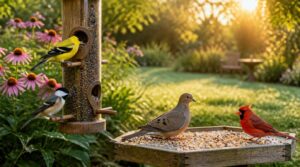
Every backyard visitor has its own taste, and matching seed to species is what really fills your feeders with activity. Some birds favor tiny seeds from tube feeders, while others need sturdier fare scattered along the ground. Here’s a closer look at what keeps each group coming back for more.
Finches and Goldfinches
Nyjer seeds win over goldfinches every time — their tiny conical beaks are built for extracting these thistle-like morsels from feeders, not cracking bulky shells.
Watch their social flocks descend together, plumage shifting from muted winter tones to breeding-season gold. Offer nyjer or thistle in mesh feeders, and you’ll support nesting success and steady winter foraging when other seeds run scarce.
Cardinals and Grosbeaks
That splash of red at your feeder likely belongs to a Northern Cardinal, whose thick conical bill—shared by grosbeaks in the Cardinalidae family—cracks tough shells with ease.
Offer black oil sunflower seeds or safflower seeds, which cardinals favor and squirrels avoid.
Males flash brighter plumage than females for territory defense.
Both species overlap in shrubby edges, readily visiting hopper feeders stocked with quality seed blends.
Doves and Ground Feeders
Down at ground level, mourning and common ground doves walk and peck rather than cling to feeders, so cracked corn and white proso millet scattered on open soil suit them best.
A low, wide platform near shrub cover encourages regular visits while keeping predator risk manageable.
Clean spilled seed often—damp millet clumps quickly, and stale piles discourage the very birds you’re hoping to feed.
Woodpeckers and Jays
Climbing higher up your bird feeding stations, woodpeckers and jays bring engineering and brains to the table. Reinforced skulls absorb shock as woodpeckers chisel nesting cavities, while zygodactyl feet grip bark securely.
Jays cache food constantly, mimicking predator calls to guard their stash. Offer:
- Peanuts
- Suet
- Black oil sunflower seeds
- Sunflower hearts
- Cracked corn
Sparrows, Juncos, Towhees
Three ground-loving neighbors—sparrows, juncos, and towhees—prefer their wild bird seed scattered low or on trays. They scratch through leaf litter, forming winter flocks that roost communally in dense shrubs.
| Species | Top Seed Choice | Feeding Style |
|---|---|---|
| Sparrows | Sunflower, millet | Ground foraging |
| Juncos | White proso millet | Flocking, brush piles |
| Towhees | Safflower, sunflower | Bobbing, thicket edges |
Skip mixed seed blends heavy on filler—these birds nest low and deserve better.
Feeding Tips for Better Backyard Results
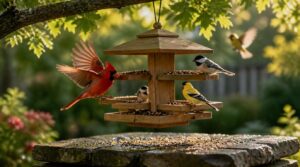
Choosing the right seed is only half the job, since how and where you feed matters just as much. A few smart habits can keep your feeders busier, cleaner, and safer all year long. Here are five simple tips to help you get the most out of every seed you put out.
Match Seeds to Feeders
Ever wonder why your feeder sits full while birds flock next door? The seed might be right, but the feeder’s wrong.
Match feeder to seed size: Nyjer needs mesh or tube feeders with tiny ports; sunflower and safflower thrive in hopper feeders for steady dispensing; peanuts and corn belong on sturdy platform or tray feeders where larger-billed birds can access them without spillage or waste.
Adjust Seeds by Season
As seasons shift, so should your seed mix. Birds’ needs change with breeding, migration, and temperature swings, so smart backyard hosts adapt too:
- Winter fat boosts: sunflower and peanuts fuel cold-weather survival
- Spring millet timing: ground feeders return hungry and active
- Autumn migration energy: calorie-dense seeds build fat reserves
- Sprouted seed benefits: soaked seeds give spring arrivals quick energy
Small tweaks, big payoff for your feathered visitors.
Prevent Mold and Spoilage
Damp seed turns deadly fast, sprouting mold and bacteria that can sicken your visitors within days.
Keep humidity below 50%, using airtight containers with desiccants, raised off the ground for airflow. Check weekly for condensation, wiping bins dry within 24 hours. Store between 50-60°F, and rotate stock using FIFO so older seed never lingers past its prime. Fresh seed means healthier, happier birds.
Reduce Squirrels and Pests
Ever watched a squirrel empty a full feeder in one afternoon? Squirrel-resistant feeders with weight-activated perches solve this fast.
Pair them with:
- Motion-activated deterrents
- Physical barrier installation on trunks
- Habitat modification near feeders
- Seasonal pest management each fall
Daily cleanup and rodent-proof storage round out solid pest deterrence, keeping seed for the birds who actually need it.
Add Water and Shelter
Seed alone won’t build a real backyard habitat — birds need water and cover too.
| Feature | Design Tip | Why It Matters |
|---|---|---|
| Dish | 6–8" wide, shallow | Prevents drowning |
| Location | 10–20 ft from feeders | Predator safety zones |
| Winter | Unfrozen zone | Seasonal water maintenance |
| Shelter | Dense evergreens | Natural shelter plants |
| Placement | Away from canopy | Less debris |
Small choices like these turn any yard into a true wildlife-friendly garden.
Frequently Asked Questions (FAQs)
How often should I refill my bird feeders?
Check feeders every 2 to 3 days during normal seasons, but switch to daily refills in winter or fall migration, when hungry flocks and spoilage risk from humidity empty feeders fast.
Can moldy bird seed harm wild birds?
Yes—moldy seed poses real aflatoxin toxicity risks, damaging birds’ livers and suppressing immune function. Inhaled spores can trigger respiratory illness too. Check seed regularly for clumping or musty odor, and store it dry to prevent contamination.
Do squirrels prefer certain bird seed types?
Absolutely — black oil sunflower seeds and peanuts top their list, thanks to high-fat attraction.
Squirrels tolerate safflower’s bitterness reluctantly, but nyjer, millet, and canola rarely tempt them, since bitter seed deterrence and tough shells discourage raiding patterns.
When is the best time to feed birds?
Dawn’s early diners flock in fast—within 30 minutes of sunrise, hungry from their overnight fast. Feeding peaks hit 7–11 am, with a gentler afternoon refuel before roosting, and winter storms push birds to visit more often.
Should I stop feeding birds in summer months?
No need to quit entirely—summer’s insect prey abundance covers most adult diets, but fledglings still benefit from supplemental nutrition.
Focus on heat-induced seed spoilage, clean feeders weekly, and prioritize summer hydration needs; if scaling back, do it through gradual feeding reduction.
Is it safe to feed birds year-round?
Feeding year-round won’t single-handedly rewrite an entire species’ migration map, but it genuinely helps. It’s safe with consistent feeder maintenance, seasonal dietary shifts (fattier seeds in winter), and diligent water hygiene—preventing disease while supporting birds through nesting, molting, and migration prep.
What time of day do birds feed most?
Your feeders see two rushes: a dawn feeding peak within two hours of sunrise, then an afternoon energy surge before dusk. Weather, season, and species—finches early, woodpeckers later—shape these foraging rhythms and overall bird visitation rates.
Should I remove feeders during extreme weather conditions?
Your feeder isn’t a storm chaser—it shouldn’t ride out a hurricane for bragging rights. Yes, pull feeders during severe weather. Storm damage prevention matters: secure or store them, then prioritize bird feeder sanitation before restocking to curb mold and bacteria.
Conclusion
Old-timers once scattered stale bread crusts and called it bird feeding. You know better now.
The best bird seeds for wild birds aren’t a mystery—they’re a match between species, seed, and season. Sunflower for energy, safflower for cardinals, millet for ground-feeders below. Fill your feeders with intention, not guesswork, and your yard becomes a living map of who visits and why.
That’s not just seed in a tray. That’s a promise kept to every wing that finds you.
- https://blogs.ifas.ufl.edu/lakeco/2025/11/25/backyard-bird-attractors-feeders-and-seed
- https://www.ebay.com/itm/397753284728
- https://dansbirdbites.com/the-definitive-bird-seed-power-rankings
- https://georgiawildlife.com/out-my-backdoor-best-seeds-backyard-bird-feeders
- https://theheartyhenhouse.com/2019/03/28/black-oil-sunflower-seeds