This site is supported by our readers. We may earn a commission, at no cost to you, if you purchase through links.
Forty-eight million Americans feed backyard birds, yet most quit within the first year—not because they lose interest, but because the feeder leaks, the seed molds, or a squirrel empties the whole thing by Tuesday.
The setup that looked simple on the box turns into a weekly chore nobody asked for.
The good news: the right gear makes this genuinely low-maintenance.
Easy to use bird feeders and food choices that actually match your yard, your local birds, and your schedule can turn a frustrating hobby into something you look forward to.
These picks cover all of it—from bottle-conversion feeders to squirrel-proof designs that hold their ground.
Table Of Contents
- Key Takeaways
- Top 10 Easy Feeding Products
- 1. Gadjit Soda Bottle Bird Feeder
- 2. Mr Pen Wooden Rainbow Popsicle Sticks
- 3. Beetle Bee Birdhouse Paint Kit
- 4. Beetle Bee Kids Birdhouse Kit
- 5. Nature Way Cedar Bluebird House
- 6. Birds Choice Bluebird House Pole
- 7. Dreamdrawer Squirrel Proof Outdoor Bird Feeder
- 8. Perky Pet Squirrel Proof Bird Feeder
- 9. Youvip Metal Outdoor Bird Feeder
- 10. Brome Squirrel Proof Bird Feeder
- Best Easy-Use Feeder Types
- Bird Food That Works Best
- Match Feeders to Bird Species
- Placement, Cleaning, and Pest Control
- Frequently Asked Questions (FAQs)
- Why put a potato in your bird feeder?
- Why should you sprinkle coffee grounds around your bird feeder?
- How to make homemade bird feeders for kids?
- What is a good bird feeder?
- How do you make a bird feeder with waste household items?
- Can you put a bird feeder up and keep them fed?
- Can you make a bird feeder in winter?
- Can you make bird feeders with lard?
- What is the simplest bird feeder?
- What type of feeder attracts the most birds?
- Conclusion
Key Takeaways
- Squirrel-proof feeders with weight-activated mechanisms — like the Brome or Dreamdrawer — are worth the upfront cost because the seed you stop losing quickly makes up the price difference.
- Matching your food to your birds matters just as much as the feeder itself — black oil sunflower seed pulls in the widest variety, while nyjer suits finches and suet is a winter must for high‑energy species.
- Most backyard bird setups fail not from lack of interest but from poor gear choices — leaky feeders, moldy seed, and squirrel raids are all fixable problems with the right feeder style and a simple cleaning routine every one to two weeks.
- Placement is a quiet game-changer — hanging feeders at five to six feet, away from jumping‑off points for squirrels and within easy view of a window, makes the whole hobby easier and more enjoyable from day one.
Top 10 Easy Feeding Products
Whether you’re just getting started or looking to upgrade what’s already in your backyard, having the right feeder makes all the difference. These ten picks cover a range of styles, budgets, and skill levels — so there’s something here for everyone.
Each pick is pulled from a hands-on best bird feeders for backyard habitats guide that also walks you through which species each feeder actually attracts.
Here’s what made the list.
1. Gadjit Soda Bottle Bird Feeder
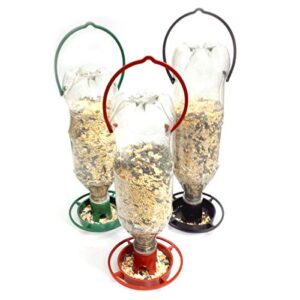
If you’ve got an empty soda bottle sitting on the counter, the Gadjit Bird Feeder Kit turns it into a working feeder in minutes. Each pack comes with three color-coded bases — green, black, and terra-cotta — plus a paper funnel and instructions.
The twist-top design lets you refill without unhooking anything, and the screw-out bottom plug makes cleaning simple.
It’s a genuinely low-cost way to attract small songbirds while keeping one more plastic bottle out of the recycling bin.
| Best For | Families, teachers, and scout groups looking for a fun, budget-friendly way to recycle soda bottles and bring a few backyard birds closer. |
|---|---|
| Primary Material | Plastic |
| Outdoor Suitable | Yes |
| Assembly Required | Minimal |
| Bird Friendly | Small songbirds |
| Squirrel Deterrent | No |
| Approx. Weight | 3.1 oz |
| Additional Features |
|
- Comes with three bases so you can set up multiple feeders at once
- Twist-top refill means you never have to take the whole thing down
- Screw-out bottom plug makes cleanup quick and easy
- Only works well with brand-name 20 oz bottles — thinner bottles tend to strip the threads
- Small opening size limits it to tiny songbirds, so don’t expect bigger visitors
- Hanger holes can let moisture in, which may spoil your seed faster than expected
2. Mr Pen Wooden Rainbow Popsicle Sticks
Not every bird feeder project needs to start at the hardware store.
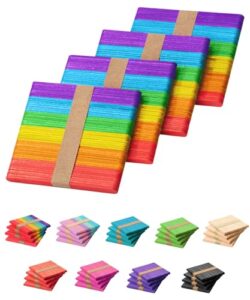
These Mr. Pen Rainbow Popsicle Sticks are a simple, affordable way to get kids building their own feeders at home.
You get 200 smooth, splinter-free birch sticks in a full rainbow spread — red through violet — that glue together easily and accept paint well.
They’re sturdy enough for little hands but can be cut cleanly with craft scissors if you need custom lengths.
A fun weekend build waiting to happen.
| Best For | Parents, teachers, and kids who love hands-on craft projects like bird feeders, classroom art, or seasonal decorations. |
|---|---|
| Primary Material | Wood |
| Outdoor Suitable | No |
| Assembly Required | No |
| Bird Friendly | N/A |
| Squirrel Deterrent | No |
| Approx. Weight | 0.29 kg |
| Additional Features |
|
- 200 sticks in a full rainbow of colors — plenty to work with and experiment
- Smooth, splinter-free surface makes them safe and easy for little hands to handle
- Sturdy enough for most craft builds, from bird feeders to picture frames
- The dye can rub off and temporarily stain skin, so gloves are a good idea
- Colors may look less vibrant in person than they do in product photos
- The painted coating can wear down with heavy use, revealing raw wood underneath
3. Beetle Bee Birdhouse Paint Kit
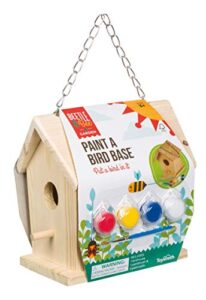
If your kids loved the idea of building with popsicle sticks, this next kit takes things one step further — into painting and hanging a real birdhouse.
The Beetle Bee Birdhouse Paint Kit comes pre-assembled from FSC-certified wood, so there’s no hammering involved.
It includes four non-toxic paint pots and a brush sized for small hands.
Kids can start decorating right away. Once it’s dry, a rust-resistant metal chain lets you hang it outdoors to attract chickadees, wrens, or finches.
| Best For | Parents, teachers, or homeschool families looking for a ready-to-paint craft activity for kids ages 3 and up that doubles as functional outdoor decor. |
|---|---|
| Primary Material | Wood |
| Outdoor Suitable | Yes |
| Assembly Required | No |
| Bird Friendly | Small species |
| Squirrel Deterrent | No |
| Approx. Weight | 1.1 lb |
| Additional Features |
|
- Comes fully pre-assembled from eco-friendly FSC-certified wood — no tools or extra prep needed
- Non-toxic, water-based paints make it safe for young kids to dive right in
- Works as a real birdhouse after it’s painted, attracting small birds like wrens, chickadees, and finches
- Only four paint colors included, and the brush is quite small — creative kids may want more to work with
- The compact size limits which birds can actually use it, and may draw wasps instead
- Assembly can be tricky; some users find the nails bend easily and end up needing extra glue to hold it together
4. Beetle Bee Kids Birdhouse Kit
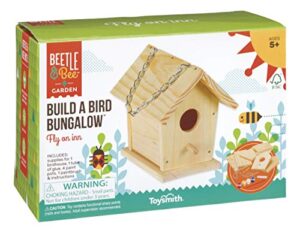
Want your child to go from decorator to builder? The Beetle Bee Kids Birdhouse Kit hands them the whole experience — assembly included.
Seven FSC-certified wood pieces come ready to nail and glue, with illustrated instructions that even a five-year-old can follow. The kit includes four non-toxic paint pots, a brush, and a hanging chain.
Fair warning: nail alignment can be tricky for little hands, so keep an adult nearby for that part.
| Best For | Kids ages 5 and up who love hands-on projects — great for families, classrooms, or homeschool craft time. |
|---|---|
| Primary Material | Wood |
| Outdoor Suitable | Yes |
| Assembly Required | Yes |
| Bird Friendly | Small species |
| Squirrel Deterrent | No |
| Approx. Weight | 11.99 oz |
| Additional Features |
|
- Comes with everything you need — wood pieces, paint, brush, nails, glue, and a hanging chain
- FSC-certified wood and non-toxic paints make it a safe, eco-friendly choice
- Builds real skills — fine motor, spatial thinking, and a little patience
- Nail alignment is tough for small hands and instructions can be vague — adult help is pretty much a must
- The brush is tiny and the paint selection is limited, so you might want extras on hand
- Small interior means fewer bird species will actually move in — and wasps might beat them to it
5. Nature Way Cedar Bluebird House

Bluebirds are picky about real estate — and this cedar box earns their approval.
The Nature Way Cedar Bluebird House is built from rot-resistant cedar with stainless-steel hardware, so it won’t fall apart after a rough winter.
Pair it with smart setup habits — where and how you mount a bluebird house can be just as important as the materials it’s made from.
The elevated wire-mesh floor cuts down on blowfly problems, and the flip-up clean-out door makes end-of-season tidying genuinely painless.
A built-in predator guard protects the 1½-inch entry hole.
The only catch: bring your own mounting screws.
| Best For | Backyard birders who want a durable, low-maintenance home that gives bluebirds and small songbirds a real shot at nesting success. |
|---|---|
| Primary Material | Cedar Wood |
| Outdoor Suitable | Yes |
| Assembly Required | No |
| Bird Friendly | Bluebirds, songbirds |
| Squirrel Deterrent | No |
| Approx. Weight | 2.6 lb |
| Additional Features |
|
- Cedar and stainless-steel construction holds up season after season without rotting or rusting
- Wire-mesh floor and dual vents keep the nest healthier by cutting down on parasites and improving airflow
- Flip-up clean-out door makes post-season cleaning quick and easy
- No mounting hardware included — you’ll need to source your own screws, and the ones provided are often too short
- Higher price tag than basic pine options, which might give budget shoppers pause
- Packaging isn’t great; some buyers have received boxes with wood splits that need fixing before use
6. Birds Choice Bluebird House Pole
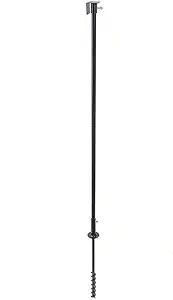
A solid house deserves an equally solid stand. The Birds Choice Bluebird House Pole gives you a heavy-duty steel setup that actually stays put — the 20‑inch ground twister screws right into the soil without special tools.
Once assembled, both pole sections bring your nest box to about 54 inches above ground, keeping it safely out of reach from curious cats or ground predators.
The flange plate supports top or side mounting, so it fits most bluebird houses without fuss.
Made in the USA, too.
| Best For | Backyard birders who want a sturdy, no-fuss pole for mounting bluebird or wren houses without a lot of tools or hardware headaches. |
|---|---|
| Primary Material | Alloy Steel |
| Outdoor Suitable | Yes |
| Assembly Required | Yes |
| Bird Friendly | Bluebirds, wrens |
| Squirrel Deterrent | No |
| Approx. Weight | N/A |
| Additional Features |
|
- Built from heavy-duty black steel — it’s not going anywhere once that ground socket is twisted in
- Flexible mounting with a top or side flange plate, so it works with most birdhouse styles
- Made in the USA, and the adjustable height is a nice bonus for different setups
- Packaging complaints are common, so there’s a real chance it shows up dinged
- No assembly instructions included — you’re kind of left to figure it out yourself
- Pricier than DIY alternatives, and the mounting bracket doesn’t always play nice with every birdhouse design
7. Dreamdrawer Squirrel Proof Outdoor Bird Feeder
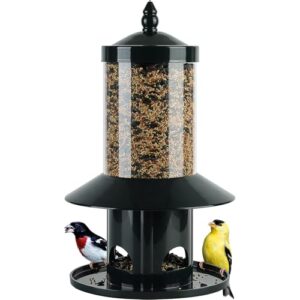
Squirrels can empty a feeder faster than you’d believe, which is exactly where the Dreamdrawer earns its keep. Its weight-activated mechanism closes the seed ports the moment something heavy — say, a squirrel — lands on the perch.
Small birds like finches and cardinals feed freely, no problem. The metal outer cage adds another layer of protection, blocking access from tricky angles.
It’s weather-resistant, hangs from a standard shepherd’s hook, and refills without drama. A tidy, low-hassle solution for any backyard.
| Best For | Backyard bird watchers who want to feed small birds like finches, cardinals, and sparrows without constantly battling squirrels or cleaning up spilled seed. |
|---|---|
| Primary Material | ABS Plastic & Metal |
| Outdoor Suitable | Yes |
| Assembly Required | No |
| Bird Friendly | Finches, cardinals, sparrows |
| Squirrel Deterrent | Yes |
| Approx. Weight | 0.96 kg |
| Additional Features |
|
- The weight-activated mechanism kicks in automatically, so squirrels get shut out without you having to do a thing.
- The 360° tray keeps seed contained, meaning less mess on the ground and less money wasted on spilled feed.
- One-handed refilling makes topping it up quick and painless, even if you’re doing it every couple of days.
- Really determined squirrels can sometimes still find a way in, especially if the feeder isn’t mounted at least 20 inches from any nearby surface.
- The perch is too small for larger birds like Blue Jays, so it’s pretty much limited to smaller species.
- The weight-sensitive closure can drift out of calibration over time and needs occasional cleaning or adjustment to stay reliable.
8. Perky Pet Squirrel Proof Bird Feeder
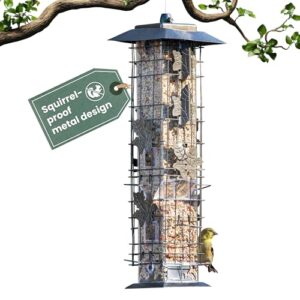
The Perky-Pet brings a no-nonsense approach to squirrel-proofing. Its weight-activated perches snap the feeding ports shut the moment something heavier than a songbird steps on — so finches and chickadees eat in peace while squirrels get nothing.
The powder-coated metal body withstands rain and wind without rusting, and the clear seed reservoir lets you see exactly when it’s time to refill.
At a 2-pound seed capacity, you won’t be running outside every other day.
| Best For | Backyard bird lovers who are tired of squirrels raiding the feeder and want a low-maintenance setup that keeps the good birds fed. |
|---|---|
| Primary Material | Powder-Coated Metal |
| Outdoor Suitable | Yes |
| Assembly Required | No |
| Bird Friendly | Small songbirds |
| Squirrel Deterrent | Yes |
| Approx. Weight | 16 oz |
| Additional Features |
|
- Weight-activated perches shut out squirrels and bigger birds automatically — no fussing required.
- Powder-coated metal holds up through rain, wind, and whatever else the weather throws at it.
- The clear seed reservoir means you always know when it’s time for a refill before the birds go hungry.
- The plastic interior can crack and discolor over time if it sits in direct sun for too long.
- Newer versions have a thinner rod and perch design that some users find a bit flimsy.
- Determined raccoons or chipmunks can sometimes still get to the seed, so it’s not completely critter-proof.
9. Youvip Metal Outdoor Bird Feeder
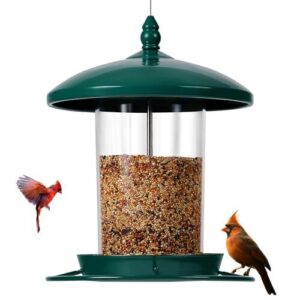
The Youvip keeps things refreshingly simple. Its metal build resists chewing, rust, and rough weather — so it actually lasts.
A 3-pound seed capacity means fewer trips outside, and the single-hand flip lid makes refilling take about ten seconds.
The 360° perch lets several birds feed at once without a crowd forming.
Tool-free disassembly means cleaning doesn’t become a project.
One small heads-up: tiny seeds may slip through the drainage holes, so stick with sunflower or mixed blends.
| Best For | Bird lovers who want a low-maintenance, durable feeder that holds up year-round without constant refilling or fussing. |
|---|---|
| Primary Material | Metal |
| Outdoor Suitable | Yes |
| Assembly Required | No |
| Bird Friendly | Mixed wild birds |
| Squirrel Deterrent | Partial |
| Approx. Weight | 1.6 lb |
| Additional Features |
|
- Metal build stands up to squirrels, rust, and bad weather without falling apart
- 3-pound capacity and a quick flip lid mean you’re not refilling every other day
- Snaps apart without tools, so cleaning is actually something you’ll do
- Determined squirrels can still get in — it’s resistant, not squirrel-proof
- The plastic viewing window has been known to crack over time
- Tiny seeds can escape through the drainage holes, so fine mixes aren’t ideal
10. Brome Squirrel Proof Bird Feeder
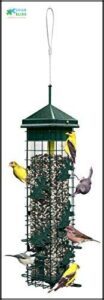
If squirrels have been treating your feeder like a free buffet, the Brome puts a hard stop to that. Its weight-activated shroud drops down and blocks the seed ports the moment a squirrel climbs on — no tricks, no workarounds.
Six feeding ports welcome small birds like cardinals, finches, and nuthatches.
The dual-button locking lid and included seed funnel make refills genuinely spill‑free.
At $65, it costs more upfront, but the seed you stop losing pays that back fast.
| Best For | Backyard bird watchers who are fed up with squirrels raiding their feeders and want a durable, long-term fix. |
|---|---|
| Primary Material | RoxResin & Metal |
| Outdoor Suitable | Yes |
| Assembly Required | No |
| Bird Friendly | Cardinals, finches, woodpeckers |
| Squirrel Deterrent | Yes |
| Approx. Weight | 2.5 lb |
| Additional Features |
|
- The weight-activated shroud actually works — squirrels trigger it themselves just by stepping on
- Six ports with good perch variety means more bird species show up, including woodpeckers and nuthatches
- Tool-free design makes cleaning and refilling quick and genuinely painless
- At $65, it’s a real spend upfront compared to basic feeders
- Crafty squirrels can sometimes access seed if they figure out the upside-down angle
- The green plastic can fade in strong sun over time, which dulls its look
Best Easy-Use Feeder Types
Not all feeders are created equal, and the right style can make the whole experience easier for you and better for the birds. Whether you’re buying something ready-made or building one from scratch, the feeder type matters more than most people realize.
Here are six styles worth knowing about.
Tube Feeders for Quick Refills
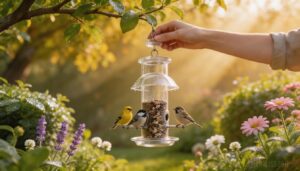
Tube feeders make refilling birdseed almost easy.
Whether you choose plastic tube feeders or metal tube feeders, look for a wide-mouth cap mechanism that lifts with one hand and a refill indicator so you’re never guessing how low the seed mix is.
UV material keeps the tube clear without clouding over time, anti-mold coating extends freshness, and smart port design prevents crowding at every perch.
integrated rain guard keeps seed dry during rain.
Platform Feeders for Simple Access
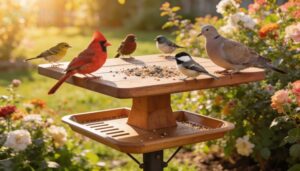
If tube feeders are about precision, platform feeders are about openness. Their flat surface welcomes backyard birds all at once — no jostling for port space.
wide base stability keeps things steady when larger birds land along the edge.
drainage slots prevent soggy seed buildup, and a removable tray makes cleaning genuinely quick.
adjustable height and feeder placement flexibility too.
Squirrel-proof Feeders for Less Hassle
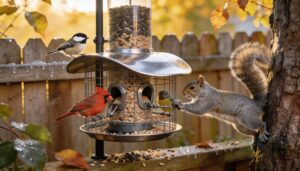
Let’s be honest — squirrels are determined little freeloaders.
A good squirrel-resistant feeder design fights back with Weight-Activated Shutters that snap closed under heavier pests, or Spring-Loaded Triggers that reset instantly. Metal Cage Designs let small birds pass freely while blocking climbers.
Add Adjustable Sensitivity and UV-Stabilized Plastics for lasting outdoor use. A simple squirrel baffle on the pole takes care of the rest.
Recycled Feeders for Budget-friendly Use
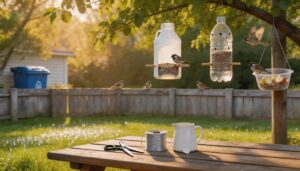
You don’t need to spend a dime to feed your backyard birds well. Material Sourcing starts at your recycling bin — recycled plastic containers, milk jugs, and soda bottles make surprisingly solid feeders.
Simple Assembly means scissors and a bit of wire get you there fast.
The Eco Benefits are real too: upcycling household items for bird feeders keeps plastic out of landfills. Community Swaps make it even better.
Kid-friendly Feeder Builds for Beginners
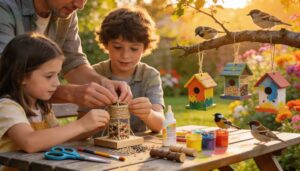
Building a bird feeder with kids doesn’t require a workshop full of gear. Simple Tool Kits — scissors, Non-toxic Glue, and a little patience — are all you need.
DIY bird feeder projects for home work best when kids follow Step-by-Step Instructions, adding Colorful Paint Ideas and DIY Perch Designs that feel personal. These child-friendly projects double as easy, budget-friendly gardening activities the whole family enjoys.
Weather-resistant Designs That Keep Seed Dry
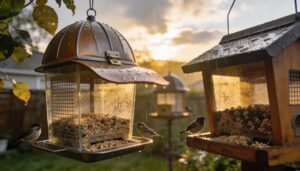
Rain doesn’t have to ruin your seed supply. Weather-resistant feeder designs use a few smart features to lock moisture out and keep things fresh longer.
- Sealed Gasket Latches and Positive Locking Mechanisms close tightly against humidity
- UV-Coated Shells slow sun damage that leads to cracks and leaks
- Overhanging Lip Shields deflect dripping rain away from seed compartments
- Drainage Mesh Vents clear pooled water without letting seed escape
Bird Food That Works Best
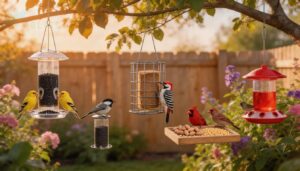
Getting the right feeder is only half the equation — what you put inside it matters just as much. Different birds show up for different foods, so knowing what to stock can make your backyard a lot busier.
food options that consistently deliver results.
Black Oil Sunflower Seed for Popular Backyard Birds
Black oil sunflower seed is the one birdseed that practically everyone agrees on.
Cardinals, chickadees, finches, and nuthatches all show up for it — sometimes the same morning.
Its thin shell and 40–50% fat content make it easy to crack and full of seasonal energy needed to fuel.
| Benefit | Detail | Why It Matters |
|---|---|---|
| Nutritional Benefits | High fat and protein content | Promotes feather growth and immune support |
| Attracting Bird Diversity | Appeals to 10+ common backyard birds | Fills your DIY bird feeder with variety |
| Seed Storage Tips | Store cool, dry, airtight | Keeps nutrient balanced seed mix fresh longer |
Mixed Seed Blends for Wider Bird Variety
One type of birdseed rarely does it all. A well-chosen seed blend brings sparrows, juncos, and blue jays to your yard without crowding out smaller visitors.
nutrient balanced seed mixes that balance Seed Ratio Balance — combining black oil sunflower seeds, white proso millet, and safflower. Seasonal Blend Rotation keeps things fresh, while Low-Waste Formulations and Shell Inclusion Benefits mean less mess, more birds.
Suet and Nut-butter for Cold-weather Feeding
When temperatures drop, birds need serious fuel fast. Suet Fat Levels make it a winter powerhouse — delivering five to eight times more energy per ounce than standard seed.
When temperatures drop, suet delivers up to eight times more energy per ounce than standard seed — exactly what birds need to survive winter
Mixing nut butter into Cold-Weather Suet bumps fat content even higher. For DIY suet and nut butter feeders, blend peanut butter 1-to-1 with lard, then add Additive Boosters like rolled oats or dried mealworms.
Winter feeding has never been simpler.
Fruit Options for Cardinals and Finches
Cardinals and finches are basically fruit lovers with standards. Blueberry size matters — small, soft fruits like raspberries fit platform feeders perfectly without clogging ports. Try these crowd-pleasers:
- Blueberries and raspberries for Raspberry Sweetness and easy pecking
- Grapes for Grape Hydration on hot days
- Elderberry Moisture-rich berries during late summer
- Pit-Free Cherries, diced apples, and orange slices on your apple feeder
Skip dried fruit — it hardens fast.
Nectar Solutions for Hummingbird Feeding
Hummingbirds want something simpler than fruit — just sugar water done right. Mix 4 parts water to 1 part plain white sugar using the Water Boiling Method: boil briefly, cool completely, and fill. That’s your hummingbird nectar recipe sorted.
Stick to Colorless Nectar Preference — skip dye entirely.
Follow a Feeder Hygiene Routine every few days, adjusting your Nectar Refill Frequency when temperatures climb.
How to Avoid Wet, Moldy, Wasted Seed
Wet seed is the quiet enemy of a happy feeder. Store your supply in Airtight Seed Storage containers — toss in Silica Gel Desiccants to keep moisture out. Regular Seed Rotation so nothing sits too long.
- Roofed Feeder Designs that shed rain naturally
- Look for Drainage Pinholes that release trapped moisture
- Stick to a feeder cleaning routine every 1–2 weeks
Match Feeders to Bird Species
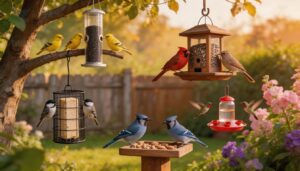
Different birds have different ideas about what makes a good meal and a comfortable place to eat. Once you know who’s showing up in your yard, picking the right feeder and food gets a lot easier.
Here’s a quick breakdown by species to help you get started.
Feeders and Food for Cardinals
Few birds reward your effort quite like a pair of cardinals showing up together. To attract cardinal pairs consistently, lean into their Cardinal Seed Preferences: black oil sunflower seeds, safflower, and shelled peanuts top the list.
| Feeder Type | Best Birdseed | Safe Perch Height |
|---|---|---|
| Platform tray | Black oil sunflower seeds | 5–6 feet |
| DIY Recycled Feeder | Safflower seeds | 5–6 feet |
| Pole-mounted tube | Shelled peanuts | 5–10 feet |
For High-Energy Winter Feed, keep suet or nut‑butter stocked every 2–3 days. Add Cardinal Hydration Stations nearby — they love drinking after outdoor bird feeding sessions. A simple DIY bird feeder works perfectly here.
Feeders and Food for Finches
Finches are a different crowd — smaller, quicker, and picky about their ports. A tiny port design keeps seed spill reduction in check and suits their delicate beaks perfectly.
Stock Nyjer seed or black oil sunflower seeds for the best results.
A wooden perch helps them grip comfortably. Even a plastic bottle feeder or mason jar bird feeder works well.
Winter seed boost? Just refill more often.
Feeders and Food for Chickadees and Nuthatches
Chickadees and nuthatches are natural acrobats — they’ll cling to almost anything. That said, feeder entrance design still matters. Small ports match their seed size preference perfectly, and black oil sunflower seeds are the clear favorite.
- Tube or suet feeder works best for clinging
- Peanut butter and birdseed bird feeders boost seasonal nutrient needs
- A simple DIY bird feeder satisfies both species
- Hang birdseed 5–6 feet up for predator avoidance strategies
Feeders and Food for Sparrows and Juncos
Unlike acrobatic chickadees, sparrows and juncos keep things low — they’re happiest hopping along the ground. A Ground Tray Design suits them perfectly.
Skip nyjer seed here; white millet and black oil sunflower birdseed form a Nutrient Rich Mix they’ll actually eat.
Seasonal Seed Rotation keeps things fresh, and Predator Safe Zones with open sightlines reduce risk.
Even a simple plastic bottle feeder or DIY bird feeder works well. Seed Moisture Management matters too — wet seed gets ignored fast.
| Feature | What Works | Why It Matters |
|---|---|---|
| Feeder Type | Low platform or ground tray | Matches natural foraging behavior |
| Best Seed | White millet + sunflower birdseed | Nutrient Rich Mix both species prefer |
| Placement | Open, visible Predator Safe Zones | Reduces ambush risk from nearby cover |
Feeders and Food for Woodpeckers
Woodpeckers are built differently — they need feeders that let them brace and cling. A Tail Support Perch on a suet feeder makes all the difference.
Use smart Suet Cake Placement near mature trees, add a Peanut Mesh Design for whole peanuts, and try a Bark Butter Spread on a DIY suet and nut butter feeder.
A Seasonal Mealworm Boost and squirrelproof feeder keep their birdseed portions intact.
Feeders and Food for Hummingbirds
Hummingbirds run on pure fuel. Mix your hummingbird nectar recipes using Sugar Water Ratios of 1:4 — drop to 1:3 in peak heat, as a Seasonal Nectar Change.
Glass or acrylic Feeder Tube Materials resist staining and simplify Mold Prevention.
Red Color Cue Design draws them in fast. Your feeder placement strategy near flowering plants seals the deal.
Placement, Cleaning, and Pest Control
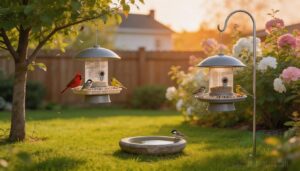
Getting your feeder in the right spot makes a bigger difference than most people expect.
A little routine care goes a long way toward keeping birds healthy and coming back.
Here’s what you need to know about placement, cleaning, and keeping pests out of the picture.
Where to Hang Feeders for Easy Bird Access
Spot matters more than you’d think. For DIY feeder placement for ideal bird access, aim for a wind‑shielded position under eaves or branches, with solid Branch Clearance Space from the trunk to slow squirrels.
A Fence Mount Height of 5–7 feet works great. Keep your Predator Buffer Zone clear and position within Window Viewing Distance so you actually enjoy the show.
Best Feeder Height for Safety and Visibility
Height is your quiet secret weapon. Nail the Predator Height Buffer by hanging feeders at 5–6 feet — high enough to frustrate cats and raccoons, low enough to refill without a ladder.
- Keep Visibility Sightlines open from nearby perches
- Apply Perch Angle Optimization for confident bird landings
- Account for Wind Stress Considerations on hardware
- Plan Seasonal Height Tweaks as vegetation grows
- Improve bird habitat enhancement with clear approach paths
Cleaning Feeders Every 1–2 Weeks
Once you’ve got your feeder at the right height, keeping it clean is the next big win.
Every 1–2 weeks, follow a simple Cleaning Checklist: use Disassembly Tips to reach hidden mold spots, soak parts in a Dilute Bleach Solution (1:9 ratio), scrub with a bottle brush, then follow solid Drying Procedures before refilling.
Wear Safety Gear — gloves, mask — always.
Replacing Spoiled Seed Before Birds Get Sick
Clean feeders mean nothing if you’re refilling them with bad seed.
Check for these spoiled seed red flags:
- Mold Detection — gray-green fuzzy patches or musty smell
- Clumping or darkening — damp seeds signal moisture control failure
- Insects inside — weevils mean it’s gone
Follow a Seed Rotation Schedule, practice Storage Hygiene, and use proper Disposal Protocols. Wet seed prevention starts before the feeder.
Keeping Rain and Snow Out of Feeders
Even fresh seed won’t last long if rain soaks it overnight. That’s where smart design steps in.
A solid Roof Overhang Design sheds water before it reaches the seed. Drainage Hole Placement lets moisture escape fast. Protective Shield Angles block sideways rain. Water-Resistant Materials and Ventilated Lid Features keep things dry inside. Weather-resistant feeder designs for winter handle snow just as well.
Preventing Squirrels, Ants, and Other Pests
Dry seed is only half the battle. Squirrels, ants, and wasps will still raid a feeder if you let them.
Use Squirrel Baffles and Mesh Collar Shields on poles, and look for Weighted Perches in any squirrel resistant feeder design.
An ant moat addresses preventing ants and wasps at hummingbird feeders. Ant Barrier Sprays and Scent Repellents like peppermint oil fill the gaps.
Frequently Asked Questions (FAQs)
Why put a potato in your bird feeder?
Cooked potato chunks offer a surprising energy boost and seasonal nutrition hit for birds.
Plain pieces attract crows and finches, expanding your feeder’s species attraction — just mind safety precautions and portion control.
Why should you sprinkle coffee grounds around your bird feeder?
Like a moat around a castle, coffee grounds work as a natural pest deterrence barrier — masking seed odors, absorbing moisture, enriching soil, and even nudging squirrels away, making them a quiet, ecofriendly feeding ally.
How to make homemade bird feeders for kids?
Roll a cardboard tube in peanut butter and seeds — no tools needed.
For Colorful Paint Ideas, decorate a milk carton feeder with non-toxic paint.
Both are fun, budget-friendly DIY bird feeders, kids love building.
What is a good bird feeder?
Some feeders look fancy, but fail fast.
A good bird feeder balances material longevity, simple assembly, seed visibility, portable design, and cost efficiency — keeping birds fed and your backyard routine stress‑free.
How do you make a bird feeder with waste household items?
You can turn recycled containers into a DIY bird feeder using a Bottle Cap Perch, Tin Can Tray, Yogurt Cup Roof, Pine Cone Coating, or Jar Lid Dish — all budget-friendly DIY bird feeder ideas requiring minimal tools.
Can you put a bird feeder up and keep them fed?
Yes, you can.
Hang a weather-resistant feeder, stock it with fresh birdseed, and commit to seasonal food rotation.
That’s really all it takes to keep your backyard birds healthy and coming back.
Can you make a bird feeder in winter?
Absolutely — winter is actually great time to build one.
A pinecone rolled in peanut butter or a simple bottle feeder with Cold‑Weather Glue holds up fine in the cold.
Can you make bird feeders with lard?
Lard pulls double duty here — it binds birdseed into solid shapes and fuels birds through winter.
Press the mix into DIY mold options, chill it firm, and hang your homemade feeder outside.
What is the simplest bird feeder?
A plastic bottle feeder wins for minimal materials and tool‑free assembly.
Its gravity feed design, reusable bottle, and simple perch make it the easiest DIY bird feeder you’ll ever build — no experience needed.
What type of feeder attracts the most birds?
Platform feeders with an Open Access Design and Mixed Seed Options attract the most birds.
Their Elevated Visibility and broad surface welcome multiple species at once — cardinals, jays, and sparrows included.
Conclusion
Investigate the truth of a theory: a well-stocked bird feeder can become a beloved backyard companion. With the right gear, like easy-to-use bird feeders and food, you’ll attract a variety of birds and enjoy hours of entertainment.
By choosing the right feeder and food for your yard, you’ll create a haven for your feathered friends. Easy-to-use bird feeders and food make it simple to maintain, ensuring a delightful experience for you and the birds.